Skip to content
GemTrove creates custom engagement rings, wedding bands and fine jewellery with certified diamonds, gemstones and GIA gemologist guidance.
⌖ Location ◇ 0488 878 000

GemTrove

Trapezoid Diamond Search Index Sitemap

A practical guide to using GemTrove's Trapezoid Diamond Search Index Sitemap guide to understand shape filters, proportions, visual checks and related diamond education before.

Diamond Shape Search

Trapezoid Diamond Search Index Sitemap

A practical guide to using GemTrove's Trapezoid Diamond Search Index Sitemap guide to understand shape filters, proportions, visual checks and related diamond education before.

Quick answer

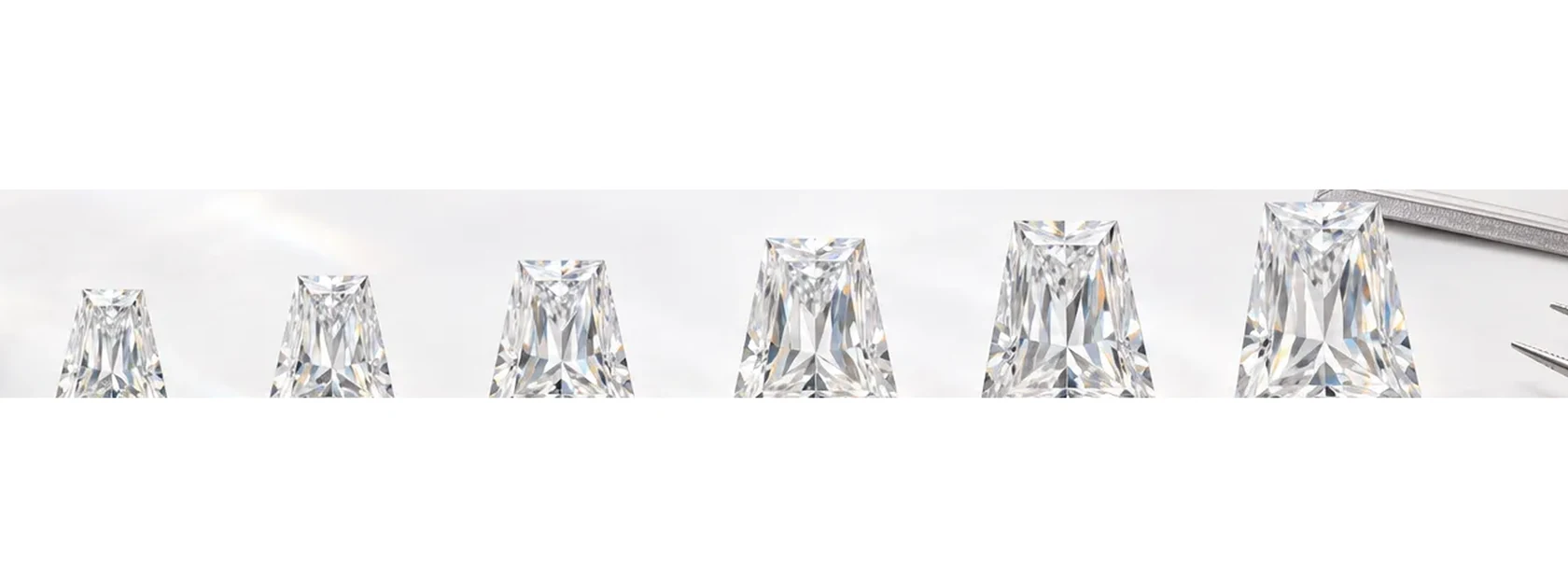
Trapezoid Diamond Search Index Sitemap is best understood by looking at the practical details that affect appearance, durability, documentation and value rather than relying on a single label. Trapezoid diamonds are usually used as side stones beside a centre diamond and can be step-cut or brilliant-style.

  • Trapezoid diamonds are usually used as side stones beside a centre diamond and can be step-cut or brilliant-style.
  • Pair matching is important: dimensions, angles, colour and facet character should work together across both side stones.
  • The stone proportions should suit the centre-stone outline and the ring's shoulder geometry rather than being selected by carat weight alone.
  • A shape search index is most useful when it links shoppers directly to the relevant diamond catalogue filters and supporting education.
  • Search filters should use consistent shape names, canonical URLs and crawlable links rather than relying only on an internal search box.

Specific considerations for Trapezoid Diamond Search Index Sitemap

Trapezoid diamonds are usually used as side stones beside a centre diamond and can be step-cut or brilliant-style.

Pair matching is important: dimensions, angles, colour and facet character should work together across both side stones.

The stone proportions should suit the centre-stone outline and the ring's shoulder geometry rather than being selected by carat weight alone.

For this topic, the most useful next comparisons are Understanding Diamond Shapes, How to Choose a Loose Diamond, Diamond Buying Guide. Those pages are linked below so the reader can move from this specific question into the broader decision without repeating the same information.

How to use this shape index

This page is designed as a crawlable, human-readable starting point for trapezoid diamond research. Use the related links to move between shape education, loose-diamond selection and the appropriate catalogue search. On the live APPV1 site, filters should narrow the catalogue without replacing the permanent content URLs that explain what each shape characteristic means.

What to compare before opening the catalogue

Start with outline and measurements, then compare facet pattern, symmetry, face-up spread and any shape-specific contrast such as bow-tie effect. For trapezoid diamonds, a grading report is useful for documented characteristics, but a video or face-up inspection remains important because fancy-shape appearance can vary considerably between stones with similar grades.

Search filters that support a better shortlist

Useful filters include carat range, price, colour, clarity, measurements and certification, together with shape-specific dimensions where the catalogue supports them. Filters should help remove unsuitable stones, but they should not be treated as an automatic quality verdict. A final shortlist still needs visual comparison.

From loose diamond to finished ring

Once a diamond is shortlisted, the actual millimetre dimensions should inform the setting. Claw position, corner protection, halo proportions, band width and wedding-band fit can all change when the centre stone changes size or outline. For custom work, final CAD should be based on the selected stone rather than a generic carat template.

Details worth checking for Trapezoid Diamond Search Index Sitemap

A shape search index is most useful when it links shoppers directly to the relevant diamond catalogue filters and supporting education. Search filters should use consistent shape names, canonical URLs and crawlable links rather than relying only on an internal search box. Supporting pages should help users understand shape-specific trade-offs such as outline, face-up spread, bow-tie contrast, corner protection and length-to-width ratio.

How GemTrove approaches Trapezoid Diamond Search Index Sitemap

Use the page as a permanent education and navigation layer around catalogue filters. Filters help create a shortlist, while the content page explains what the shape-specific measurements and visual checks mean.

For a purchase or custom project, measurements, grading or identification documents, condition and intended design should be reviewed together. Where the page relates to a Melbourne service, the final recommendation should be based on the actual item or a confirmed project brief.

Frequently asked questions

What is the Trapezoid Diamond Search Index Sitemap page for?

It is a permanent guide and navigation page for shoppers researching trapezoid diamonds. It explains what to compare and links to the relevant GemTrove diamond education and catalogue pathways.

Can I buy a trapezoid diamond from this page?

The page is primarily an education and navigation hub. The linked diamond catalogue or search pathway is where live inventory, filters and availability should be checked.

Which filters should I use first?

Start with shape, budget and carat range, then refine colour, clarity, certification and measurements. Shape-specific visual features should still be checked on images or video.

Does a grading report tell me whether the diamond looks good?

A grading report records important characteristics, but it does not replace visual assessment of outline, facet pattern, contrast and overall appearance.

Why do measurements matter if I know the carat weight?

Carat is weight. Millimetre dimensions show how large the diamond actually appears and whether it will fit the intended setting.

Should I choose the setting before the diamond?

You can choose a style first, but final setting dimensions should be based on the actual selected diamond.

Are fancy-shape cut grades directly comparable?

Not always. Fancy shapes often require more visual assessment because overall cut grading is less standardised than for round brilliants.

What does length-to-width ratio change?

It changes whether an elongated shape looks compact or stretched. The preferred look is personal and should be balanced with outline symmetry.

Can I compare natural and lab-grown diamonds using the same shape filters?

Yes for many physical and grading characteristics, but origin and report disclosure should be treated as separate filters and clearly identified.

Can GemTrove help shortlist stones?

Yes. A shortlist can be reviewed against the intended ring design, measurements, grading information and visual appearance before the setting is finalised.

Need help with Trapezoid Diamond Search Index Sitemap?

For a specific diamond, gemstone, engagement ring, wedding band or jewellery-service question, contact GemTrove with the relevant report, measurements, photographs or existing piece. That allows the discussion to move from general education to the details of the actual item.

Contact GemTrove

Proudly Australian Made and OwnedVisit Us in Melbourne