
- Education
GemTrove Education
Jewellery and Gemstone Education
Clear, practical guides to diamonds, coloured gemstones, pearls, metals and ring design, written for Australian buyers who want to understand what they are looking at before they choose.
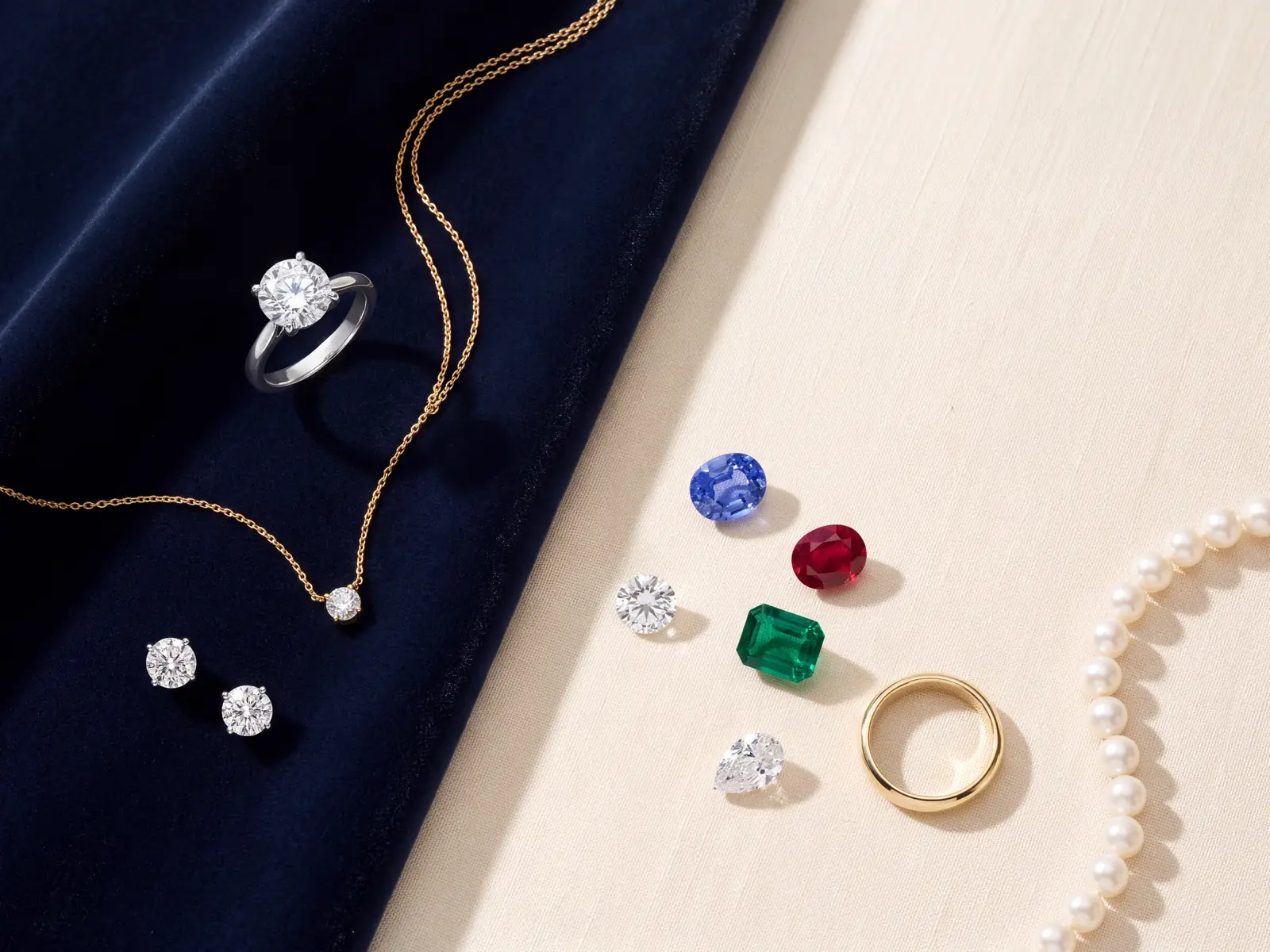
Jewellery involves a surprising amount of science and craft. A diamond's sparkle depends on its proportions, a sapphire's value can hinge on whether it has been heated, and the right metal depends on how you live. GemTrove has been working with stones and settings since 2008, and our guides are shaped by Raj Sood, a Graduate Gemologist (GIA), so the information reflects how gems are actually graded and worn.
If you are new to all this, begin with our diamond education overview and the 4Cs and grading hub, then explore diamond shapes and the lab-grown versus natural question. From there, the settings and metals hubs show how a stone becomes a finished ring.
Each category hub below gathers related guides in a sensible order, from essentials to more specialised topics. You can follow the learning path, jump straight to a subject, or use the glossary whenever an unfamiliar term appears.

Start here
A simple path through the basics
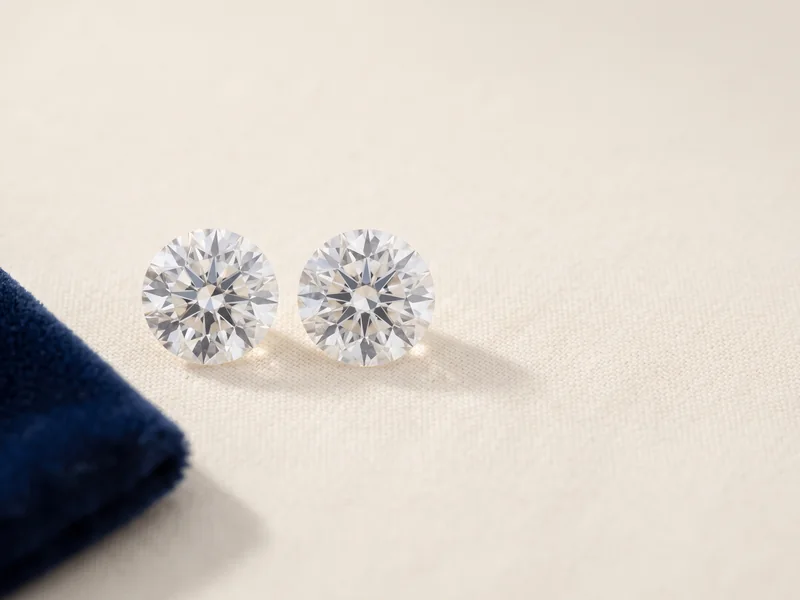
- Diamond EducationGet a broad overview of how diamonds form, how they are cut and what shapes their appearance and value.
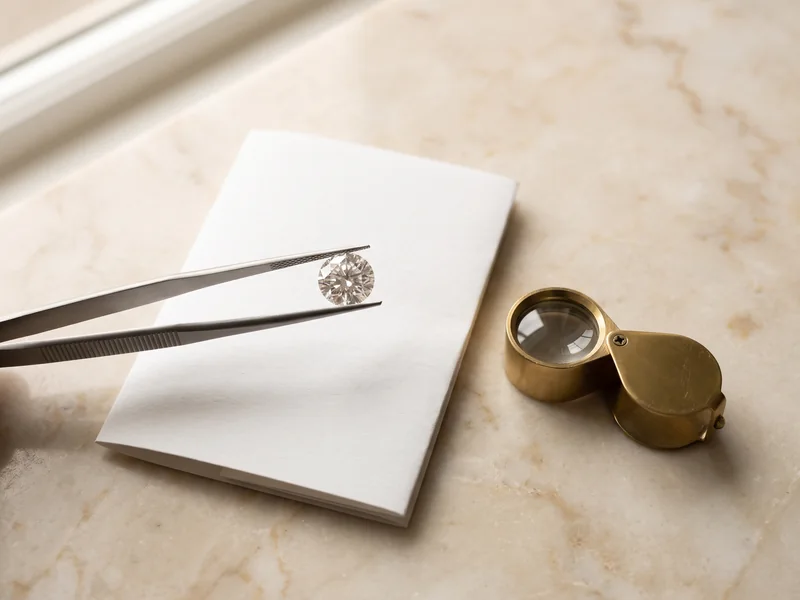
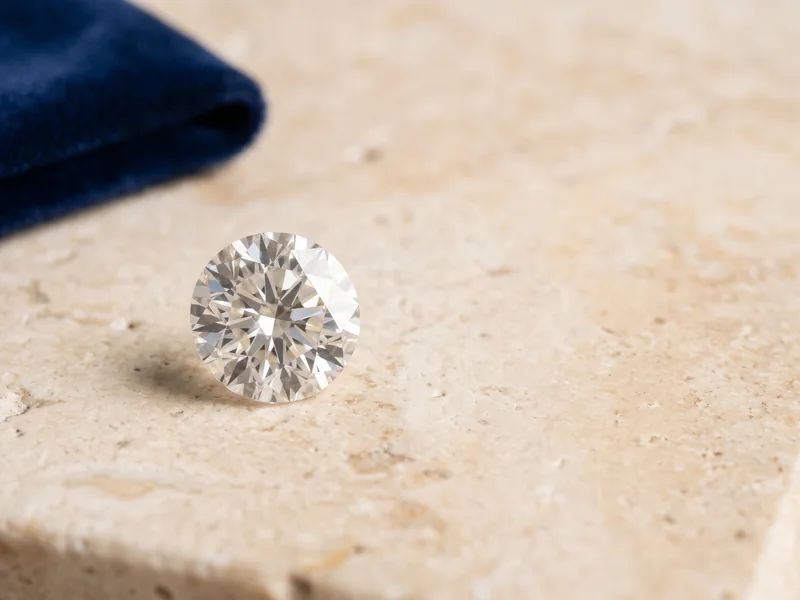
- Diamond 4CsLearn how cut, colour, clarity and carat are graded and how each one affects what you see.
- Lab-Grown Diamonds vs Natural DiamondsUnderstand how lab-grown and natural diamonds compare in composition, pricing and long-term value.
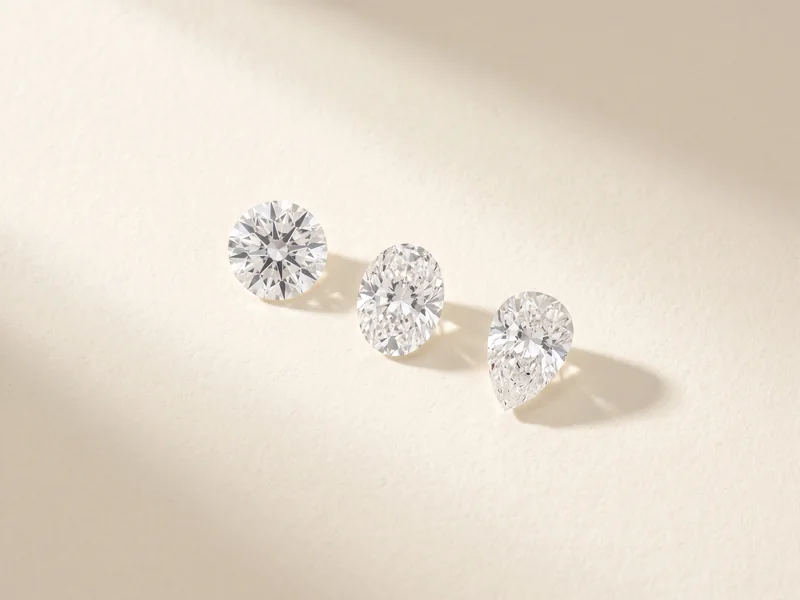
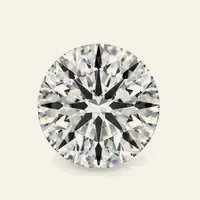
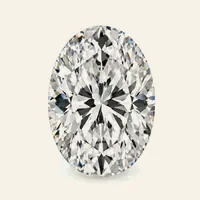
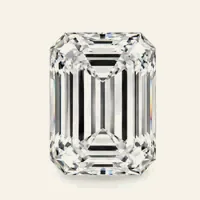
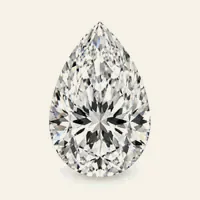
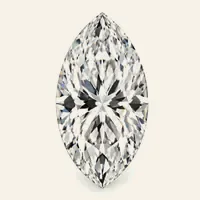
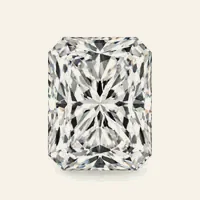
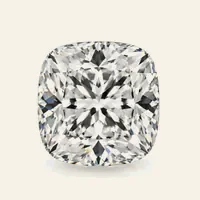
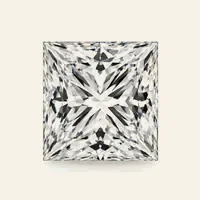
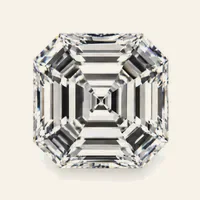
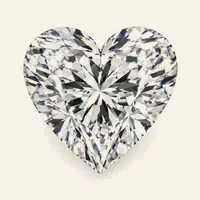
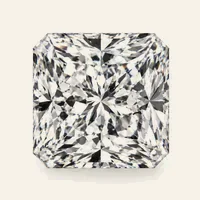
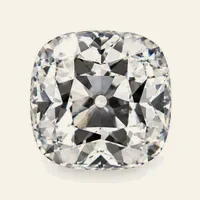
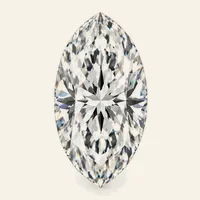
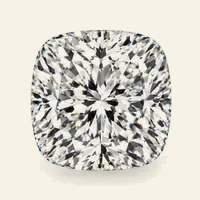
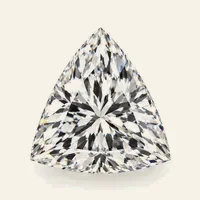
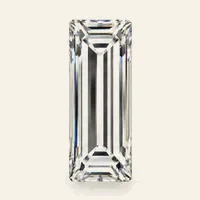
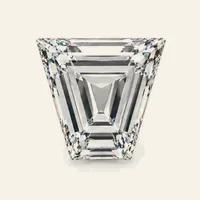
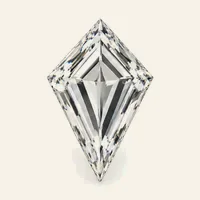
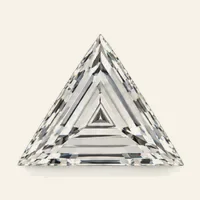
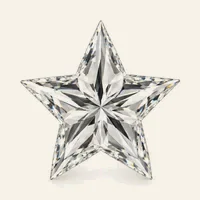
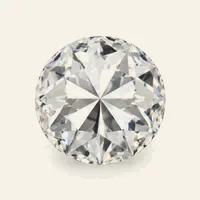
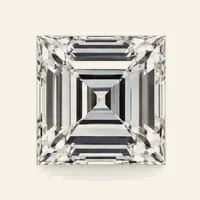
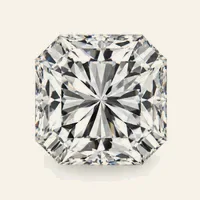
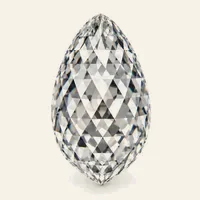
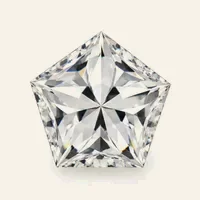
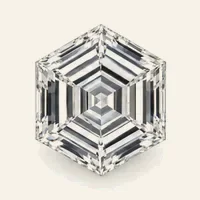
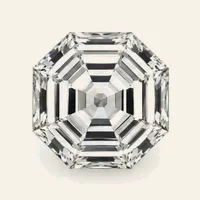
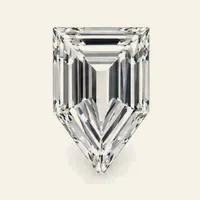
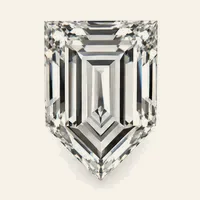
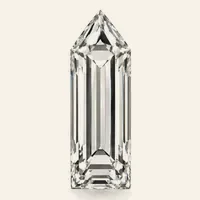
- Understanding Diamond ShapesCompare round, oval, emerald and other shapes to see how each one looks, sparkles and wears.
- Engagement Ring Setting Styles GuideSee how solitaire, halo, pavé and other settings hold a stone and change the look of a ring.
Explore by topic
Every topic, one place
 Diamond Shapes97 guides
 Diamond 4Cs & Grading76 guides
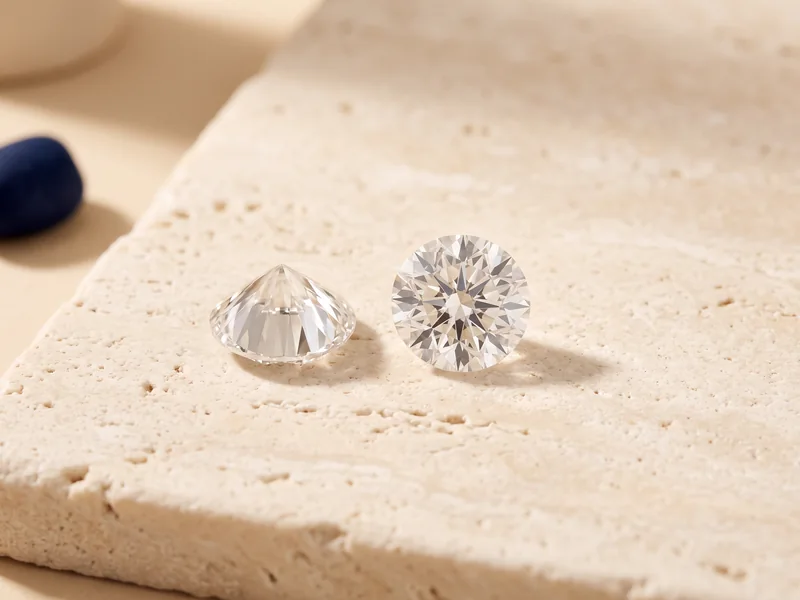 Diamond Anatomy & Light30 guides
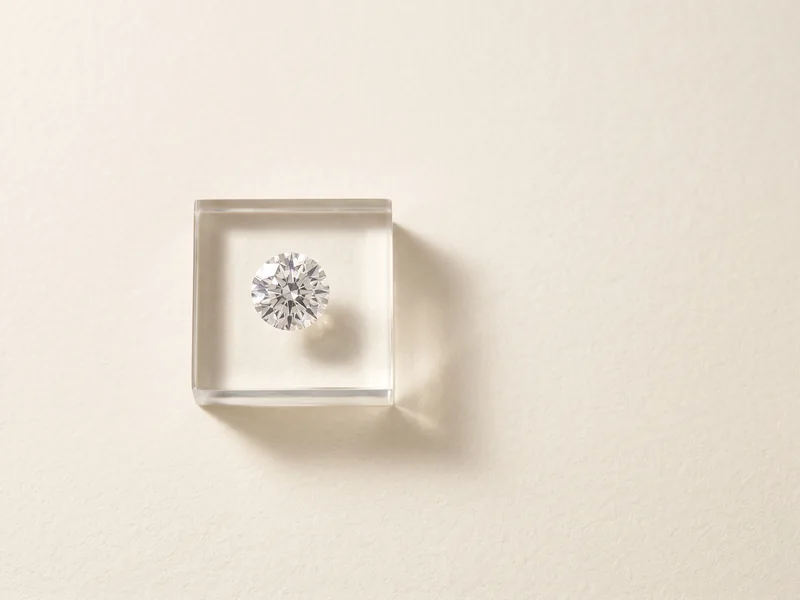 Lab-Grown Diamonds48 guides
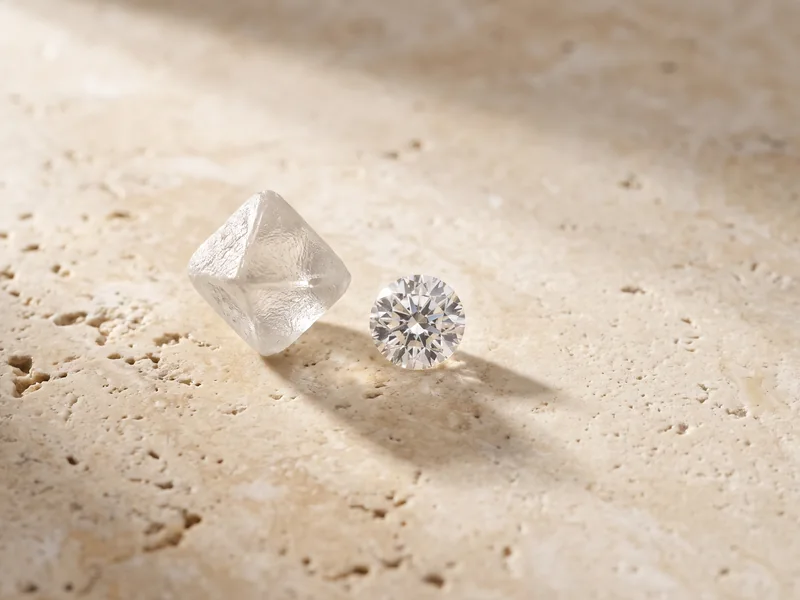 Natural Diamonds14 guides
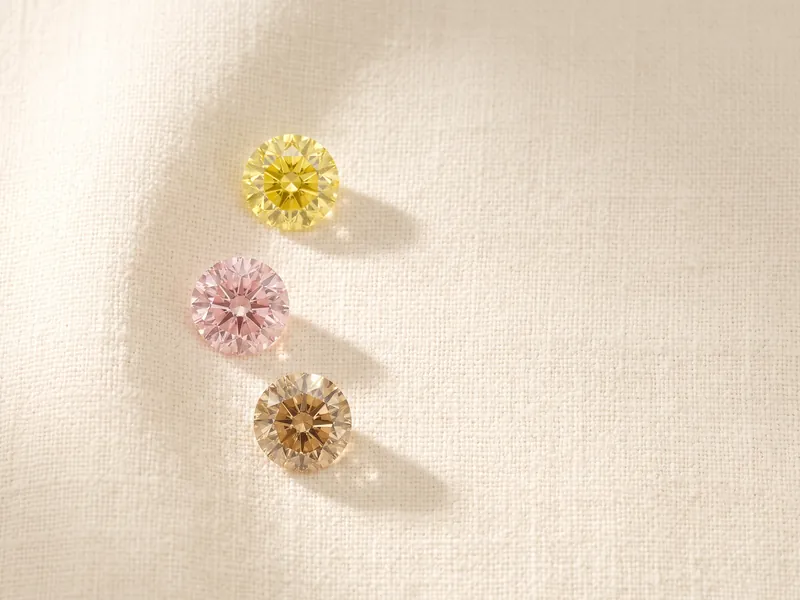 Fancy Colour Diamonds18 guides
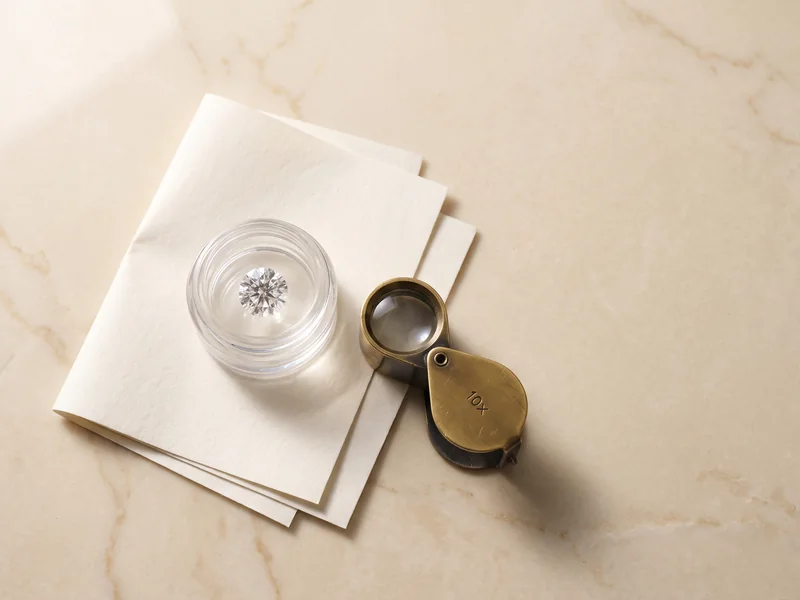 Certificates & Valuations21 guides
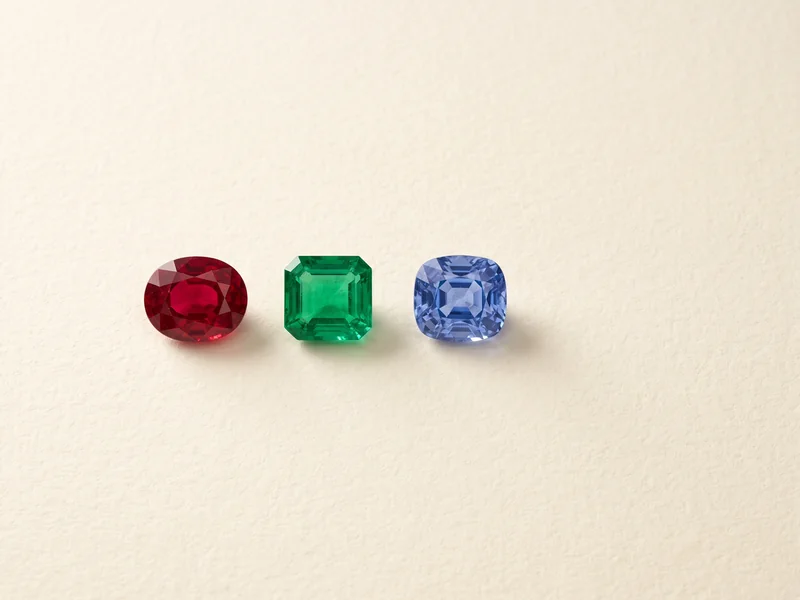 Gemstones127 guides
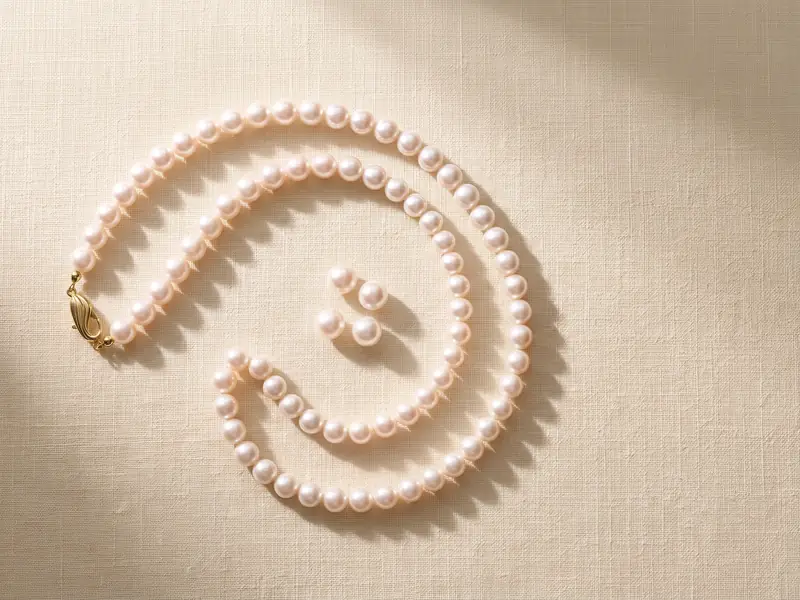 Pearls11 guides
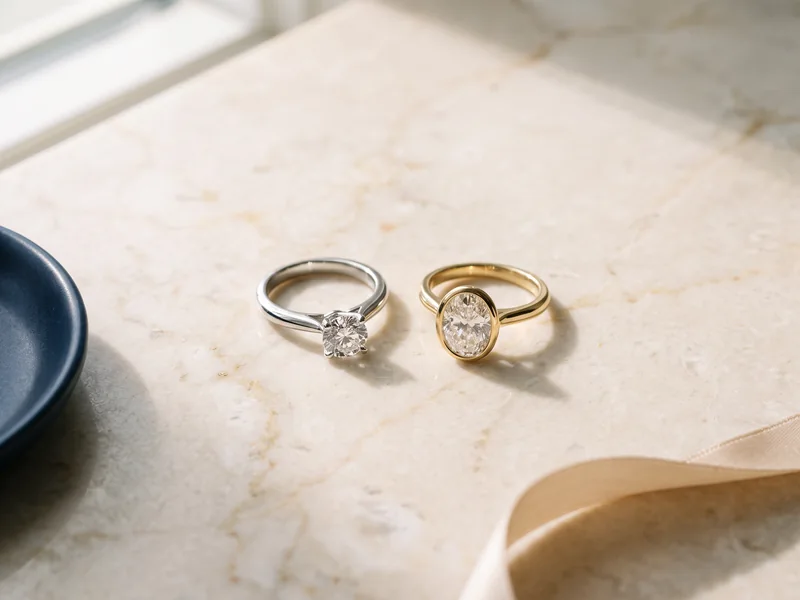 Engagement Rings & Settings69 guides
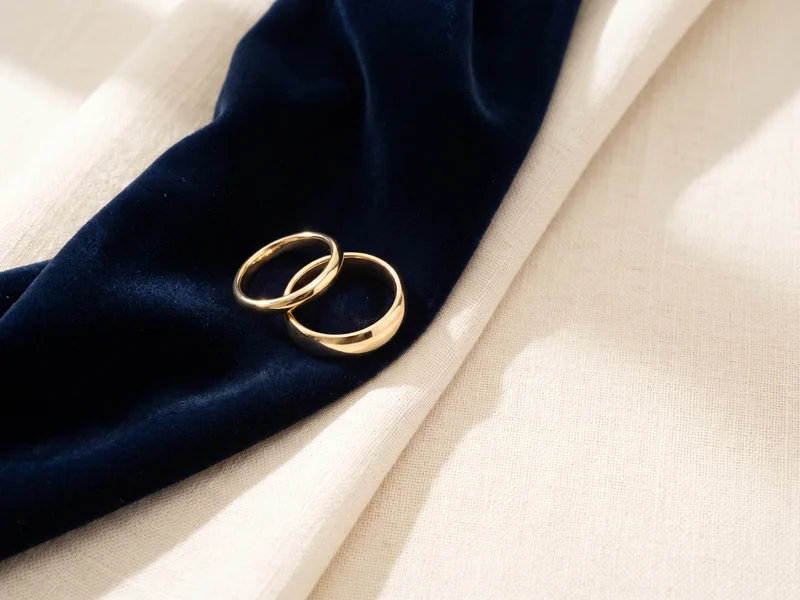 Wedding Bands & Eternity47 guides
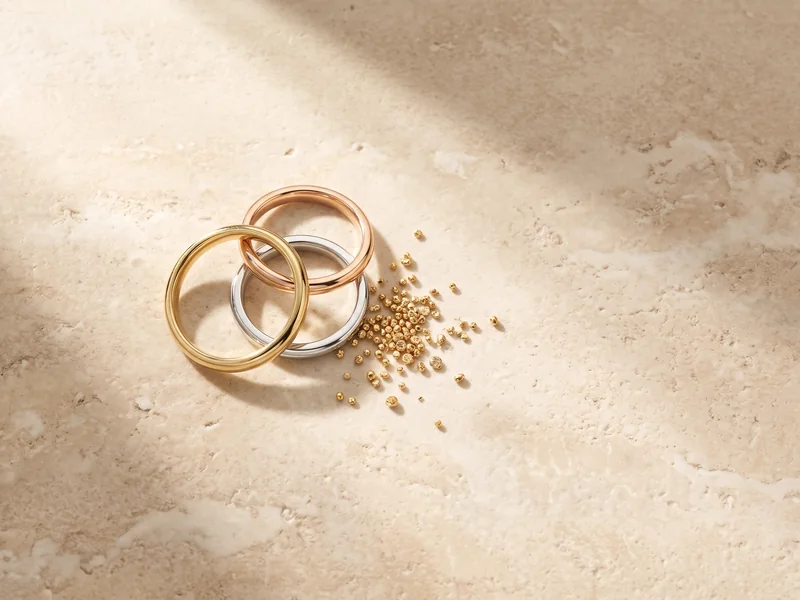 Metals28 guides
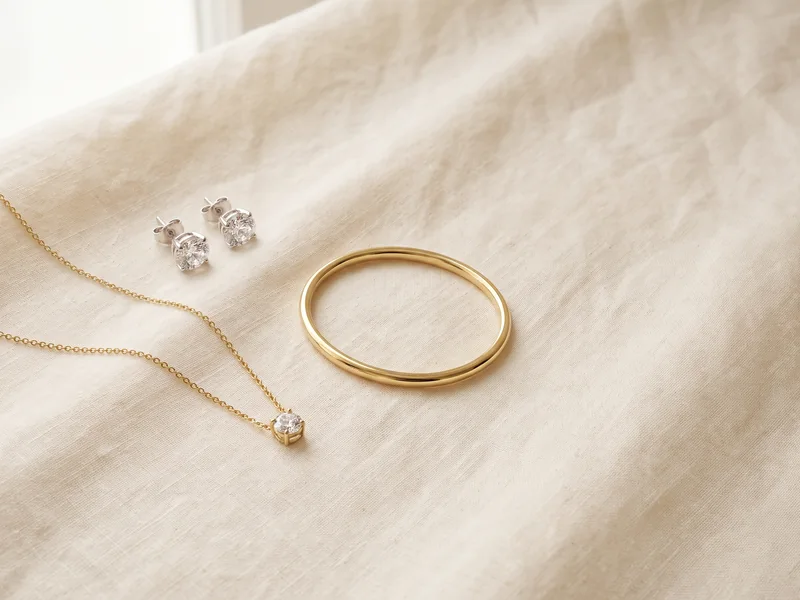 Jewellery Types13 guides
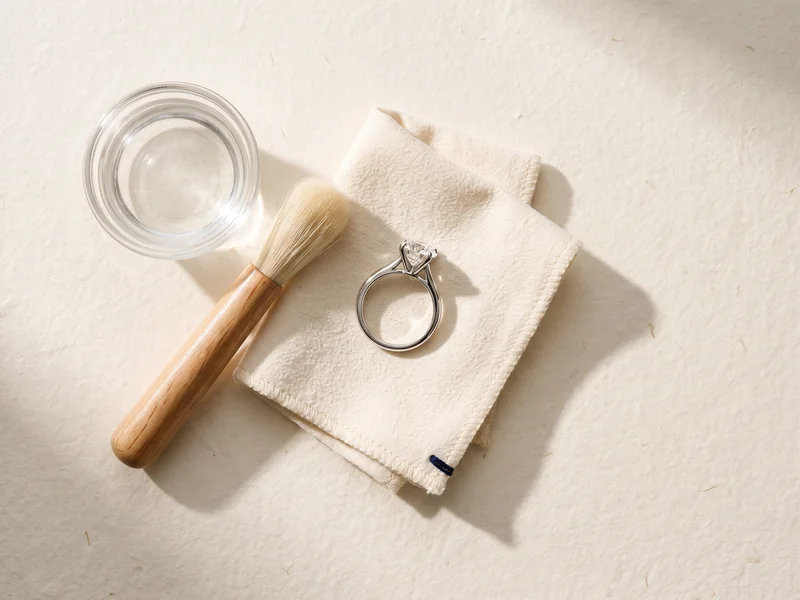 Care, Repairs & Remodelling24 guides
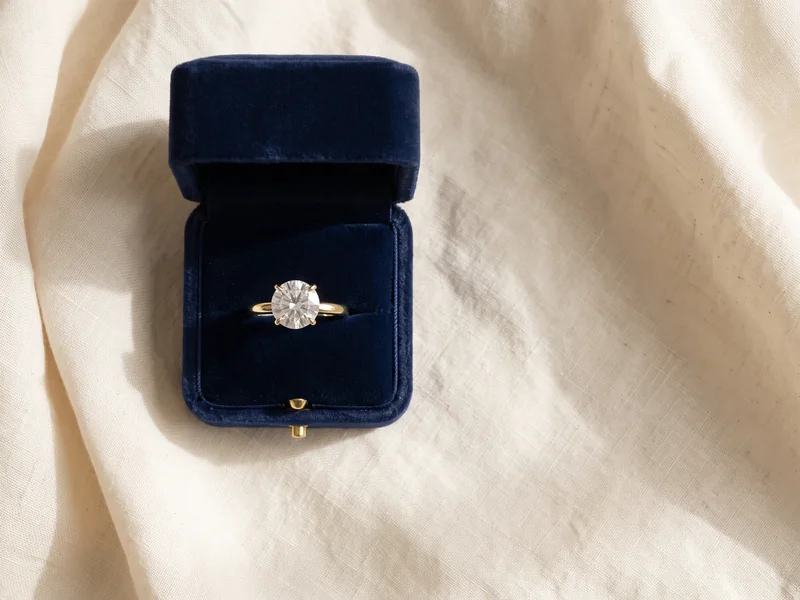 Buying Knowledge & Custom Process40 guides
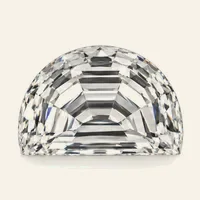
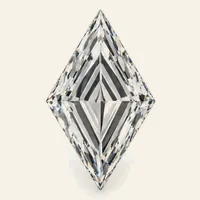
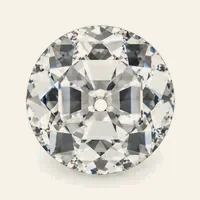
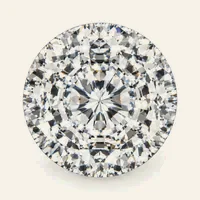
Guides
Browse by topic
All 16 in Browse by topic
- Diamond 4Cs
- Understanding Diamond Shapes
- Anatomy of a diamond: table, crown, girdle, pavilion and culet explained
- Lab-Grown Diamonds Guide
- Natural Diamonds Guide
- Fancy Colour Diamonds Guide
- Diamond Certificates & Jewellery Reports
- Gemstones | Coloured Gemstones, Birthstones and Custom Jewellery
- Pearl Jewellery, Pearl Strands and Custom Pearl Designs
- Engagement Ring Setting Styles Guide
- Wedding Ring Buying Guide
- Best Metal for Engagement Rings
- Jewellery Types Guide
- Jewellery Care and Maintenance
- Engagement Ring Buying Guide
- Jewellery Glossary
Guides
Diamond grading essentials
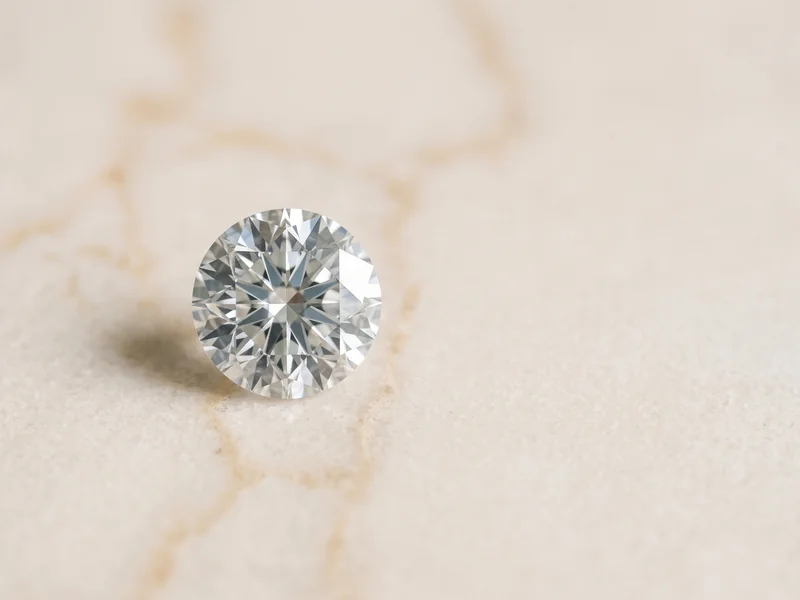
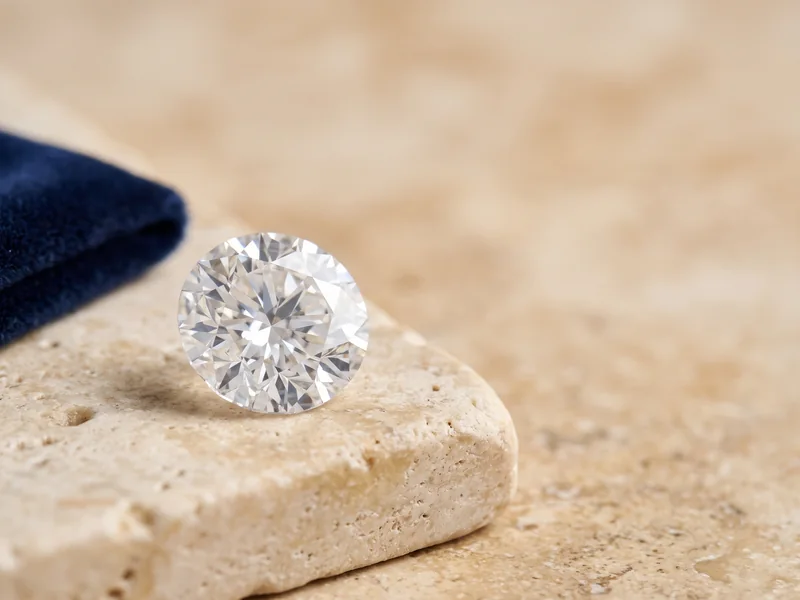

All 9 in Diamond grading essentials
Guides
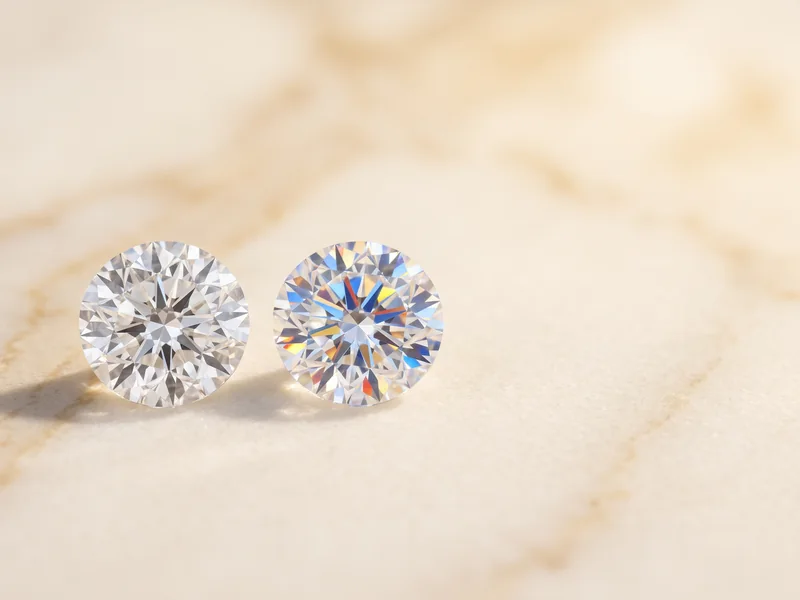
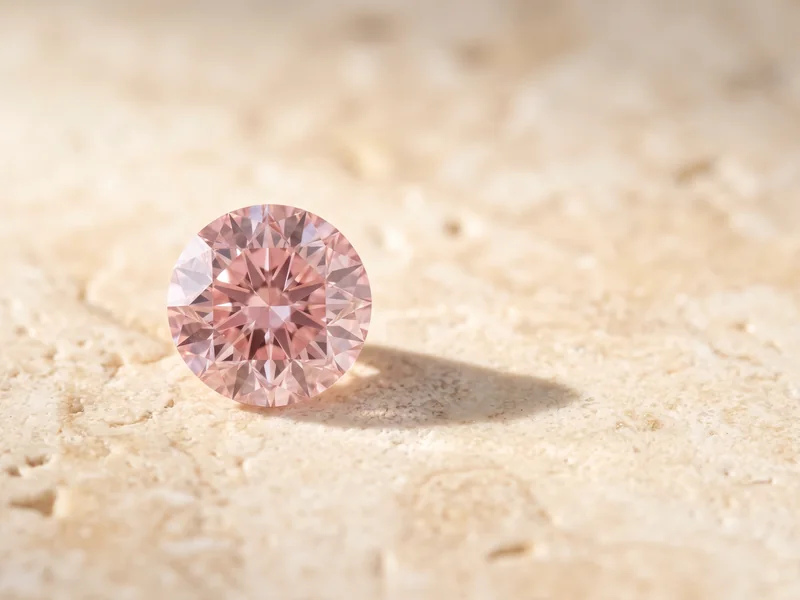
Lab-grown, natural and alternatives
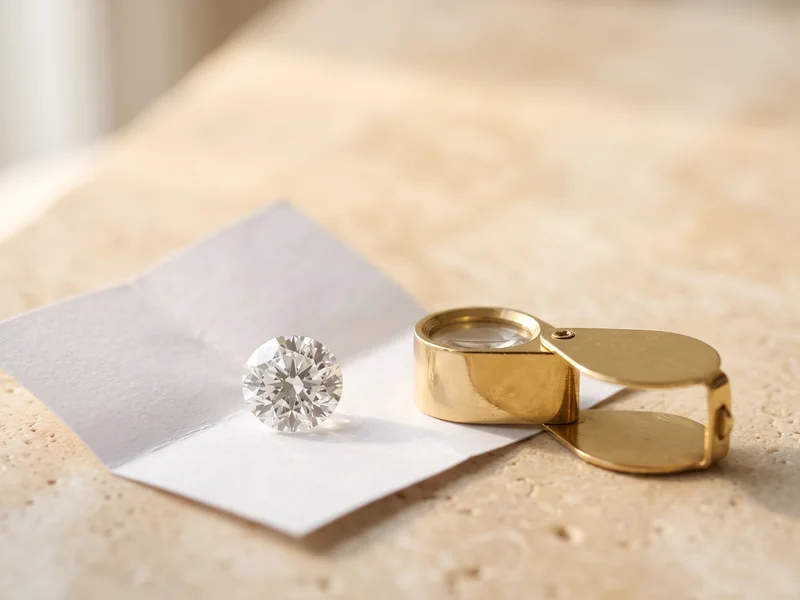
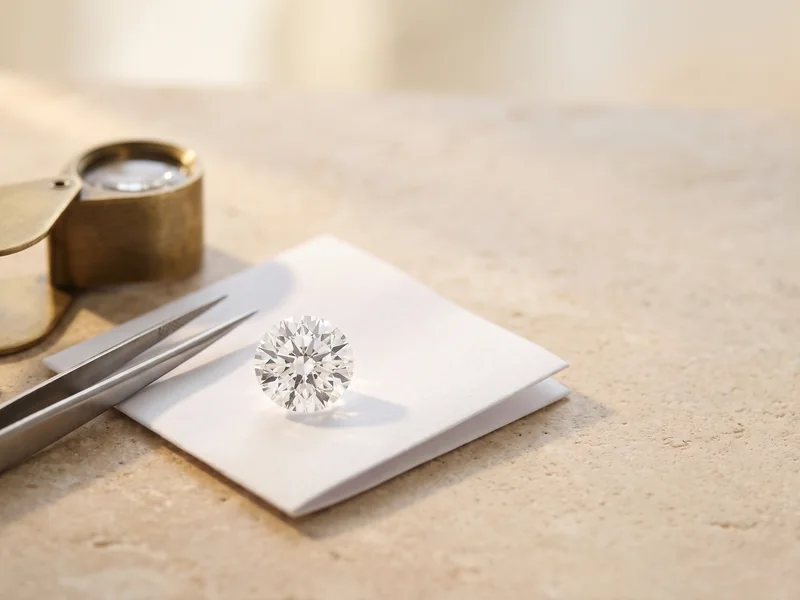
Guides
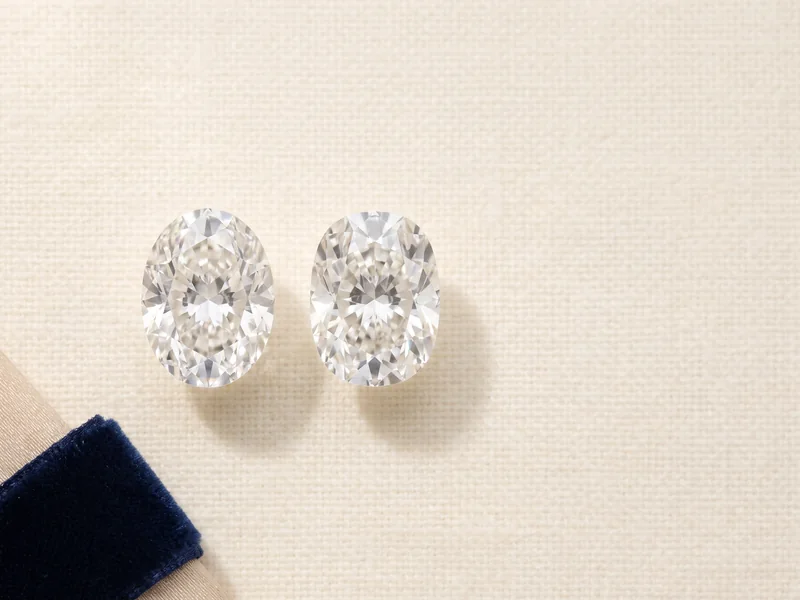
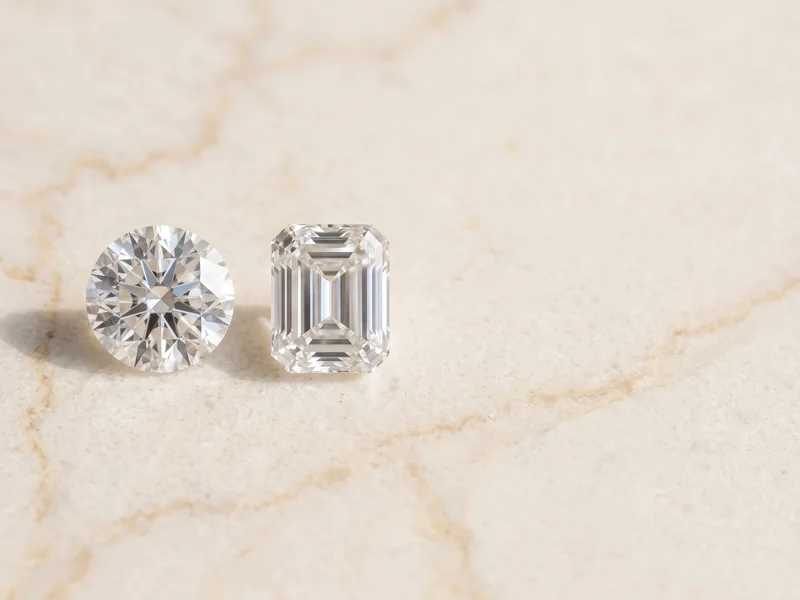
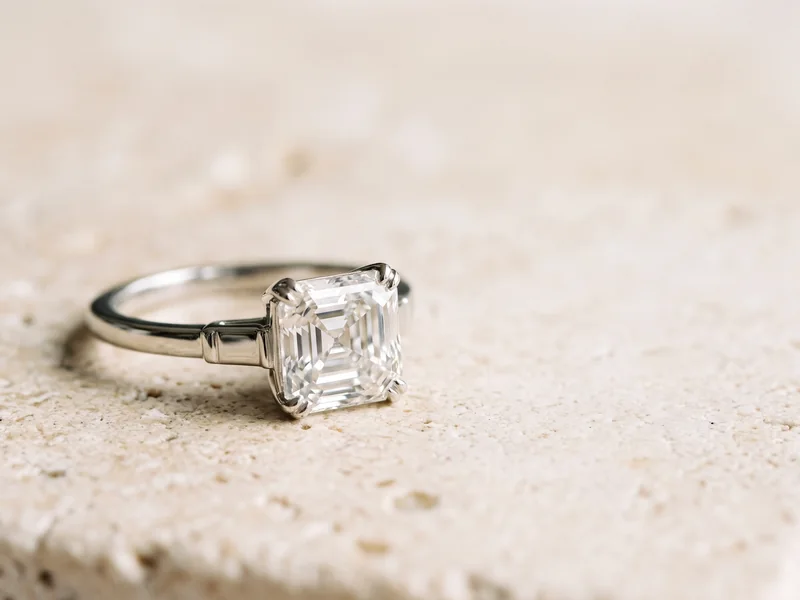
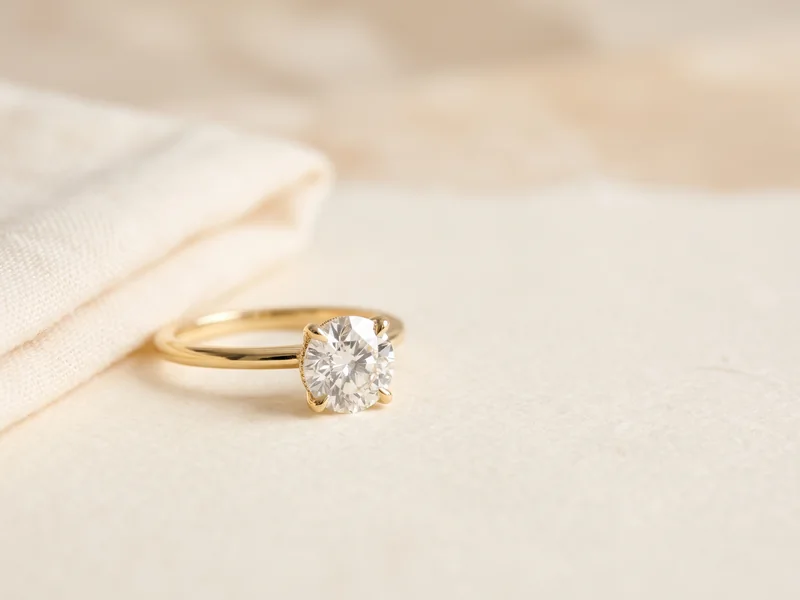
Shapes and ring design

Guides
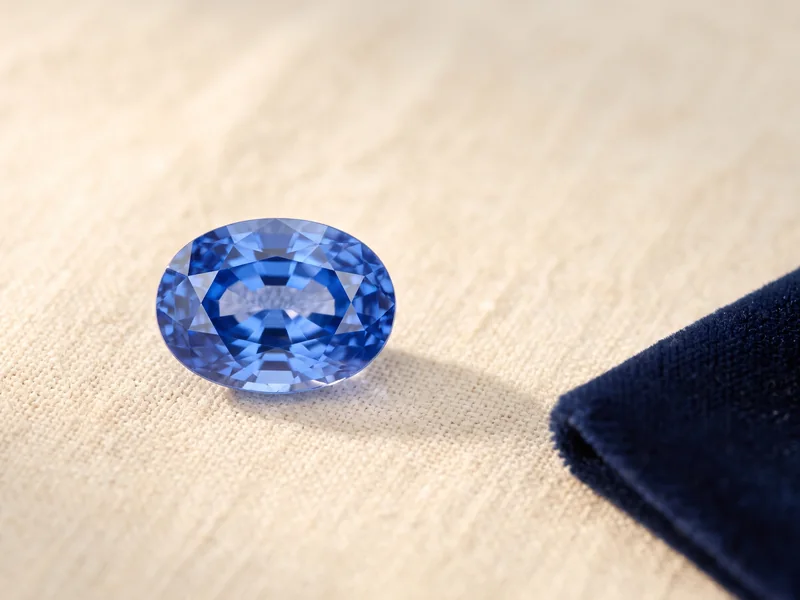
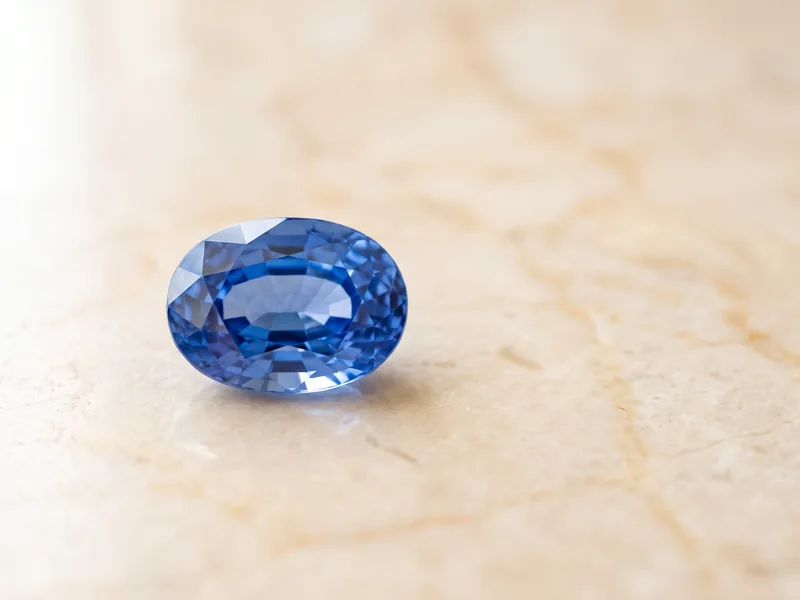
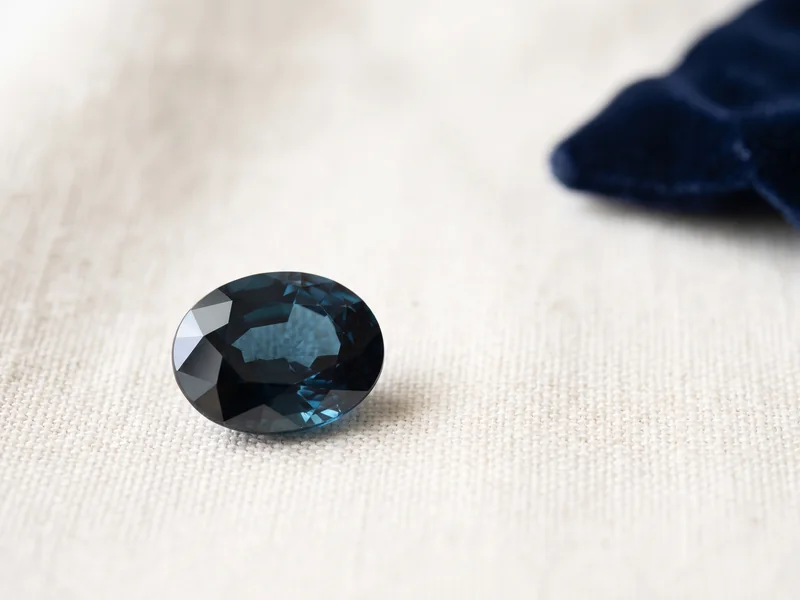
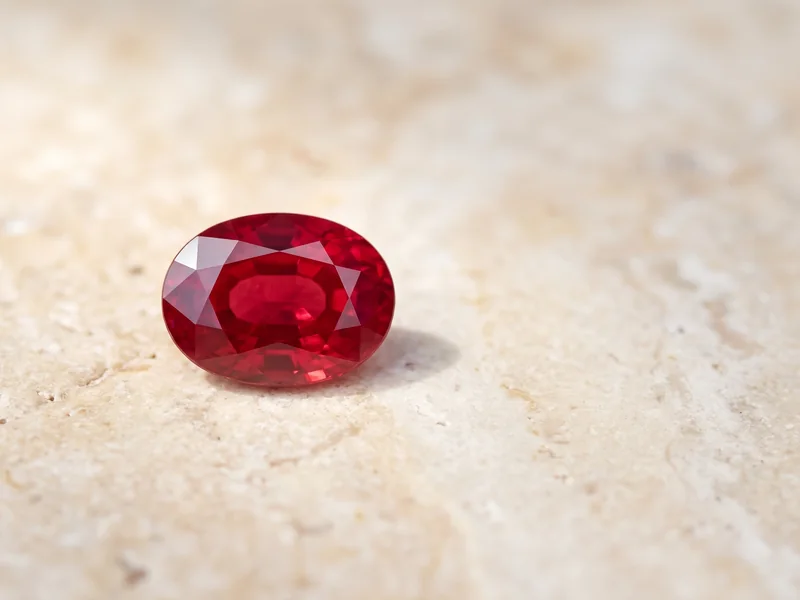
Coloured gemstones
Guides
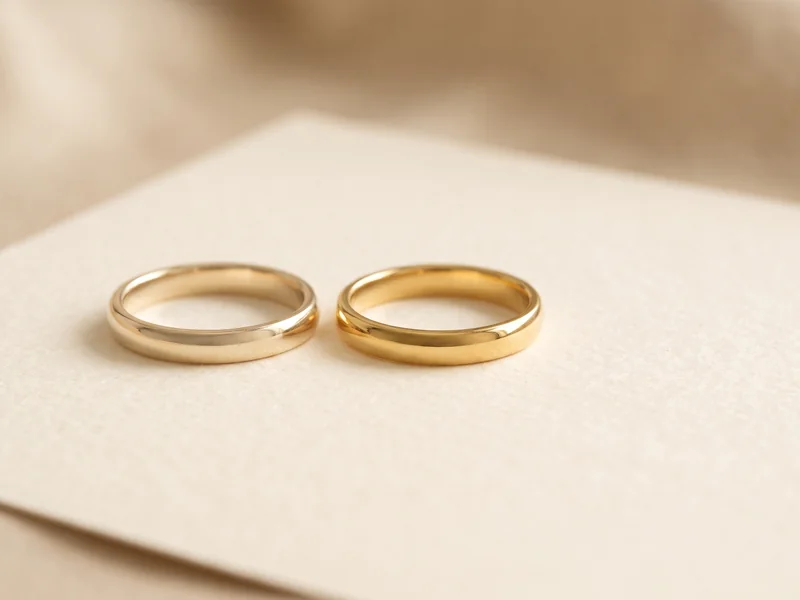
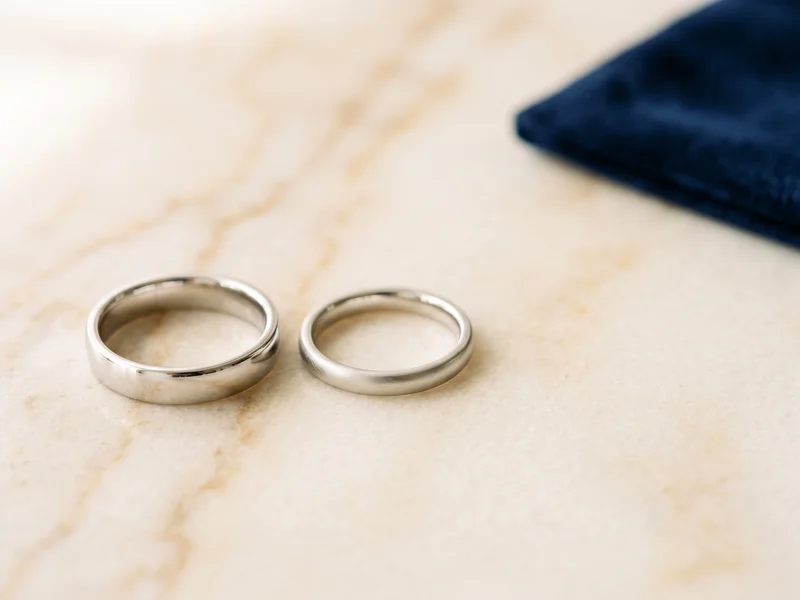
Metals and ring sizing
Gemstones A–Z
Find any gemstone
A
B
C
D
E
F
G
H
I
J
K
L
M
N
O
P
R
S
T
W
Y
Z

Ask a gemologist
Talk it through with a gemologist
Raj Sood is a Graduate Gemologist (GIA) and master jeweller. Bring the stones you are considering, or send the reports, and he will explain the differences in plain language.
FAQ
Common questions
Where should I start if I know nothing about diamonds?
Start with the diamond education overview, then the 4Cs hub. Once you understand how cut, colour, clarity and carat are graded, shapes and settings make much more sense.
Are lab-grown diamonds real diamonds?
Yes. Lab-grown diamonds have the same chemical composition and crystal structure as natural diamonds; they differ in origin, pricing and how they hold value over time.
Which of the 4Cs matters most?
Cut usually has the biggest effect on how bright and lively a diamond looks. Colour and clarity matter too, but many people find a well-cut stone with an eye-clean clarity offers a good balance.
Do I need a certificate when buying a diamond?
An independent grading report from a reputable laboratory confirms a diamond's characteristics and is strongly recommended for significant stones. A valuation is a separate document, often used for insurance.
Which gemstones are suitable for an everyday ring?
Harder, tougher stones such as diamond, sapphire and ruby handle daily wear best. Softer gems like morganite or opal can still be worn but benefit from protective settings and more care.
What is the difference between 9K and 18K gold?
9K gold contains about 37.5% pure gold and 18K about 75%. 18K has a richer colour and is more hypoallergenic, while 9K is more affordable and fairly hard-wearing.