
- Education
- Jewellery Types
Jewellery Types
Jewellery Types Guide: Earrings, Necklaces, Bracelets and Rings
A plain-language guide to the main jewellery types, how they're made and worn, and how to size each piece so it suits you or the person you're buying for.
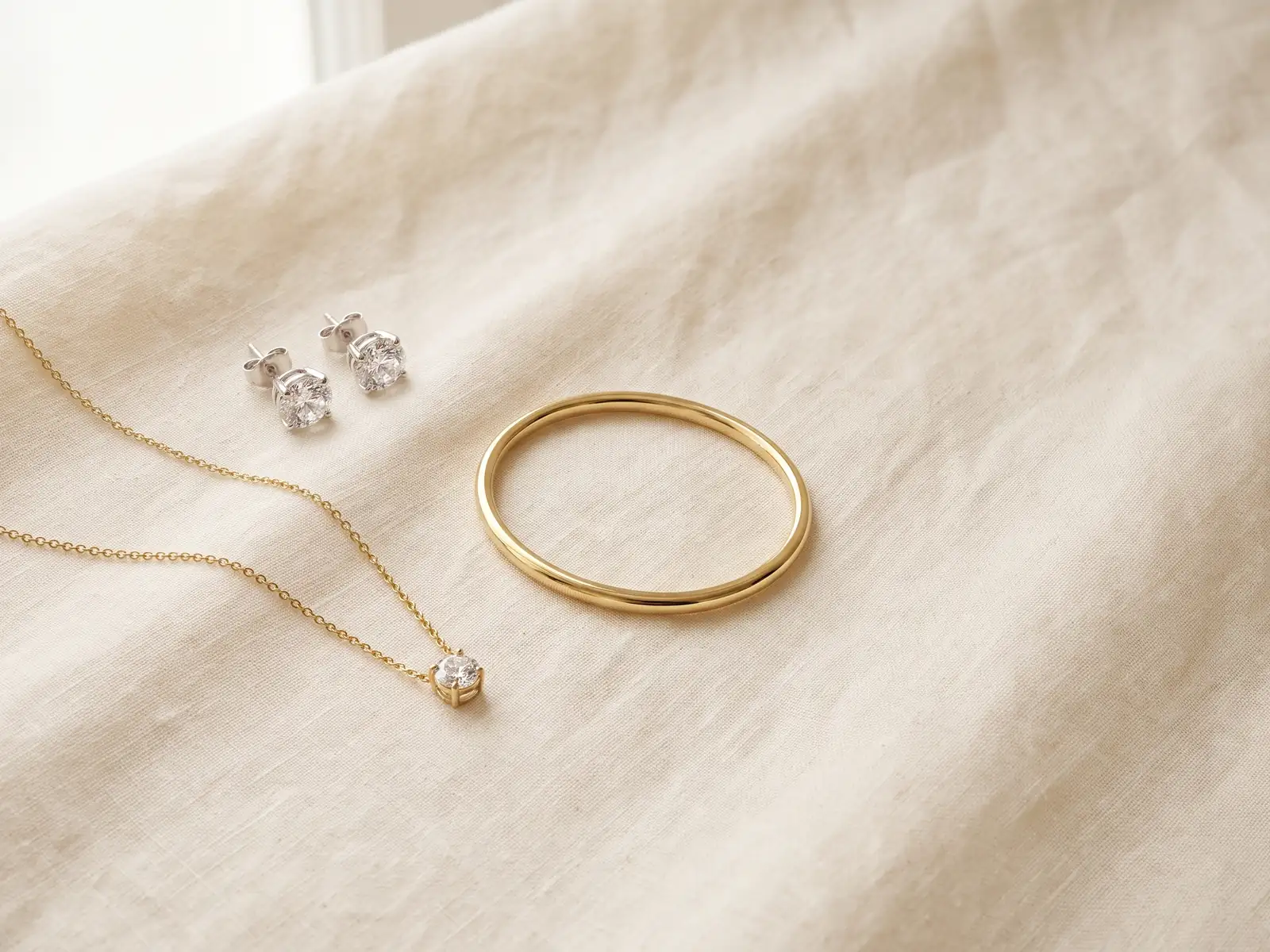
Every type of jewellery has its own vocabulary. Earrings come with different backs and settings, necklaces depend on chain style and length, and bracelets need the right fit to sit comfortably. Knowing these basics makes it far easier to compare pieces and ask a jeweller the right questions.
These guides are grouped by where the jewellery is worn. If you're new to necklaces, start with types of necklace chains and the necklace length guide, then move on to pendant and tennis styles. For earrings, our diamond stud size guide shows how carat weight looks on the ear, and the earring back guide covers security and comfort.
We've also included guides on signet rings, cufflinks and men's jewellery, and anniversary traditions for gift buyers. The guides are written by the GemTrove team, which has worked with jewellery in Australia since 2008 and is led by Raj Sood, a GIA Graduate Gemologist. They're informational, so you can read them whether you're buying, gifting or simply curious.
Pillar guides
Start with these guides
Start here
A simple path through the basics
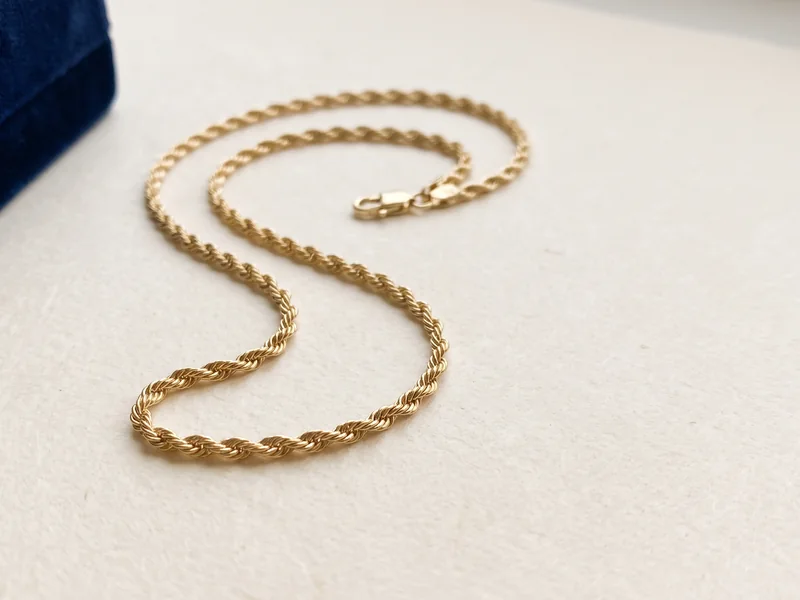
- Types of Necklace ChainsGet to know the common chain styles, from cable and curb to box and rope, and how each one wears.
- Necklace Length GuideSee where each standard necklace length sits on the body so you can choose a chain that suits the neckline.
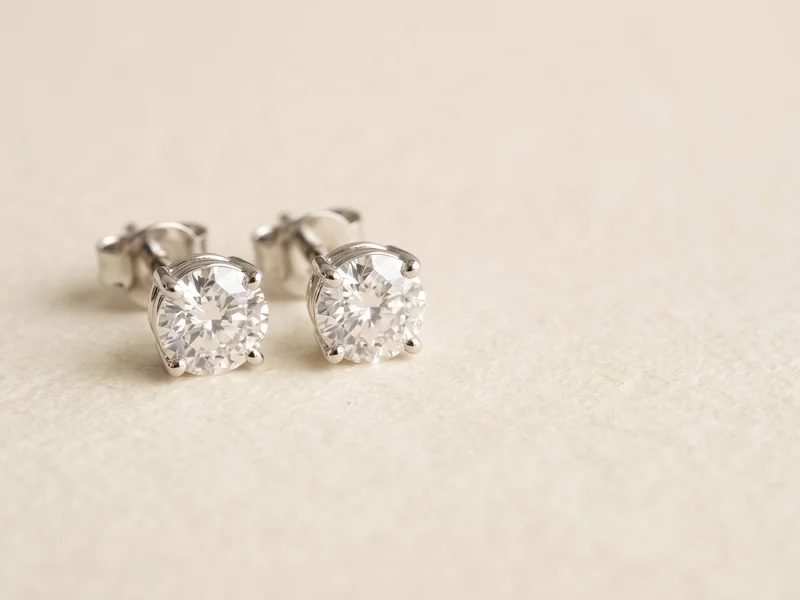
- Diamond Stud Earring Sizes by CaratCompare how different carat weights look as studs to find a size that feels right for everyday wear.
- Earring Back TypesLearn the difference between push, screw and other earring backs, and which offer the most security.
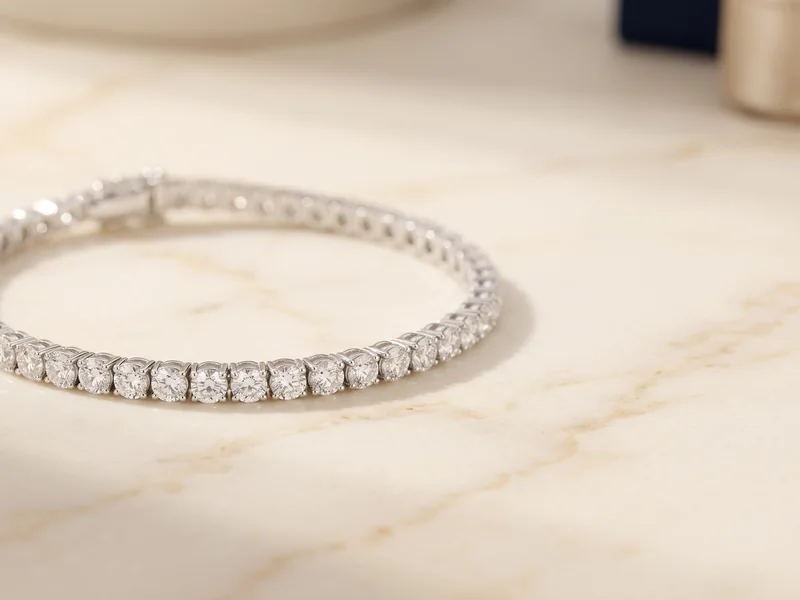
- Bracelet Size GuideMeasure your wrist and pick a bracelet length that fits comfortably without sliding or pinching.
Jewellery Types
Earrings
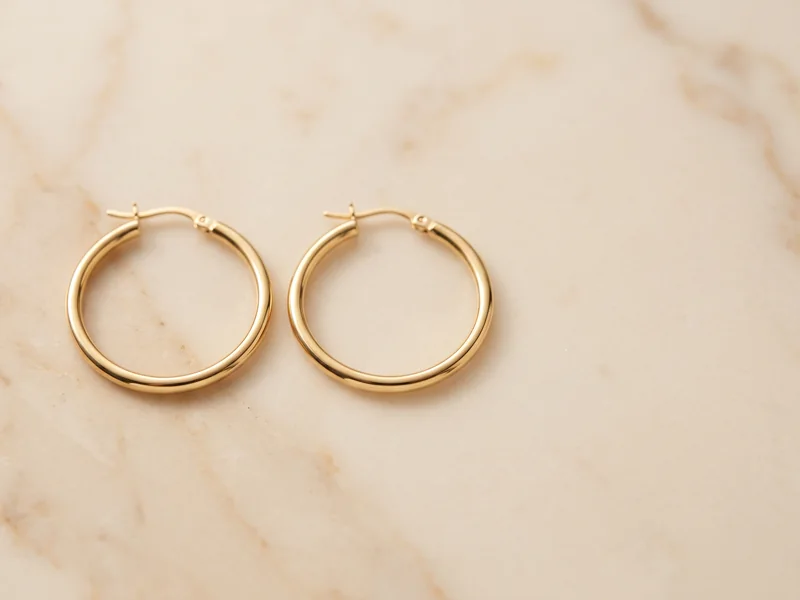
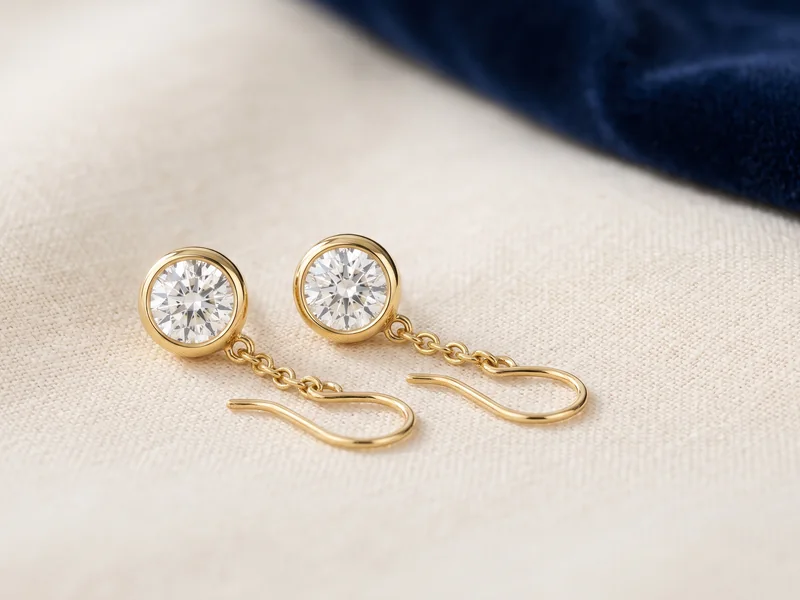
Jewellery Types
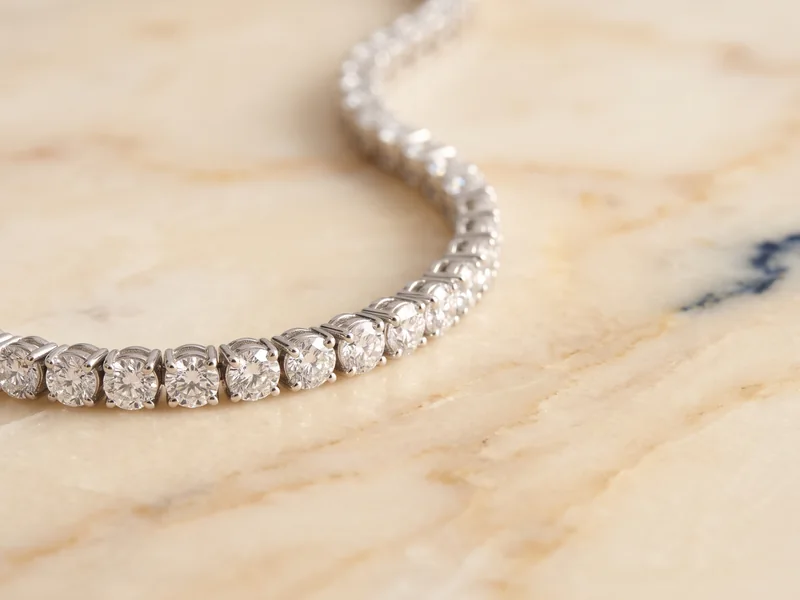
Necklaces, chains and pendants
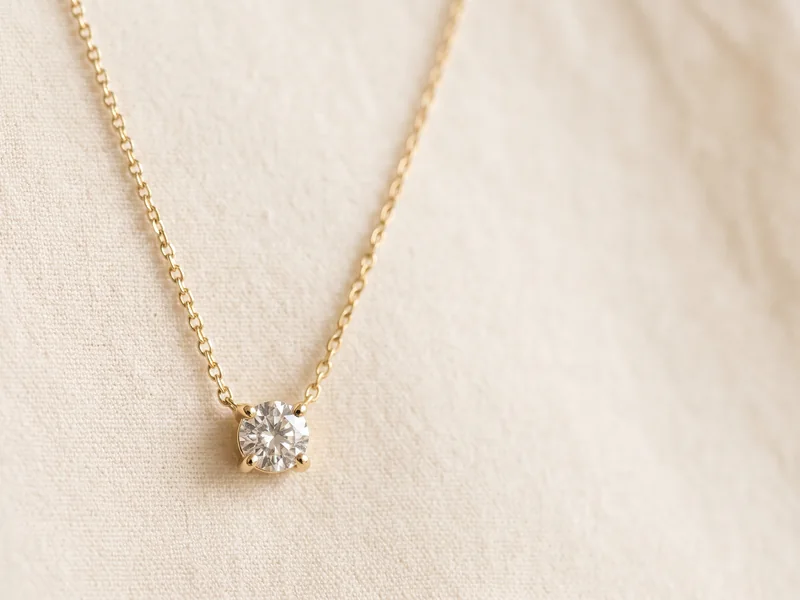
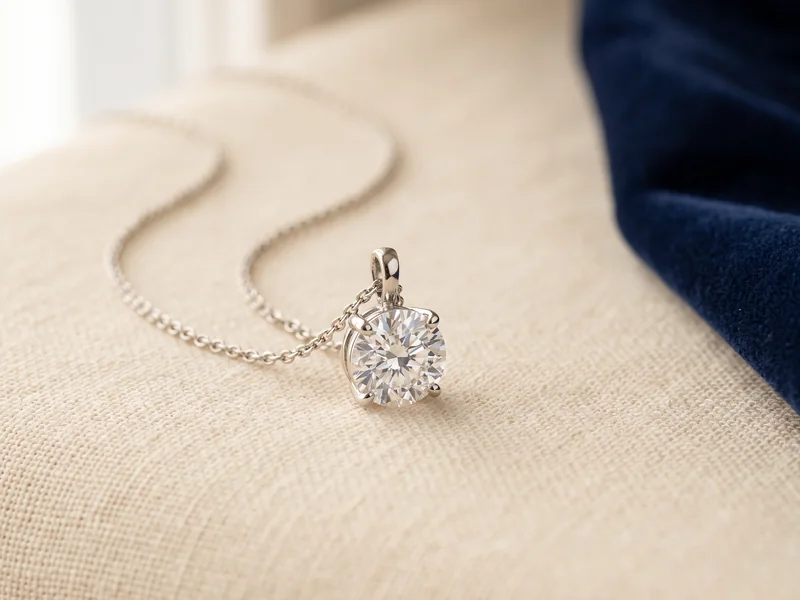
Jewellery Types
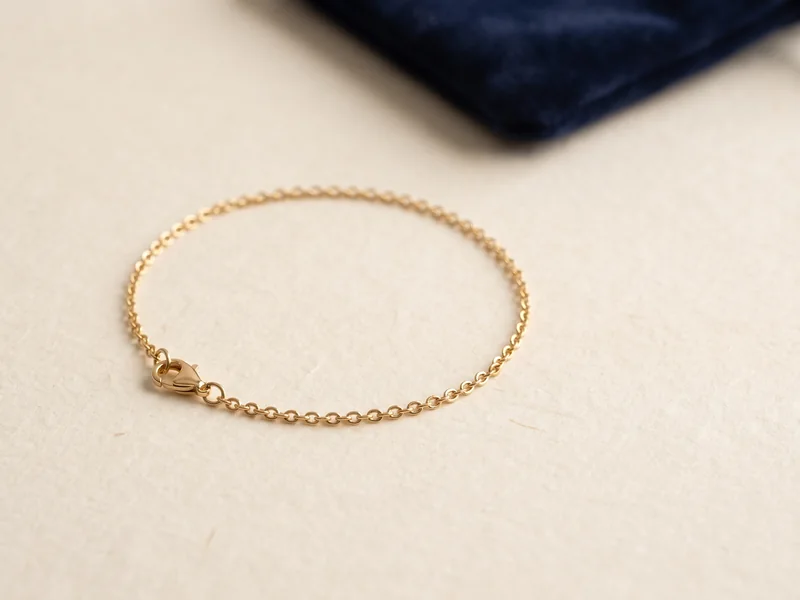
Bracelets
Jewellery Types
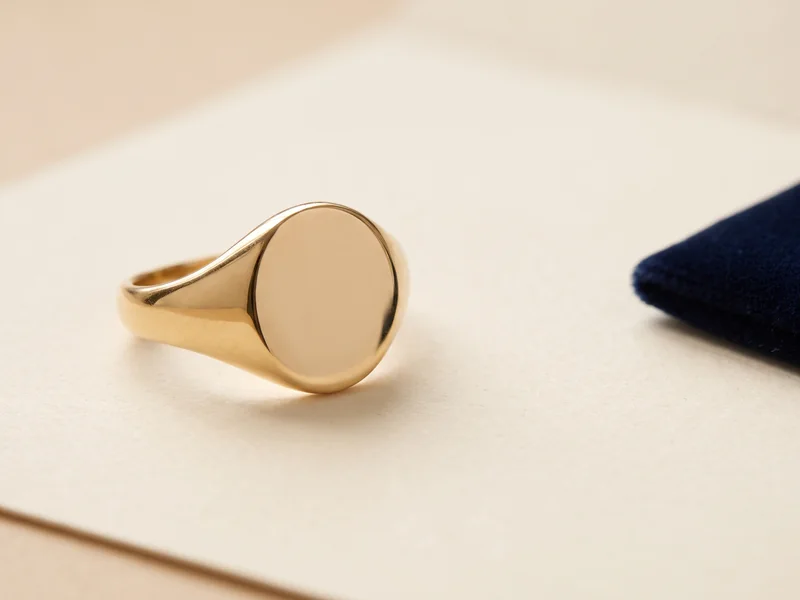
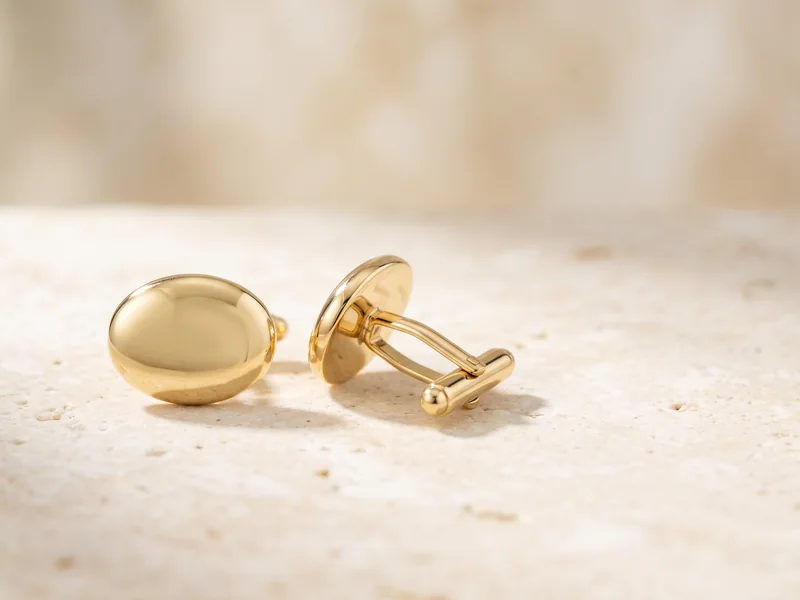
Rings, men's jewellery and gifting
Every guide
All 13 jewellery types guides
Show all 13 guides
- Diamond Stud Earring Sizes by Carat
- Earring Back Types
- Hoop and Huggie Earring Styles
- Drop Earring Settings
- Types of Necklace Chains
- Necklace Length Guide
- Pendant and Solitaire Necklace Settings
- Tennis Necklaces Explained
- Bracelet Size Guide
- Tennis Bracelets Explained
- Signet Rings Explained
- Cufflinks and Men's Jewellery Types
- Anniversary Jewellery Traditions by Year

Ask a gemologist
Talk it through with a gemologist
Raj Sood is a Graduate Gemologist (GIA) and master jeweller. Bring the stones you are considering, or send the reports, and he will explain the differences in plain language.
FAQ
Jewellery Types questions
What are the main types of jewellery?
The main types are earrings, necklaces and pendants, bracelets and rings, along with accessories such as cufflinks and brooches. Each has its own settings, sizing conventions and care needs.
What necklace length is most common?
Around 45 cm is a popular length for women's pendants because it sits just below the collarbone. Men's chains are often worn a little longer, around 50 to 55 cm.
What size diamond studs should I choose?
Many people find a total weight of around 0.50 to 1.00 carat suits everyday wear, but it depends on earlobe size and personal style. Our stud size guide shows how each weight looks on the ear.
Which earring backs are the most secure?
Screw backs and locking backs are generally the most secure, which is why they're often recommended for valuable studs. Standard push backs are comfortable and easy to use but can loosen over time.
How should a tennis bracelet fit?
A tennis bracelet should sit with a little movement, usually allowing about a finger's width between the bracelet and the wrist. Too tight and it's uncomfortable, too loose and it can catch or slip.
What is a signet ring?
A signet ring has a flat face, traditionally engraved with a family crest or initials that were once pressed into wax seals. Today they're worn as personal or heirloom pieces by people of all genders.