
- Education
- Gemstones
Gemstone education
Coloured Gemstones, Birthstones and Custom Gemstone Jewellery
Plain-English guides to how coloured gemstones are formed, graded, treated and worn, so you can choose a stone that suits both your taste and your everyday life.
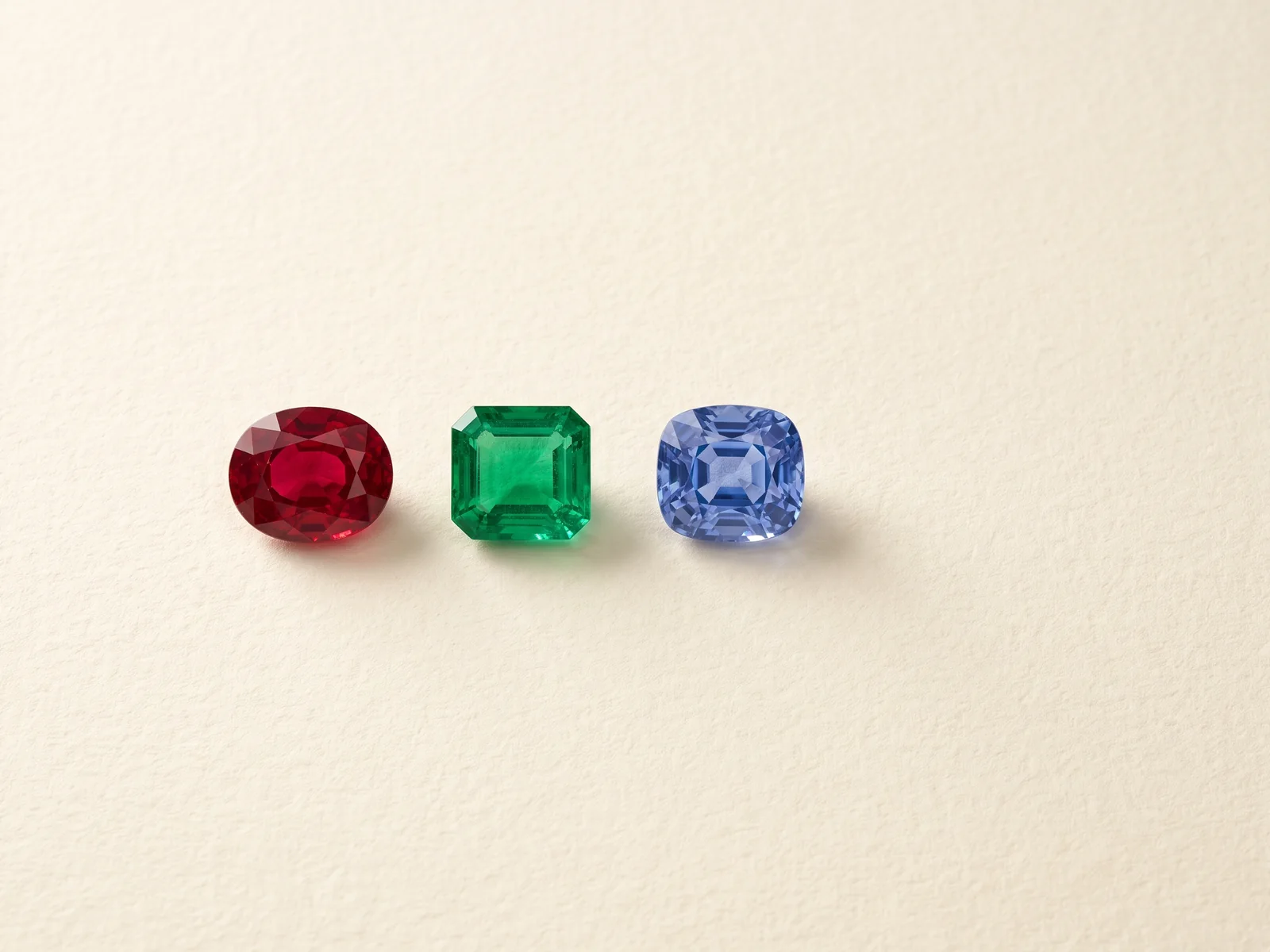
Coloured gemstones vary far more than diamonds do. Two stones of the same colour can differ in hardness, toughness, treatment and origin, and those differences affect how a piece wears over decades. Our guide to gemstone properties explains the core science, from hardness and refractive index to specific gravity, and is the best place to begin.
From there, the guides branch out. Quality guides cover colour grading, clarity and carat weight. Treatment and origin guides explain heating, fracture filling, lab-grown stones and simulants. Individual gemstone guides look at sapphire, ruby, emerald, garnet, tourmaline, Australian opal and many less familiar stones, while the birthstone guides work through every month.
If you are planning a ring or custom piece, the engagement ring and setting guides connect gemstone choice to practical design, including durability for daily wear. These guides are written by the GemTrove team, established in 2008 and led by Raj Sood, a GIA Graduate Gemologist.
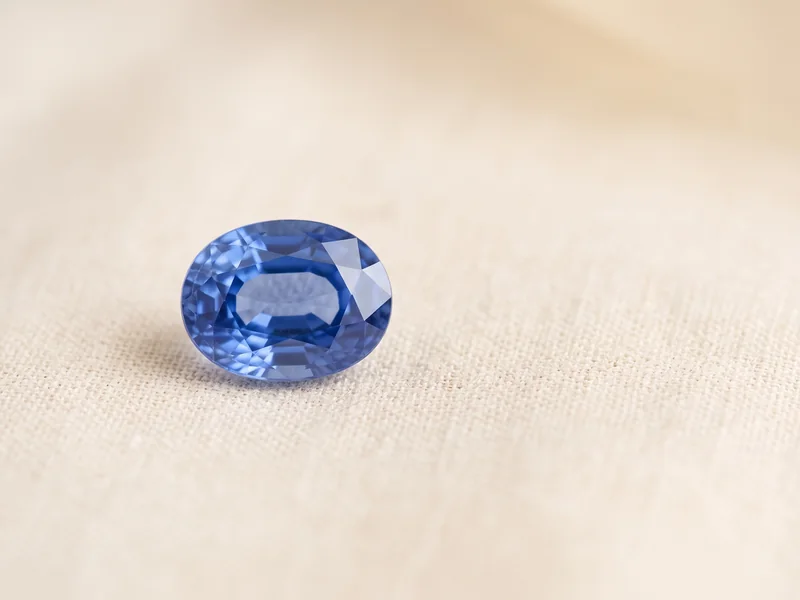
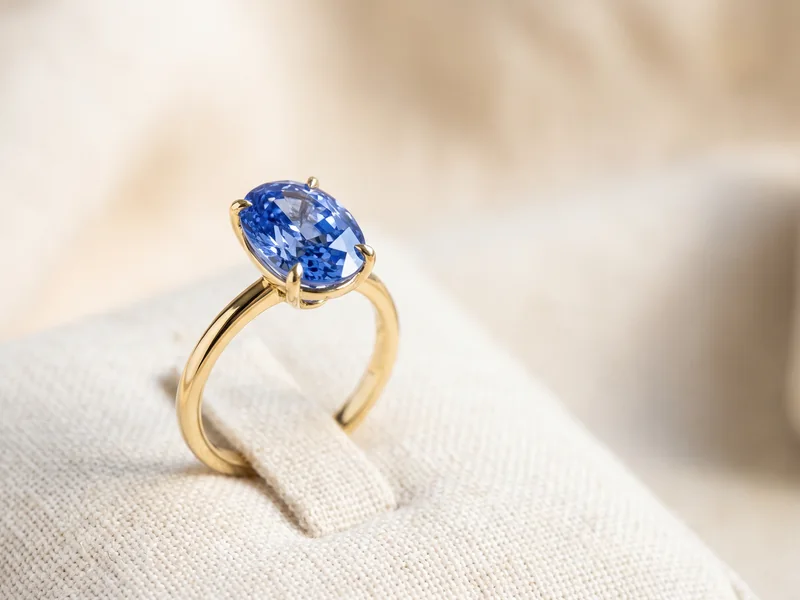
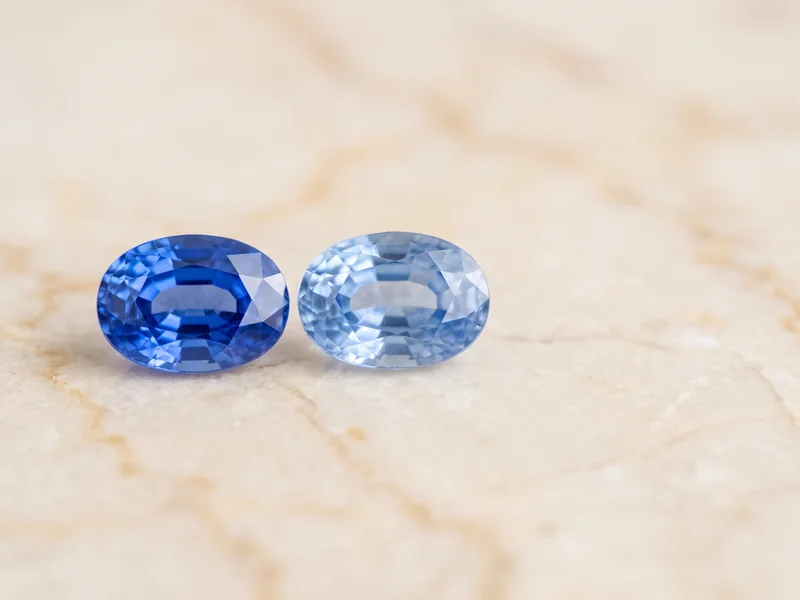
Start here
A simple path through the basics
- Gemstone Properties: Hardness, RI, SG, Durability and Jewellery UseStart with the basic science of hardness, refractive index, specific gravity and durability that sits behind every gemstone.
- Gemstone Durability for Everyday RingsLearn which gemstones handle daily knocks and which are better suited to occasional wear.
- Gemstone Colour Grading: Hue, Tone, SaturationUnderstand how hue, tone and saturation shape the look and value of a coloured stone.
- Treated vs Untreated GemstonesSee why most coloured gemstones are treated and what disclosure you should expect when buying.
- Natural vs Synthetic vs Simulant GemstonesClarify the difference between natural, lab-grown and imitation stones before comparing prices.
Gemstones
Gemstone science, quality and care
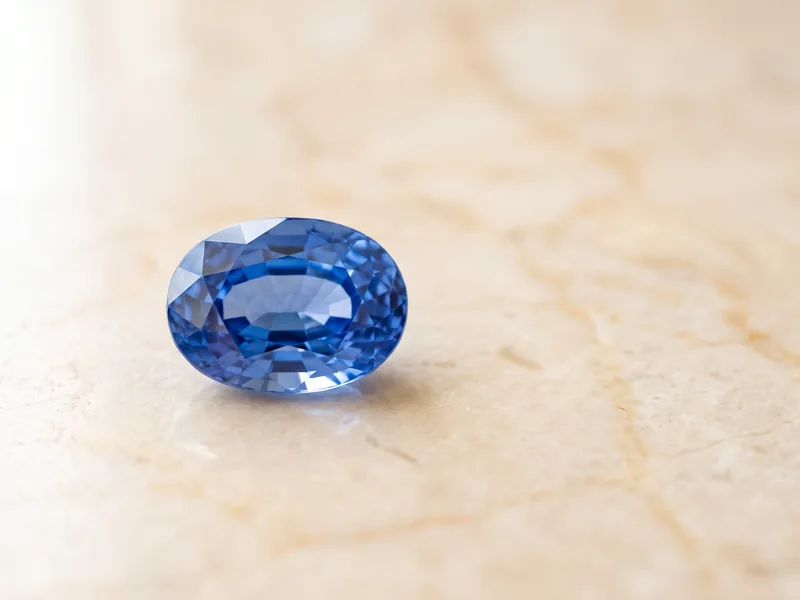 GemstonesGemstone Hardness Guide
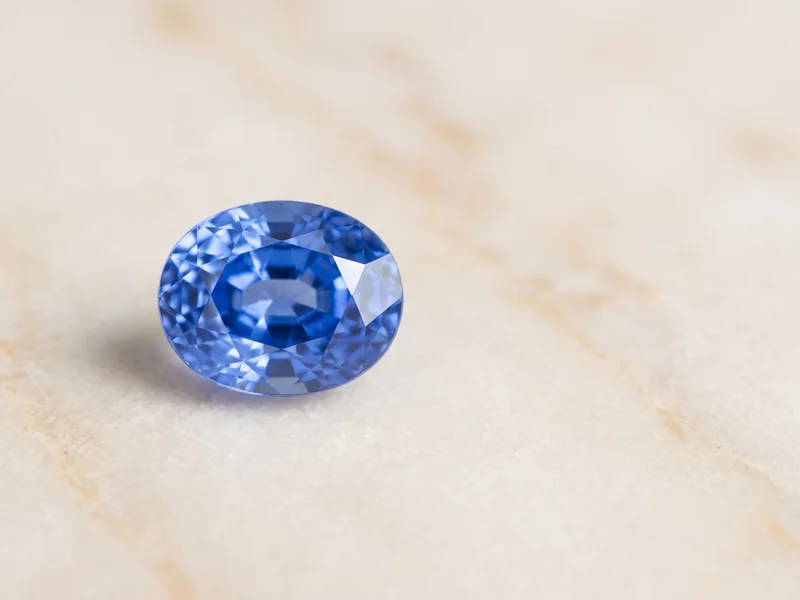 GemstonesGemstone Durability for Everyday Rings
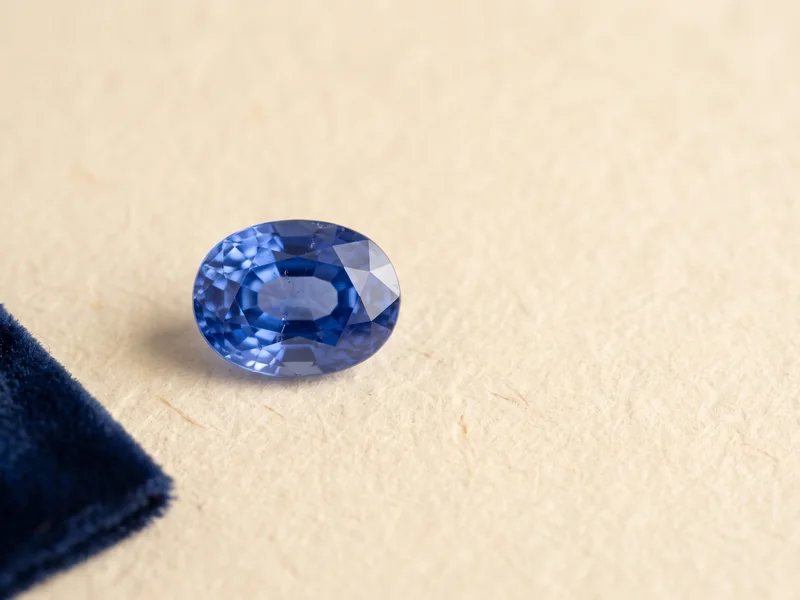 GemstonesGemstone Colour Grading: Hue, Tone, Saturation
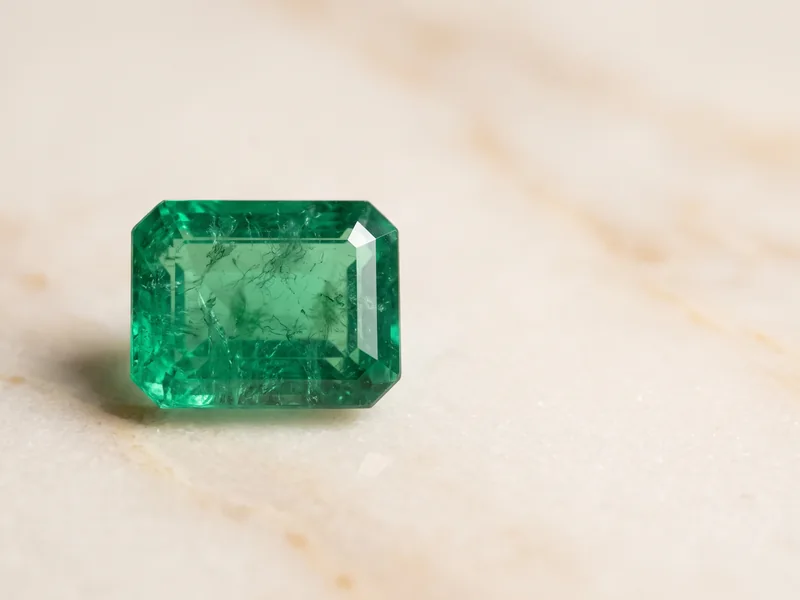 GemstonesGemstone Clarity Types I, II and III
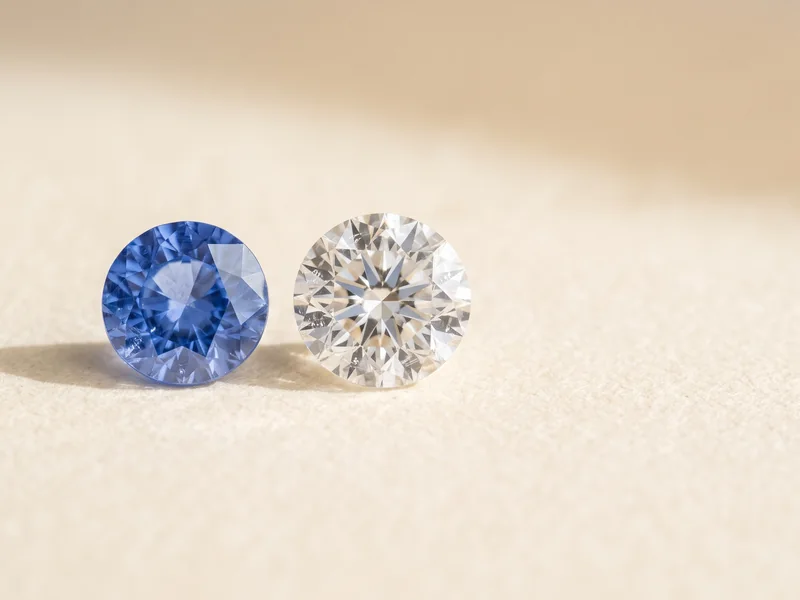 GemstonesGemstone Carat vs Size (Density)
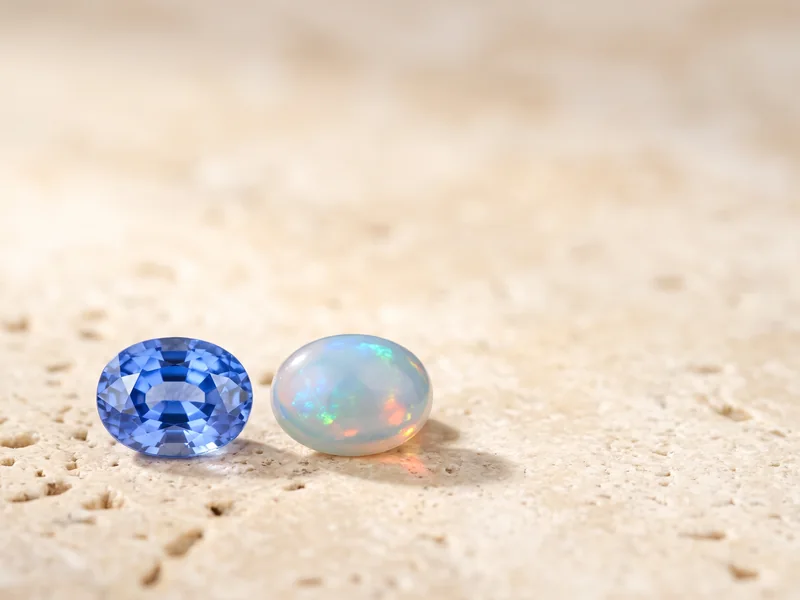 GemstonesGemstone Cuts: Cabochon, Faceted and Carved
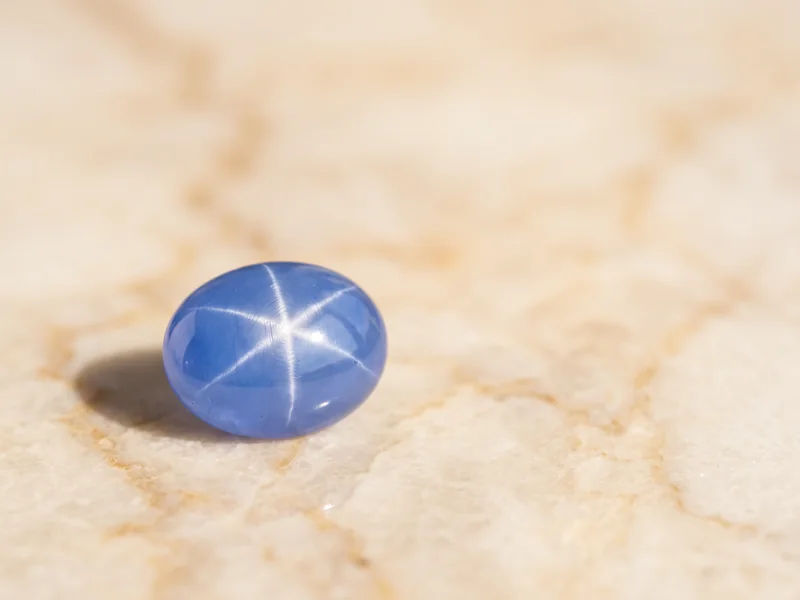 GemstonesOptical Phenomena in GemstonesGemstonesChemical Composition of Diamonds, Sapphires, Rubies, Emeralds, Opals and Other Gemstones
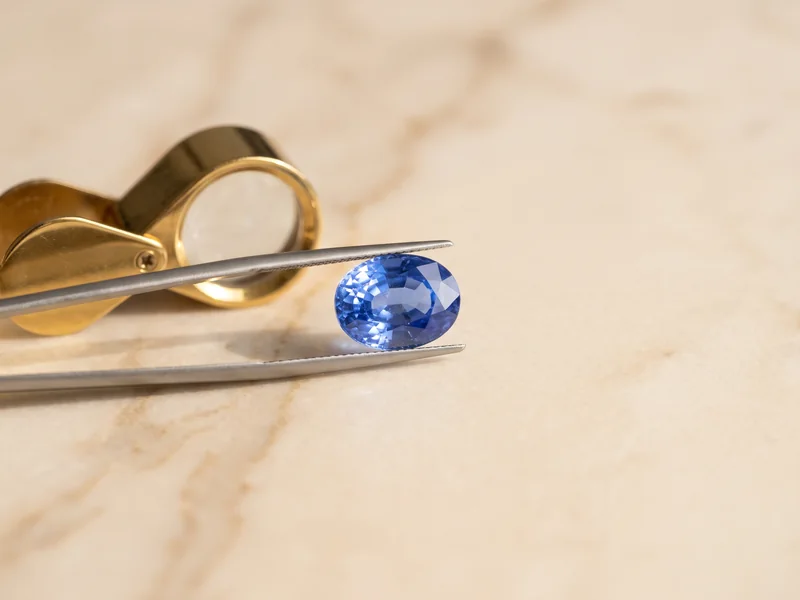 GemstonesGemstone Identification Scientific Guide
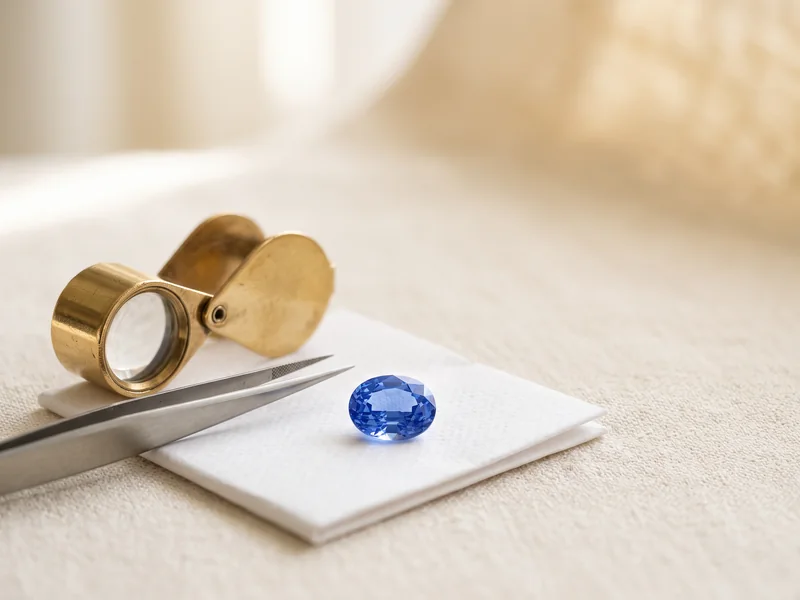 GemstonesGemological Instruments
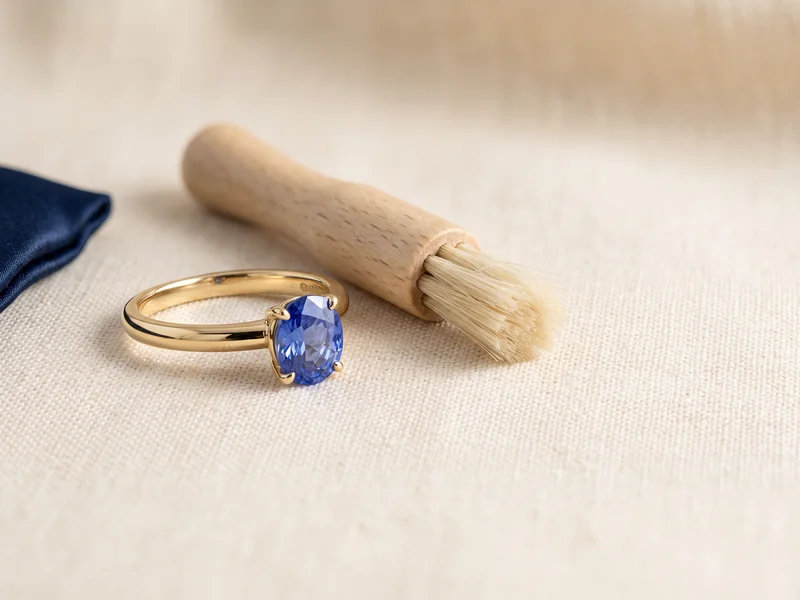 GemstonesGemstone Care by Stone
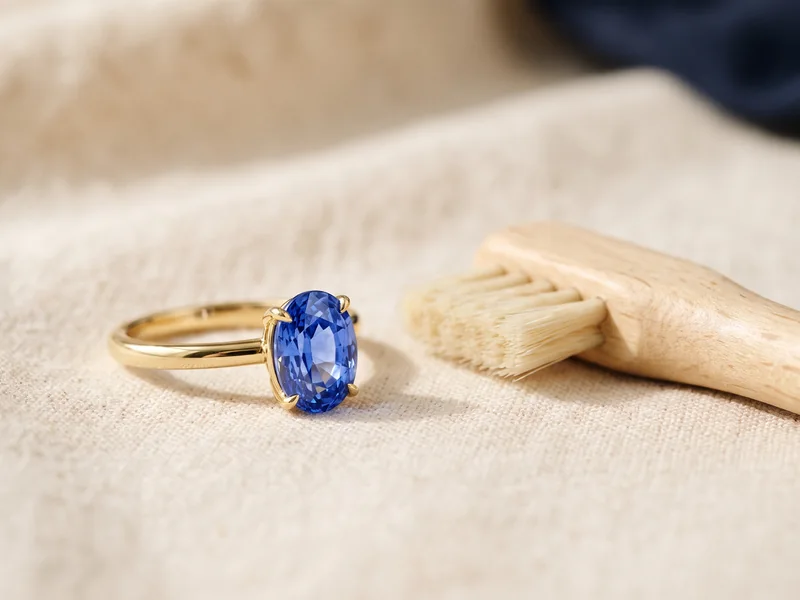 GemstonesCan Every Gemstone Go in an Ultrasonic Cleaner?
Gemstones
Treatments, origin and lab-grown stones
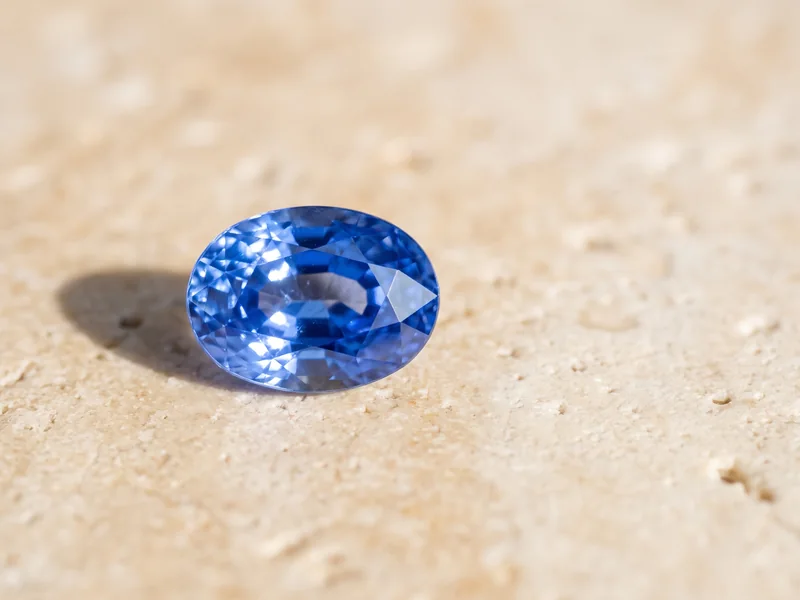 GemstonesGemstone Treatments A to Z
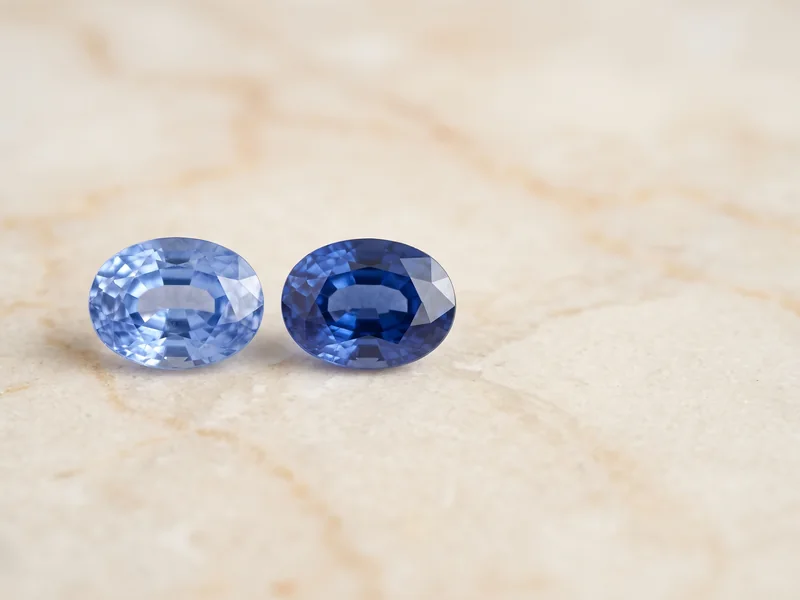 GemstonesHeated vs Unheated Gemstones
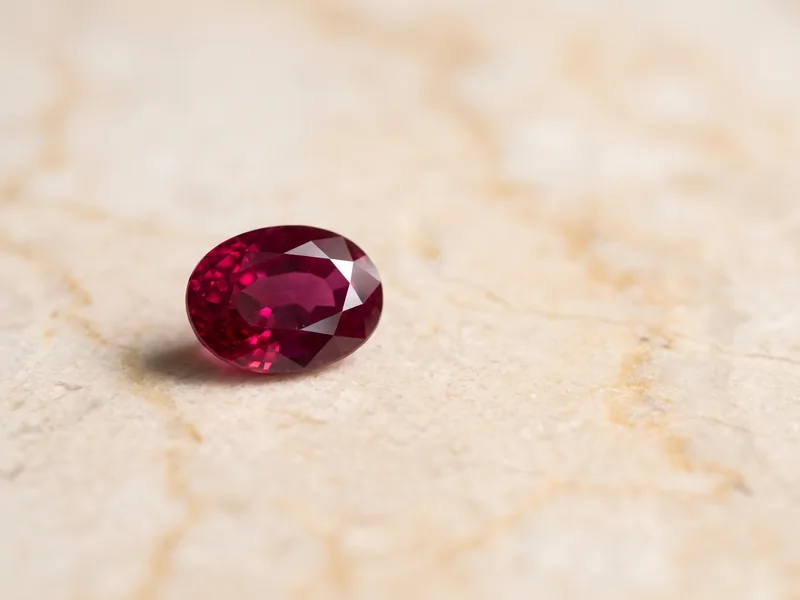 GemstonesGlass Filling and Fracture Filling Explained
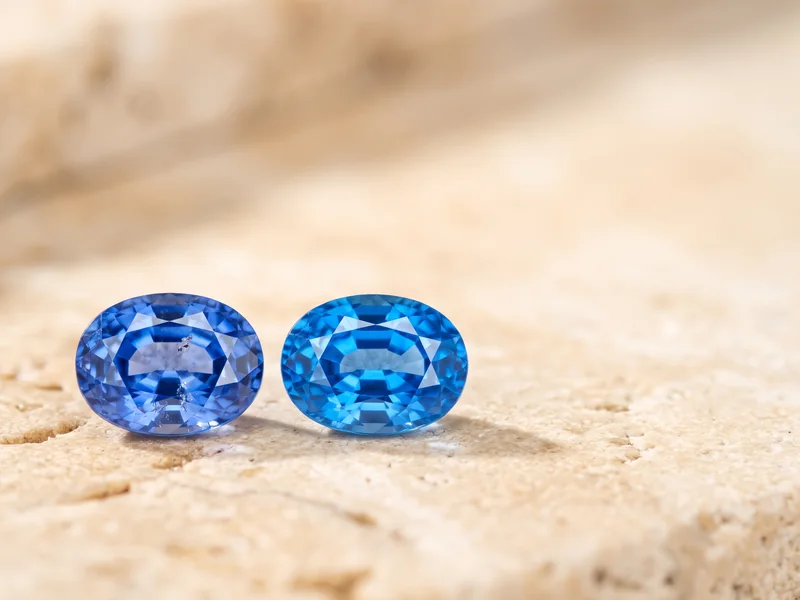 GemstonesNatural vs Synthetic vs Simulant Gemstones
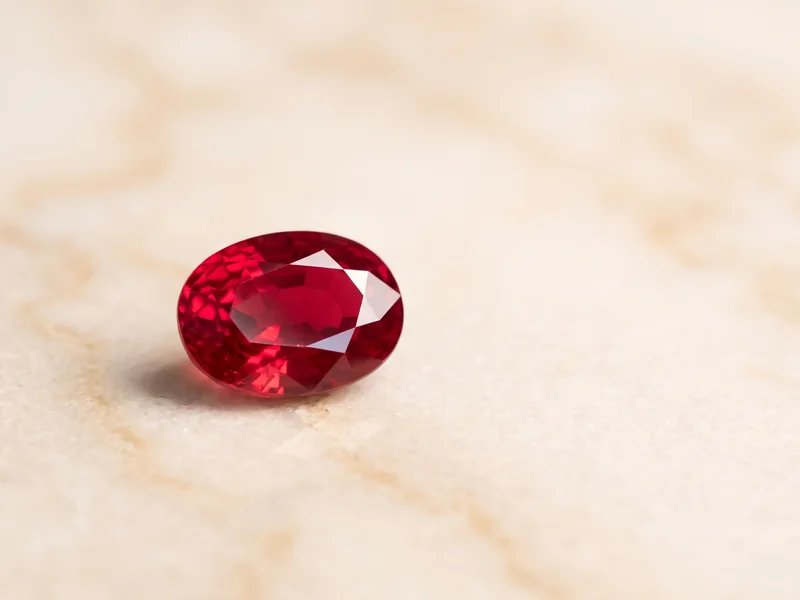 GemstonesMan-Made Gemstones
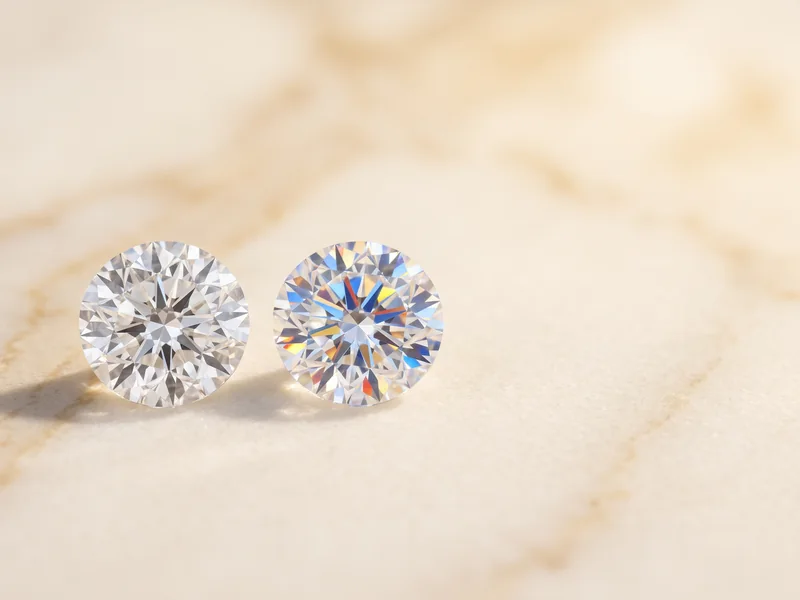 GemstonesDiamond Simulants: CZ, YAG, GGG and Glass
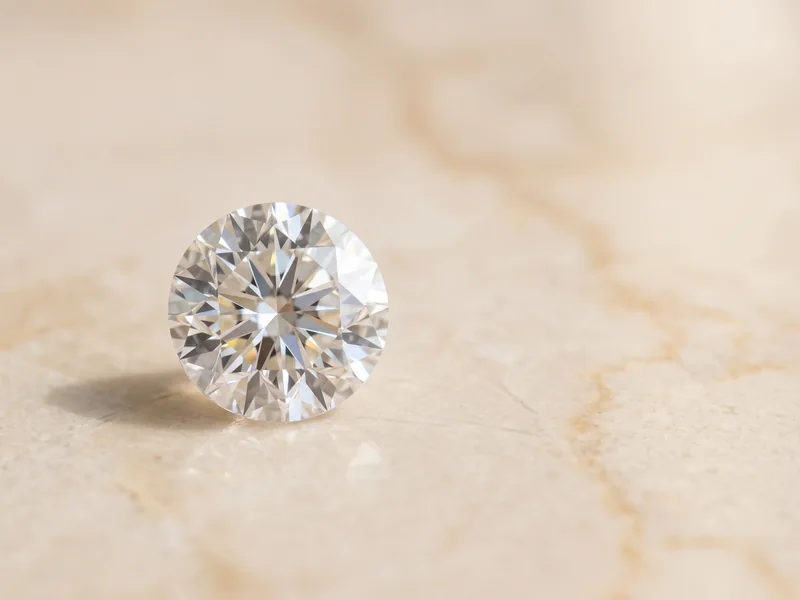 GemstonesMoissanite as a Gemstone
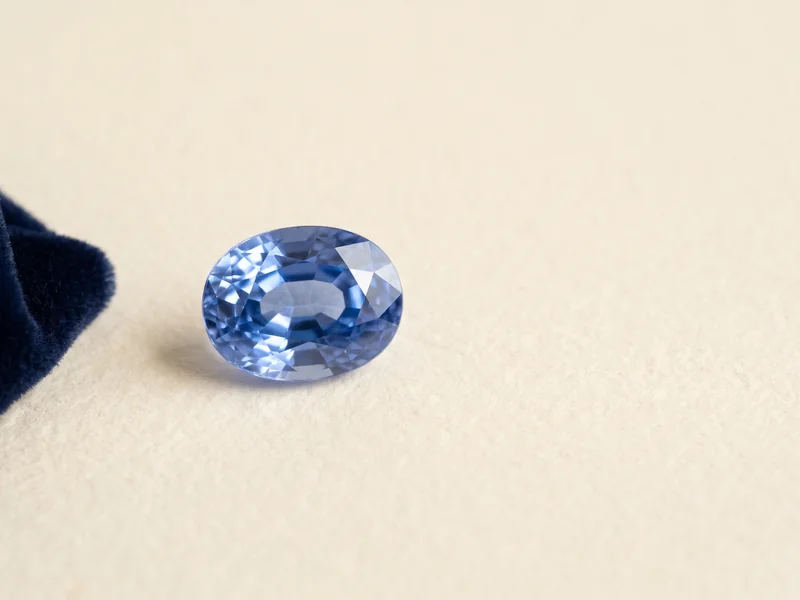 GemstonesGemstone Origins: Ceylon, Burma, Kashmir, Madagascar, Mozambique
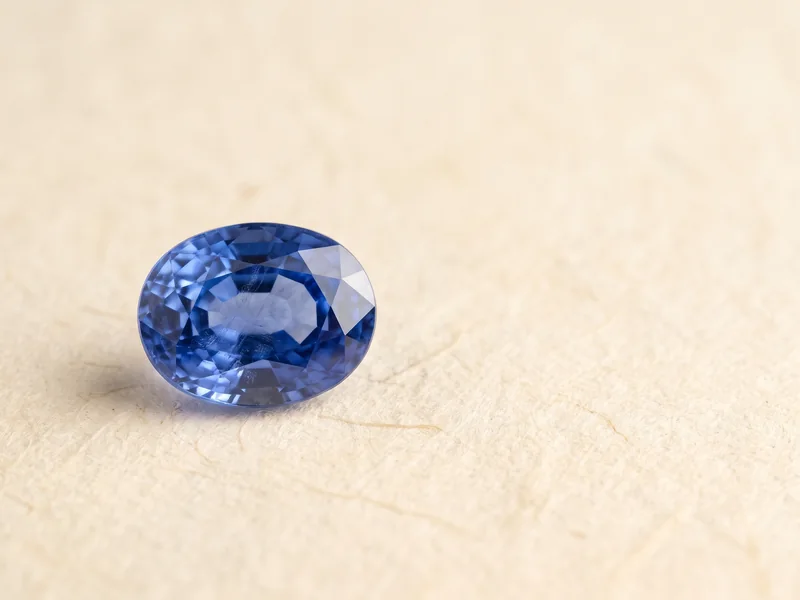 GemstonesHow Gemstone Origin Is Determined
Gemstones
Ruby and sapphire
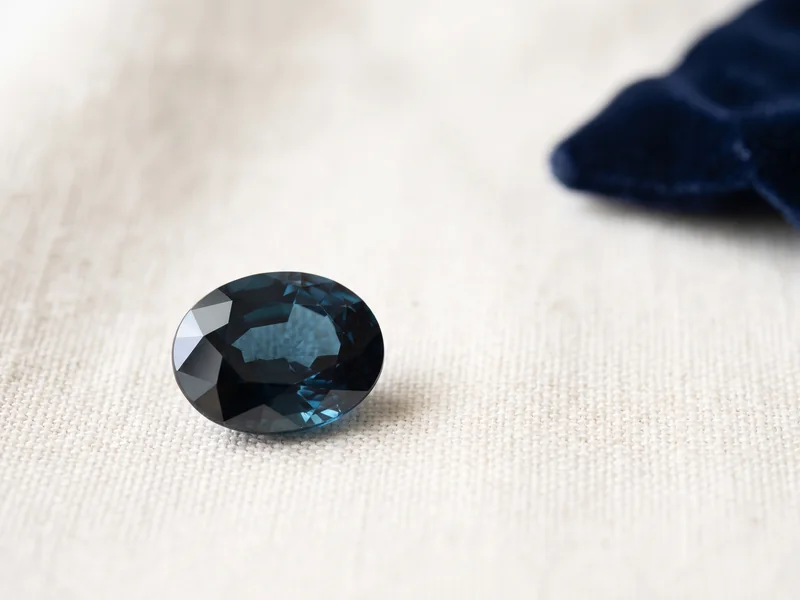 GemstonesSapphire Gemstones
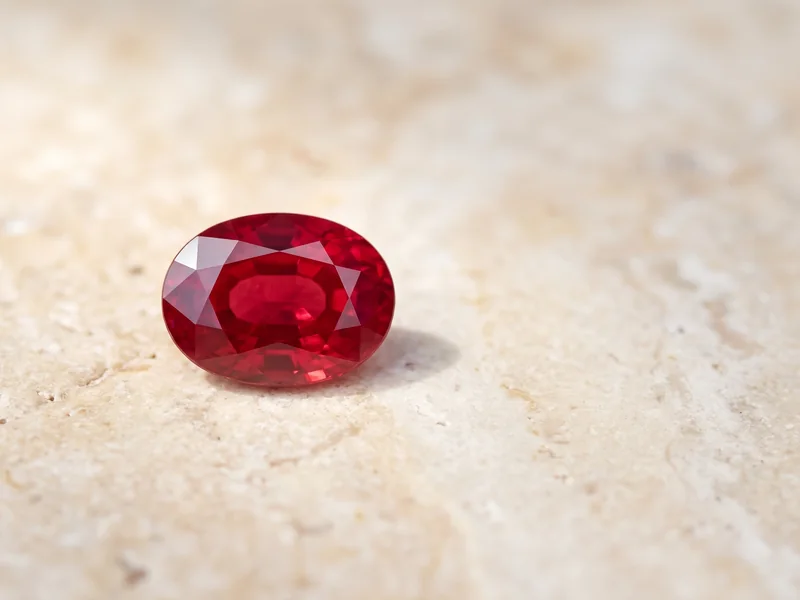 GemstonesRuby Gemstones MelbourneGemstonesHow to Judge Blue Sapphire QualityGemstonesHow to Judge Ruby QualityGemstonesCeylon Sapphire: What Does Sri Lankan Origin Mean?
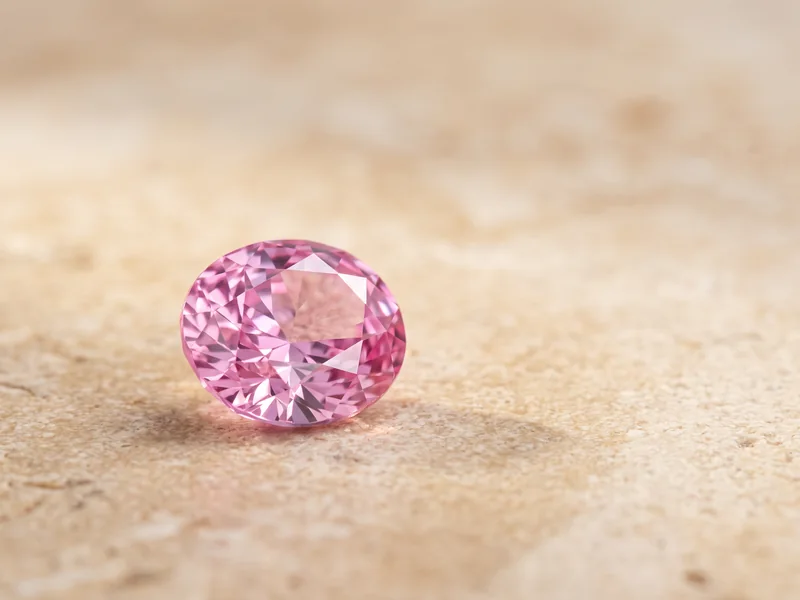 GemstonesPink Sapphire
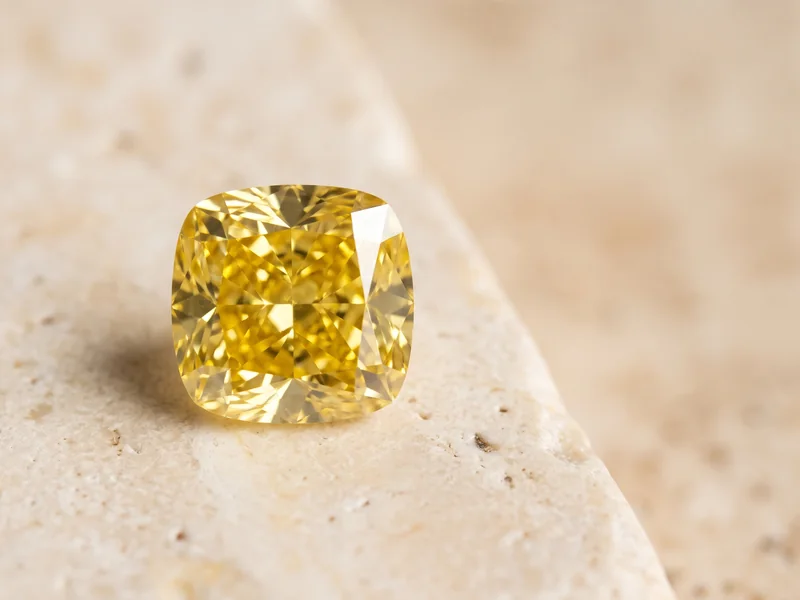 GemstonesYellow Sapphire
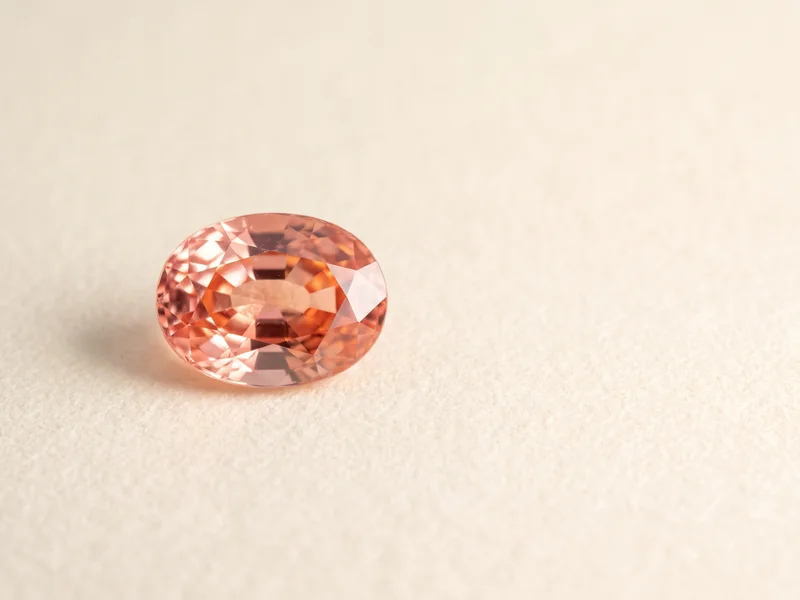 GemstonesPadparadscha Sapphire
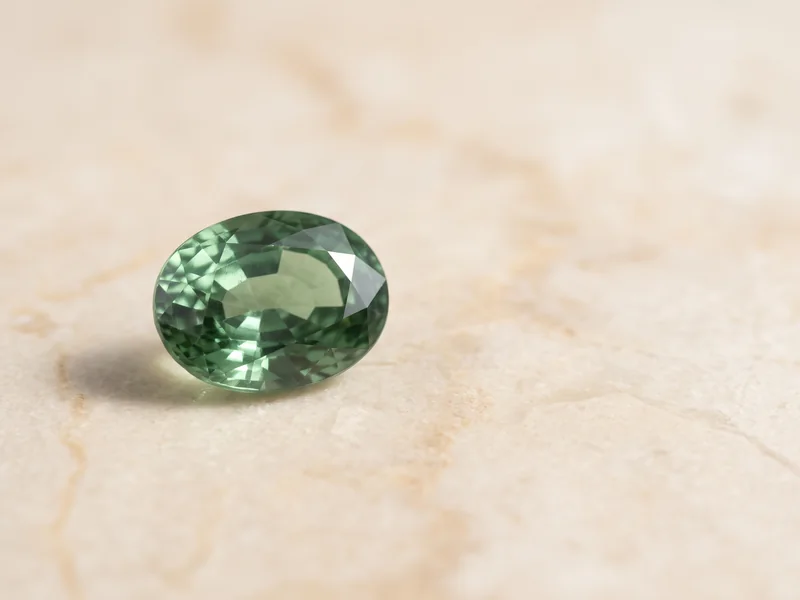 GemstonesGreen Sapphire
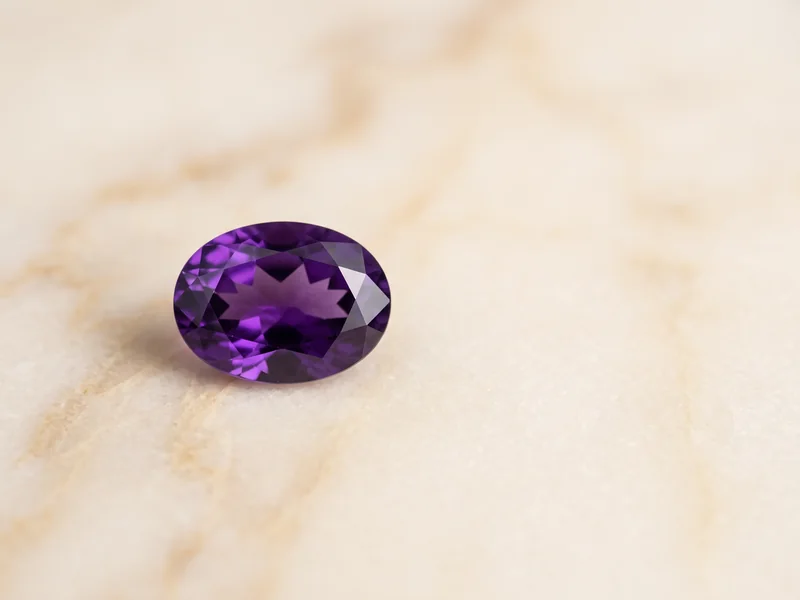 GemstonesPurple Sapphire
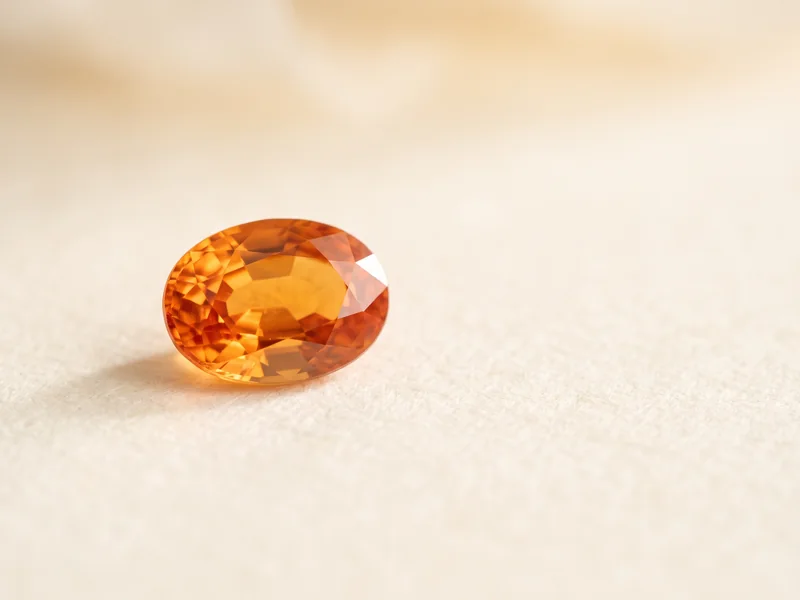 GemstonesOrange SapphireGemstonesWhite Sapphire
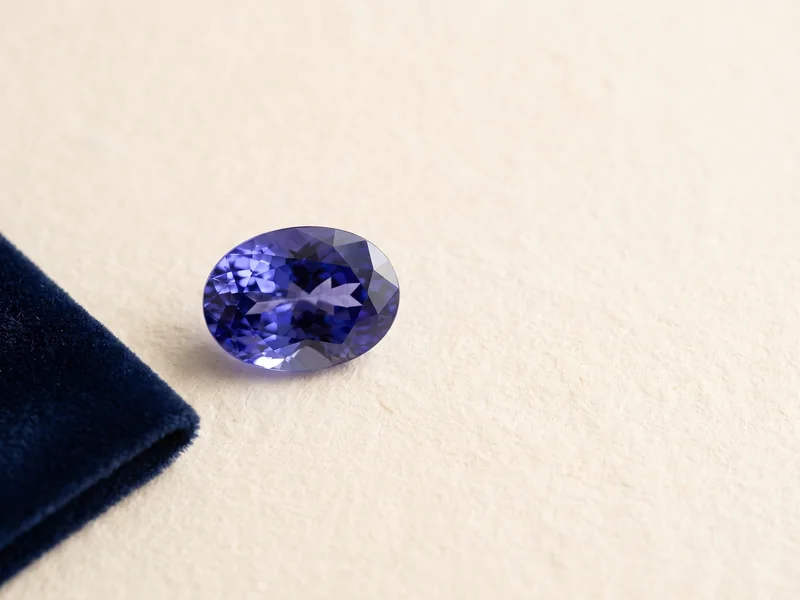 GemstonesColour-Change SapphireGemstonesStar Sapphire and Star Ruby
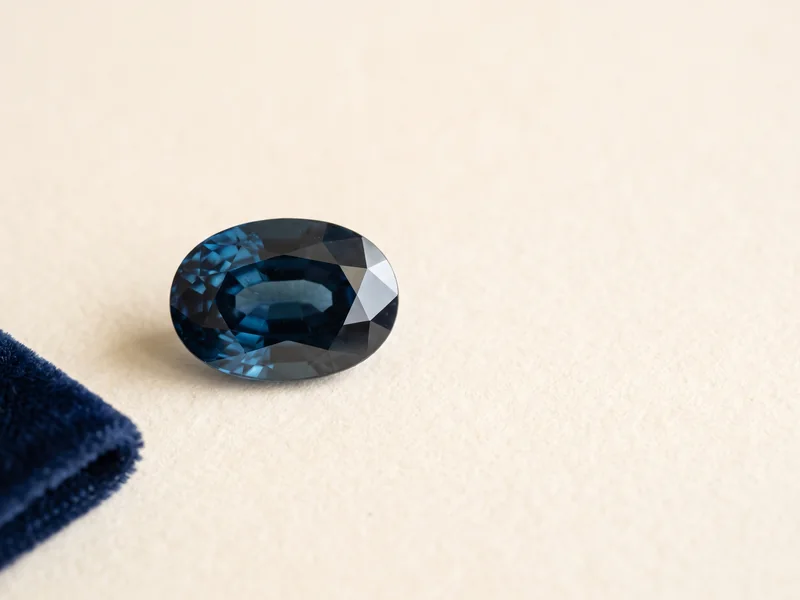 GemstonesAustralian Sapphire Fields: Inverell, Anakie and the Lava PlainsGemstonesRuby vs Diamond
Gemstones
Emerald, garnet, tourmaline and other coloured gems
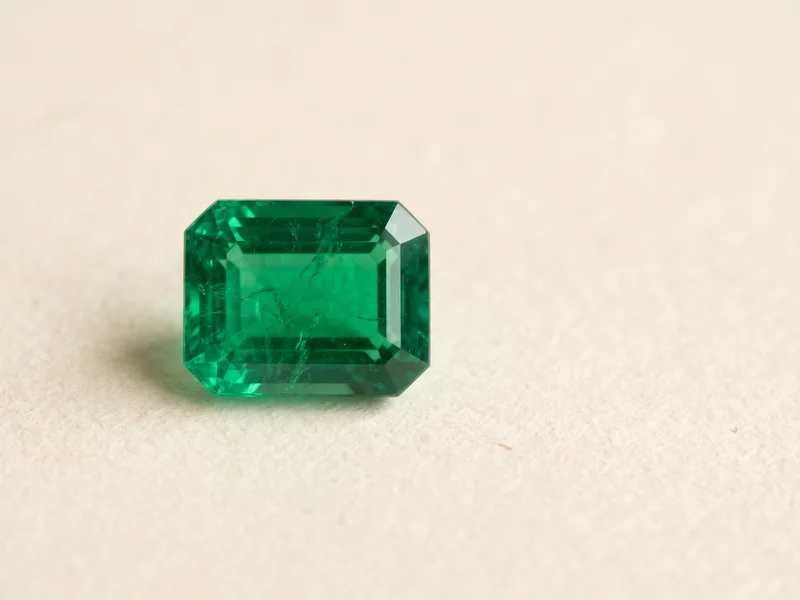 GemstonesEmerald GemstoneGemstonesEmerald vs Diamond
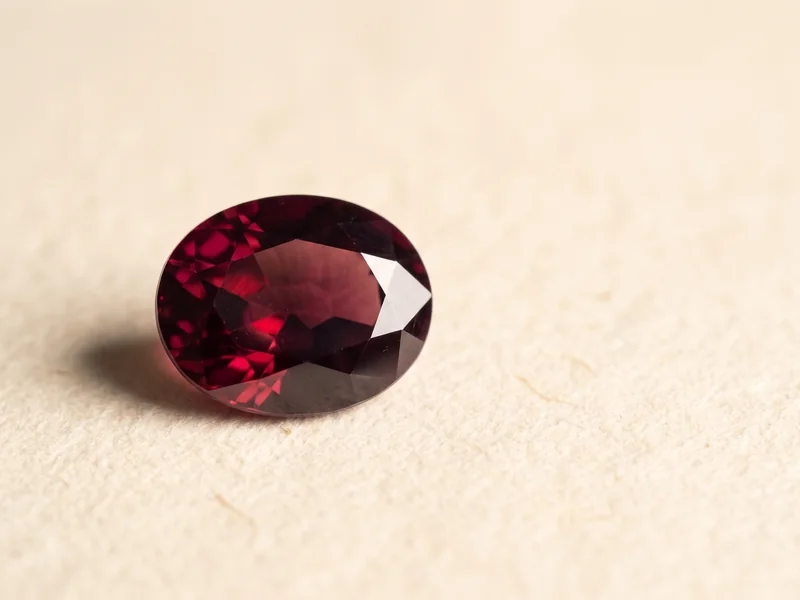 GemstonesNatural Garnet Gemstones and Custom Garnet Jewellery
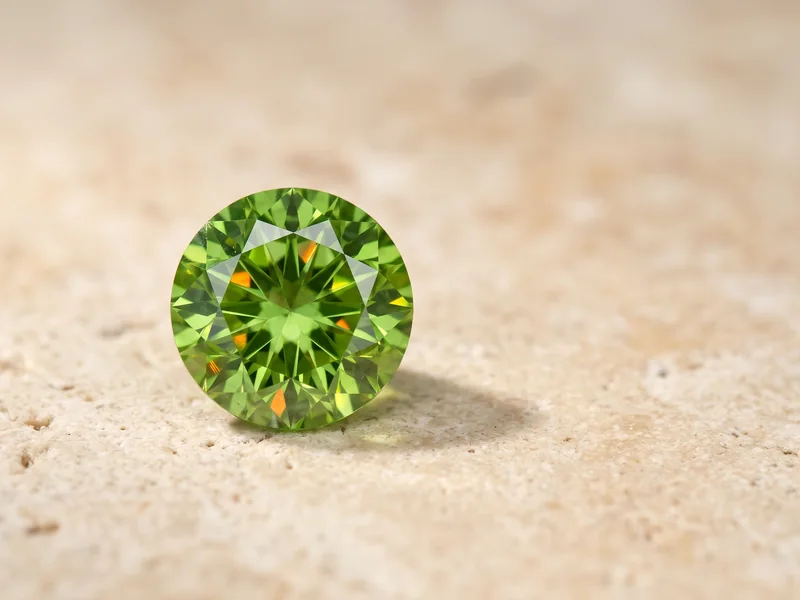 GemstonesTsavorite GarnetGemstonesDemantoid GarnetGemstonesRhodolite Garnet
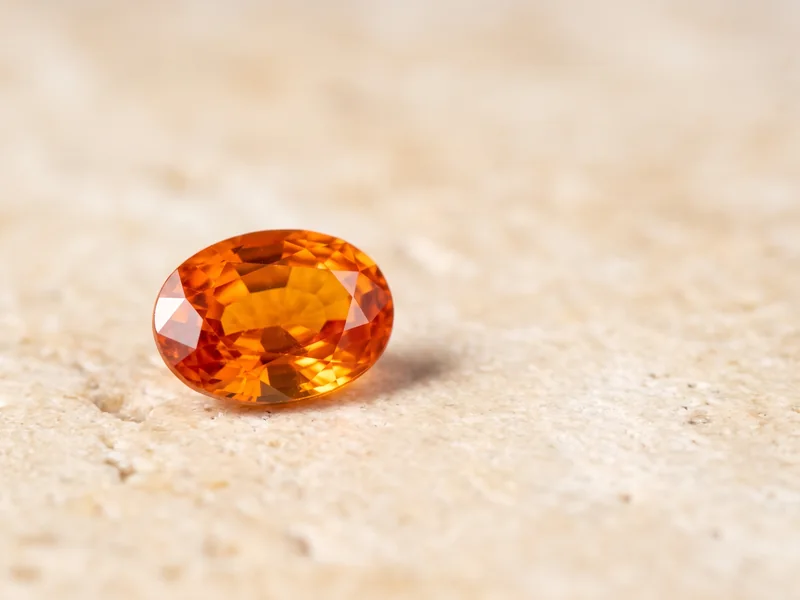 GemstonesSpessartine GarnetGemstonesHessonite GarnetGemstonesSpinel
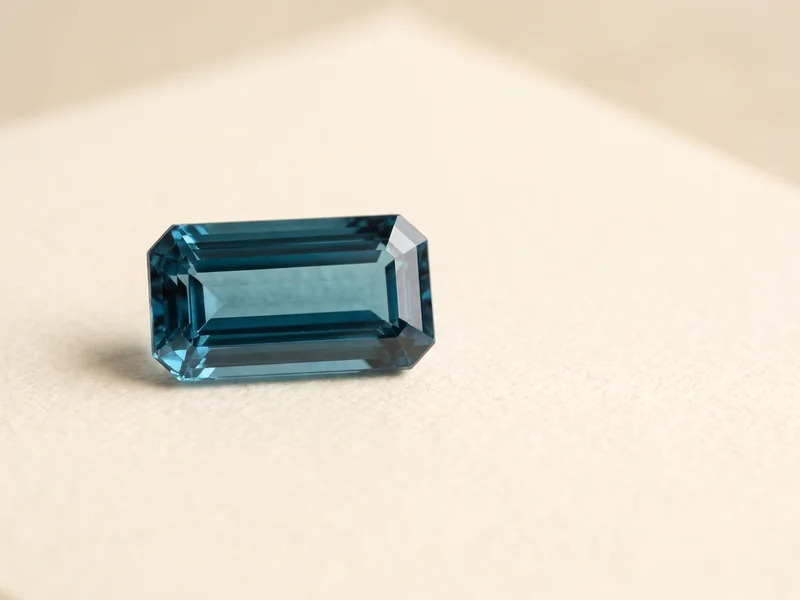 GemstonesTourmaline
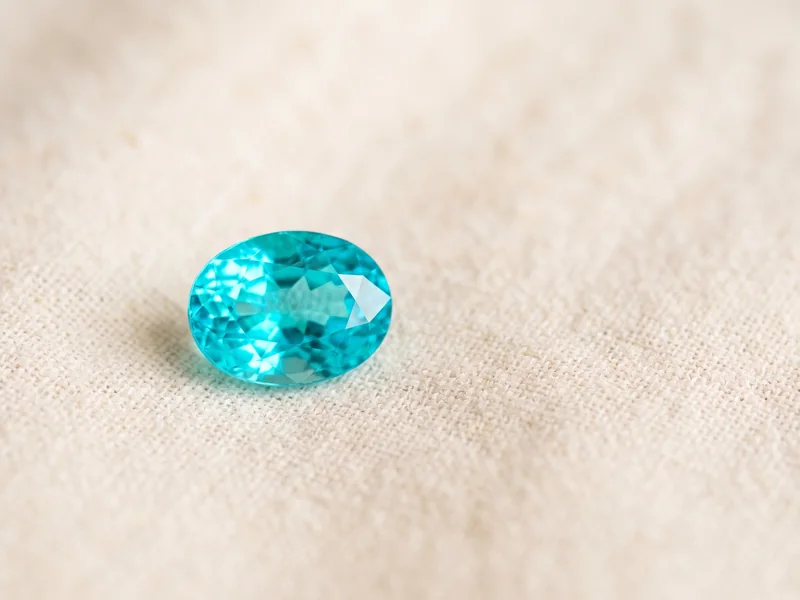 GemstonesParaíba TourmalineGemstonesRubellite TourmalineGemstonesIndicolite Tourmaline
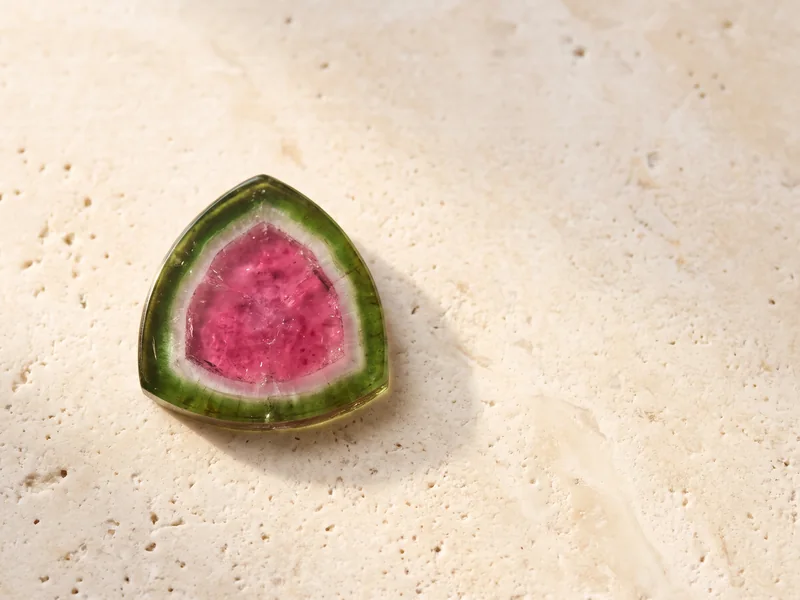 GemstonesWatermelon TourmalineGemstonesTanzanite
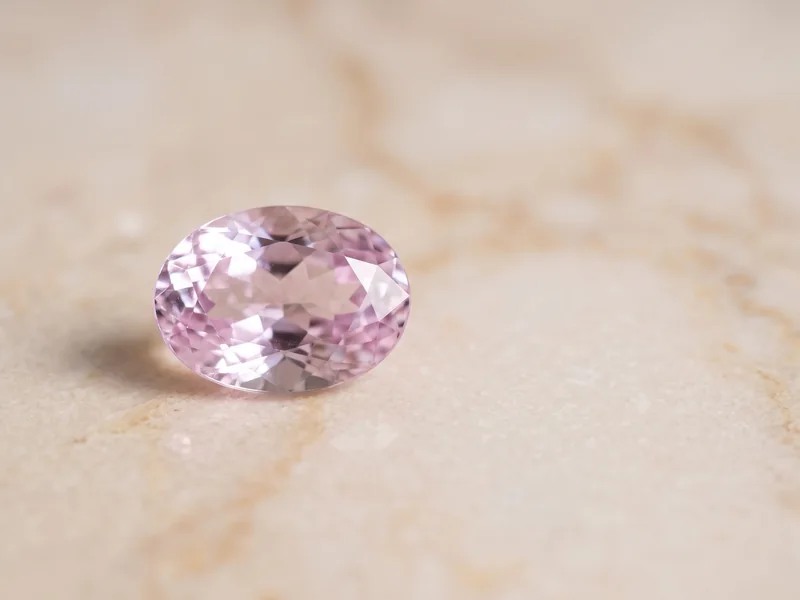 GemstonesMorganiteGemstonesMorganite vs Pink Sapphire
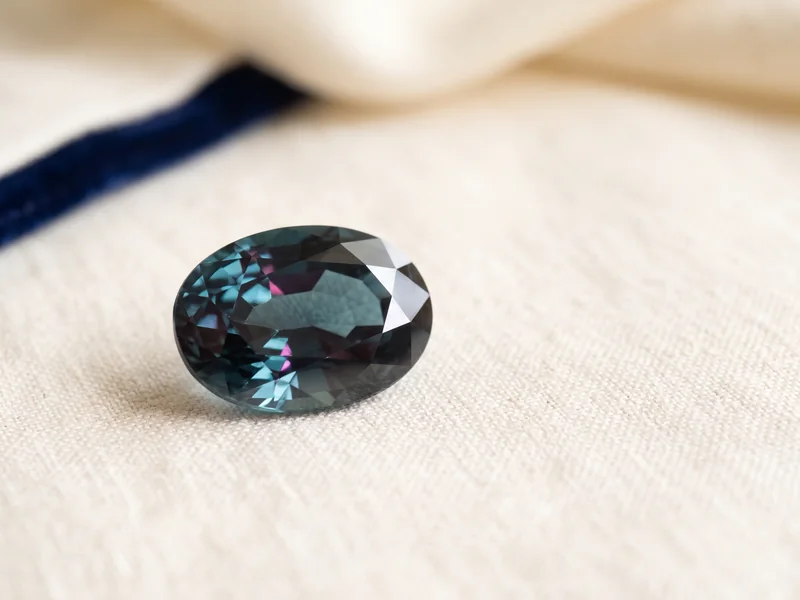 GemstonesAlexandrite: Understanding the Colour-Change Effect
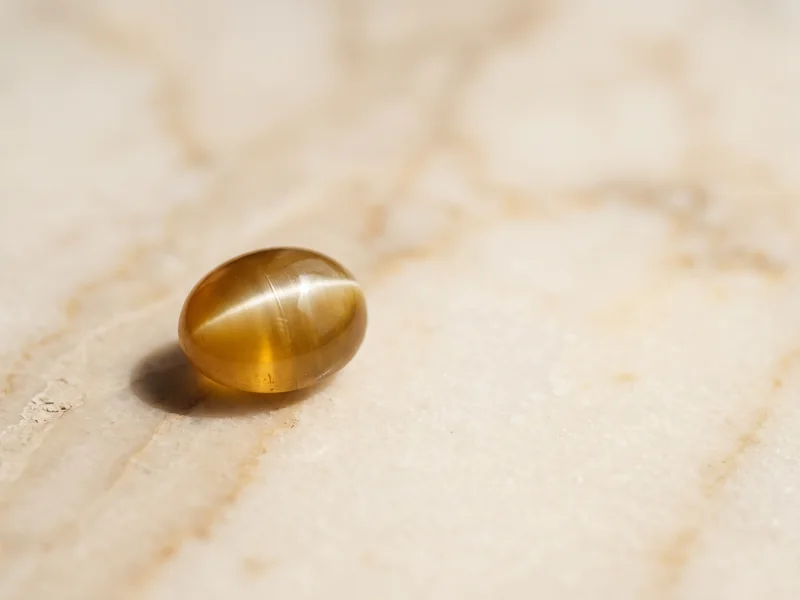 GemstonesChrysoberyl and Cat's-Eye
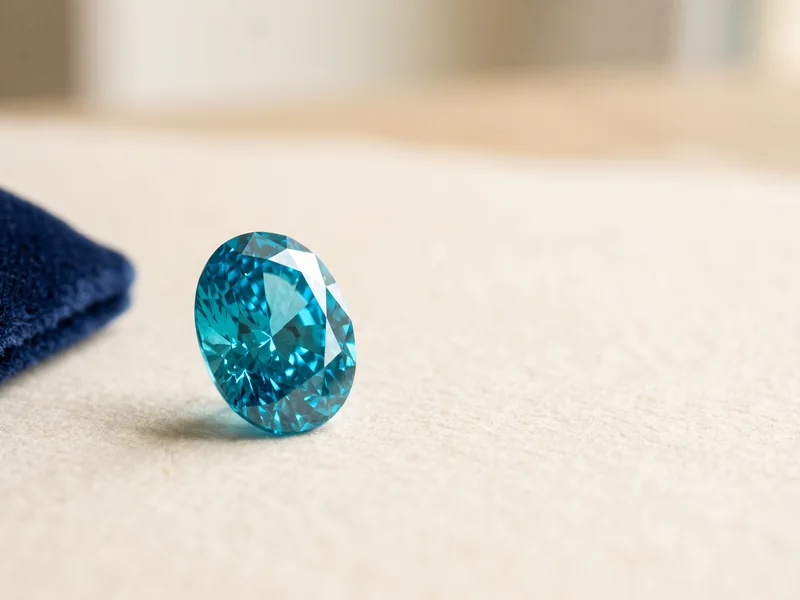 GemstonesZircon
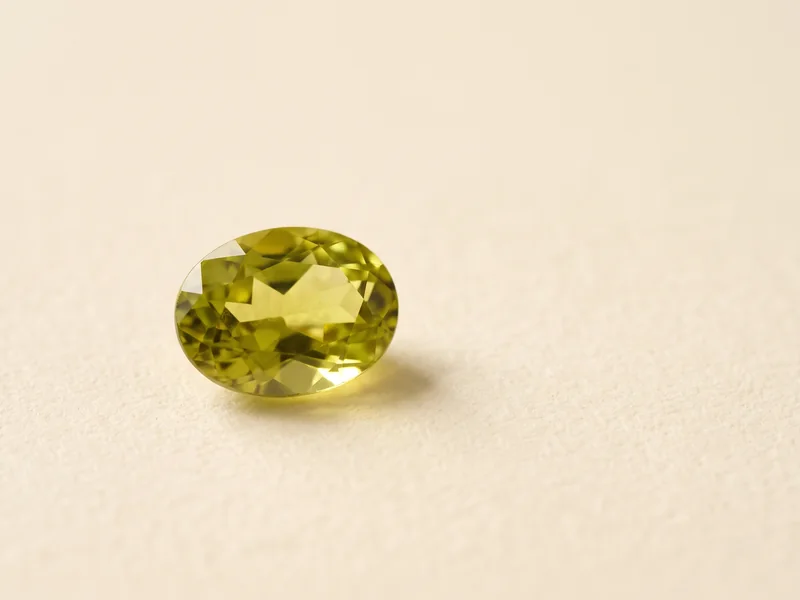 GemstonesPeridotGemstonesPeridot Jewellery: What Makes Its Green Different?
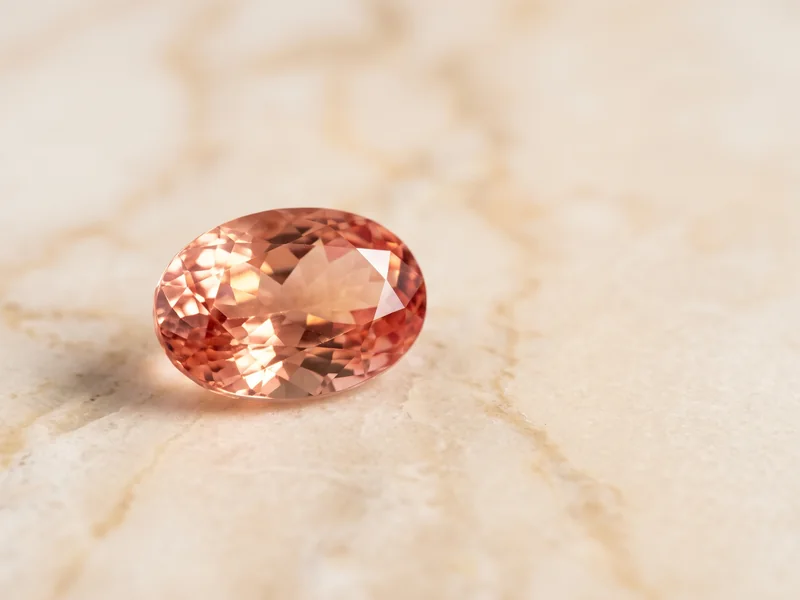 GemstonesImperial Topaz
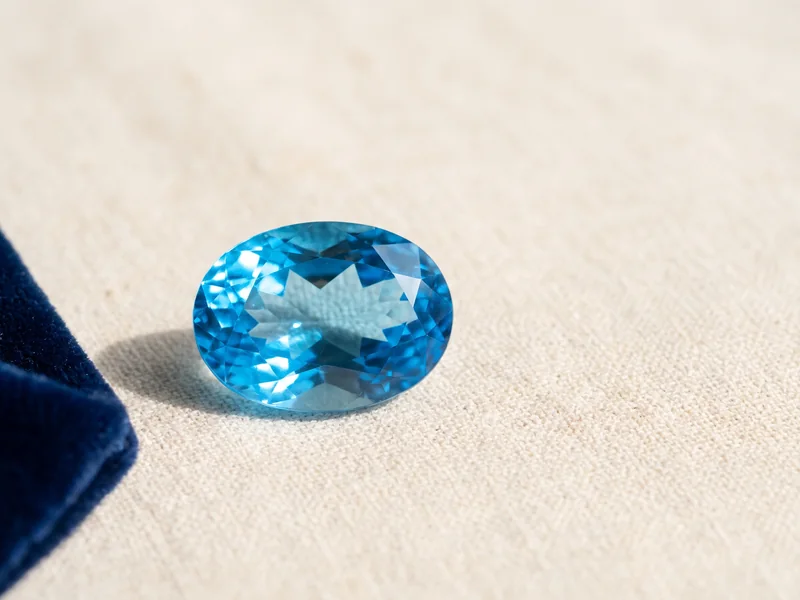 GemstonesBlue TopazGemstonesBlue Topaz Jewellery: Treatment and CareGemstonesAquamarine vs Blue TopazGemstonesKunzite
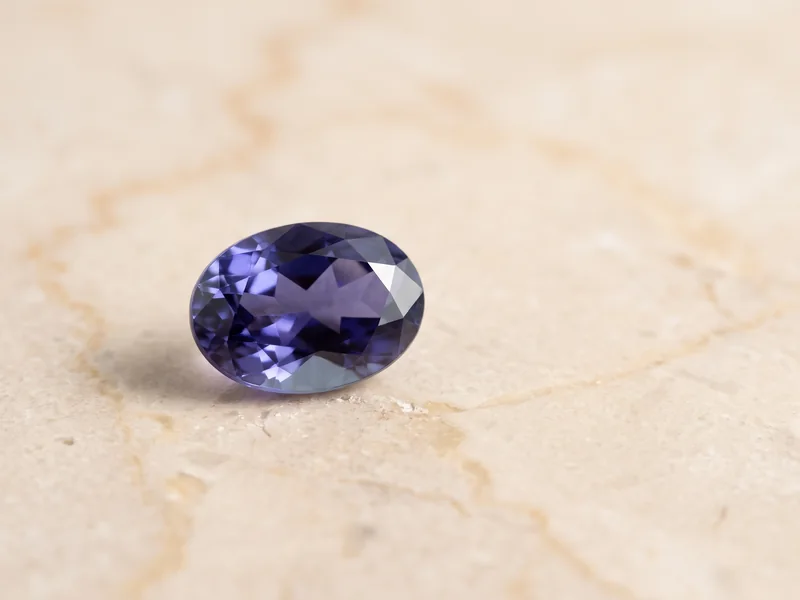 GemstonesIoliteGemstonesRare Collector Gemstones
Gemstones
Opal, quartz and ornamental stones
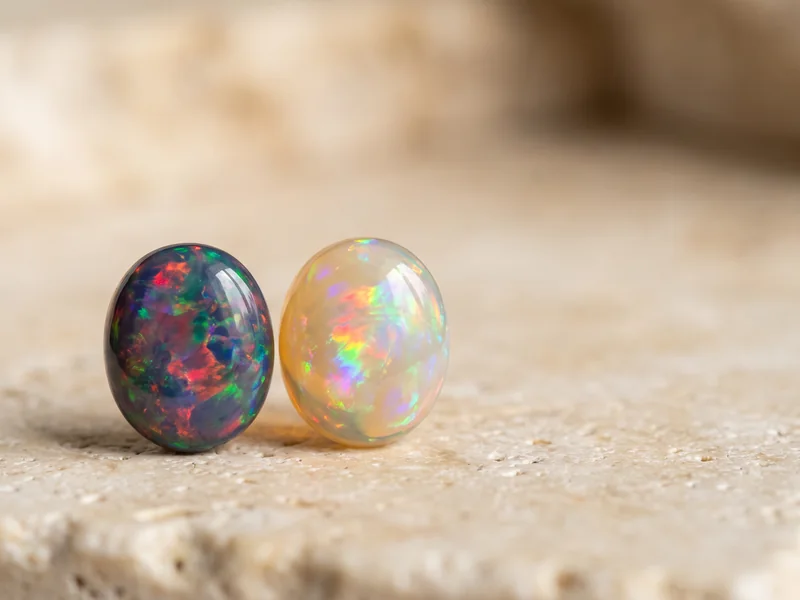 GemstonesAustralian Opal Types Compared
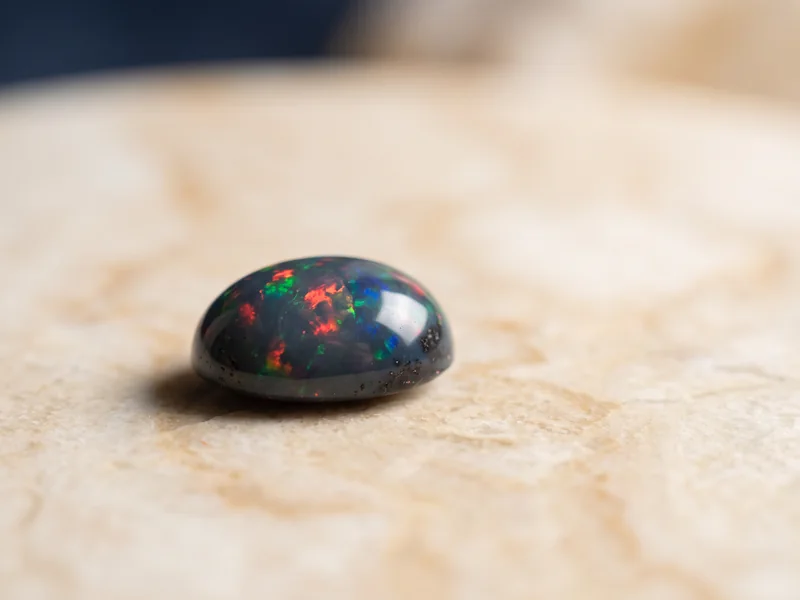 GemstonesBlack Opal
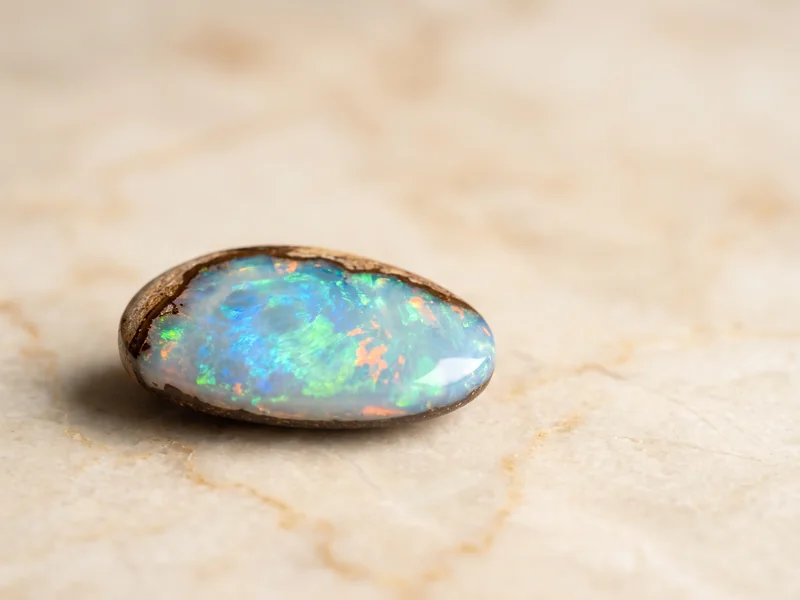 GemstonesBoulder Opal
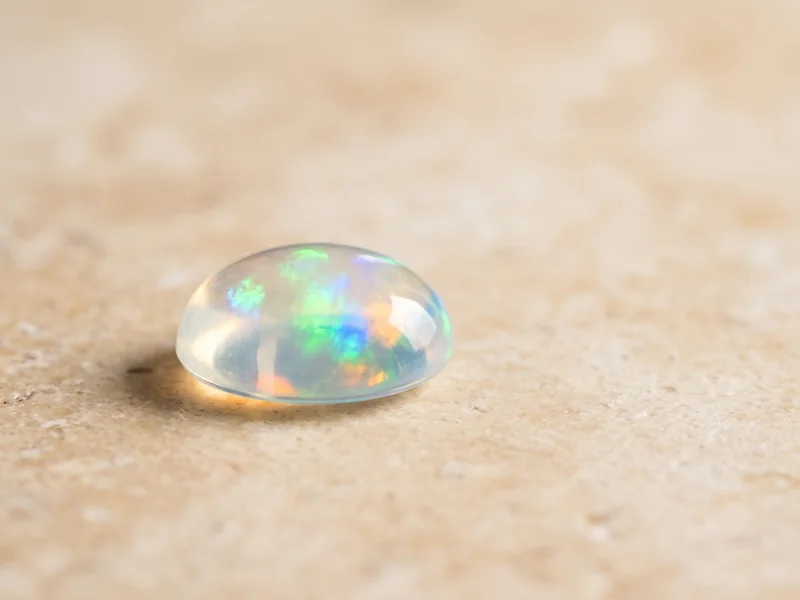 GemstonesCrystal Opal
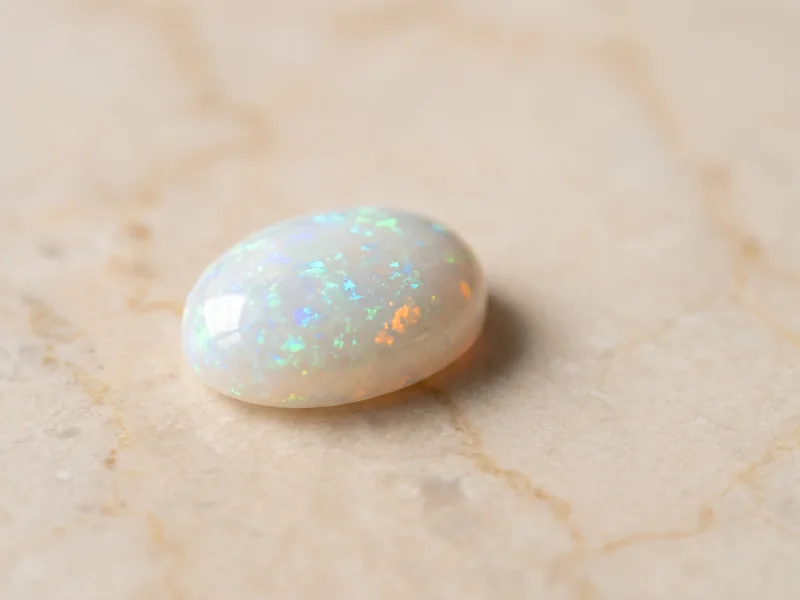 GemstonesWhite Opal
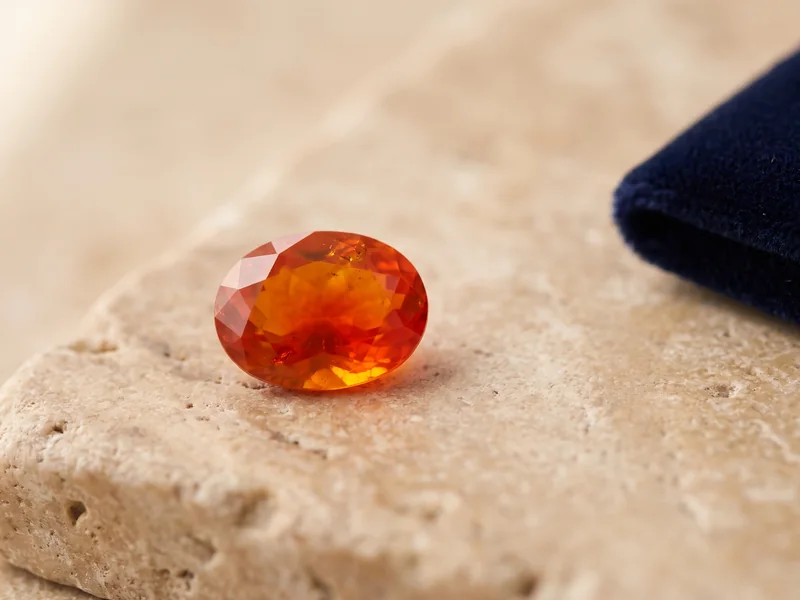 GemstonesFire Opal
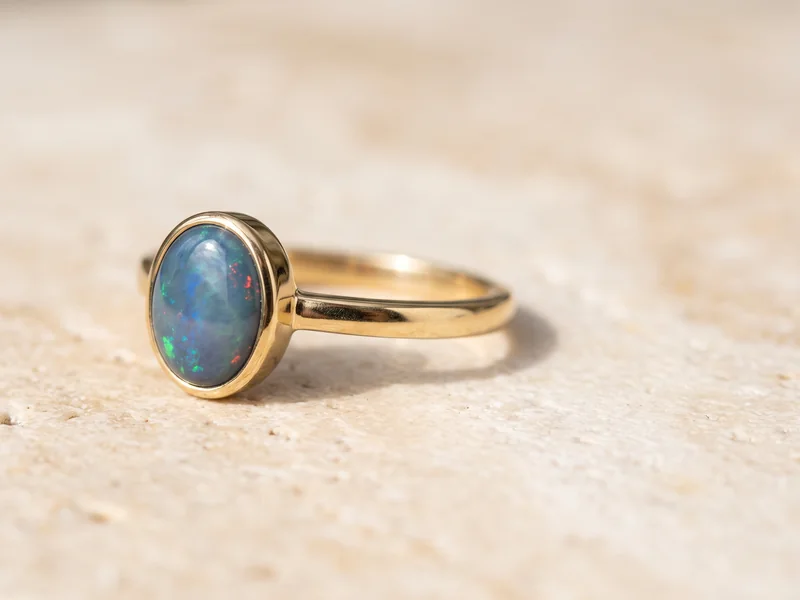 GemstonesAustralian Opal Fields: Lightning Ridge, Coober Pedy and Queensland BoulderGemstonesAmethystGemstonesAmethyst Jewellery: Colour, Fading and Care
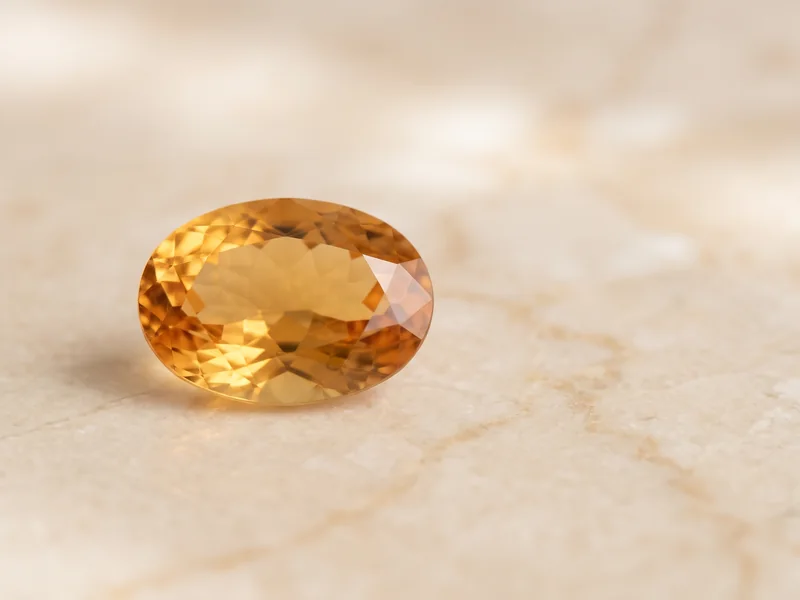 GemstonesCitrine
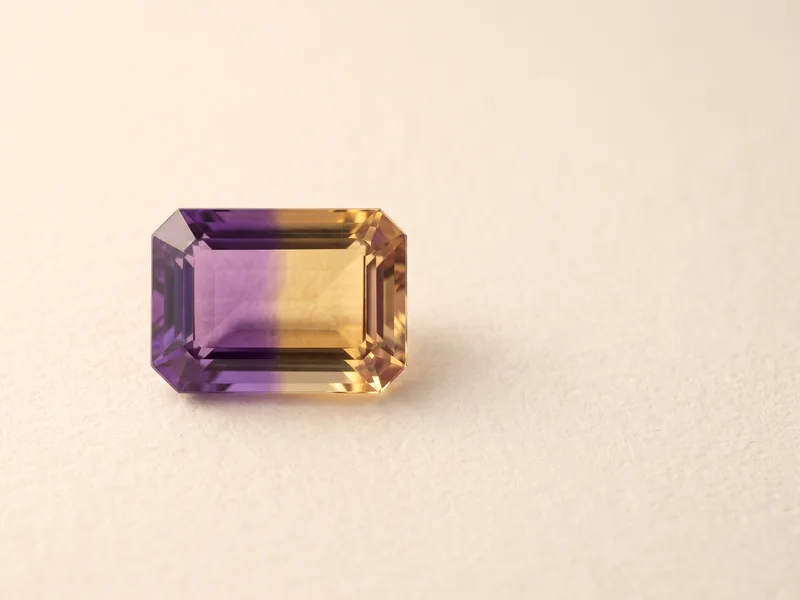 GemstonesAmetrine
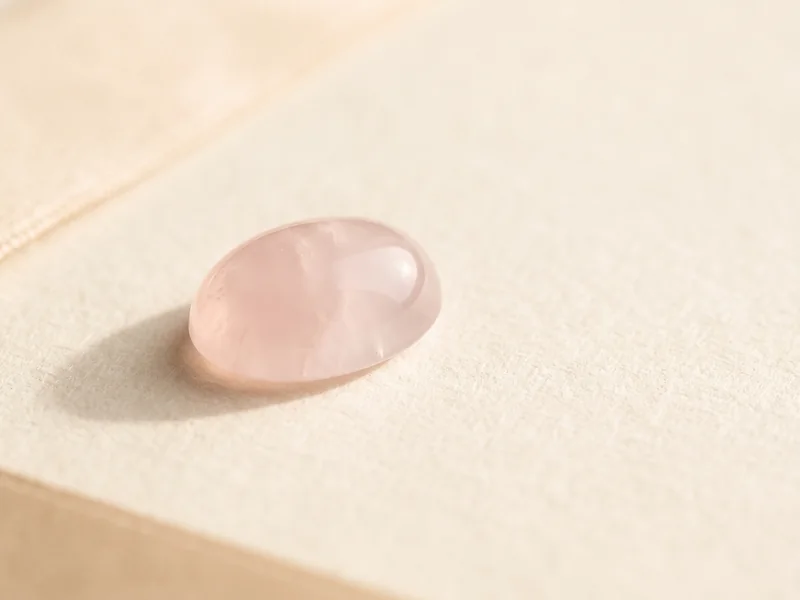 GemstonesRose Quartz
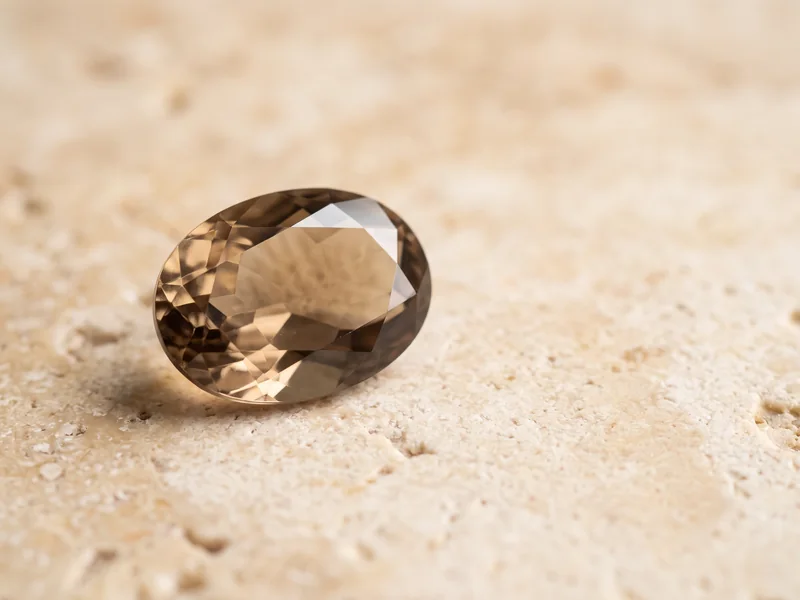 GemstonesSmoky Quartz
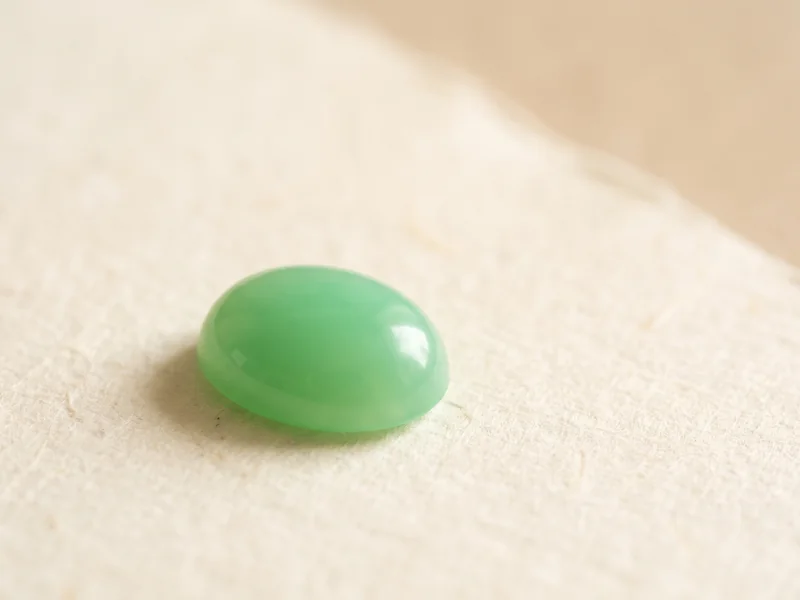 GemstonesChrysoprase (Australian Jade)
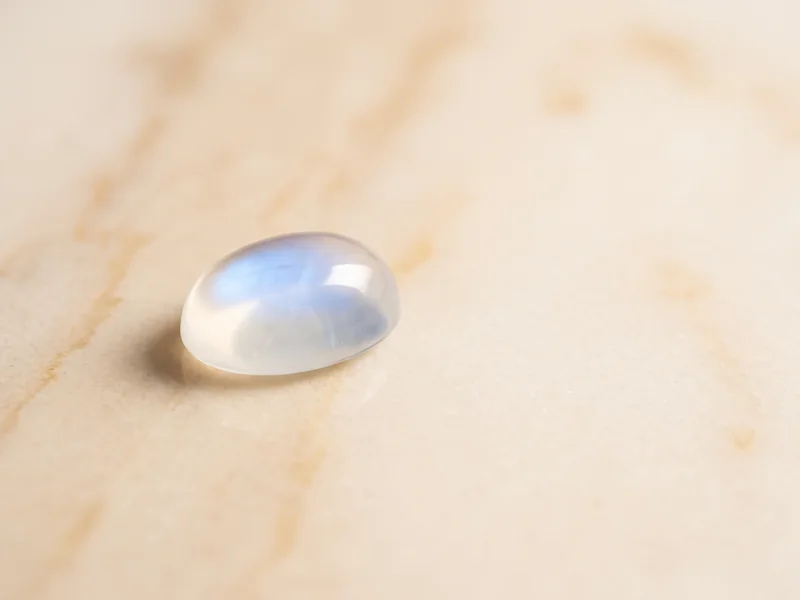 GemstonesMoonstone
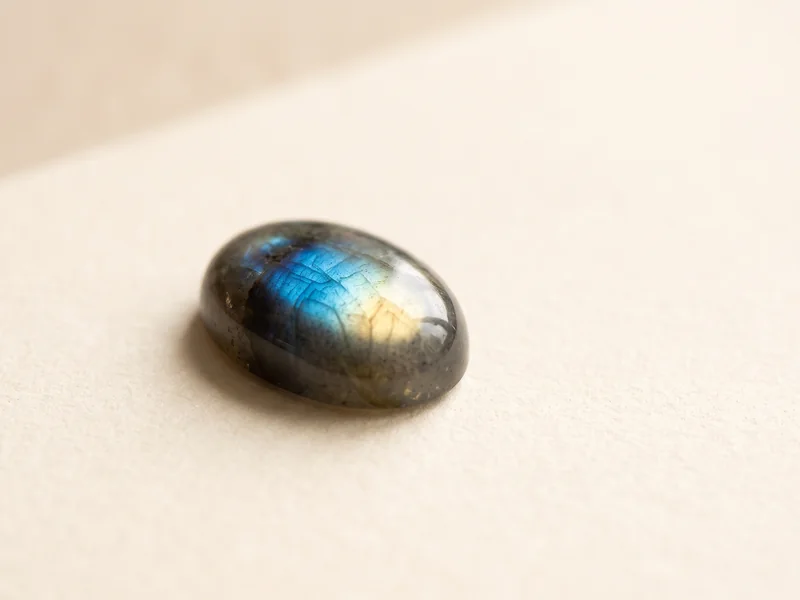 GemstonesLabradorite
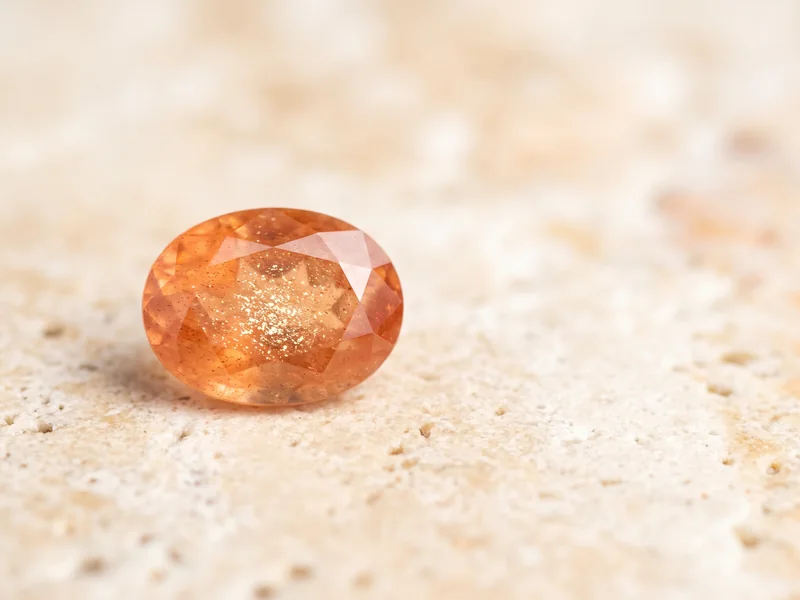 GemstonesSunstoneGemstonesJade: Jadeite vs Nephrite
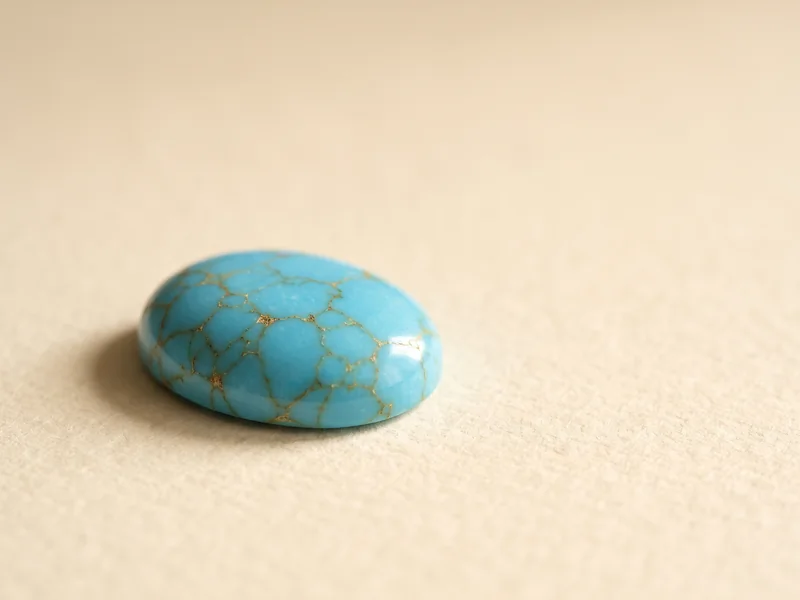 GemstonesTurquoise
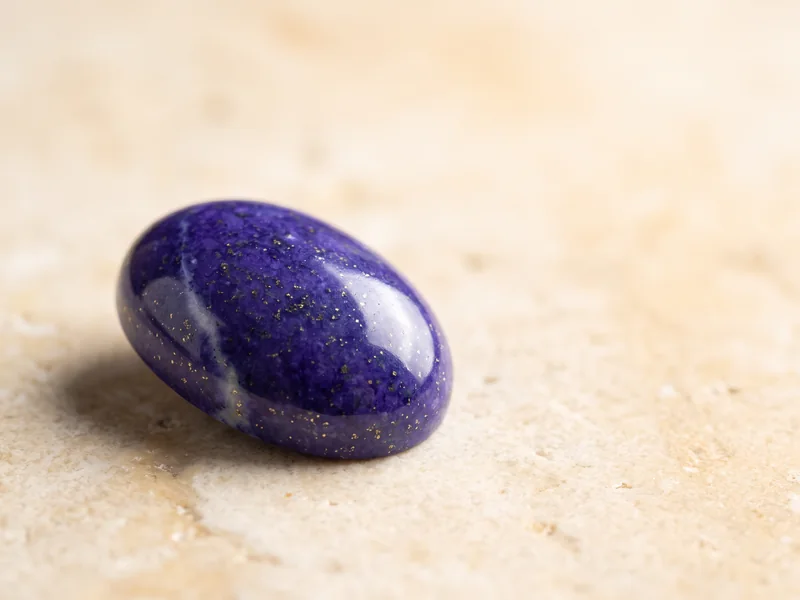 GemstonesLapis Lazuli
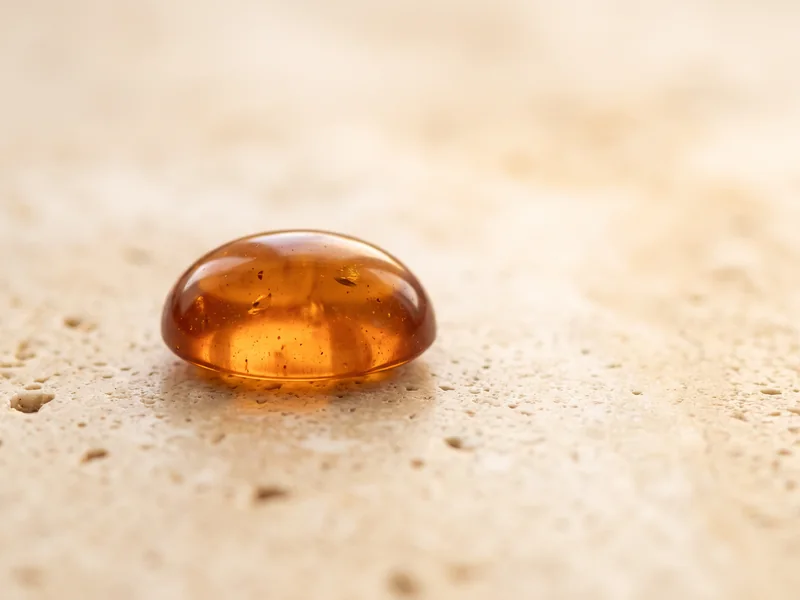 GemstonesAmber
Gemstones
Birthstones by month
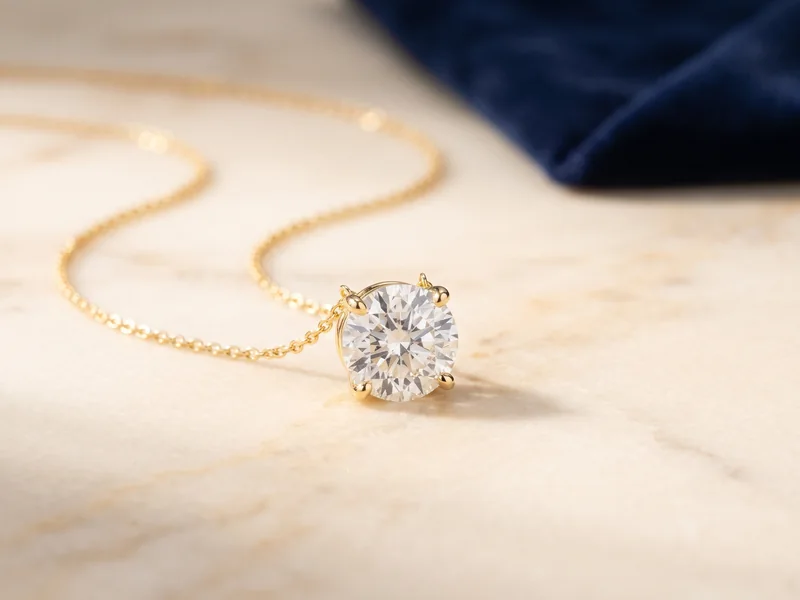 GemstonesBirthstone Jewellery MelbourneGemstonesJanuary Birthstone: GarnetGemstonesFebruary Birthstone: Amethyst
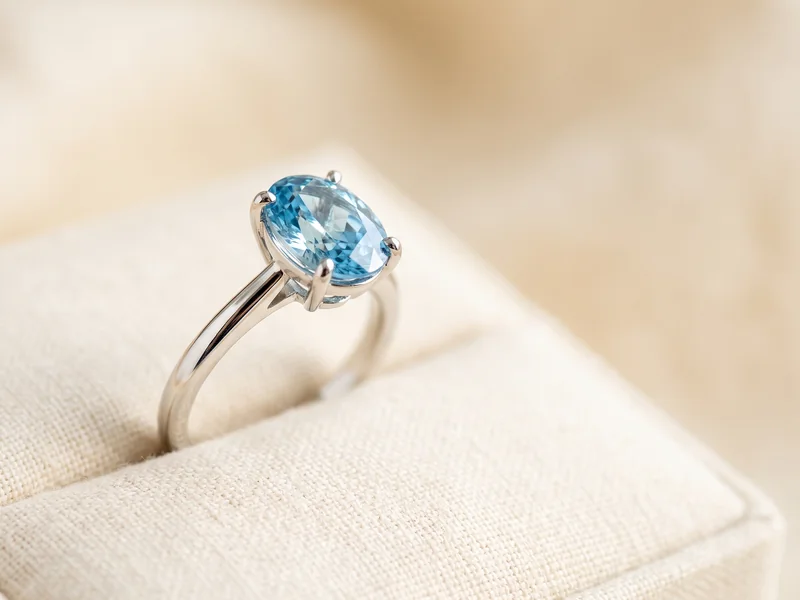 GemstonesMarch Birthstone: Aquamarine
 GemstonesApril Birthstone: DiamondGemstonesMay Birthstone: Emerald
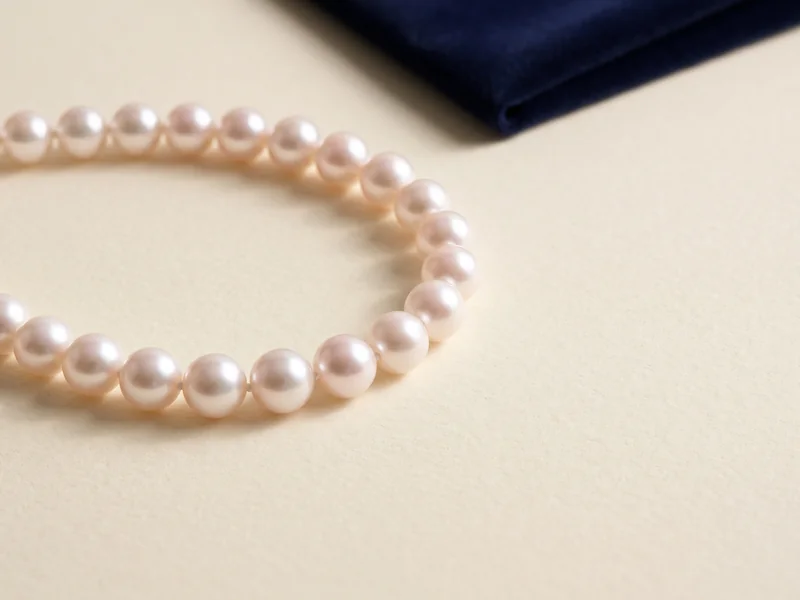 GemstonesJune Birthstone: Pearl, Moonstone and AlexandriteGemstonesJuly Birthstone: Ruby
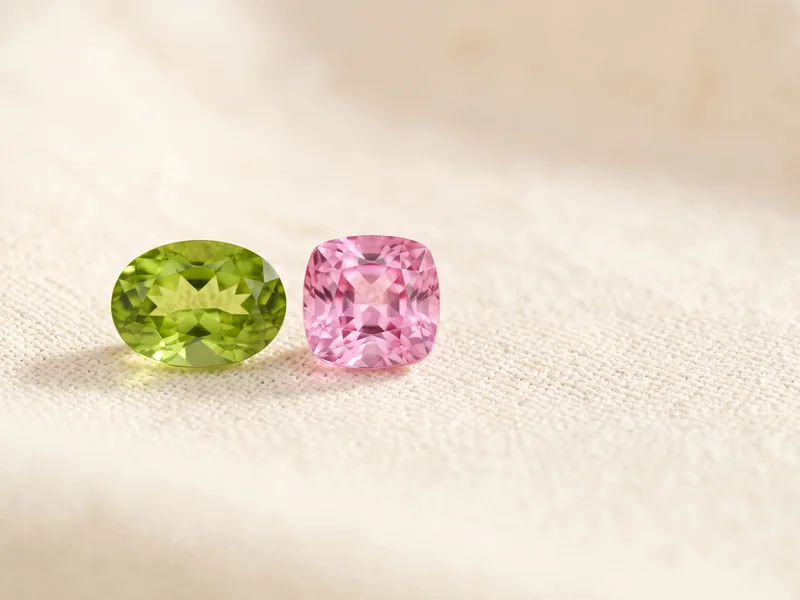 GemstonesAugust Birthstone: Peridot and Spinel
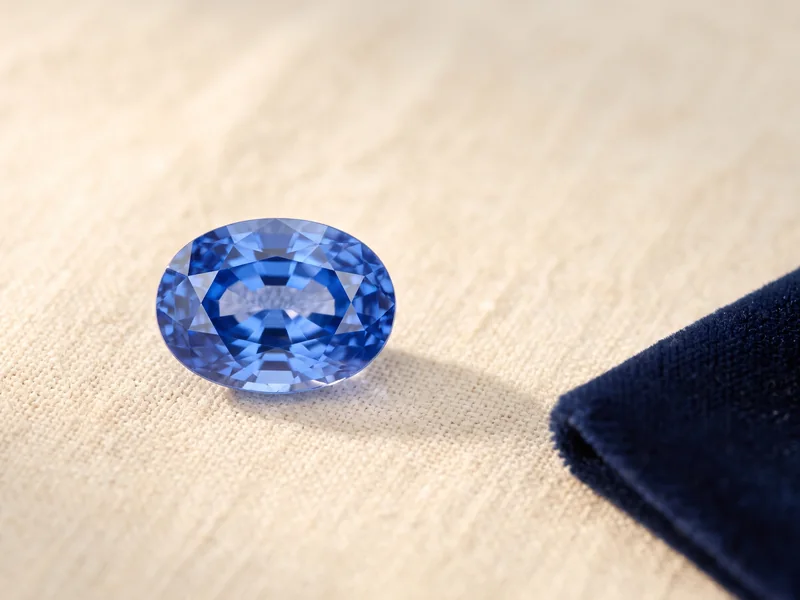 GemstonesSeptember Birthstone: SapphireGemstonesOctober Birthstone: Opal and Tourmaline
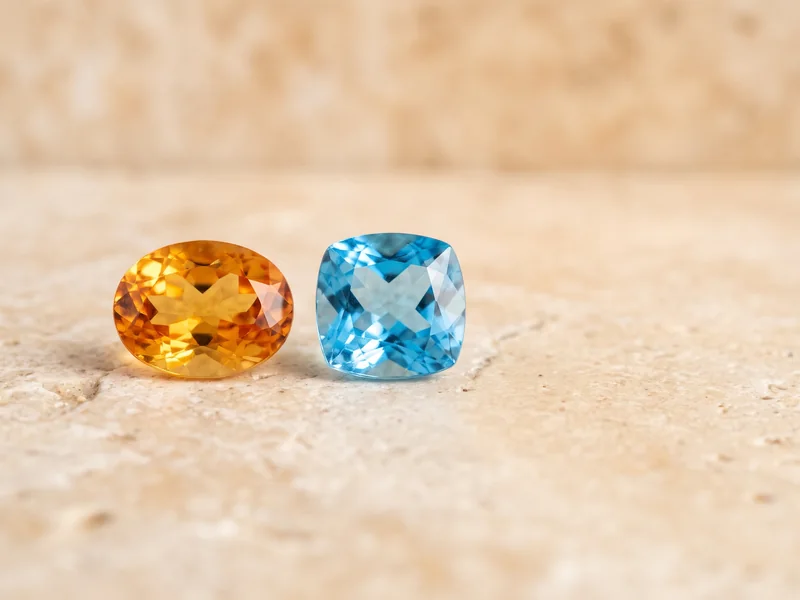 GemstonesNovember Birthstone: Topaz and CitrineGemstonesDecember Birthstone: Tanzanite, Zircon and Turquoise
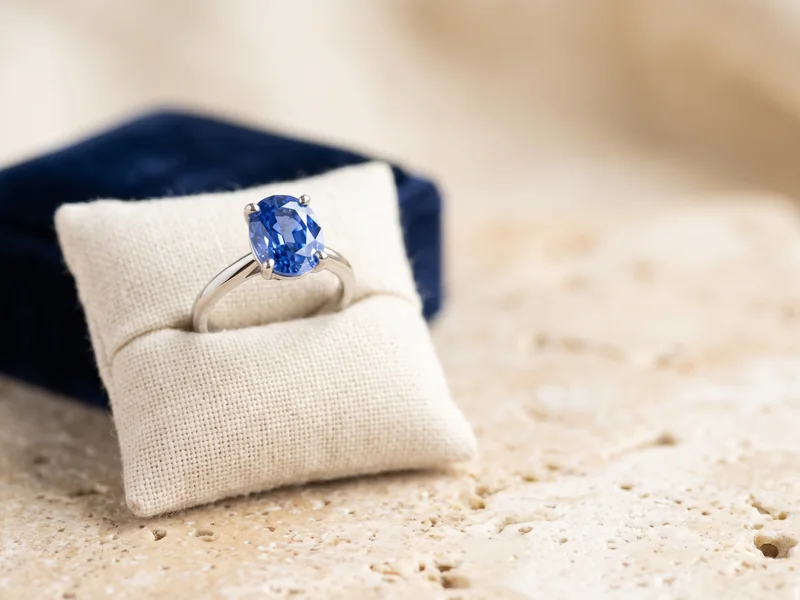 GemstonesBirthstone Engagement Rings: Choosing for Durability
Gemstones
Gemstone engagement rings and custom design
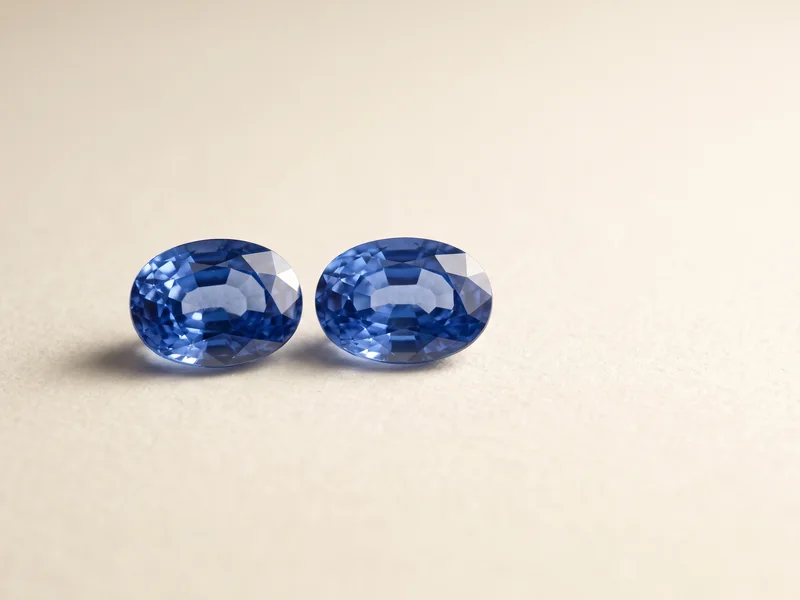 GemstonesNatural vs Lab-Grown Gemstones for Engagement RingsGemstonesSapphire Engagement Rings in MelbourneGemstonesDiamond vs Sapphire Engagement RingsGemstonesAustralian Sapphire Engagement Rings
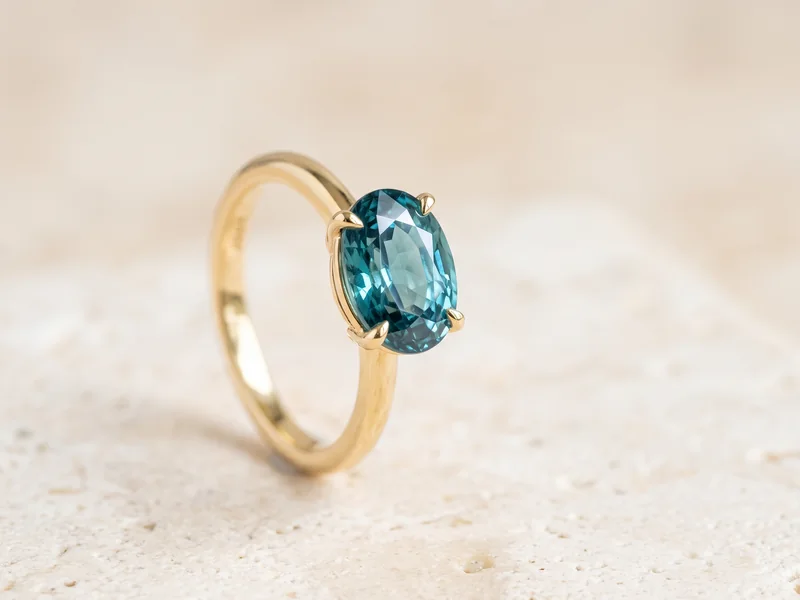 GemstonesTeal Sapphire Engagement RingsGemstonesTeal Sapphire vs Blue Sapphire Engagement Rings
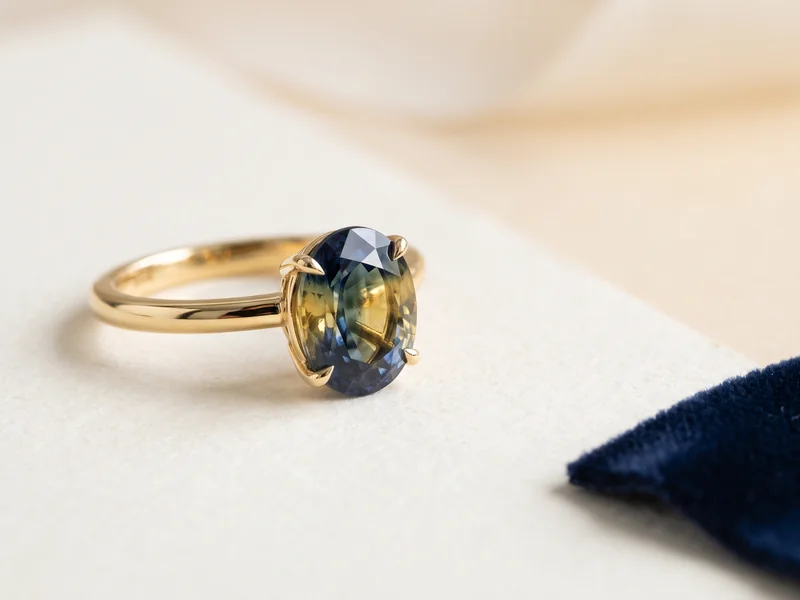 GemstonesParti Sapphire Engagement RingsGemstonesRuby Engagement RingsGemstonesRuby vs Sapphire Engagement Rings
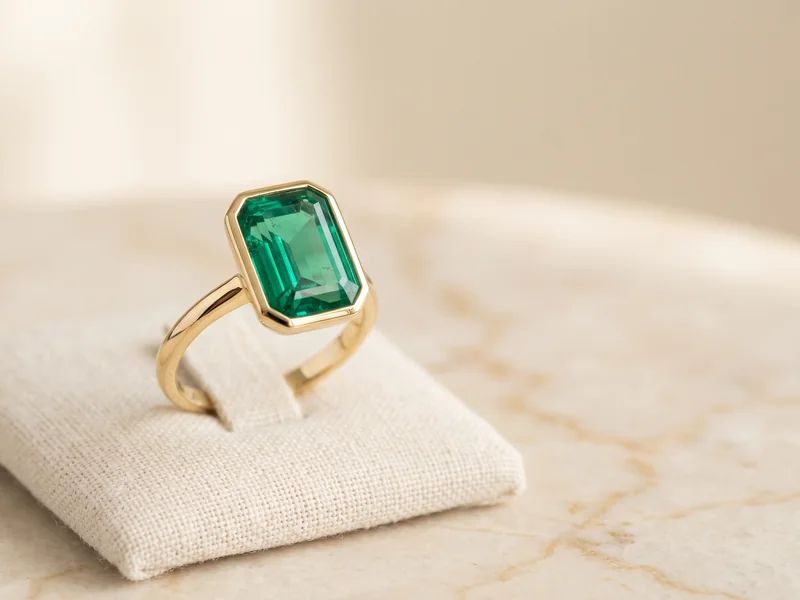 GemstonesEmerald Engagement RingsGemstonesEmerald vs Sapphire Engagement Rings
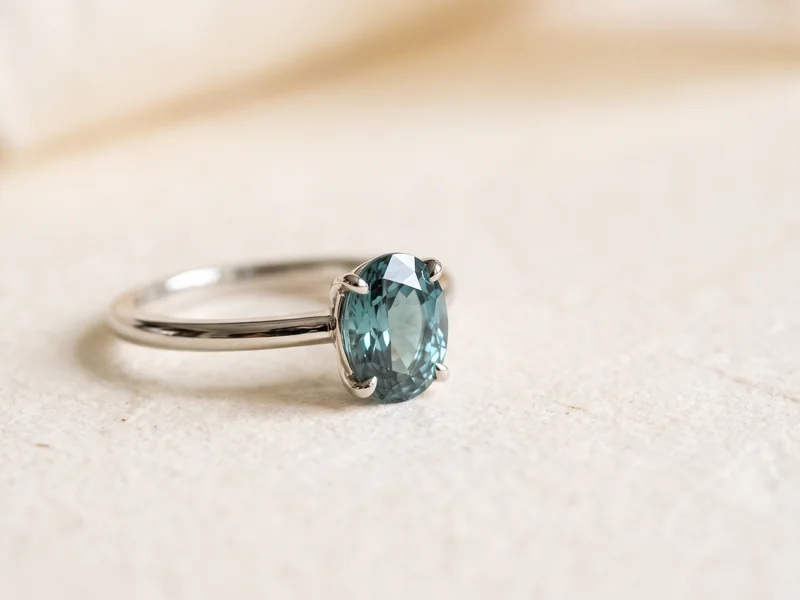 GemstonesAlexandrite Engagement RingsGemstonesAquamarine Engagement Rings
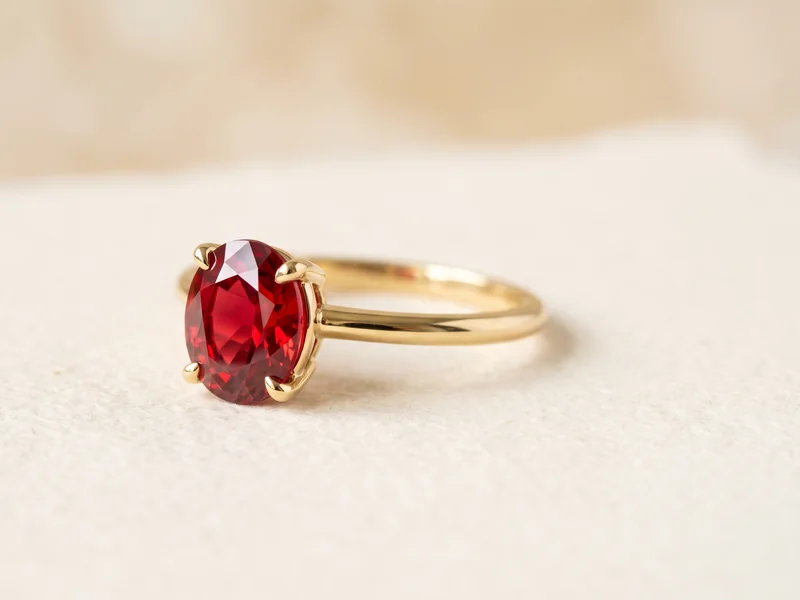 GemstonesSpinel Engagement Rings: An Underrated GemstoneGemstonesTourmaline Engagement Rings: Colour and Durability
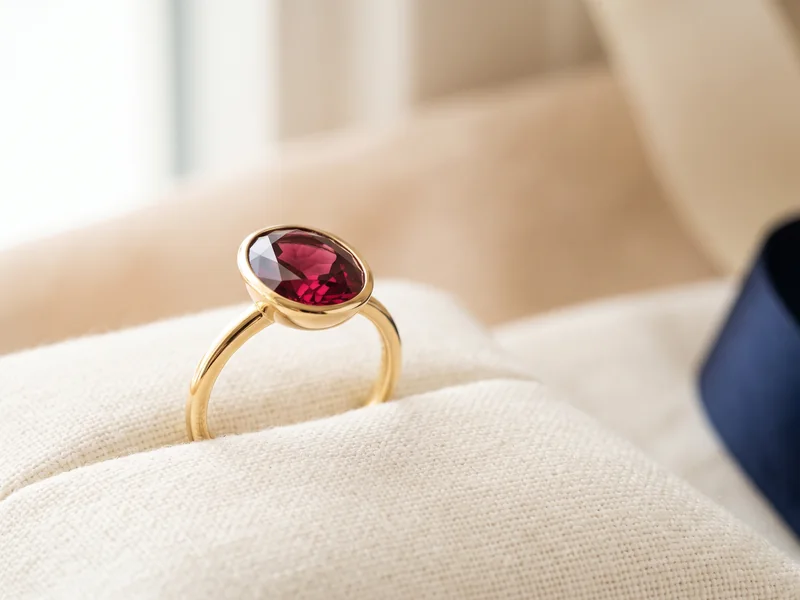 GemstonesGarnet Engagement Rings: More Than Dark Red
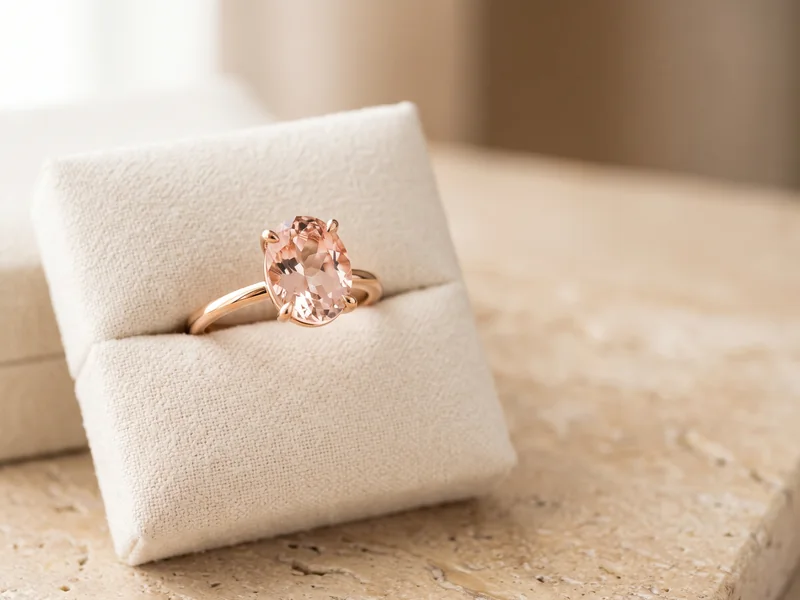 GemstonesMorganite for Engagement Rings: Pros and ConsGemstonesTanzanite Rings: Beauty vs Everyday DurabilityGemstonesAustralian Opal Engagement Rings: Wearability and Care
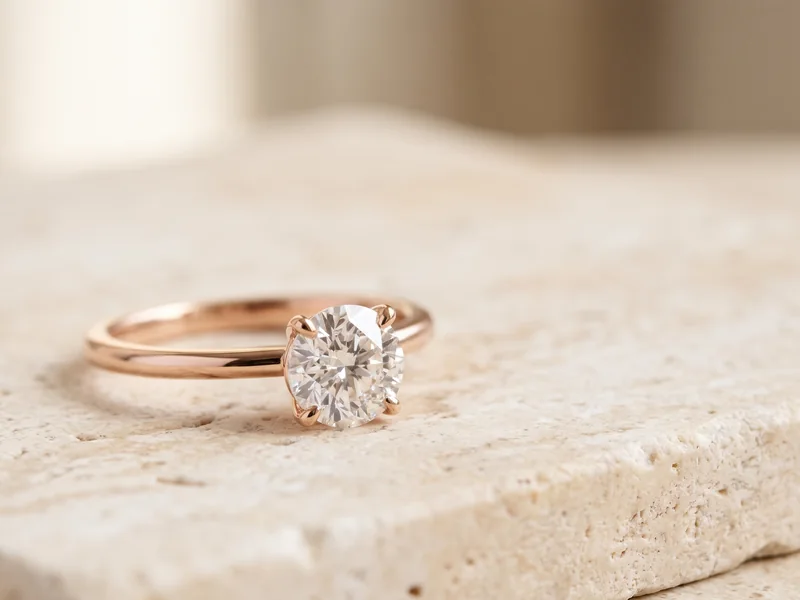 GemstonesRose Gold Engagement Rings: Diamond and Gemstone Pairing
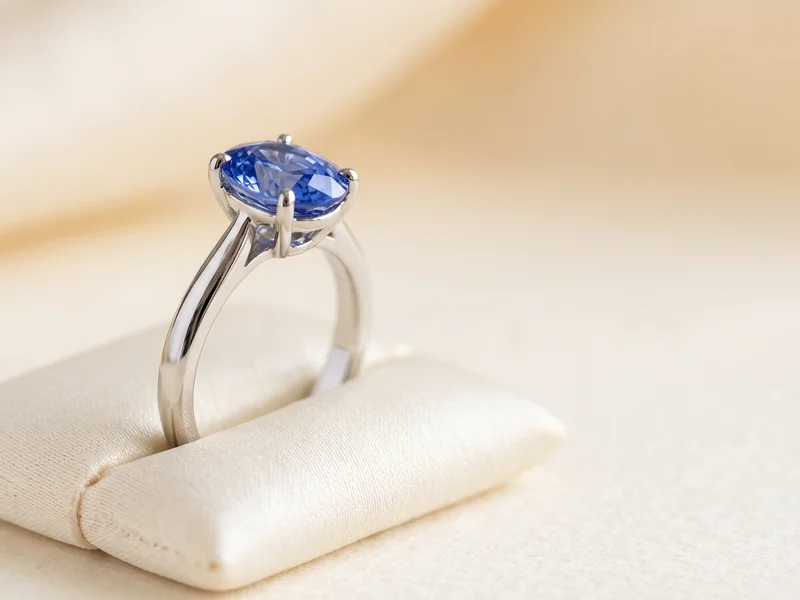 GemstonesHow to Design a Secure Setting for a Coloured Gemstone
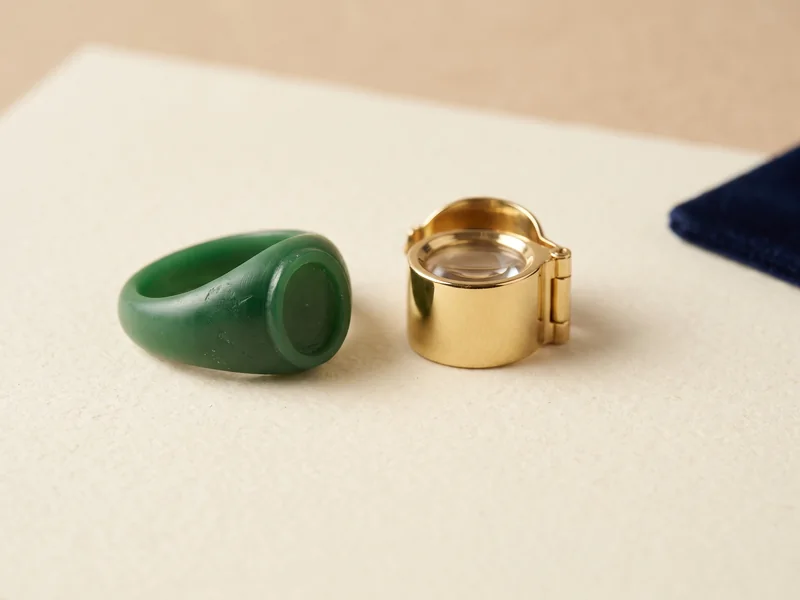 GemstonesGemstone and Ring Scanning for CAD Remodelling
Every guide
All 127 gemstones guides
Show all 127 guides
- Gemstone Properties: Hardness, RI, SG, Durability and Jewellery Use
- Gemstone Hardness Guide
- Gemstone Durability for Everyday Rings
- Gemstone Colour Grading: Hue, Tone, Saturation
- Gemstone Clarity Types I, II and III
- Gemstone Carat vs Size (Density)
- Gemstone Cuts: Cabochon, Faceted and Carved
- Optical Phenomena in Gemstones
- Chemical Composition of Diamonds, Sapphires, Rubies, Emeralds, Opals and Other Gemstones
- Gemstone Identification Scientific Guide
- Gemological Instruments
- Gemstone Care by Stone
- Can Every Gemstone Go in an Ultrasonic Cleaner?
- Treated vs Untreated Gemstones
- Gemstone Treatments A to Z
- Heated vs Unheated Gemstones
- Glass Filling and Fracture Filling Explained
- Natural vs Synthetic vs Simulant Gemstones
- Man-Made Gemstones
- Diamond Simulants: CZ, YAG, GGG and Glass
- Moissanite as a Gemstone
- Gemstone Origins: Ceylon, Burma, Kashmir, Madagascar, Mozambique
- How Gemstone Origin Is Determined
- Sapphire Gemstones
- Ruby Gemstones Melbourne
- How to Judge Blue Sapphire Quality
- How to Judge Ruby Quality
- Ceylon Sapphire: What Does Sri Lankan Origin Mean?
- Pink Sapphire
- Yellow Sapphire
- Padparadscha Sapphire
- Green Sapphire
- Purple Sapphire
- Orange Sapphire
- White Sapphire
- Colour-Change Sapphire
- Star Sapphire and Star Ruby
- Australian Sapphire Fields: Inverell, Anakie and the Lava Plains
- Ruby vs Diamond
- Emerald Gemstone
- Emerald vs Diamond
- Natural Garnet Gemstones and Custom Garnet Jewellery
- Tsavorite Garnet
- Demantoid Garnet
- Rhodolite Garnet
- Spessartine Garnet
- Hessonite Garnet
- Spinel
- Tourmaline
- Paraíba Tourmaline
- Rubellite Tourmaline
- Indicolite Tourmaline
- Watermelon Tourmaline
- Tanzanite
- Morganite
- Morganite vs Pink Sapphire
- Alexandrite: Understanding the Colour-Change Effect
- Chrysoberyl and Cat's-Eye
- Zircon
- Peridot
- Peridot Jewellery: What Makes Its Green Different?
- Imperial Topaz
- Blue Topaz
- Blue Topaz Jewellery: Treatment and Care
- Aquamarine vs Blue Topaz
- Kunzite
- Iolite
- Rare Collector Gemstones
- Australian Opal Types Compared
- Black Opal
- Boulder Opal
- Crystal Opal
- White Opal
- Fire Opal
- Australian Opal Fields: Lightning Ridge, Coober Pedy and Queensland Boulder
- Amethyst
- Amethyst Jewellery: Colour, Fading and Care
- Citrine
- Ametrine
- Rose Quartz
- Smoky Quartz
- Chrysoprase (Australian Jade)
- Moonstone
- Labradorite
- Sunstone
- Jade: Jadeite vs Nephrite
- Turquoise
- Lapis Lazuli
- Amber
- Birthstone Jewellery Melbourne
- January Birthstone: Garnet
- February Birthstone: Amethyst
- March Birthstone: Aquamarine
- April Birthstone: Diamond
- May Birthstone: Emerald
- June Birthstone: Pearl, Moonstone and Alexandrite
- July Birthstone: Ruby
- August Birthstone: Peridot and Spinel
- September Birthstone: Sapphire
- October Birthstone: Opal and Tourmaline
- November Birthstone: Topaz and Citrine
- December Birthstone: Tanzanite, Zircon and Turquoise
- Birthstone Engagement Rings: Choosing for Durability
- Engagement Rings with Colour, Meaning and Personal Gemstone Choice
- Best Gemstones for Daily Wear Rings
- Natural vs Lab-Grown Gemstones for Engagement Rings
- Sapphire Engagement Rings in Melbourne
- Diamond vs Sapphire Engagement Rings
- Australian Sapphire Engagement Rings
- Teal Sapphire Engagement Rings
- Teal Sapphire vs Blue Sapphire Engagement Rings
- Parti Sapphire Engagement Rings
- Ruby Engagement Rings
- Ruby vs Sapphire Engagement Rings
- Emerald Engagement Rings
- Emerald vs Sapphire Engagement Rings
- Alexandrite Engagement Rings
- Aquamarine Engagement Rings
- Spinel Engagement Rings: An Underrated Gemstone
- Tourmaline Engagement Rings: Colour and Durability
- Garnet Engagement Rings: More Than Dark Red
- Morganite for Engagement Rings: Pros and Cons
- Tanzanite Rings: Beauty vs Everyday Durability
- Australian Opal Engagement Rings: Wearability and Care
- Rose Gold Engagement Rings: Diamond and Gemstone Pairing
- How to Design a Secure Setting for a Coloured Gemstone
- Gemstone and Ring Scanning for CAD Remodelling

Ask a gemologist
Talk it through with a gemologist
Raj Sood is a Graduate Gemologist (GIA) and master jeweller. Bring the stones you are considering, or send the reports, and he will explain the differences in plain language.
FAQ
Gemstones questions
Which coloured gemstones are best for an everyday ring?
Sapphire and ruby (corundum, 9 on the Mohs scale) and spinel (8) are among the most practical choices for daily wear. Softer or more brittle stones such as opal, tanzanite and emerald can still be worn, but they benefit from protective settings and more careful habits.
Are most coloured gemstones treated?
Yes, many are. Heating of sapphire and ruby and oiling of emerald are long-standing, widely accepted practices, while treatments such as glass filling affect durability and value more significantly. A reputable seller should always disclose known treatments.
What is the difference between a synthetic and a simulant gemstone?
A synthetic, or lab-grown, stone has essentially the same chemistry and crystal structure as its natural counterpart. A simulant only imitates the look, such as glass or cubic zirconia standing in for another gem.
Does gemstone origin affect value?
It can. Certain origins, such as Kashmir or Burma for sapphire and ruby, carry strong reputations, but the stone's own colour, clarity and cut still matter most. Origin is determined by laboratory analysis of inclusions and trace elements rather than by appearance alone.
Can I clean all gemstone jewellery in an ultrasonic cleaner?
No. Stones that are porous, fracture-filled, oiled or heat-sensitive, including opal, emerald, turquoise and tanzanite, can be damaged. Warm soapy water and a soft brush is the safest general method.
Does a one-carat sapphire look the same size as a one-carat diamond?
Not quite. Carat is a measure of weight, and because sapphire is denser than diamond, a one-carat sapphire typically looks slightly smaller face-up than a one-carat diamond of the same shape.
Keep exploring