
- Education
- Engagement Rings & Settings
Engagement rings & settings
Engagement Ring Setting Styles Guide
The setting decides how your centre stone is held, how it catches light and how the ring copes with daily life. These guides explain each style in plain terms so you can choose with confidence.
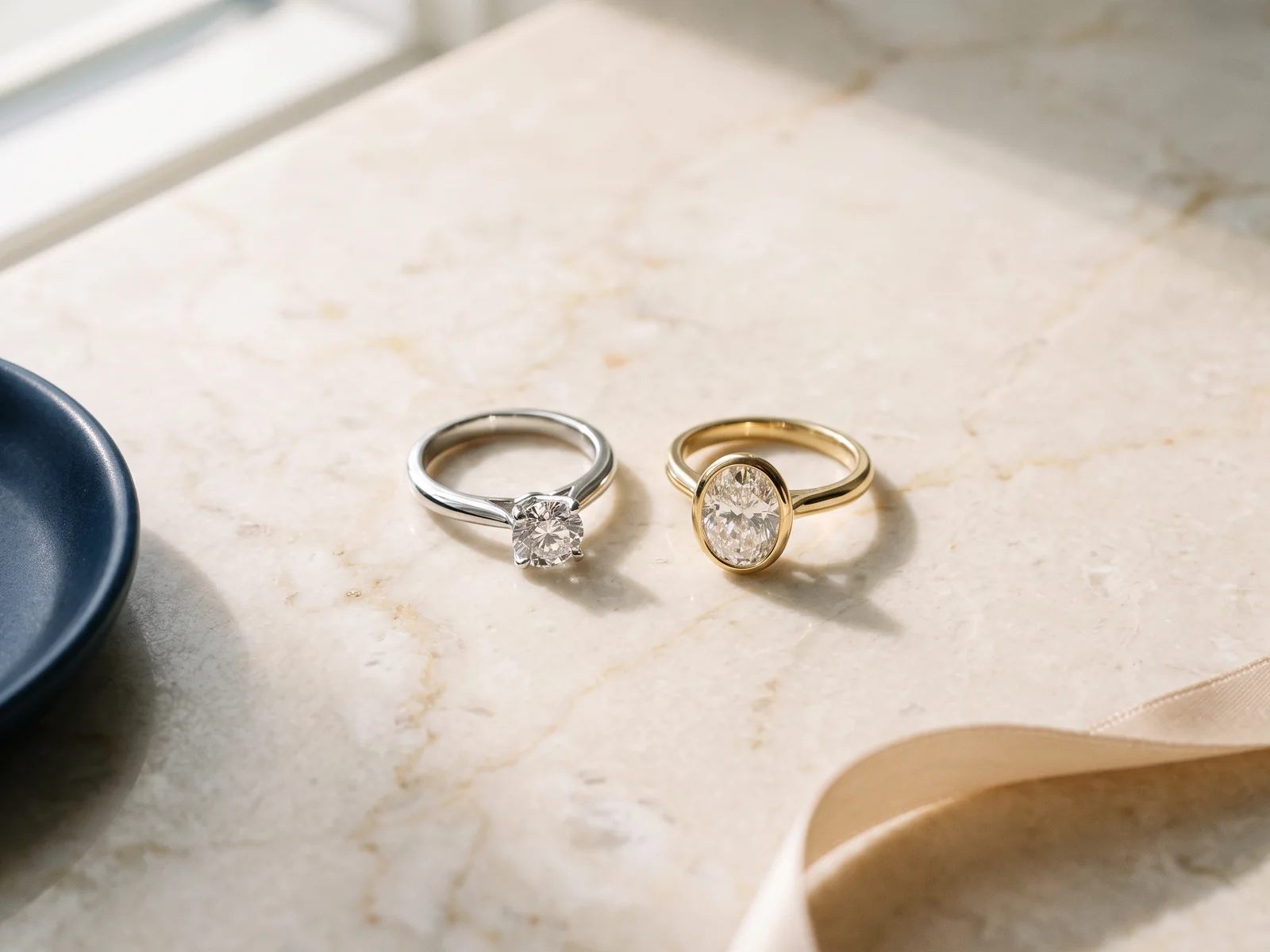
An engagement ring is more than its centre stone. The head, claws, gallery and band all shape how the ring looks from above and from the side, how secure the stone is, and how comfortably it sits beside a wedding band. If the terms are new to you, begin with engagement ring anatomy and our diamond and gemstone setting guide.
From there, the guides move from classic styles such as solitaire, halo and three-stone through to the details that hold a stone in place: claw types, bezels, pavé and channel work. You'll also find advice matched to each diamond shape, band widths and profiles, and designs for people who prefer something less traditional.
These guides are written by the GemTrove team, drawing on experience since 2008 and the gemmological training of Raj Sood, a GIA Graduate Gemologist. They're here to help you compare options and ask better questions, whichever jeweller you choose.
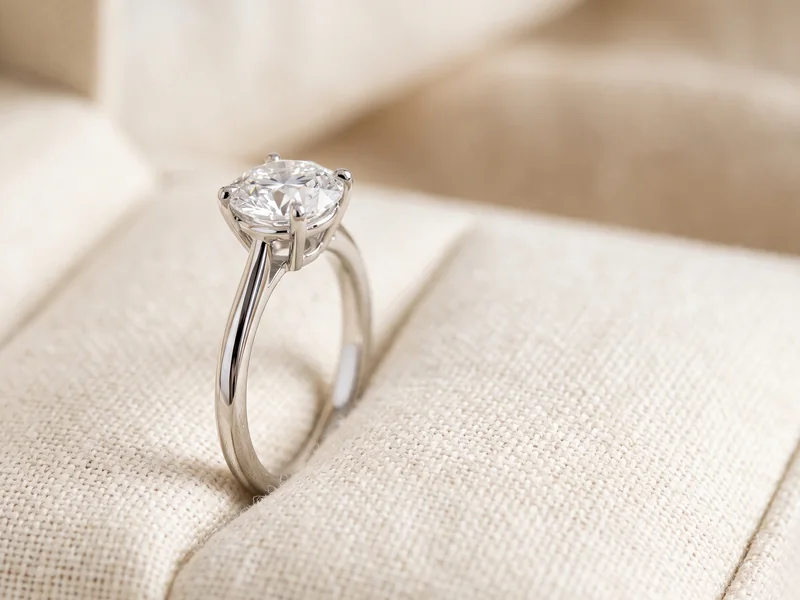
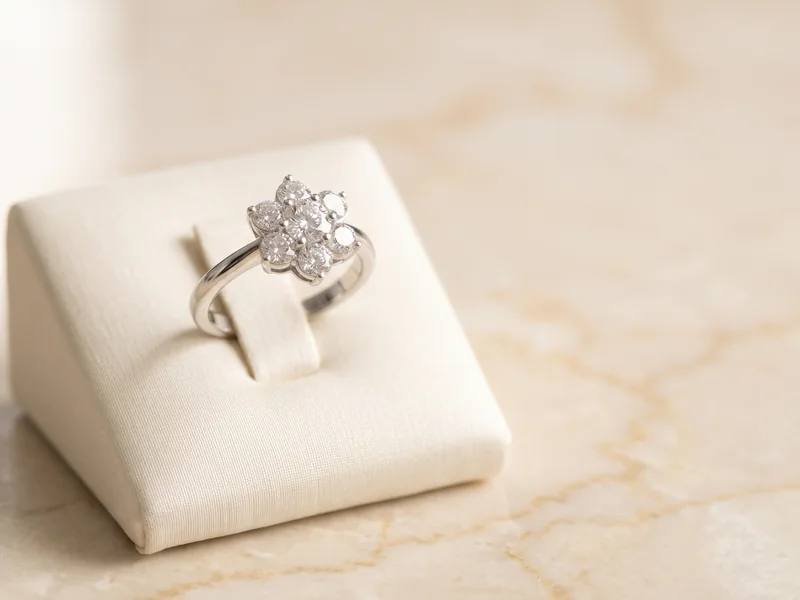
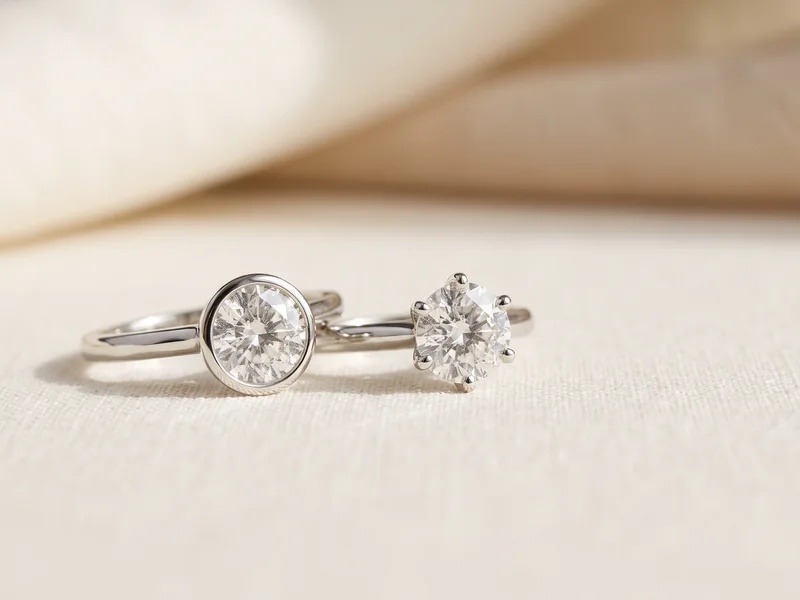
Start here
A simple path through the basics
- Engagement Ring AnatomyLearn the names of each part of a ring, from head and claws to gallery and shank.
- Diamond & Gemstone Setting GuideGet an overview of the main ways stones are set and what each means for security and sparkle.
- Solitaire Engagement RingsUnderstand the classic single-stone design that most other styles build on.
- Engagement Ring Claw Styles ExplainedSee how claw number, shape and placement change the look and protection of your stone.
- How Lifestyle Should Influence Engagement Ring DesignMatch setting height, metal and style to the way you actually use your hands each day.
Engagement Rings & Settings
Setting fundamentals
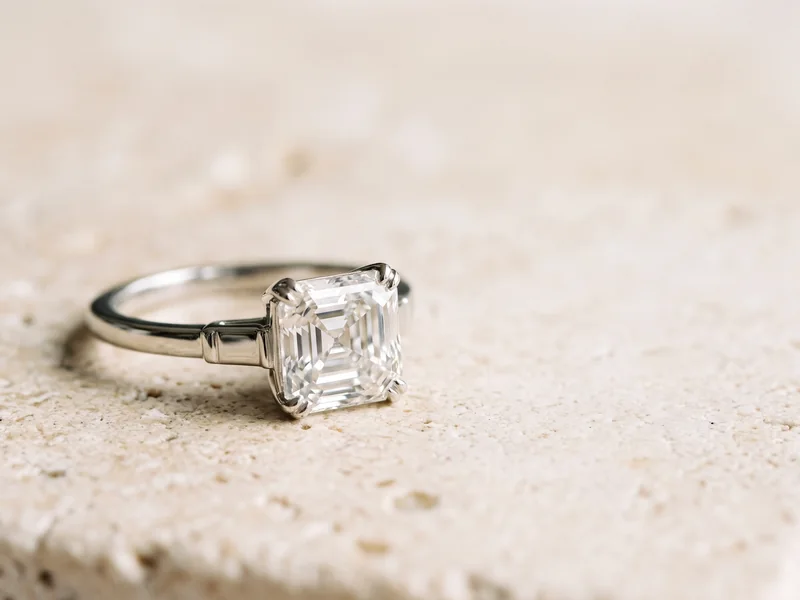 Engagement Rings & SettingsDiamond & Gemstone Setting Guide
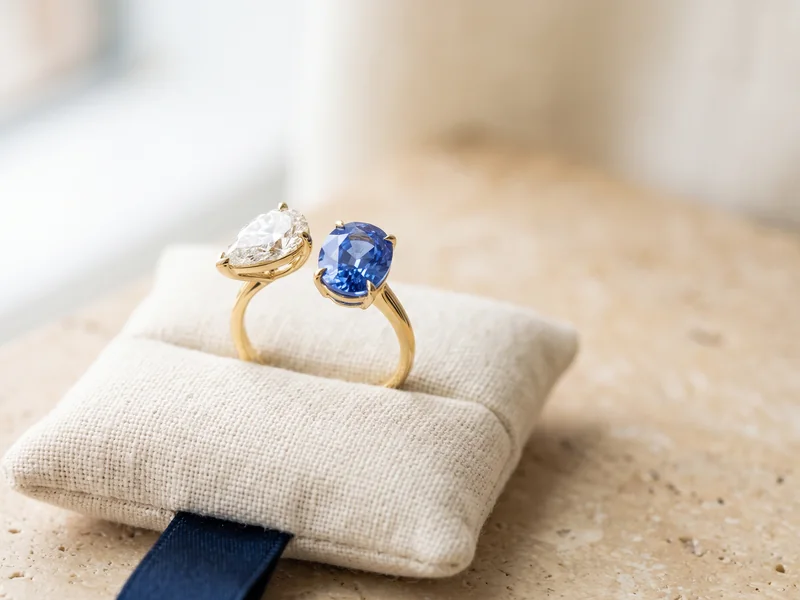 Engagement Rings & SettingsEngagement Rings & EducationEngagement Rings & SettingsEngagement Ring AnatomyEngagement Rings & SettingsLow-Profile vs High-Profile Engagement RingsEngagement Rings & SettingsSetting Height and Wedding Band Fit
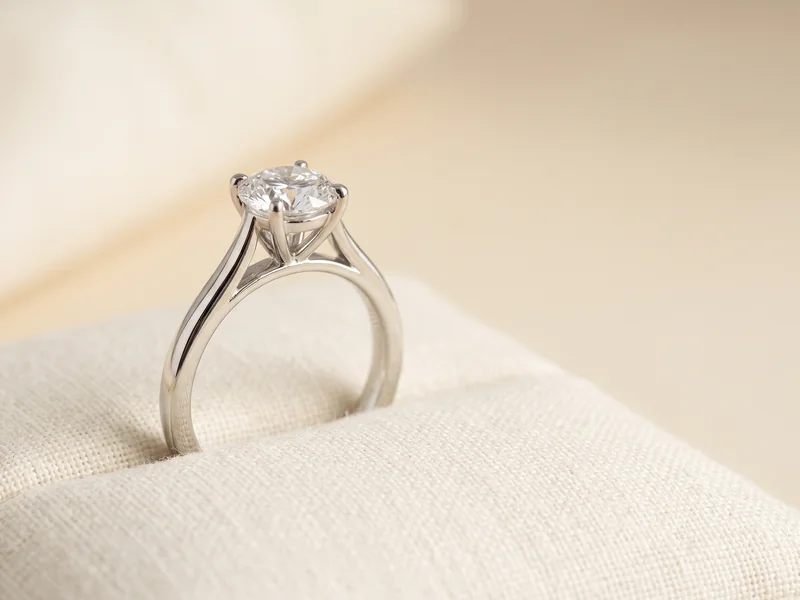 Engagement Rings & SettingsEngagement Ring Side Profile GuideEngagement Rings & SettingsBasket vs Trellis vs Peg Head SettingsEngagement Rings & SettingsUnder-Gallery Details
Engagement Rings & Settings
Classic ring styles
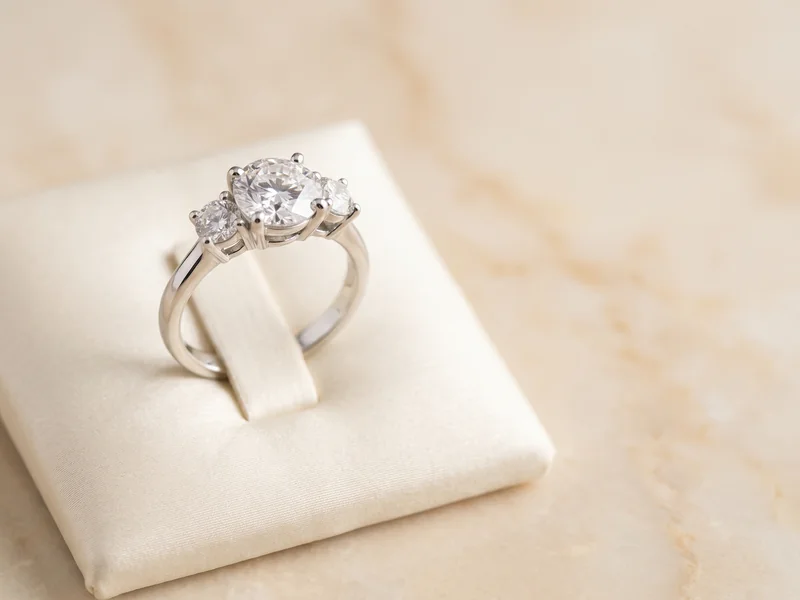 Engagement Rings & SettingsThree-Stone Engagement RingsEngagement Rings & SettingsSide-Stone Engagement RingsEngagement Rings & SettingsCathedral Engagement Rings
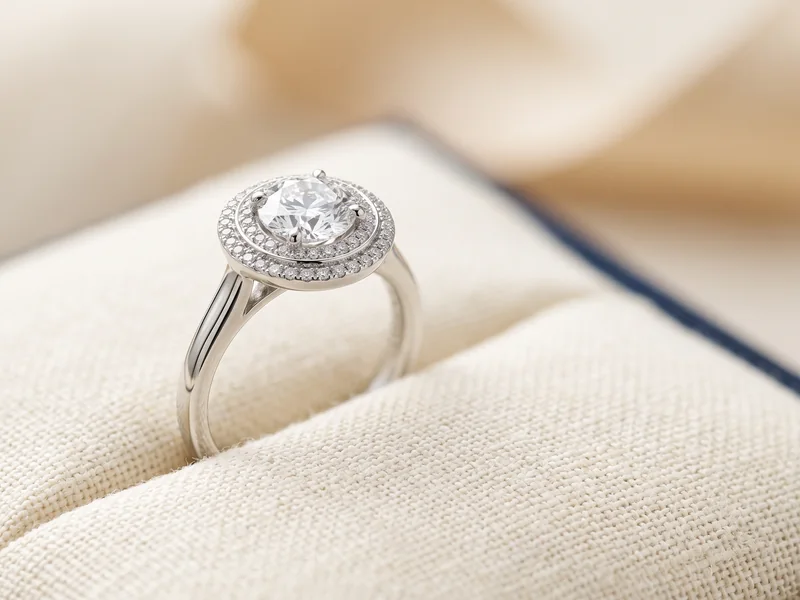 Engagement Rings & SettingsDouble Halo Engagement Rings
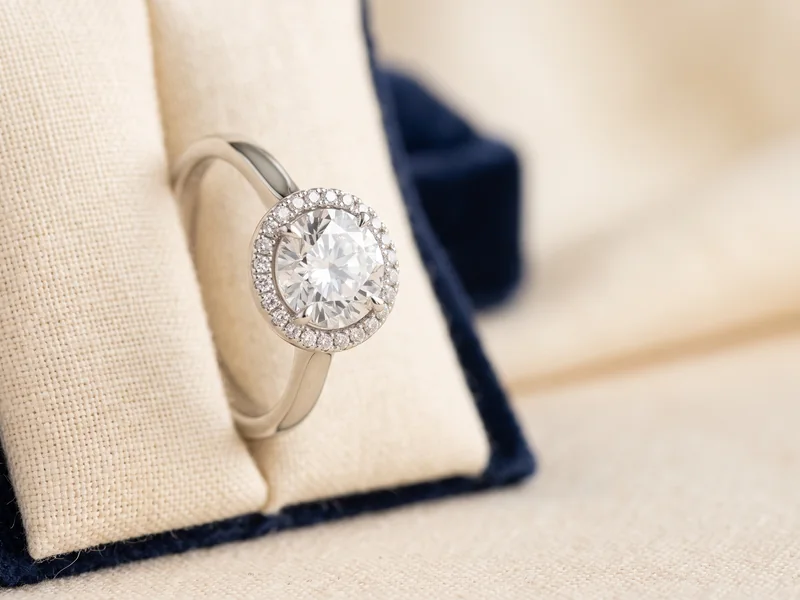 Engagement Rings & SettingsHalo Shapes ExplainedEngagement Rings & SettingsCluster Engagement Rings
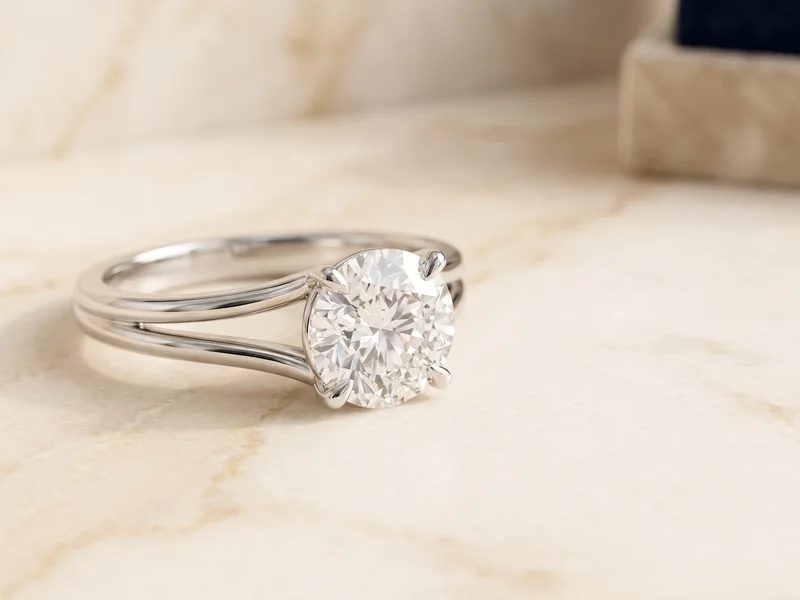 Engagement Rings & SettingsSplit Shank Engagement RingsEngagement Rings & SettingsBypass Engagement Rings
Engagement Rings & Settings
Claws, bezels and how stones are held
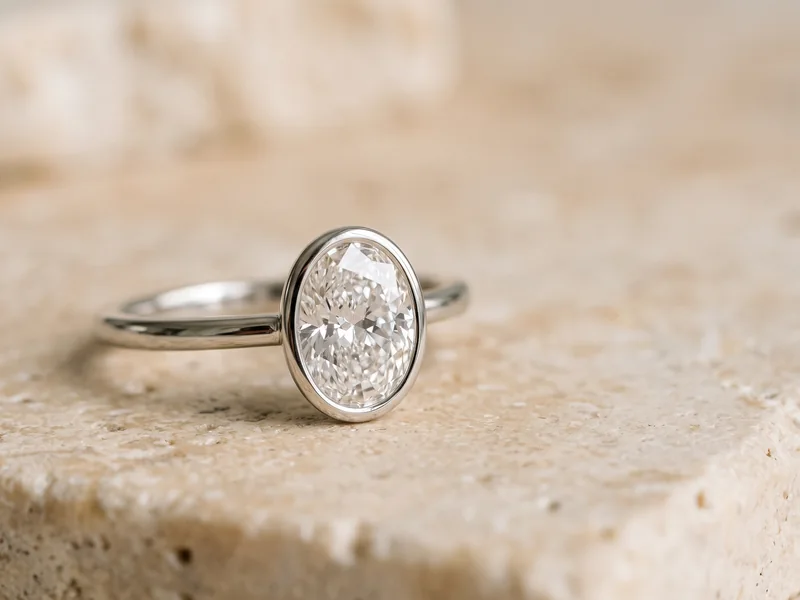 Engagement Rings & SettingsBezel Set Engagement RingsEngagement Rings & SettingsBezel vs Claw Settings for Everyday WearEngagement Rings & SettingsPavé Settings Explained: Micro-Pavé, Bead and Bright CutEngagement Rings & SettingsClaw Types: Round, Eagle, Tab, V-Prong, Double
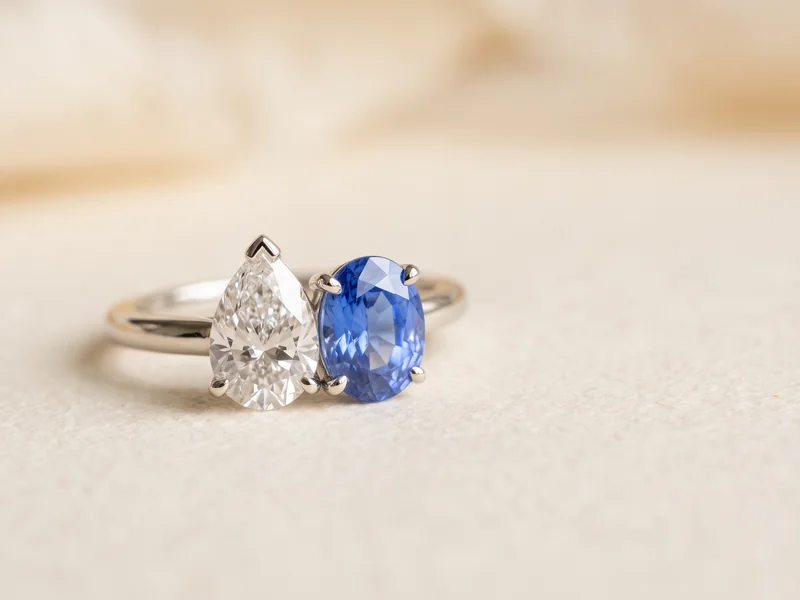 Engagement Rings & SettingsClaw Placement for Pointed Shapes
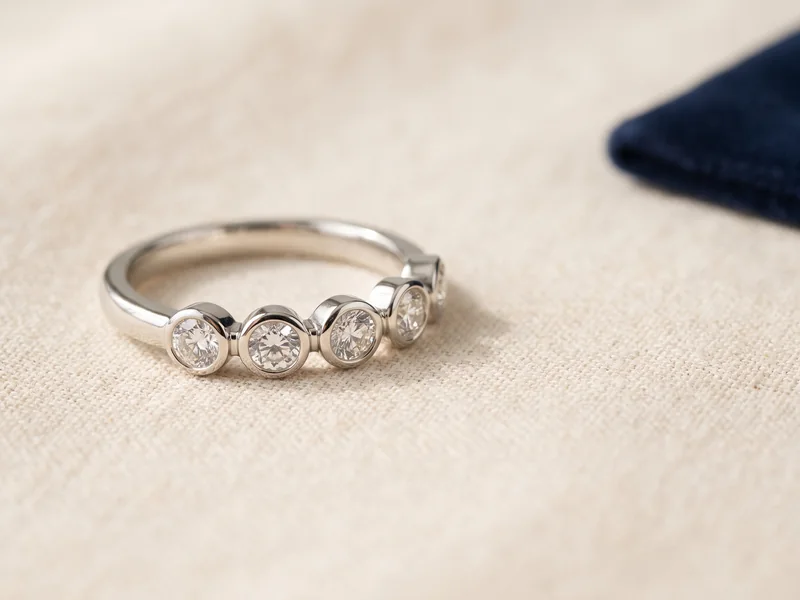 Engagement Rings & SettingsChannel-Set Diamonds: Pros, Cons and Repairs
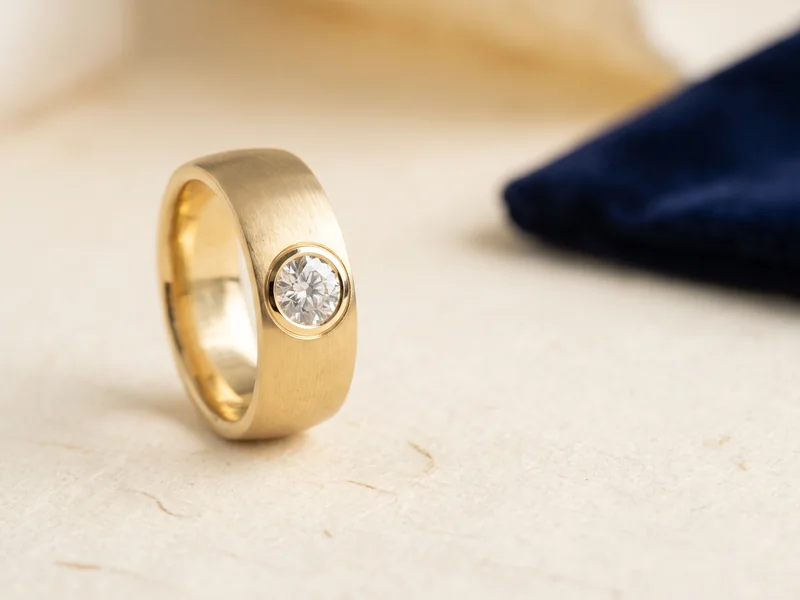 Engagement Rings & SettingsFlush (Gypsy) Settings
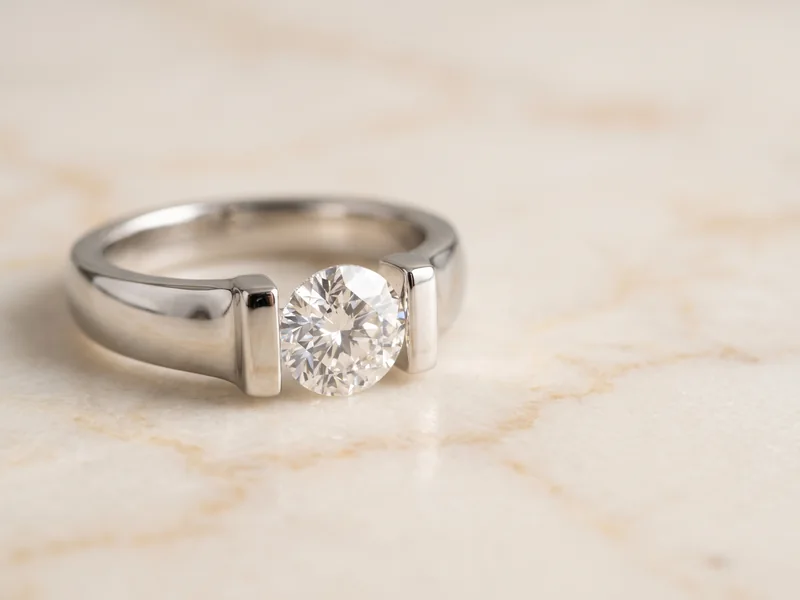 Engagement Rings & SettingsTension and Suspended Settings
Engagement Rings & Settings
Settings by diamond shape
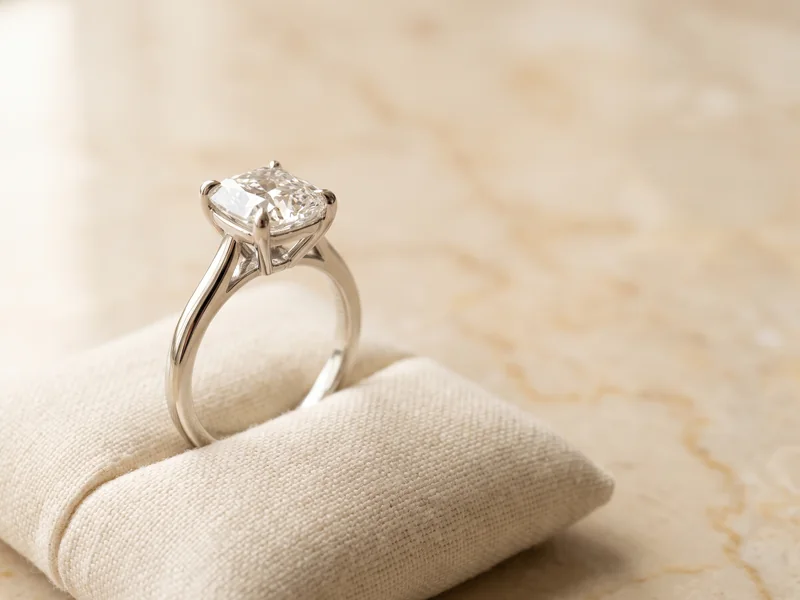 Engagement Rings & SettingsBest Settings for Cushion Diamonds
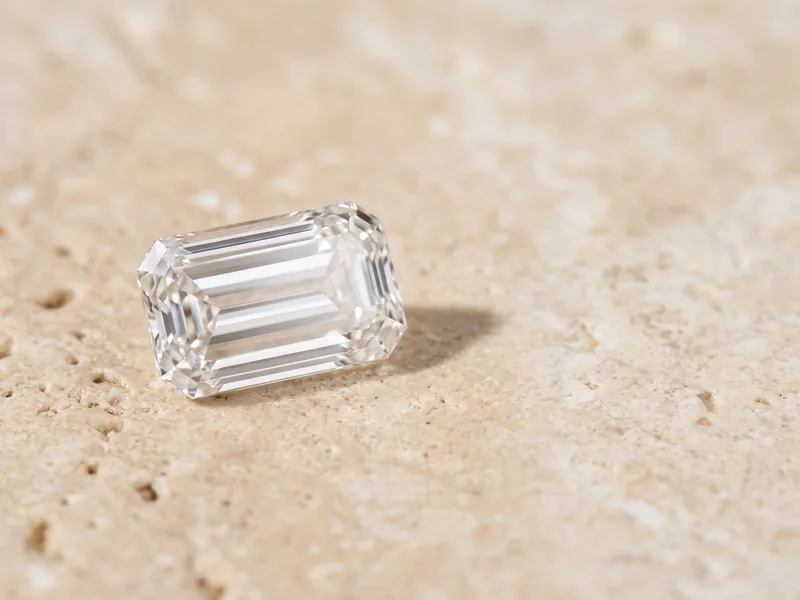 Engagement Rings & SettingsBest Settings for Emerald Cut Diamonds
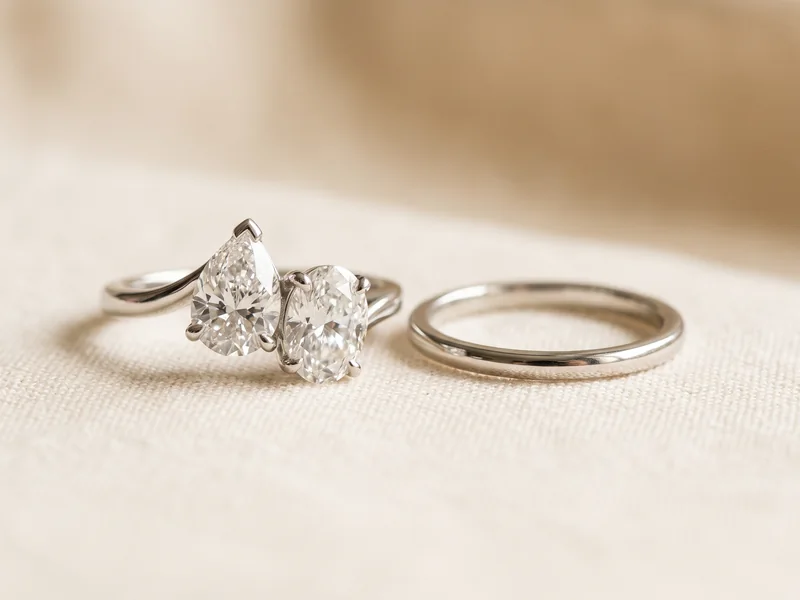 Engagement Rings & SettingsBest Settings for Pear Diamonds
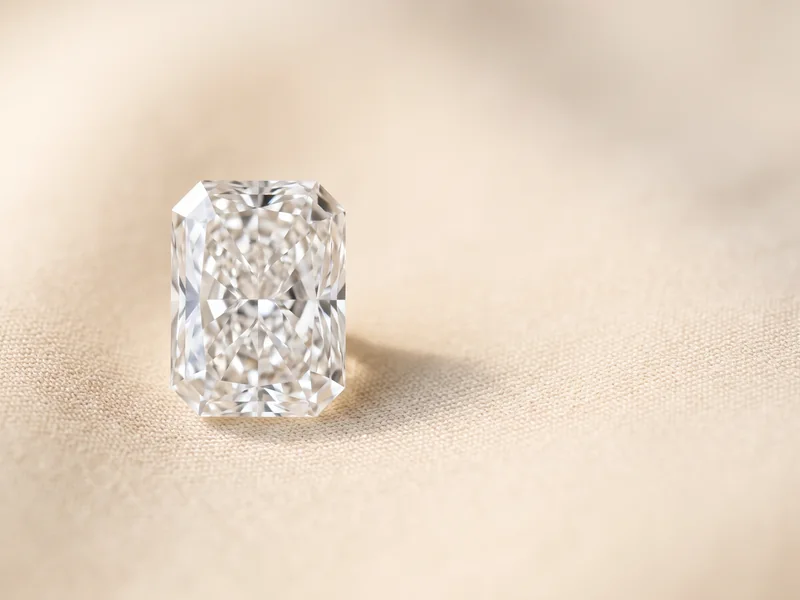 Engagement Rings & SettingsRadiant Cut Engagement Rings
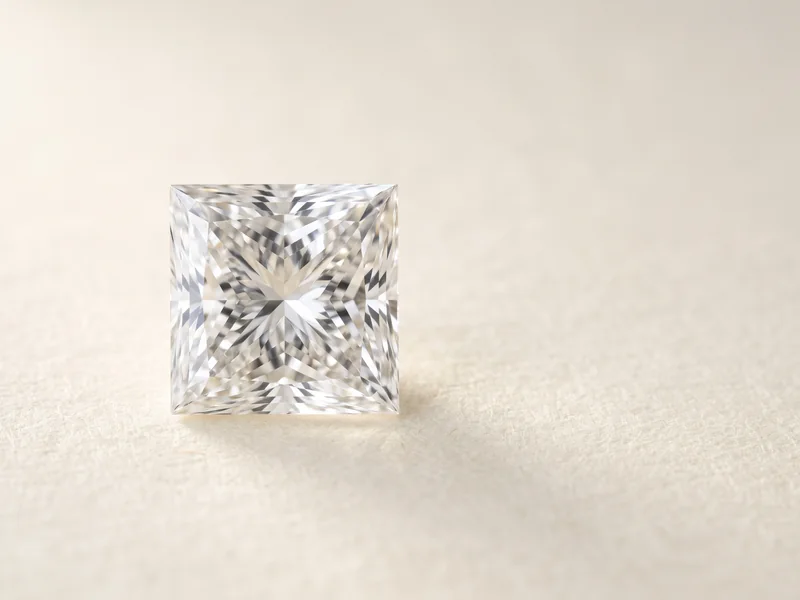 Engagement Rings & SettingsBest Settings for Princess Diamonds
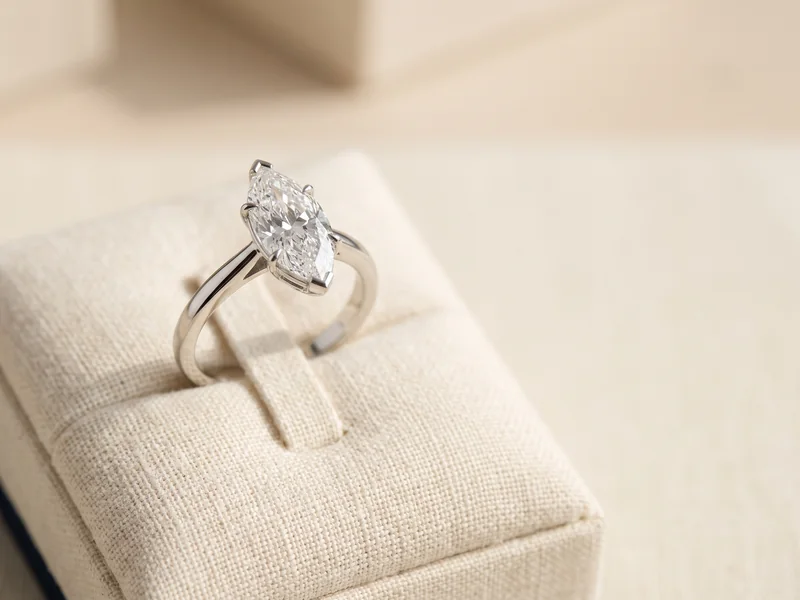 Engagement Rings & SettingsBest Settings for Marquise Diamonds
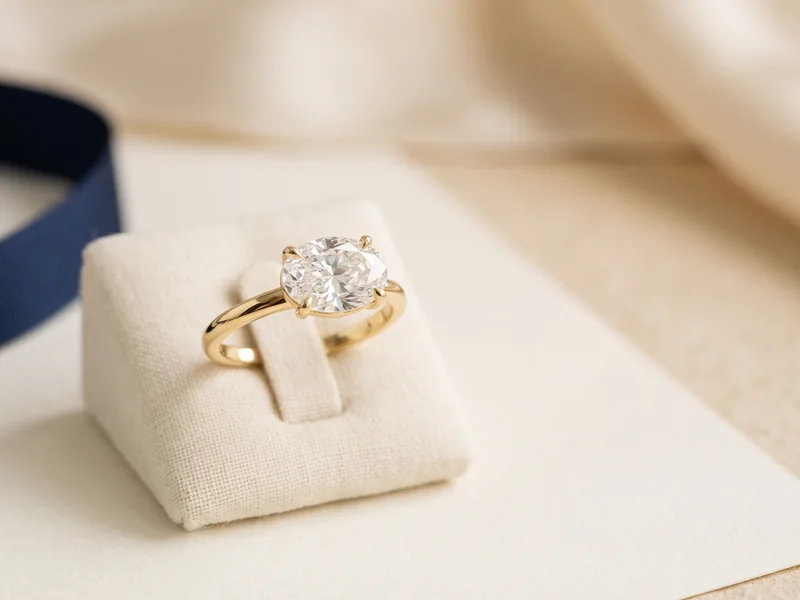 Engagement Rings & SettingsBest Settings for Elongated Diamond ShapesEngagement Rings & SettingsBest Settings for Asscher Diamonds
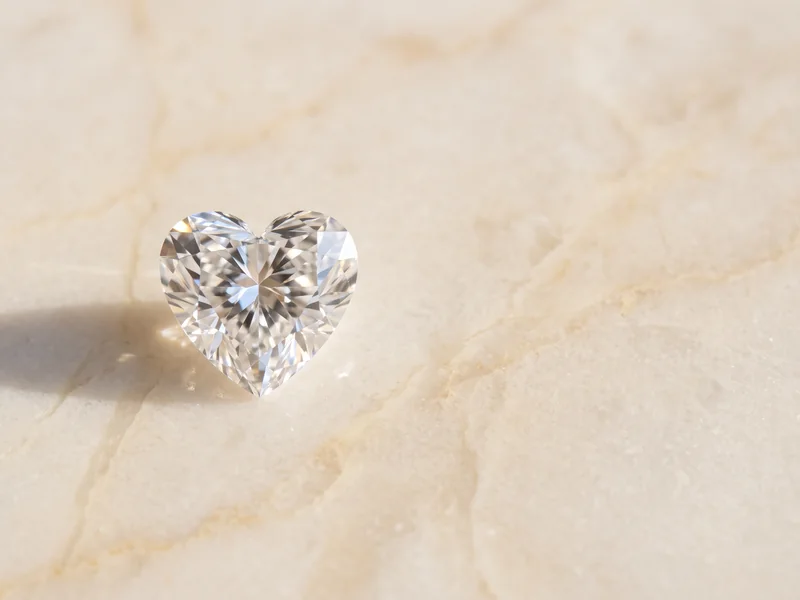 Engagement Rings & SettingsBest Settings for Heart Diamonds
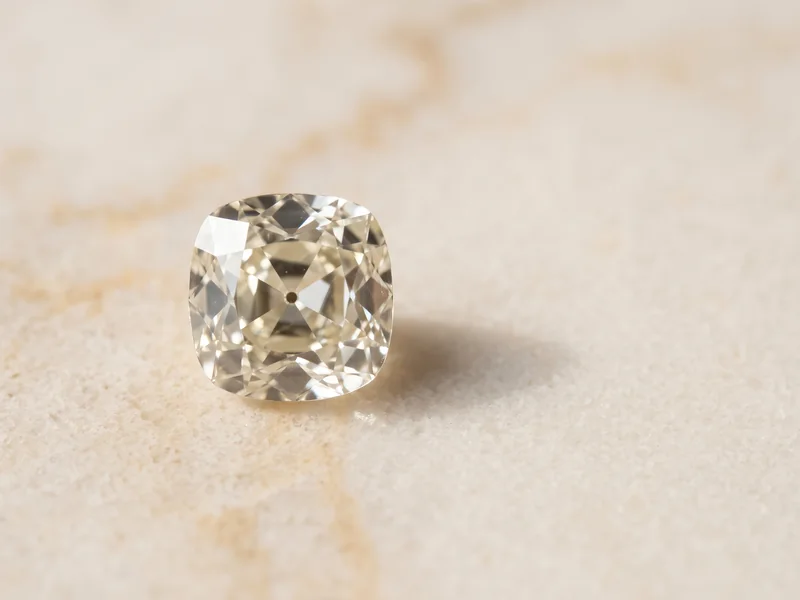 Engagement Rings & SettingsBest Settings for Old Mine DiamondsEngagement Rings & SettingsSettings That Make a Diamond Look Bigger
Engagement Rings & Settings
Bands, comfort and everyday wear
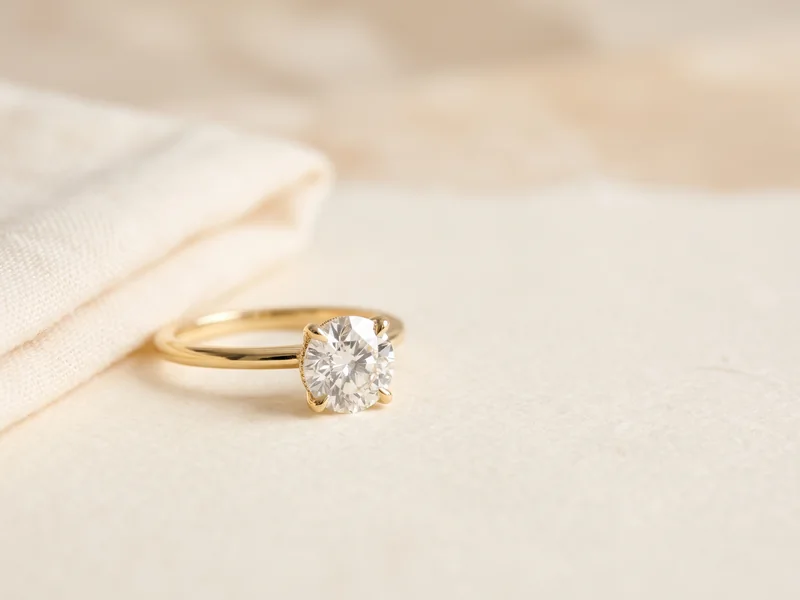 Engagement Rings & SettingsComfort-Fit Engagement Rings: What Changes on the Finger?Engagement Rings & SettingsTapered BandsEngagement Rings & SettingsKnife-Edge BandsEngagement Rings & SettingsTwisted Bands
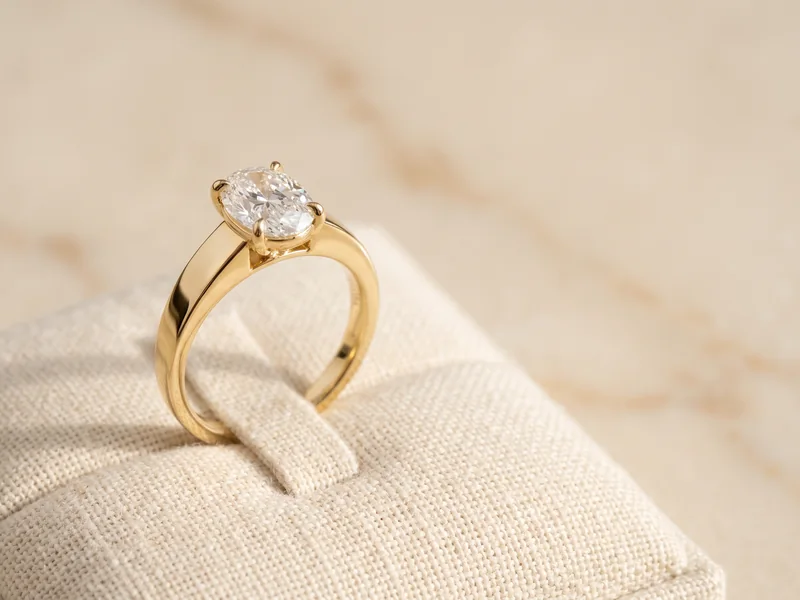 Engagement Rings & SettingsReverse Taper Bands
Engagement Rings & Settings
Modern and unconventional designs
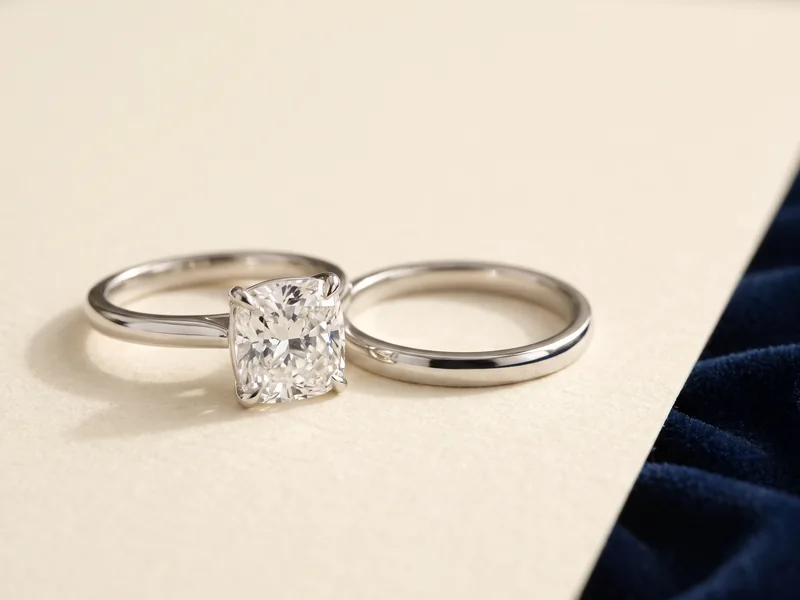 Engagement Rings & SettingsMen's Engagement RingsEngagement Rings & SettingsFloral Engagement Ring Settings
Engagement Rings & Settings
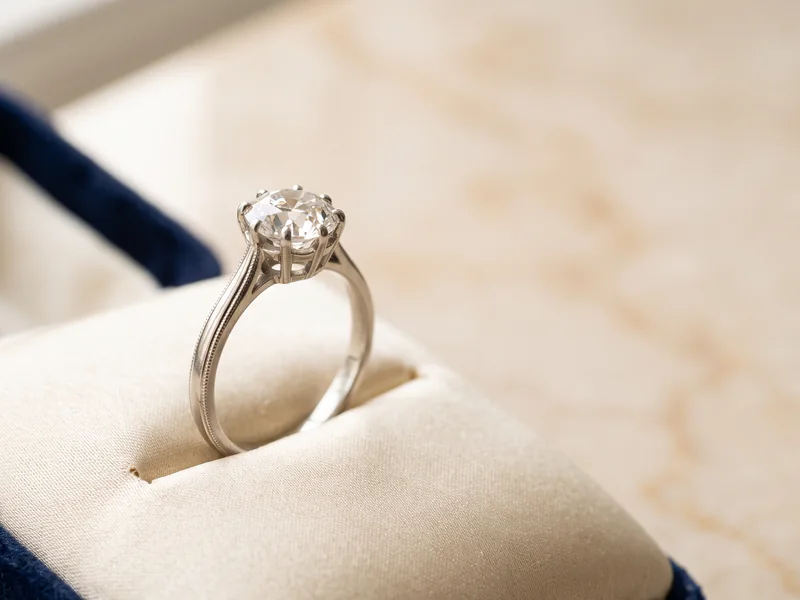
Vintage and period styles
Engagement Rings & Settings
Ring traditions and history
Every guide
All 69 engagement rings & settings guides
Show all 69 guides
- Diamond & Gemstone Setting Guide
- Engagement Rings & Education
- Engagement Ring Anatomy
- Low-Profile vs High-Profile Engagement Rings
- Setting Height and Wedding Band Fit
- Engagement Ring Side Profile Guide
- Basket vs Trellis vs Peg Head Settings
- Under-Gallery Details
- Solitaire Engagement Rings
- Halo Engagement Rings
- Hidden Halo Engagement Rings
- Halo vs Hidden Halo Engagement Rings
- Three-Stone Engagement Rings
- Side-Stone Engagement Rings
- Cathedral Engagement Rings
- Double Halo Engagement Rings
- Halo Shapes Explained
- Cluster Engagement Rings
- Split Shank Engagement Rings
- Bypass Engagement Rings
- Engagement Ring Claw Styles Explained
- Four-Claw vs Six-Claw Solitaire Engagement Rings
- Bezel Set Engagement Rings
- Bezel vs Claw Settings for Everyday Wear
- Pavé Settings Explained: Micro-Pavé, Bead and Bright Cut
- Claw Types: Round, Eagle, Tab, V-Prong, Double
- Claw Placement for Pointed Shapes
- Channel-Set Diamonds: Pros, Cons and Repairs
- Flush (Gypsy) Settings
- Tension and Suspended Settings
- Best Settings for Round Diamonds
- Oval Engagement Rings
- Best Settings for Cushion Diamonds
- Best Settings for Emerald Cut Diamonds
- Best Settings for Pear Diamonds
- Radiant Cut Engagement Rings
- Best Settings for Princess Diamonds
- Best Settings for Marquise Diamonds
- Best Settings for Elongated Diamond Shapes
- Best Settings for Asscher Diamonds
- Best Settings for Heart Diamonds
- Best Settings for Old Mine Diamonds
- Settings That Make a Diamond Look Bigger
- How Lifestyle Should Influence Engagement Ring Design
- Best Engagement Ring Settings for Active Hands
- What Engagement Ring Band Width Should You Choose?
- Engagement Ring Band Widths: 1.8 to 4 mm
- Comfort-Fit Engagement Rings: What Changes on the Finger?
- Tapered Bands
- Knife-Edge Bands
- Twisted Bands
- Reverse Taper Bands
- Toi et Moi Engagement Rings
- How to Balance Two Stones in a Toi et Moi Ring
- East-West Engagement Rings
- Asymmetrical Engagement Rings
- How to Choose an Engagement Ring When You Dislike Traditional Styles
- Hidden Details That Make a Custom Engagement Ring Personal
- Men's Engagement Rings
- Floral Engagement Ring Settings
- Vintage-Inspired Engagement Rings with Old-World Detail and Custom Character
- Art Deco Engagement Rings
- Edwardian and Victorian Engagement Rings
- Filigree Engagement Rings
- Which Finger Does an Engagement Ring Go On?
- History of Engagement Rings
- History of Wedding Rings
- Promise Rings Explained
- Right-Hand Rings Explained

Ask a gemologist
Talk it through with a gemologist
Raj Sood is a Graduate Gemologist (GIA) and master jeweller. Bring the stones you are considering, or send the reports, and he will explain the differences in plain language.
FAQ
Engagement Rings & Settings questions
What is the most secure engagement ring setting?
A full bezel, which wraps metal around the stone's edge, generally offers the most protection. Six-claw and low-profile settings are also good choices if you want a claw look with extra security.
Should I choose four claws or six claws?
Four claws show more of the diamond and give a slightly squarer outline, while six claws hold the stone more securely and look rounder. The right choice depends on your stone's size and how hard you are on your hands.
Will my engagement ring sit flush with a wedding band?
It depends on the setting height and gallery design. Low settings and some cathedral styles may need a curved or contoured band, so it's worth checking fit before the design is finalised.
Do halo settings make a diamond look bigger?
Yes, a halo of small diamonds around the centre stone usually makes it appear larger from above. Thin bands, elongated shapes and white metal claws can also add to the effect.
How wide should an engagement ring band be?
Most engagement ring bands fall between about 1.8 and 3 mm. Finer bands make the centre stone look larger, while wider bands are sturdier and often suit larger hands or heavier stones.
How often should claws and settings be checked?
A professional check every six to twelve months is sensible, and sooner if you notice a catching claw or a loose stone. Pavé and channel settings benefit from regular inspection because small stones can work loose.