
- Education
- Lab-Grown Diamonds
Lab-grown diamond guides
Lab-Grown Diamonds Guide: How They're Made, Graded and Bought
Lab-grown diamonds are real diamonds made in a laboratory rather than mined. These guides explain how they're grown, how to judge quality and paperwork, and what to weigh up before you buy.
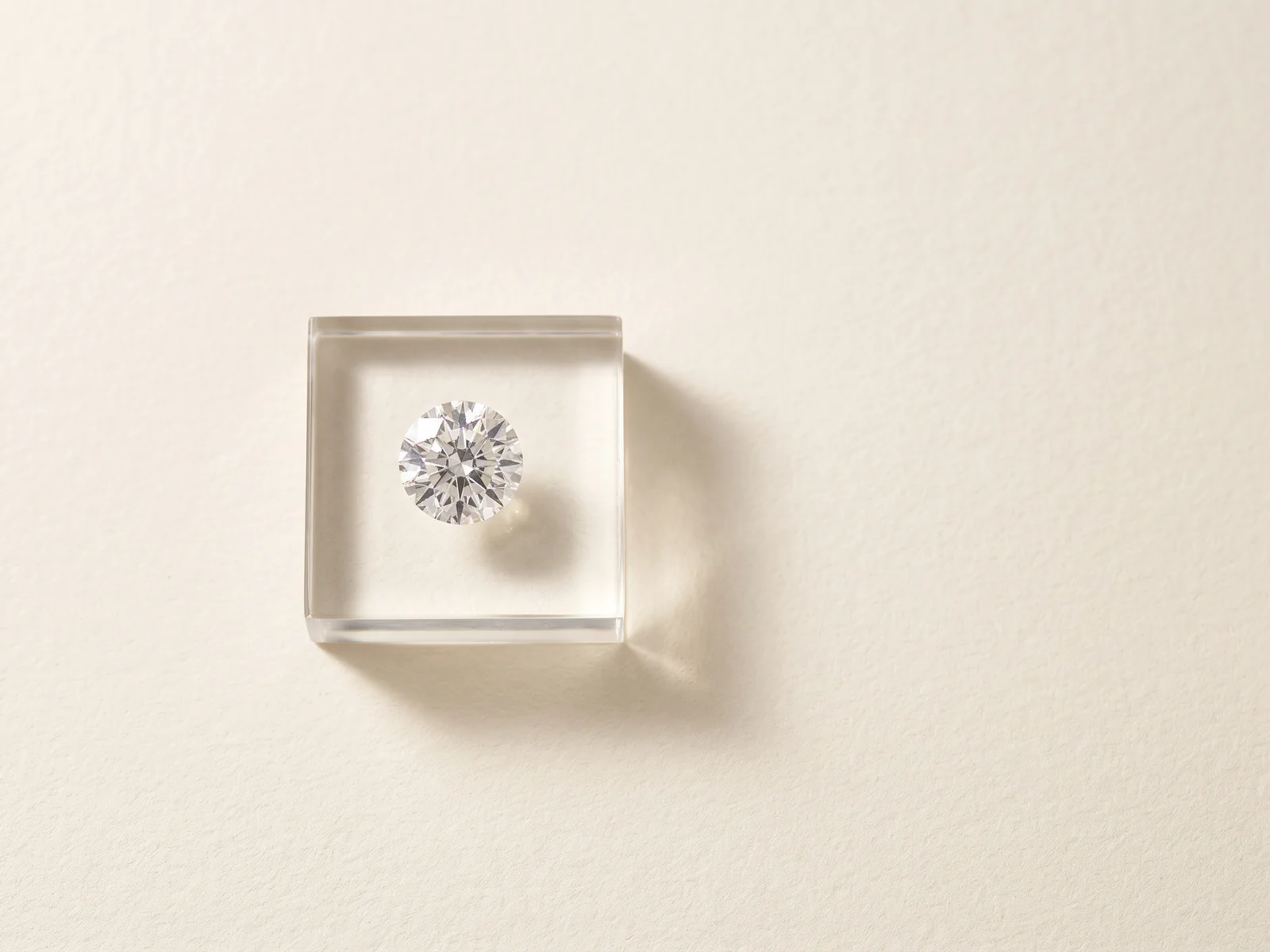
A lab-grown diamond has the same carbon crystal structure, hardness and sparkle as a mined diamond. The difference is its origin, and that origin affects price, resale, identification and how the stone must be described. If you're new to the topic, begin with how lab-grown and natural diamonds compare and the two main growing methods.
From there, the guides move into grading: cut, colour, clarity and carat, plus characteristics specific to HPHT and CVD growth, such as blue nuance, brown tint and metallic inclusions. We then cover grading reports, laser inscriptions and how laboratories separate lab-grown from natural stones.
Later sections deal with practical buying decisions, including choosing by carat size, matching earrings, price drivers, insurance and care. There are also guides on Australian labelling rules, sustainability claims, and alternatives like moissanite and white sapphire. GemTrove has worked with diamonds since 2008, and our founder Raj Sood is a GIA Graduate Gemologist. We aim to give clear, balanced information so you can choose with confidence.

Start here
A simple path through the basics
- Are Lab-Grown Diamonds Real DiamondsStart with what a lab-grown diamond actually is and why gemmologists class it as a real diamond.
- Lab-Grown Diamonds vs Natural DiamondsCompare lab-grown and mined diamonds on appearance, durability, price and long-term value.
- HPHT vs CVD Lab-Grown DiamondsLearn the two main growing methods and the typical traits each one can leave in a stone.
- How to Read an IGI Report for a Lab-Grown DiamondWork through a grading report line by line so you know what each grade and comment means.
- Questions to Ask a Jeweller Before Buying a Lab-Grown DiamondTake a short list of practical questions with you before you commit to a particular stone.
Lab-Grown Diamonds
Lab-grown diamond basics
 Lab-Grown DiamondsAre Lab-Grown Diamonds Real Diamonds
 Lab-Grown DiamondsHow Are Lab-Grown Diamonds Manufactured?Lab-Grown DiamondsHPHT vs CVD Lab-Grown DiamondsLab-Grown DiamondsType IIa Diamonds ExplainedLab-Grown DiamondsWhat Is Post-Growth Treatment in a Lab-Grown Diamond?Lab-Grown DiamondsCan I Make a Lab-Grown Diamond or Gemstone at Home?
Lab-Grown Diamonds
Grading quality and growth characteristics
Lab-Grown Diamonds
Reports, testing and identification
Lab-Grown Diamonds
Choosing by size and jewellery style
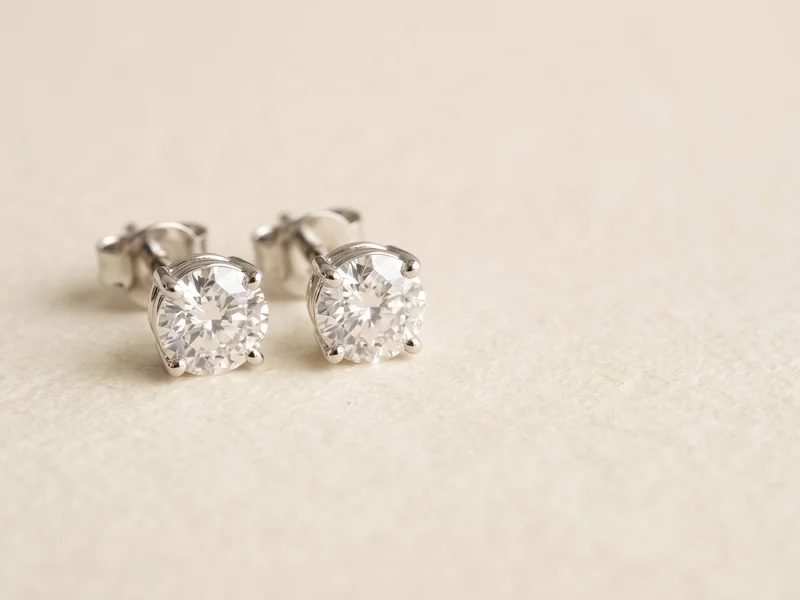 Lab-Grown DiamondsLab-Grown Diamonds for Earrings and Tennis BraceletsLab-Grown DiamondsMatching Two Lab-Grown Diamonds for EarringsLab-Grown DiamondsLab-Grown Diamond Melee in Pavé and Halo Settings
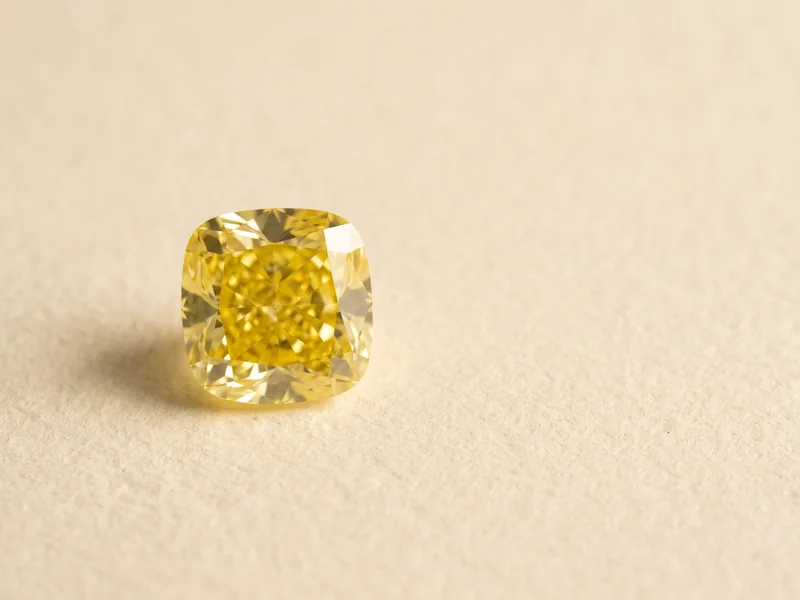 Lab-Grown DiamondsLab-Grown Fancy Colour Diamonds
Lab-Grown Diamonds
Price, buying and ownership
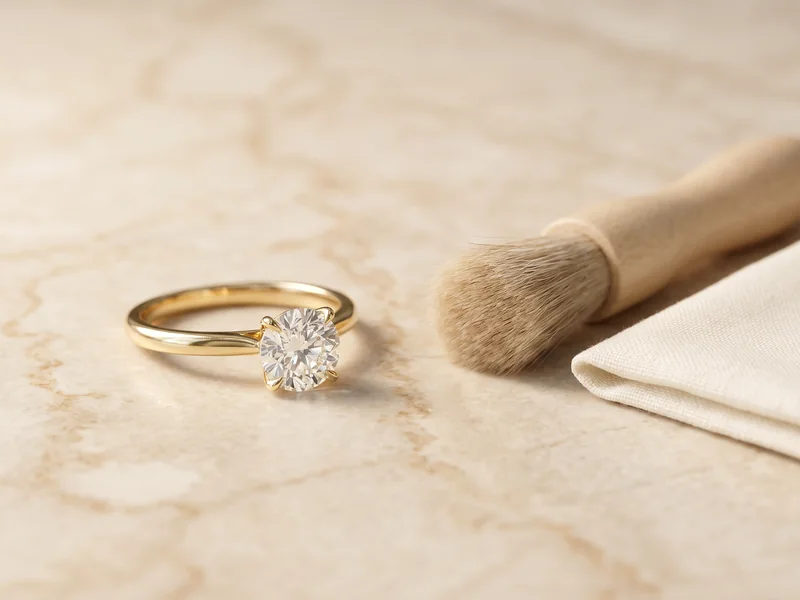 Lab-Grown DiamondsDo Lab-Grown Diamonds Need Different Care?
Lab-Grown Diamonds
Labelling, ethics and sustainability
Lab-Grown Diamonds
Moissanite, simulants and other lab-grown gems
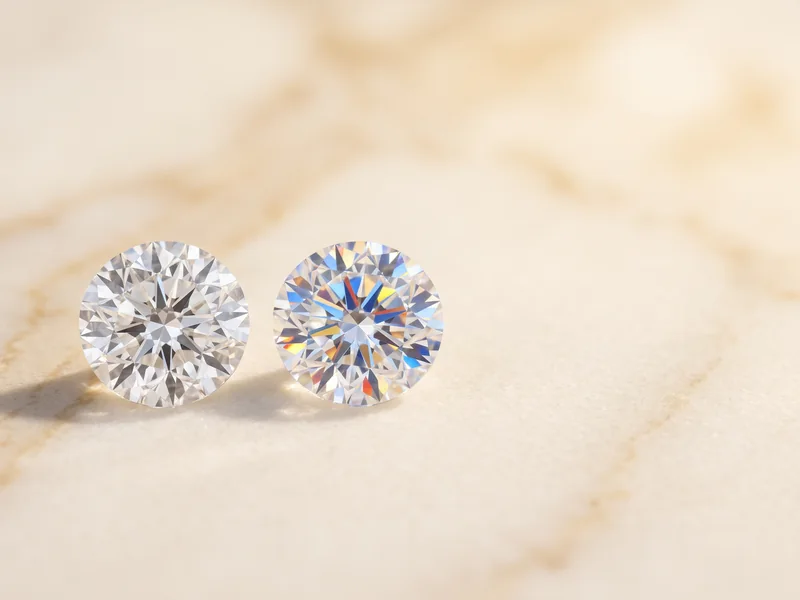 Lab-Grown DiamondsLab-Grown Diamond vs MoissaniteLab-Grown DiamondsMoissanite vs DiamondLab-Grown DiamondsLab-Grown Diamonds vs White SapphireLab-Grown DiamondsLab-Grown Diamonds vs Cubic ZirconiaLab-Grown DiamondsMoissanite vs Cubic Zirconia
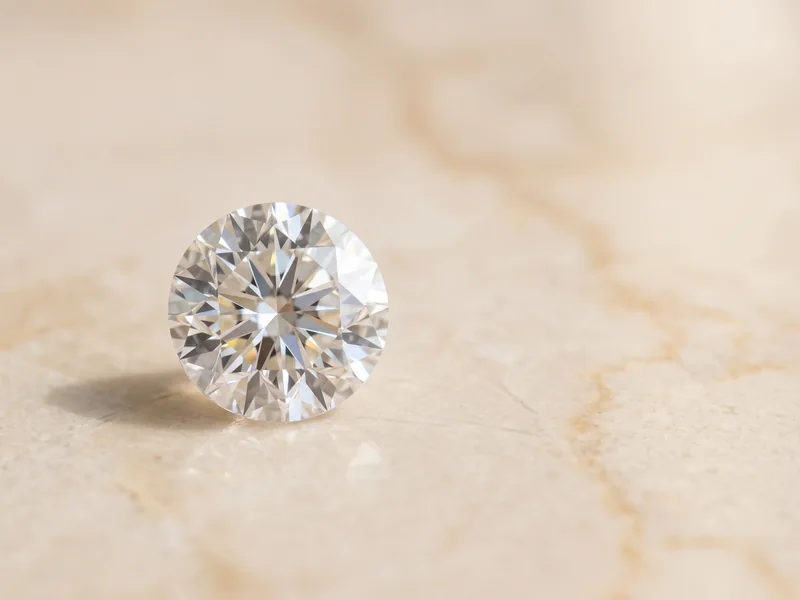 Lab-Grown DiamondsMoissanite Colour and Clarity GradesLab-Grown DiamondsDoes Moissanite Pass a Diamond Tester?
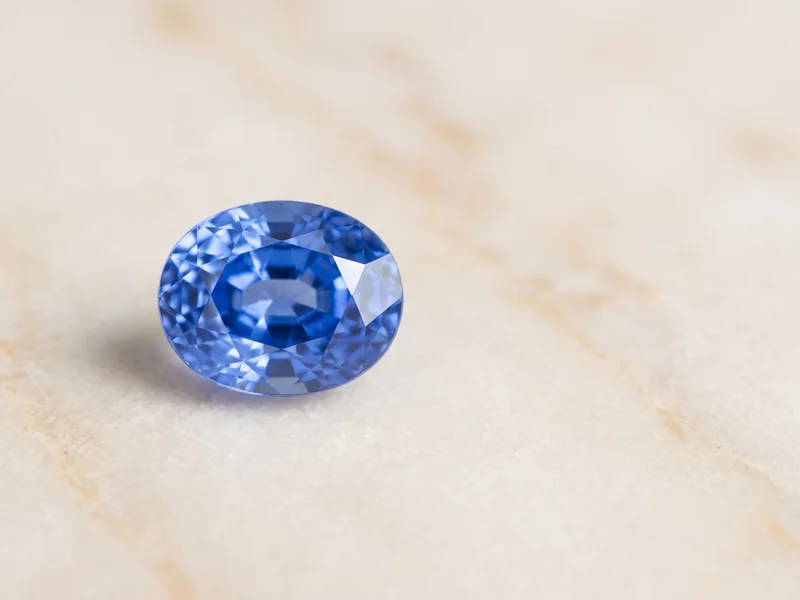 Lab-Grown DiamondsLab-Grown Sapphire, Ruby and Emerald
Every guide
All 48 lab-grown diamonds guides
Show all 48 guides
- Lab-Grown Diamonds vs Natural Diamonds
- Are Lab-Grown Diamonds Real Diamonds
- How Are Lab-Grown Diamonds Manufactured?
- HPHT vs CVD Lab-Grown Diamonds
- Type IIa Diamonds Explained
- What Is Post-Growth Treatment in a Lab-Grown Diamond?
- Can I Make a Lab-Grown Diamond or Gemstone at Home?
- Lab-Grown Diamond Cut Quality
- Lab-Grown Diamond Colour Grades
- Lab-Grown Diamond Clarity: What's Typical
- Lab-Grown Diamond Carat Sizes: 1 to 5 Carats
- Lab-Grown Diamond Fluorescence Explained
- CVD Growth Striations: Should Buyers Worry?
- Brown or Grey Tint in CVD Lab-Grown Diamonds
- Blue Nuance in HPHT Lab-Grown Diamonds
- Metallic Inclusions in HPHT Lab-Grown Diamonds
- How to Read an IGI Report for a Lab-Grown Diamond
- GIA Premium vs Standard Lab-Grown Diamond Assessments
- How to Verify a Lab-Grown Diamond Report and Inscription
- How Laboratories Identify Natural vs Lab-Grown Diamonds
- Can a Diamond Tester Tell Natural From Lab-Grown?
- Do Lab-Grown Diamonds Test as Diamonds
- How to Tell if a Diamond Is Real
- Choosing a 1 Carat Lab-Grown Diamond
- Choosing a 2 Carat Lab-Grown Diamond
- Choosing a 3 Carat Lab-Grown Diamond
- Large Lab-Grown Diamonds: What Changes Above 3 Carats?
- Lab-Grown Diamonds for Earrings and Tennis Bracelets
- Matching Two Lab-Grown Diamonds for Earrings
- Lab-Grown Diamond Melee in Pavé and Halo Settings
- Lab-Grown Fancy Colour Diamonds
- What Actually Drives Lab-Grown Diamond Prices?
- Questions to Ask a Jeweller Before Buying a Lab-Grown Diamond
- Buying a Lab-Grown Diamond Online vs in a Showroom
- Lab-Grown Diamond Resale Value: Questions to Ask Before Buying
- Should a Lab-Grown Diamond Be Insured?
- Do Lab-Grown Diamonds Need Different Care?
- Lab-Grown Diamond Terms in Australia (ACCC Rules)
- Are Lab-Grown Diamonds More Sustainable? Questions to Ask
- Are Lab-Grown Diamonds Conflict-Free? How to Use the Term Carefully
- Lab-Grown Diamond vs Moissanite
- Moissanite vs Diamond
- Lab-Grown Diamonds vs White Sapphire
- Lab-Grown Diamonds vs Cubic Zirconia
- Moissanite vs Cubic Zirconia
- Moissanite Colour and Clarity Grades
- Does Moissanite Pass a Diamond Tester?
- Lab-Grown Sapphire, Ruby and Emerald

Ask a gemologist
Talk it through with a gemologist
Raj Sood is a Graduate Gemologist (GIA) and master jeweller. Bring the stones you are considering, or send the reports, and he will explain the differences in plain language.
FAQ
Lab-Grown Diamonds questions
Are lab-grown diamonds real diamonds?
Yes. They are crystallised carbon with the same structure, hardness and optical properties as mined diamonds. Only their origin differs, which is why they must be clearly described as lab-grown.
Can you see the difference between a lab-grown and a natural diamond?
Not with the naked eye or a standard jeweller's loupe. Laboratories use spectroscopy and specialised imaging to identify origin, and reputable reports state it clearly.
Will a diamond tester pass a lab-grown diamond?
Yes. Standard thermal and electrical testers respond to lab-grown diamonds just as they do to natural ones, so a tester alone can't tell you a diamond's origin.
Do lab-grown diamonds hold their value?
Resale value for lab-grown diamonds is generally limited and less predictable than for natural diamonds, partly because production costs have fallen. It's sensible to buy for enjoyment rather than as an investment and to ask about buy-back or upgrade policies.
What's the difference between HPHT and CVD diamonds?
HPHT recreates the high pressure and heat of the earth's mantle, while CVD builds diamond layer by layer from a carbon-rich gas. Both produce real diamonds, and each can leave typical traits that a grading report or gemmologist can explain.
How must lab-grown diamonds be described in Australia?
Under Australian Consumer Law, sellers must not mislead buyers about a diamond's origin. In practice, a lab-grown diamond should be clearly described with a qualifier such as 'lab-grown' or 'laboratory-created'.