
- Education
- Natural Diamonds
Natural Diamonds
Natural Diamonds Guide: From Deep Earth to Your Jewellery
Natural diamonds take billions of years to form and travel a long way before they reach a jeweller's bench. These guides explain what they are, where they come from and what shapes their rarity and value.
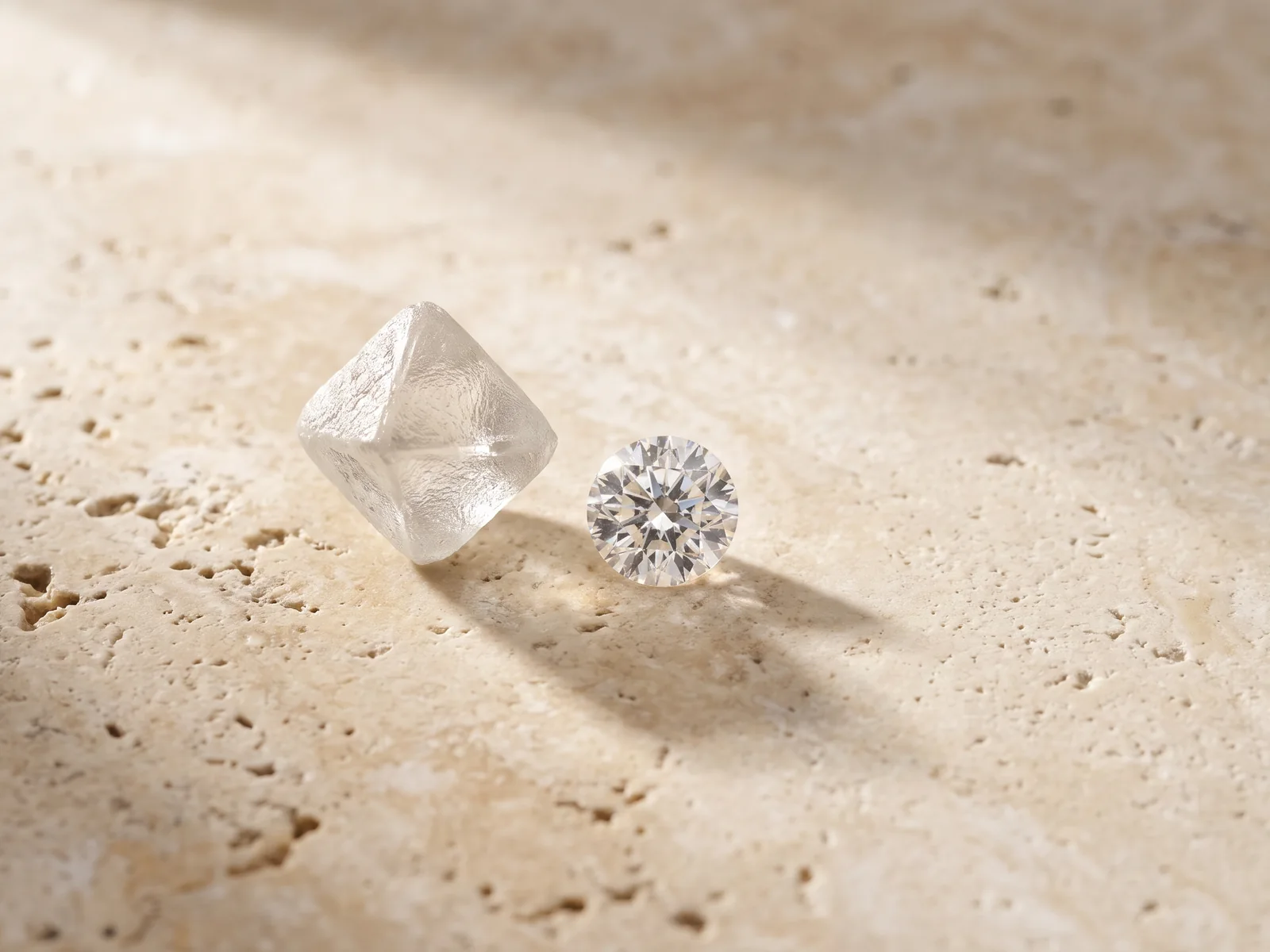
A natural diamond is pure carbon crystallised under intense heat and pressure deep inside the Earth, then carried to the surface by ancient volcanic eruptions. Knowing that story helps you make sense of everything else, from grading reports to price. Start with what makes a diamond special and how natural diamonds are formed, then explore the science of diamond types.
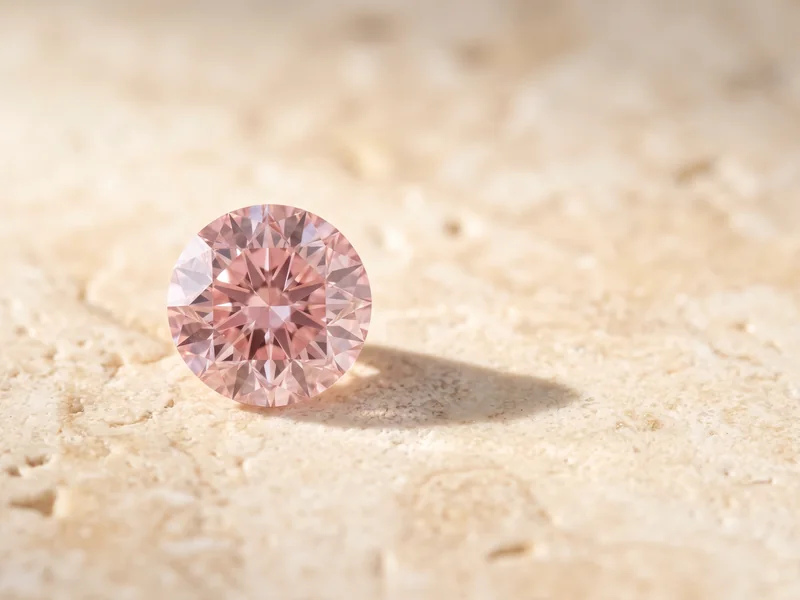
Where a diamond comes from matters to many buyers. Our sourcing guides cover the Kimberley Process, responsible supply chains and the major mining regions, including Australia's own Argyle mine.
The later guides look at rarity, long-term value, antique and old-stock stones, reusing a family diamond and the famous gems that have shaped diamond history. The guides are written by GemTrove, a jeweller in business since 2008, with input from Graduate Gemologist (GIA) Raj Sood. Read them in order or jump to the topic you need.

Start here
A simple path through the basics
- What Makes a Diamond Special?Begin with the properties that set diamond apart from every other gemstone.
- How Are Natural Diamonds Formed?Follow a diamond's journey from deep in the Earth's mantle to the surface.
- Where Diamonds Are MinedGet an overview of the world's main diamond-producing regions and how mining works.
- Conflict-Free Diamonds – Responsible Sourcing at GemTroveUnderstand what responsible sourcing means and the questions worth asking a jeweller.
- Natural Diamond Rarity by SizeSee why larger natural diamonds become rarer so quickly and how that affects price.
Natural Diamonds
Understanding natural diamonds
Natural Diamonds
Ethical sourcing
Natural Diamonds
Where diamonds are mined
Natural Diamonds
Rarity and value
Natural Diamonds
Heirloom, antique and famous diamonds
Every guide
All 14 natural diamonds guides
Show all 14 guides
- What Makes a Diamond Special?
- How Are Natural Diamonds Formed?
- Diamond Types Ia, Ib, IIa and IIb
- HPHT Natural Diamonds
- Conflict-Free Diamonds – Responsible Sourcing at GemTrove
- The Kimberley Process Explained
- Where Diamonds Are Mined
- Argyle Mine and Australian Diamonds
- Canadian Diamonds
- Natural Diamond Rarity by Size
- Natural Diamond Value Over Time
- Reusing a Family Diamond
- Old-Stock and Antique Diamonds
- The World's Most Famous Diamonds

Ask a gemologist
Talk it through with a gemologist
Raj Sood is a Graduate Gemologist (GIA) and master jeweller. Bring the stones you are considering, or send the reports, and he will explain the differences in plain language.
FAQ
Natural Diamonds questions
How old are natural diamonds?
Most natural diamonds formed roughly one to three and a half billion years ago, around 150 to 200 kilometres below the surface. They were brought up much later by deep-source volcanic eruptions.
What is the Kimberley Process?
It is an international certification scheme, in place since 2003, designed to stop rough diamonds from funding armed conflict. It is an important baseline, though it does not cover every ethical concern, so many buyers also ask about a stone's wider supply chain.
Are Argyle diamonds still being mined?
No. The Argyle mine in Western Australia closed in late 2020 after decades of production, which is one reason its pink diamonds are so sought after.
What is a Type IIa diamond?
Type IIa diamonds contain almost no measurable nitrogen, which often gives them exceptional colour and transparency. They make up only a small percentage of natural diamonds.
Can a natural diamond be treated with HPHT?
Yes. High-pressure, high-temperature treatment can change the colour of some natural diamonds, and reputable grading labs disclose it on the report. A treated stone is still natural but is valued differently from an untreated one.
Can I reuse a diamond from a family ring?
Usually, yes. A jeweller can check the stone for chips or wear, then reset it in a new design or the original setting can be restored.