
- Education
- Jewellery Types
- Hoop and Huggie Earrings: Styles, Sizes, Closures and What to Look For
Jewellery types
Hoop and Huggie Earrings: Styles, Sizes, Closures and What to Look For
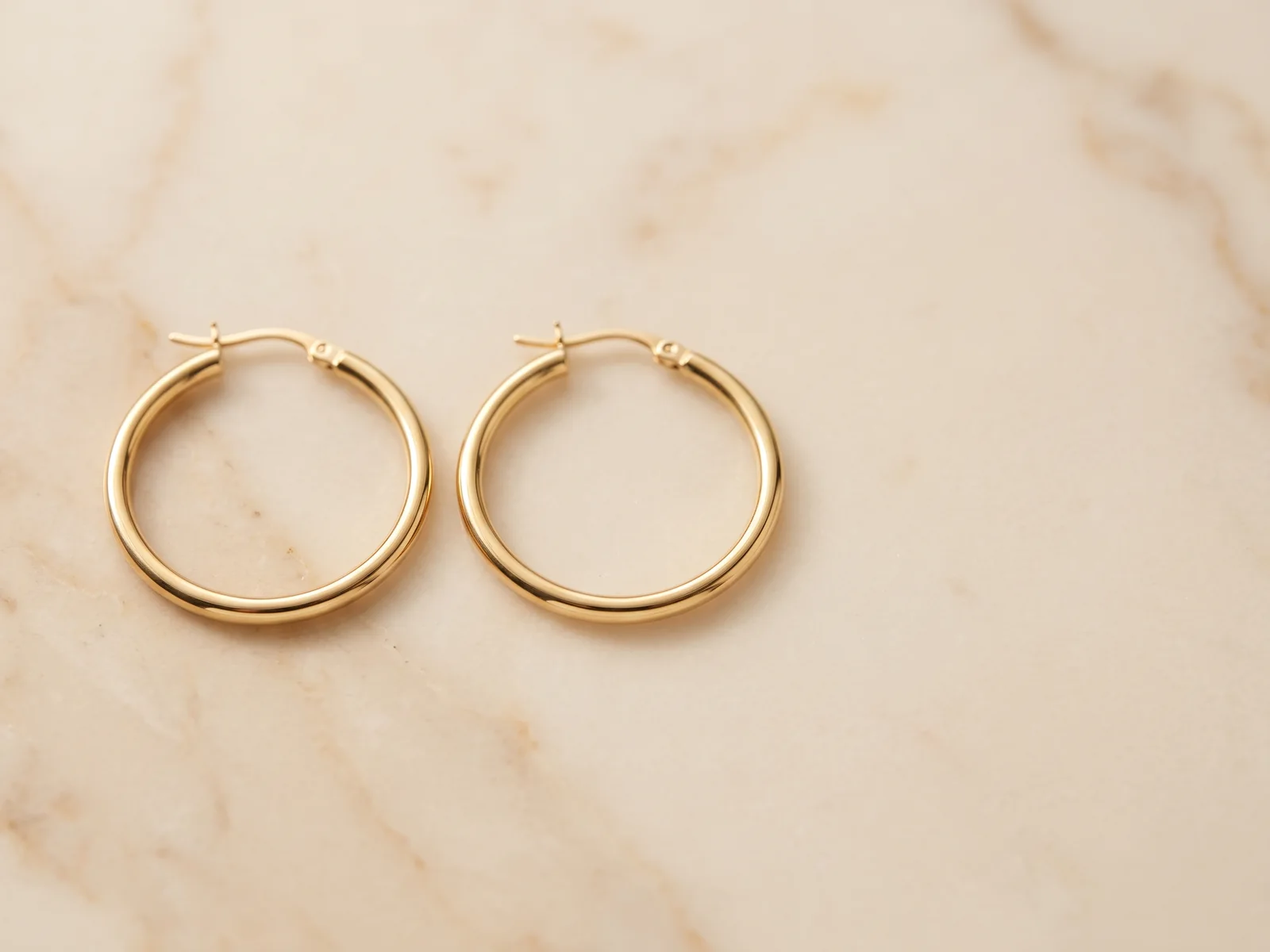
Hoop and huggie earrings are the pairs people wear every day, so small details decide whether they stay comfortable and stay put. Here is what to check: diameter, thickness, closure, metal and how any diamonds are set.
 Reviewed by Raj Sood, Graduate Gemologist (GIA), AJP (GIA)Master jeweller and Graduate Gemologist (GIA) · reviewed 4 November 2026
Quick answer
Hoop and huggie earrings are both circular earrings that pass through the piercing and close on themselves. Huggies are small, about 6–12 mm across, and sit snugly against the lobe; hoops start around 15 mm and hang lower. Choose by diameter in millimetres, a secure hinged or latch closure, solid rather than thin hollow metal, and a comfortable thickness.
What are hoop and huggie earrings?
A hoop is an earring shaped as a full or partial circle that passes through the piercing and closes on itself, with no separate stud and back. A huggie is simply a small, usually thicker hoop that "hugs" the earlobe, sitting close to the skin instead of hanging below it. The name is now the standard trade word for any small, snug hoop.
Both styles sit in the same family, which is why we cover them together. They differ mainly in diameter, thickness and how they close. If you are still working out which type of earring suits you, our overview of every type of jewellery puts hoops alongside studs, drops and climbers, and our jewellery glossary of terms explains any word here you have not met before.
Hoops and huggies come plain or set with stones, in round, oval, square or geometric outlines, and as full circles or as half hoops (a front-facing curve fitted with a post and butterfly back). Huggies have largely taken over the role small studs used to play as the earring people never take out. If you are weighing up a stud instead, diamond stud sizes by carat weight shows how big each size looks on the lobe.
What is the difference between a hoop and a huggie?
There is no official cut-off, but in the trade a huggie is usually under about 12–14 mm outer diameter and 2–5 mm thick, and it wraps the lobe with almost no gap. A hoop is larger, often thinner for its size, and swings a little as you move. The comparison below sets out how they differ from the two other everyday earring styles.
| Huggie | Hoop | Stud | Drop | |
|---|---|---|---|---|
| Typical size | 6–12 mm diameter | 15–60 mm diameter | 3–8 mm stone | 10–50 mm long |
| How it sits | Snug against the lobe | Hangs and moves | Flat on the lobe | Hangs below the lobe |
| Usual closure | Hinged snap | Hinged, latch or endless wire | Butterfly or screw back | Hook, lever-back or post |
| Comfort for sleeping | Usually good | Large sizes can catch | Good with flat backs | Usually removed |
| Snag risk | Low | Higher with size | Low | Moderate |
| Suits extra piercings | Yes, often | Small sizes only | Yes | Rarely |
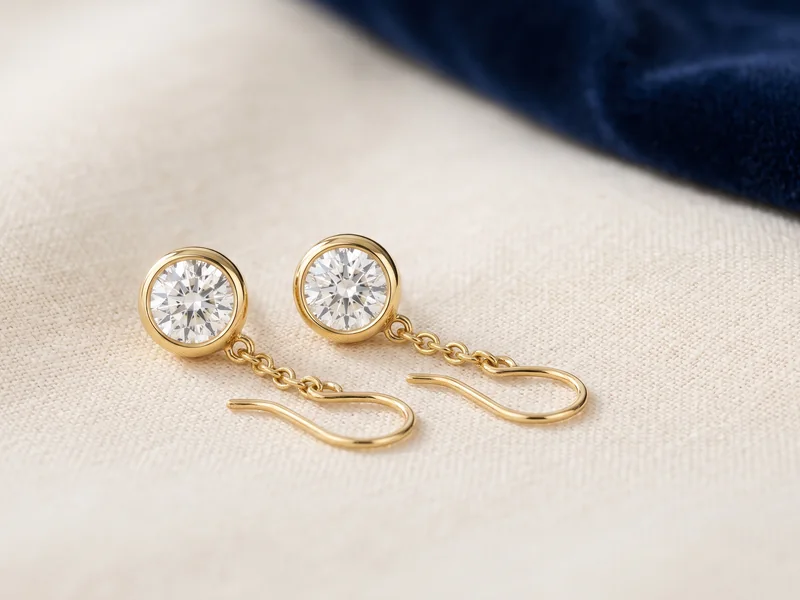
The practical difference is movement. A huggie stays in place and reads as a neat band of metal or diamonds at the lobe. A hoop frames the jaw and catches light as it moves, but a large one can catch on hair, scarves and seatbelts. If you like movement but want a stone to hang free, look at how drop earrings are set and hung instead.
What size hoop earrings should I get?
Hoop earring sizes are given in millimetres, but be careful which measurement you are reading. Outer diameter is measured across the outside edges and is how most jewellers list size. Inner diameter is the open space inside the hoop, and it decides how snugly a huggie fits your lobe. A 10 mm huggie made from 2.5 mm thick tube has an inner diameter of only about 5 mm, so it sits closer than a thin 10 mm hoop.
| Outer diameter | Style | How it looks on most ears |
|---|---|---|
| 6–8 mm | Small huggie | Hugs the lobe tightly; suits second and upper-lobe piercings |
| 9–12 mm | Standard huggie | Wraps the lobe with the bottom just below it; the everyday size |
| 13–20 mm | Small hoop | Hangs slightly below the lobe; easy to wear daily |
| 21–35 mm | Medium hoop | Sits about halfway to the jawline; visible from a distance |
| 36–50 mm | Large hoop | Reaches towards the jaw; a clear style statement |
| Over 50 mm | Statement hoop | Reaches or passes the jaw; keep it light |
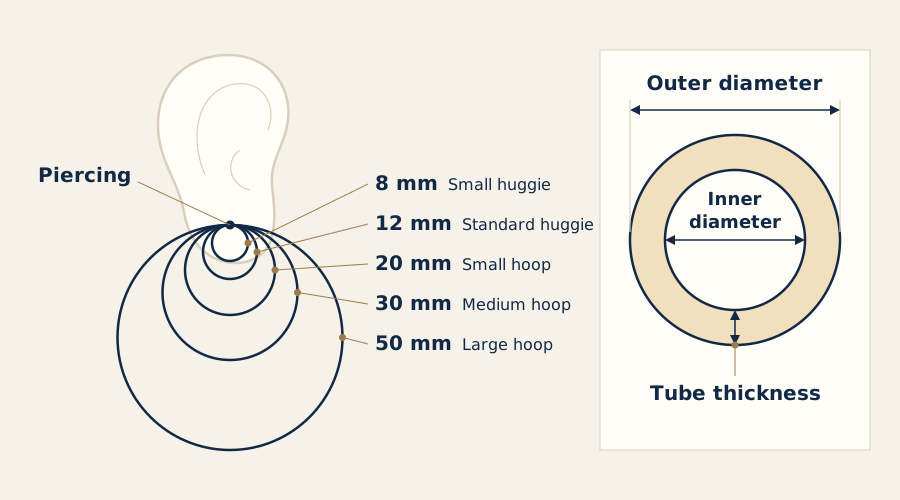
Lobes vary a great deal, and so does where the piercing sits. A piercing placed low on the lobe gives a small huggie less to wrap around; a high piercing needs a larger inner diameter. The easiest test is to measure from your piercing to the bottom edge of your lobe with a ruler: a huggie needs an inner diameter a little larger than that distance to close comfortably without pinching.
Thickness matters as much as diameter. Most hoops are made from tube or wire between about 1.5 mm and 5 mm thick. Thicker hoops look bolder and usually stronger, but they get heavy. The part that actually passes through your ear is the post or wire, usually about 0.8 mm (20 gauge) to 1.0 mm (18 gauge). If a hoop has a thicker post than you are used to, it may feel tight at first.
Think about the rest of what you wear too. Larger hoops draw attention to the neck and jawline, so it helps to be thinking about matching necklace lengths to your neckline at the same time, and a bold hoop often pairs well with a similarly scaled bangle once you have been measuring your wrist for a bracelet.
Which hoop earring closures are most secure?
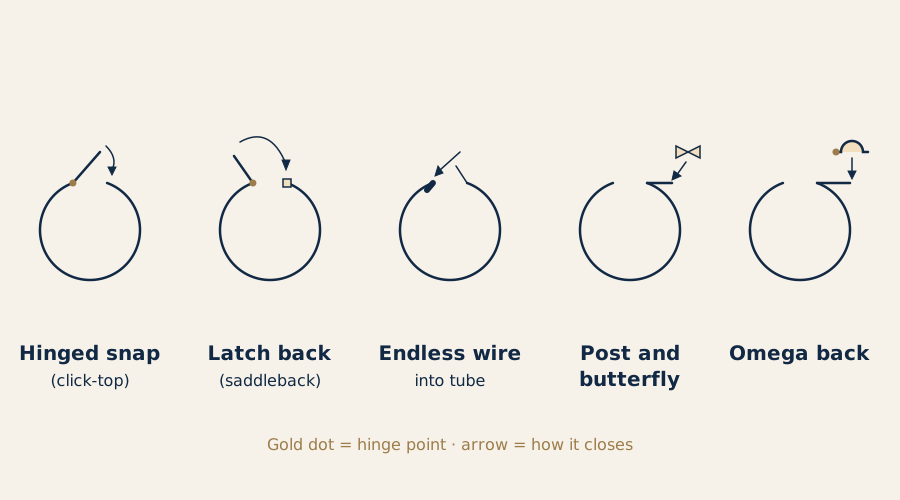
The closure is where most hoops fail. A lost hoop is nearly always a closure that opened, not a hoop that broke. These are the main hoop earring closures you will see:
- Hinged snap (click-top): a short hinged section of the hoop swings through the ear and clicks into a slot on the other side. Standard on huggies and very secure when the click is firm.
- Latch back (saddleback): a hinged wire at the back swings down and hooks over a small catch or notch. Common on medium hoops; secure and easy to check by feel.
- Endless (continuous) hoop: a thin, tapered wire slides into the hollow end of the tube. Very light and smooth, but it relies on friction and can work loose.
- Post and butterfly: the hoop front carries a straight post that goes through the ear, held by a butterfly (push-on) back. Used on half hoops and some large hoops.
- Omega back: a hinged loop clamps over the post. Used on heavier hoops because it spreads the weight and takes pressure off the lobe.
- Clip-on: for unpierced ears; a sprung clip presses on the lobe. Comfortable for a few hours rather than all day.
A hinged closure can loosen after years of opening and closing. A jeweller can usually tighten the tension, or replace the hinge pin, for a fraction of the cost of a new pair. Our guide to every type of earring back, from butterflies to screw backs covers how each one holds and wears over time.
Related guideEarring Back TypesNot sure which one is right?
Send us the stones you are looking at and our gemologist will tell you which to choose and why.
How are diamonds set in huggie earrings?
Diamond huggie earrings are one of the most popular ways to wear small diamonds every day. The stones are tiny, usually about 1.0–2.0 mm each (roughly 0.005–0.03 carat), so the setting style decides most of the look:
- Pavé and micro-pavé: small diamonds set close together, held by tiny beads of metal raised from the hoop itself. The most sparkle for the size; the beads can wear with years of use and are worth checking.
- Shared claw: each claw holds two neighbouring stones, so less metal shows between diamonds. Bright and open, but the claws can catch on fine knits.
- Channel set: stones sit in a groove between two metal walls, with no claws at all. Very smooth and secure; a little less sparkle.
- Bezel set: each stone sits in its own thin metal rim. Modern and low-profile.
- Inside-out: stones are set on both the outer face and the inside curve, so diamonds show from the front and the side.
As a rough guide, a huggie set with ten 1.3 mm stones across the front holds about 0.10 carat per earring, or 0.20 carat total weight (often shown as ct tw) for the pair. Total weight is the combined weight of all the stones in both earrings, so always check whether a listing means per earring or per pair. For colour and clarity, tiny stones are usually graded in ranges rather than individually; G–H colour and SI clarity is a common standard that looks bright and white.
Diamond huggies are made with both natural and lab-grown diamonds. Lab-grown diamonds are real diamond, grown in a laboratory rather than mined, with the same hardness (10 on the Mohs scale) and brilliance. They cost much less than natural stones, which makes larger stones in a huggie more affordable. Natural melee (the trade word for very small diamonds) is rarer and costs more. Either way, the description should state clearly which you are getting.
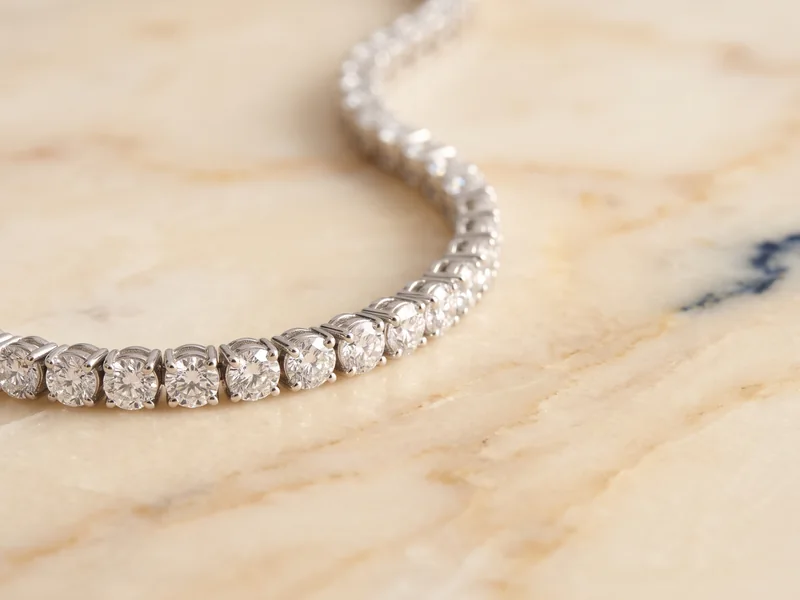
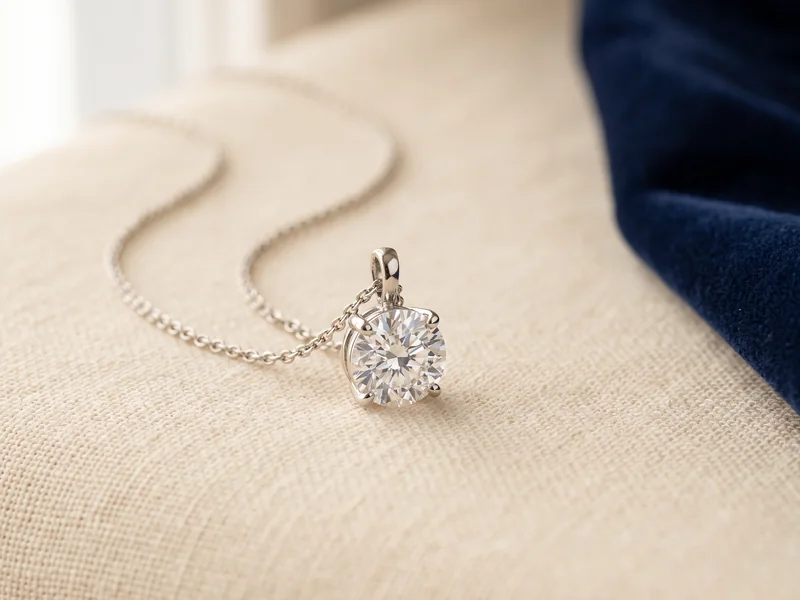
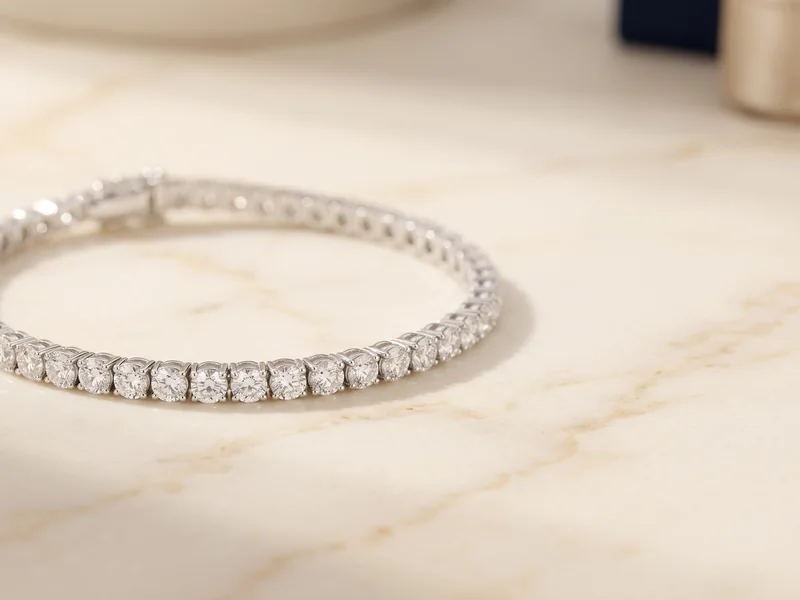
A row of matched small diamonds in a huggie follows the same idea as the line of matched diamonds in a tennis bracelet and the continuous rows in tennis necklaces set with even stones. Many people wear diamond huggies with a solitaire pendant to wear with them as a simple everyday set.
Which metal suits hoops and huggies?
Earrings sit against skin for hours, often overnight, so the metal affects comfort as well as looks. The main choices:
| Metal | Pure content | What to know for earrings |
|---|---|---|
| 9 ct gold | 37.5% gold | Hard-wearing and less costly; some white versions contain nickel |
| 14 ct gold | 58.5% gold | A balance of colour, strength and cost |
| 18 ct gold | 75% gold | Richer colour, generally low allergy risk in yellow; softer, so solid construction matters |
| Platinum 950 | 95% platinum | Naturally white, dense and heavy; good for sensitive ears |
| Sterling silver | 92.5% silver | Affordable; tarnishes and bends more easily |
| Titanium | Usually 99%+ (commercially pure) or alloyed | Very light and low allergy risk; often used for fresh piercings |
White gold is usually coated in rhodium plating, a thin layer of a bright white metal from the platinum family. Earrings get less wear than rings, so the plating often lasts longer on them, but the inside of a hoop can show a warmer tone after a few years. If you react to cheap earrings, nickel is the usual cause; yellow gold, platinum and titanium are generally safer choices, and palladium-alloyed white gold avoids nickel altogether.
Solid or hollow? Many larger gold hoops are made from hollow tube to keep them light and less costly. Hollow hoops are comfortable, but the metal wall can be thin, so they dent if squeezed or knocked and are difficult to repair. Solid hoops cost more and weigh more, but they keep their shape for decades. For hoops over about 30 mm, a hollow hoop with a reasonably thick wall is often the comfortable middle ground.
The hard modern metals used in men's rings are another matter. The qualities explained in our guide to why tungsten works for rings but rarely for earrings, and the same for alternative metals such as cobalt and tantalum, make them hard to bend, solder or fit with hinges, so you will rarely see them as hinged hoops.
Can you sleep in huggie earrings?
Most people can sleep in small huggie earrings with a smooth hinged closure, which is one reason they are so popular. They have no butterfly back to dig into your neck and no dangling part to catch on the pillow. Larger hoops are a different story: anything over about 20 mm can catch on bedding and pull on the piercing, so take them off at night.
- Stacking: wear a 10–12 mm huggie in the first lobe piercing and 6–8 mm huggies in higher piercings for a graduated look.
- Upper ear: small huggies suit healed helix and upper-lobe piercings. A fresh piercing needs the jewellery your piercer recommends, usually implant-grade titanium, until it has healed.
- Weight: heavy hoops stretch piercings over time. If an earring visibly pulls the lobe forward, it is too heavy for daily wear.
- Sport and swimming: take hoops off for contact sport and the gym; chlorine and salt water also dull gold and plating.
- Single huggies: a single plain or diamond huggie is a common choice in men's jewellery too.
Hoops sit close to the neck, so they meet necklaces and collars. Fine chain styles that layer well with hoops keep things balanced, and for men a single small huggie is often worn alongside the pieces in our guide to men's jewellery, from cufflinks to single huggies.
How much do hoop and huggie earrings cost in Australia?
Price depends mostly on the metal, how much of it there is (solid or hollow, thick or thin) and whether the hoops carry diamonds. These are broad ranges only, and they move with the gold price and the exact specifications.
| Style (pair) | Approximate price range (AUD) |
|---|---|
| Sterling silver huggies or hoops | about $50–$250 |
| 9 ct gold plain huggies | about $150–$500 |
| 18 ct gold plain huggies | about $500–$1,500 |
| 9 ct gold hollow hoops, 20–40 mm | about $200–$800 |
| Diamond huggies, lab-grown, about 0.20–0.50 ct tw | about $600–$2,500 |
| Diamond huggies, natural, about 0.20–0.50 ct tw | about $1,200–$5,000 |
Two pairs that look alike can differ a lot in price because of hidden metal weight. Ask for the gram weight of a plain gold pair: it tells you more about value than the listed size. For diamond huggies, compare total carat weight, stone quality and whether the stones are natural or lab-grown.
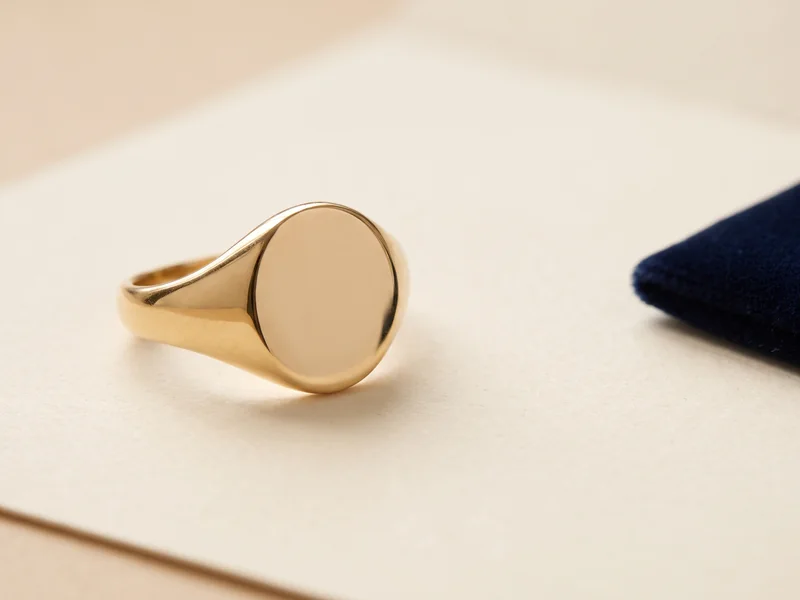
Hoops and huggies are a common gift for milestones; our page on anniversary gift traditions year by year lists which metals and stones go with which anniversaries. Some people match gold huggies with a gold signet ring in the same colour of gold.
Browse jewellery: hoops, huggies and more
How do you choose hoop and huggie earrings? Step by step
- Measure your lobe. Note the distance from your piercing to the bottom of the lobe; choose a huggie inner diameter a little larger.
- Pick the size. 9–12 mm for an everyday huggie, 13–20 mm for a small hoop, 21 mm and up for a hoop that is seen from across the room.
- Check the closure. A hinged snap or latch back should click firmly and need a deliberate push to open.
- Choose the metal. 18 ct yellow gold, platinum or titanium for sensitive ears; 9 ct for durability at a lower cost.
- Ask about construction. Solid or hollow, wall thickness and gram weight for plain gold.
- Check any stones. Total carat weight per pair, colour and clarity range, setting style, and whether the diamonds are natural or lab-grown.
- Plan the care. Wipe hoops with a soft cloth, clean pavé with warm soapy water and a soft brush, and have hinges and stone settings checked about once a year.
Free consultation
Talk to a gemologist
Compare stones in person or online with Raj Sood, Graduate Gemologist (GIA), AJP (GIA).
Book a consultationShop this shape
FAQ
Common questions
What is the difference between huggie and hoop earrings?
A huggie is a small, usually thicker hoop, about 6–12 mm across, that sits snugly against the lobe. A hoop is larger, from about 15 mm, and hangs and moves below the lobe.
Can you sleep in huggie earrings?
Most people can sleep comfortably in small huggies with a smooth hinged closure, because there is no back to press into the neck. Take larger hoops off at night so they do not catch on bedding.
What size huggie should I get?
Around 10–12 mm outer diameter suits most first lobe piercings, and 6–8 mm suits second piercings and the upper ear. Check the inner diameter too, because a thick huggie has less room inside.
Are hollow gold hoops worth buying?
They are lighter and cost less, which makes large hoops comfortable, but thin hollow walls dent easily and are hard to repair. Solid hoops cost more and keep their shape for much longer.
Why do my hoop earrings irritate my ears?
Nickel in some white gold, plated and costume alloys is the usual cause. Yellow gold, platinum and titanium are generally better tolerated, and a smooth, clean post helps too.
Are lab-grown diamond huggies real diamonds?
Yes. Lab-grown diamonds are real diamond with the same hardness and sparkle as natural, grown in a laboratory rather than mined. They cost much less, and the description should always say they are lab-grown.

Ask a gemologist
Not sure which diamond to choose?
Raj Sood is a Graduate Gemologist (GIA) and master jeweller. Bring the stones you are considering, or send the reports, and he will tell you honestly which one is better and why.
Keep learning
Related guides
 Jewellery TypesEarring Back Types
 Jewellery TypesDrop Earring SettingsJewellery TypesDiamond Stud Earring Sizes by CaratJewellery TypesJewellery Types Guide
 Jewellery TypesTennis Necklaces Explained
 Jewellery TypesSignet Rings Explained
 Jewellery TypesPendant and Solitaire Necklace Settings
 Jewellery TypesTennis Bracelets Explained
Explore more
More guides on this topic
Education