
- Education
- Metals
Metals guide
Choosing the Best Metal for Engagement Rings
The metal you choose shapes how your ring looks, how it wears day to day and how much care it needs over the decades. These guides explain each option plainly so you can decide what suits you.
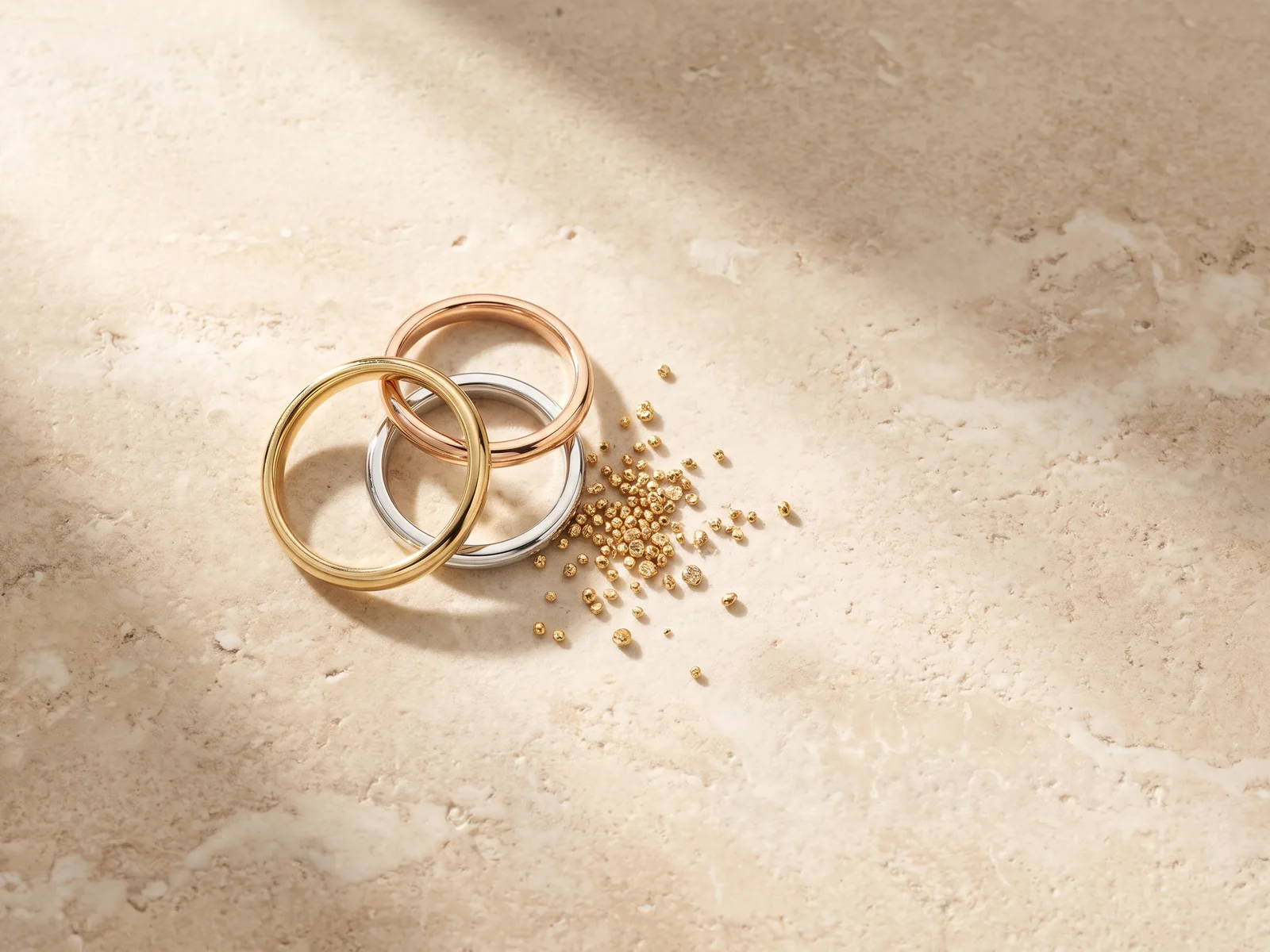
There's no single best metal for engagement rings. The right choice depends on your skin, your lifestyle, the colour of your stone and how much upkeep you're happy with. Gold comes in different purities and colours, platinum and palladium offer naturally white alternatives, and modern metals like titanium and tungsten suit some wedding bands but are rarely used for set engagement rings.
If you're starting out, read our overview of gold jewellery, then compare white gold vs platinum, the decision most couples weigh up. From there, guides on purity, such as 9K vs 18K gold, explain why karat affects colour, strength and price.
Later sections cover matching your engagement ring to a wedding band, mixing metal colours, avoiding allergic reactions and reading Australian hallmarks. The guides are written by the GemTrove team, which has worked with fine jewellery since 2008 and is led by Graduate Gemologist (GIA) Raj Sood.
Pillar guides
Start with these guides
Start here
A simple path through the basics
- Gold Jewellery: 9K, 18K, Colours, Craftsmanship & Lasting ValueBegin with the basics of gold: karats, colours and how gold rings are made to last.
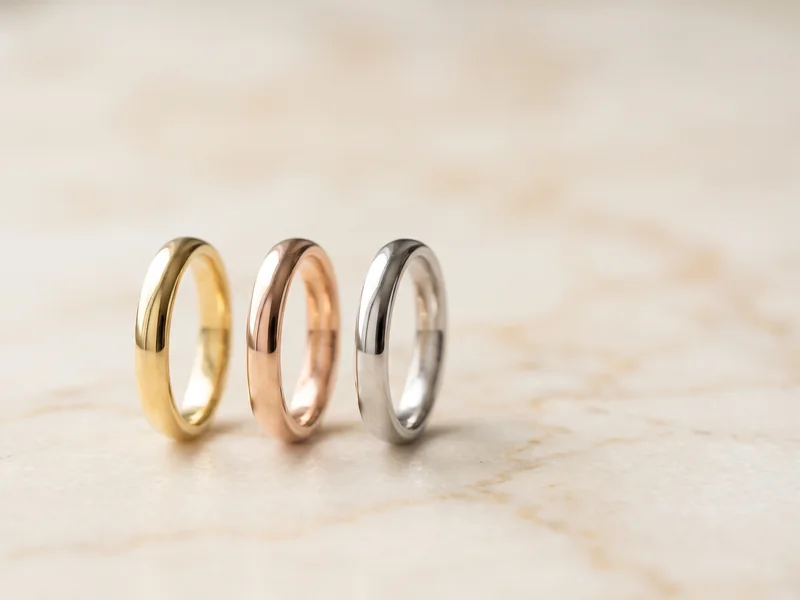
- Yellow Gold vs White Gold vs Rose GoldSee how the three gold colours compare in look, wear and maintenance.
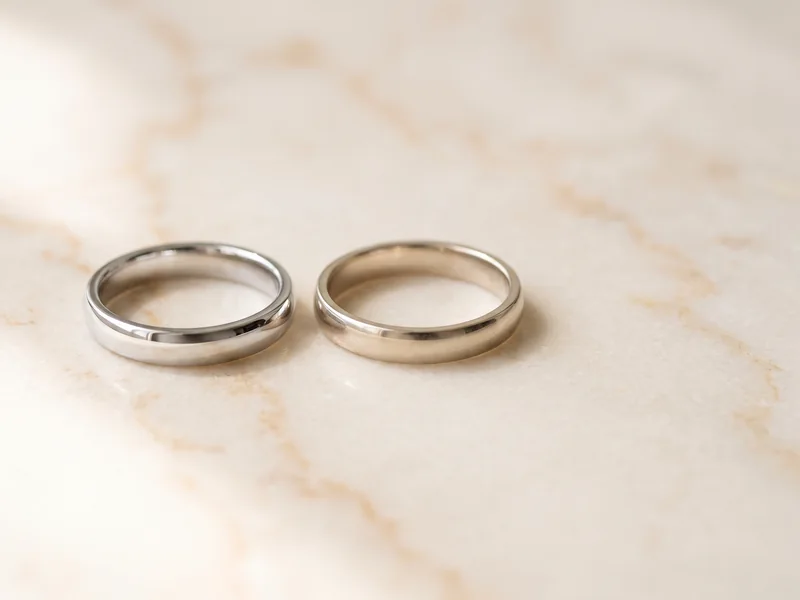
- White Gold vs PlatinumWeigh up the two most popular white metals for durability, feel, upkeep and cost.
- 9K vs 18K Gold: Which Gold Is Better for Jewellery?Understand how gold purity changes colour, hardness and price in Australian jewellery.
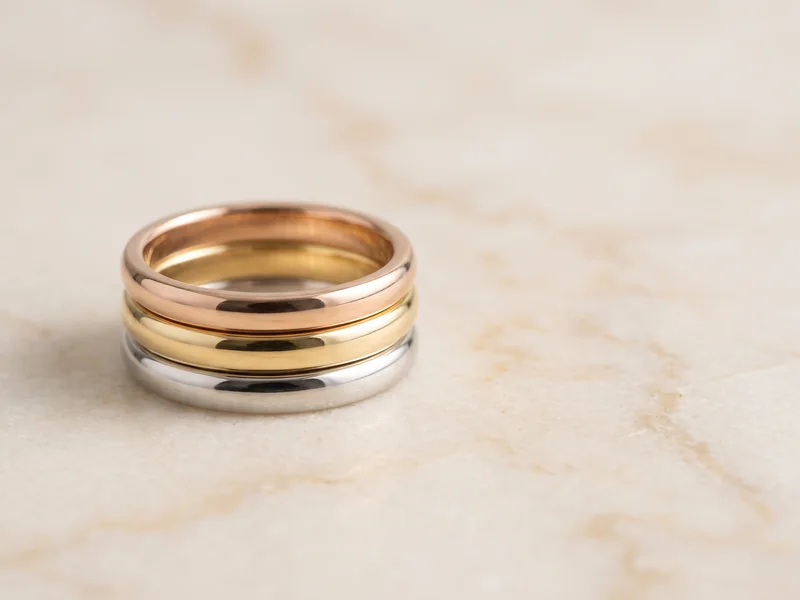
- Best Metal for Wedding BandsPlan ahead so your wedding band matches your engagement ring and wears evenly against it.
Metals
Gold: purity and colour
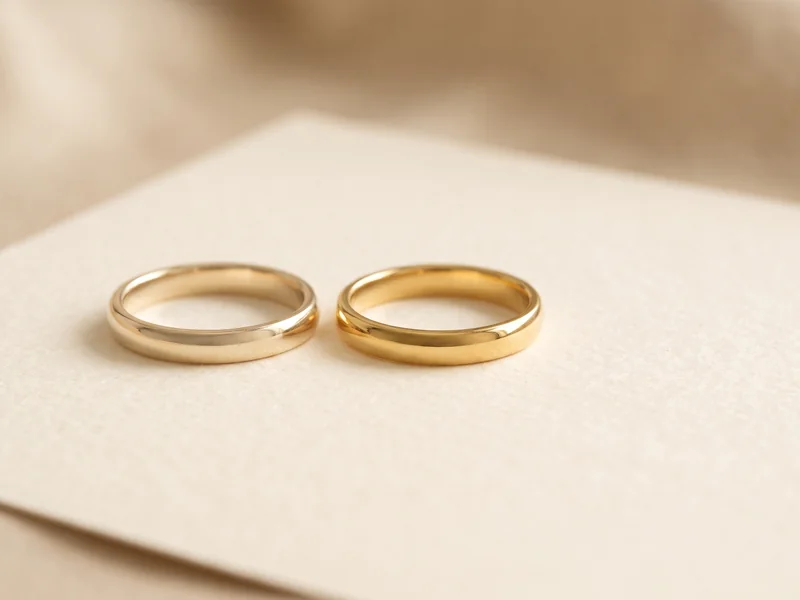 Metals9K vs 18K Gold: Which Gold Is Better for Jewellery?
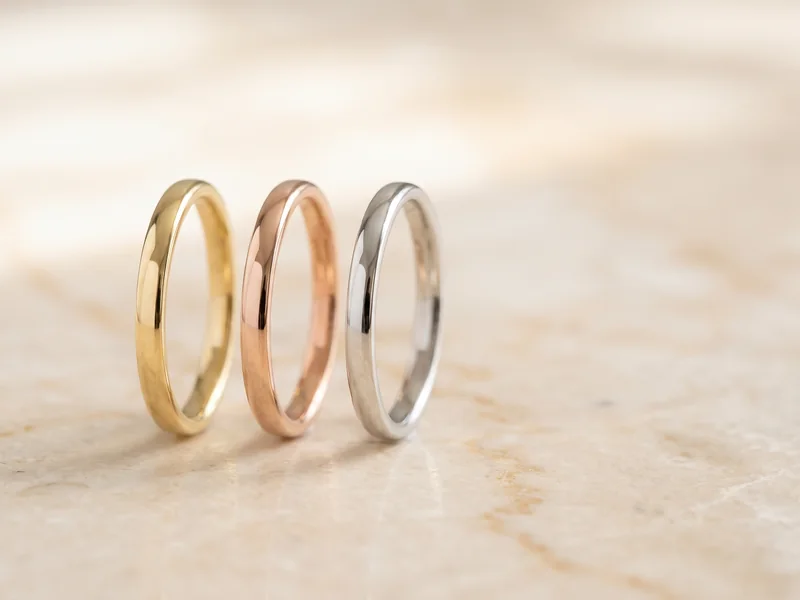 Metals14K Gold ExplainedMetalsWhat Gives Yellow Gold Its Colour and Strength?MetalsWhat Gives Rose Gold Its Colour?
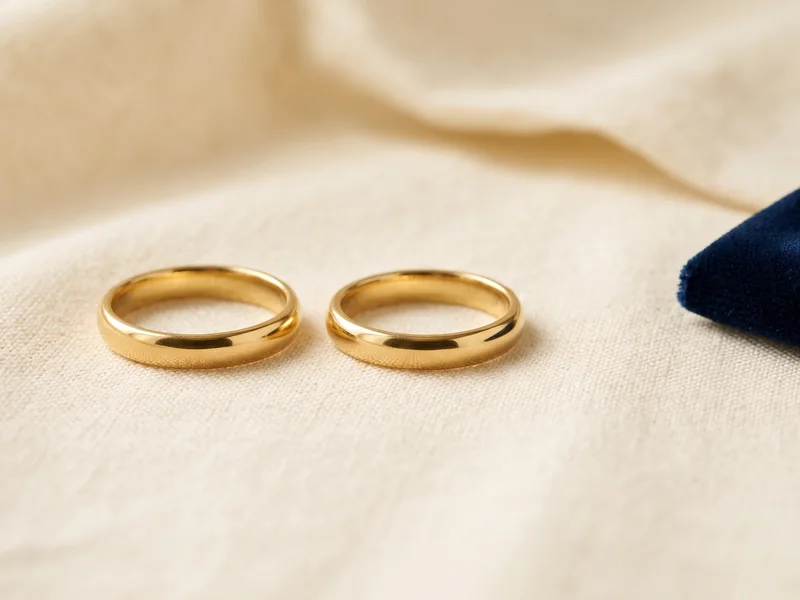 Metals22K and 24K Gold Jewellery
Metals
Platinum, palladium and white metals
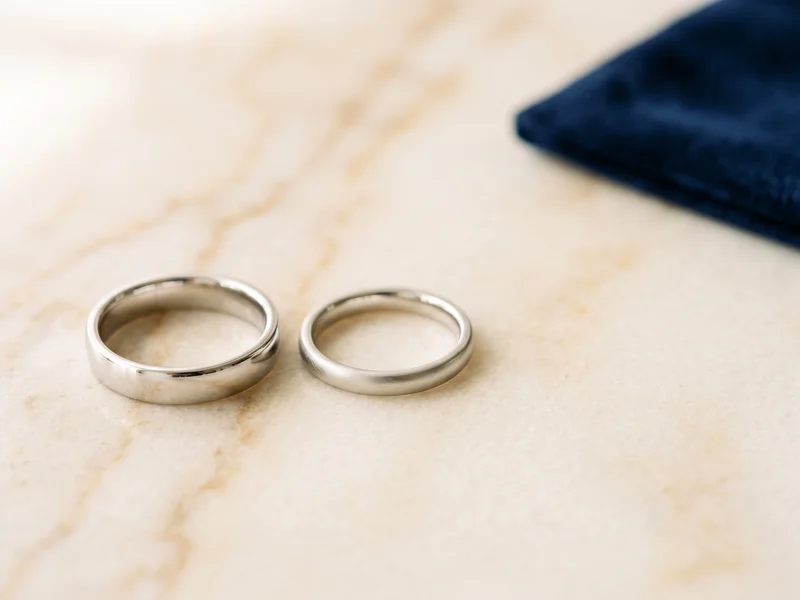
Metals
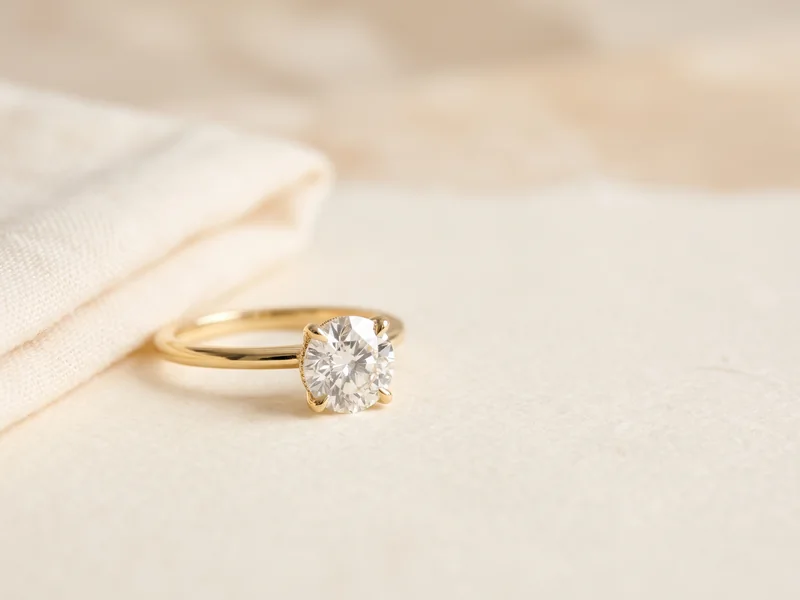
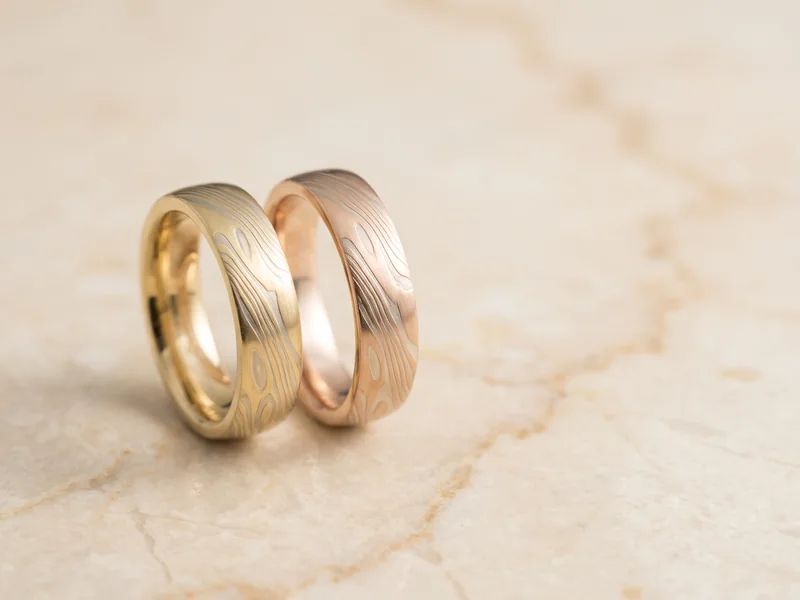
Design, pairing and bridal sets
Metals
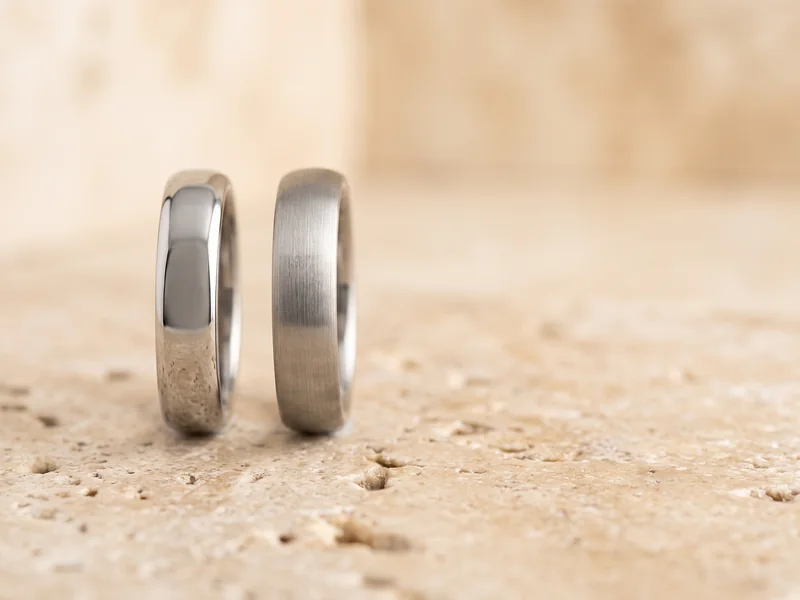
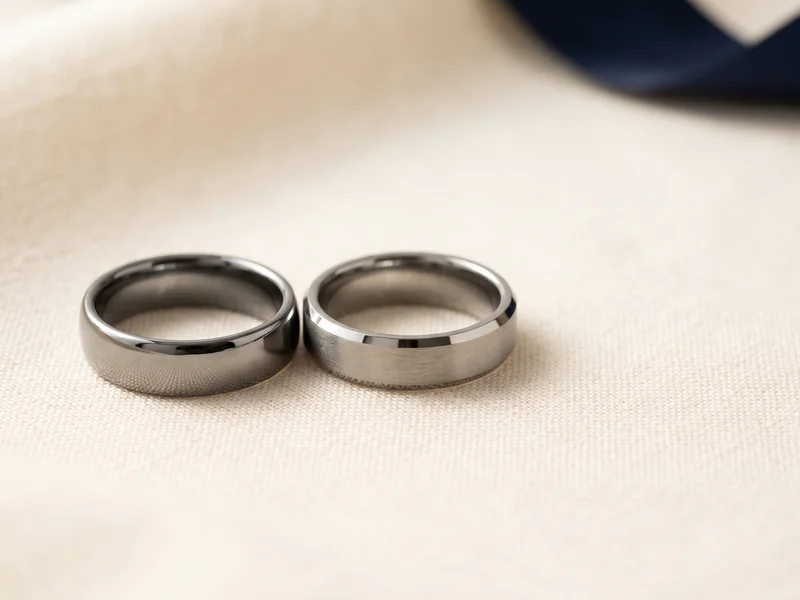
Allergies, hallmarks and value
Every guide
All 28 metals guides
Show all 28 guides
- Gold Jewellery: 9K, 18K, Colours, Craftsmanship & Lasting Value
- Yellow Gold vs White Gold vs Rose Gold
- 9K vs 18K Gold: Which Gold Is Better for Jewellery?
- 14K Gold Explained
- What Gives Yellow Gold Its Colour and Strength?
- What Gives Rose Gold Its Colour?
- 22K and 24K Gold Jewellery
- White Gold vs Platinum
- Platinum Jewellery Melbourne
- Why White Gold Is Rhodium Plated
- Rhodium Plating and Replating
- Platinum 950 vs 900
- Palladium Rings
- Best Metal for Wedding Bands
- Yellow Gold Engagement Rings With Colourless Diamonds
- Mixing White, Yellow and Rose Gold in a Bridal Set
- Two-Tone and Mixed-Metal Rings
- Mokume Gane Rings Melbourne
- Metal Allergies and Nickel-Free Options
- Australian Hallmarks and Metal Stamps
- Gold Plated vs Gold Filled vs Solid Gold
- How Gold Prices Affect Jewellery Prices
- Gold Vermeil Explained
- Titanium Rings
- Tungsten Jewellery: Modern Strength, Scratch Resistance & Contemporary Style
- Cobalt, Tantalum and Carbon Fibre Rings
- Sterling Silver Jewellery
- Silver Tarnish and Patina

Ask a gemologist
Talk it through with a gemologist
Raj Sood is a Graduate Gemologist (GIA) and master jeweller. Bring the stones you are considering, or send the reports, and he will explain the differences in plain language.
FAQ
Metals questions
What is the most durable metal for an engagement ring?
Platinum is a common choice for durability because it wears by moving rather than losing metal, so claws hold stones securely over time. 18K and 14K gold are also very practical, and harder alloys resist scratches well, though all precious metals show some wear.
Is white gold or platinum better for an engagement ring?
Neither is better for everyone. Platinum is naturally white, heavier and hypoallergenic but costs more, while white gold is lighter and more affordable but usually needs rhodium replating every year or two to stay bright white.
Is 9K gold good enough for an engagement ring?
9K gold is hard-wearing and budget-friendly, but it contains less gold, so its colour is paler and some people with sensitive skin react to the higher alloy content. Many couples choose 18K or 14K for a richer colour and a better balance for everyday wear.
Can I wear a different metal wedding band with my engagement ring?
Yes, mixing metals is popular and can look intentional. Just be aware that a harder metal can wear a softer one slightly over many years when two rings sit together, so similar hardness is worth considering.
What metal is best if I have a nickel allergy?
Platinum, palladium, yellow or rose gold in higher karats, and titanium are generally good options for sensitive skin. Some white gold alloys contain nickel, so ask for a nickel-free alloy if you react to it.
Can tungsten or titanium rings be resized?
Tungsten can't be resized and titanium is very difficult to resize, which is why they're more common for plain wedding bands than for engagement rings. Gold, platinum and palladium can usually be resized by a jeweller.
Keep exploring