
- Education
- Natural Diamonds
- Argyle Diamond Mine: Australia's Pink Diamonds, History and What It Means for Buyers
Natural diamonds
Argyle Diamond Mine: Australia's Pink Diamonds, History and What It Means for Buyers
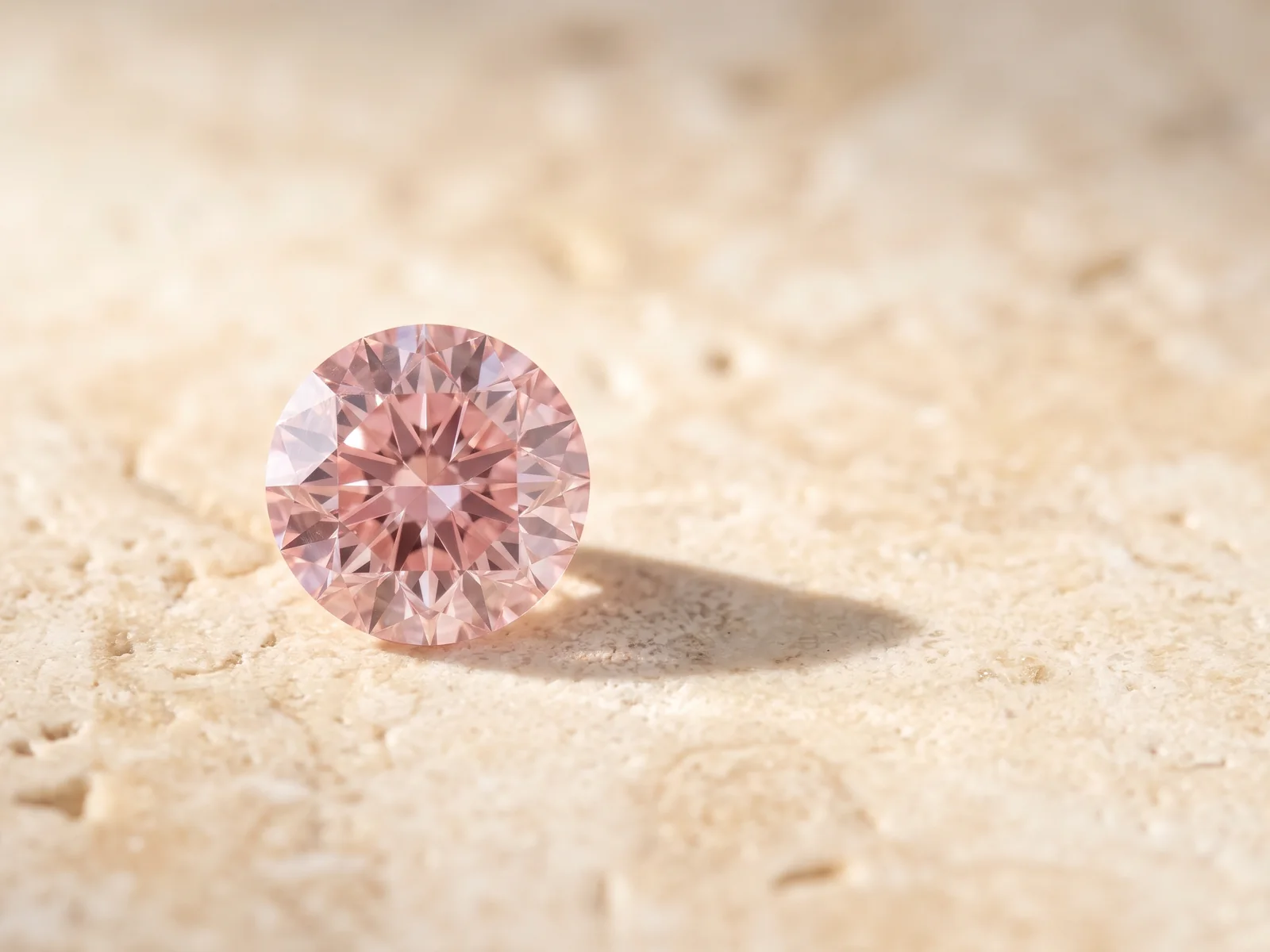
For almost four decades the Argyle diamond mine in Western Australia changed the diamond world, from the colours people wear to the price of a natural pink. Here is how it formed, what it produced and what its closure means if you are looking at an Australian diamond today.
 Reviewed by Raj Sood, Graduate Gemologist (GIA), AJP (GIA)Master jeweller and Graduate Gemologist (GIA) · reviewed 4 November 2026
Quick answer
The Argyle diamond mine in Western Australia's East Kimberley ran from 1983 to 2020 and produced more than 865 million carats, mostly small brown diamonds. It is famous for supplying over 90% of the world's pink diamonds. Since it closed, Argyle pinks come only from existing stock, so check the Argyle certificate, laser inscription and grading report.
What is the Argyle diamond mine?
The Argyle diamond mine sat in the East Kimberley region of Western Australia, south of Kununurra and close to Lake Argyle. It was operated by Rio Tinto and mined from 1983 until November 2020. Over that time it produced more than 865 million carats of rough diamond, and for many years it was the largest diamond producer in the world by volume.
Volume is the key word. Most of Argyle's output was small and brown, and a large share was only suitable for industrial use or for very small jewellery stones. What made the name famous was a tiny fraction of its production: the pink and red diamonds that no other mine has produced in anything like the same numbers, along with rare blues and violets. If you are new to how mined diamonds are formed and graded, our guide to how natural diamonds form and are graded is a good starting point.
Argyle also put Australia on the diamond map alongside southern Africa, Russia and later Canada. For the bigger picture of where the world's supply comes from, see our overview of the world's main diamond-producing countries. The mine sits on the country of the Gija and Miriuwung people, and the traditional owners were involved in agreements about the mine's operation and its closure and rehabilitation.
How did the Argyle diamond mine form?
Diamonds form deep in the Earth's mantle, roughly 150–200 km down, where temperatures are around 1,000–1,300°C and pressure is tens of thousands of times what we feel at the surface. Under those conditions carbon atoms lock into the tight cubic lattice that makes diamond the hardest natural material, 10 on the Mohs scale, with a refractive index (how strongly it bends light) of about 2.42. Our page on what makes diamond such an unusual material explains why that structure matters for sparkle and wear.
Diamonds only reach the surface when a deep, fast volcanic eruption carries them up through a narrow carrot-shaped pipe. Most of the world's diamond mines are in kimberlite, a volcanic rock named after Kimberley in South Africa. Argyle was different. Its pipe, known as AK1, is made of lamproite, a related but chemically different volcanic rock. Argyle was the first major diamond mine found in lamproite, and that discovery changed where geologists went looking for diamonds.
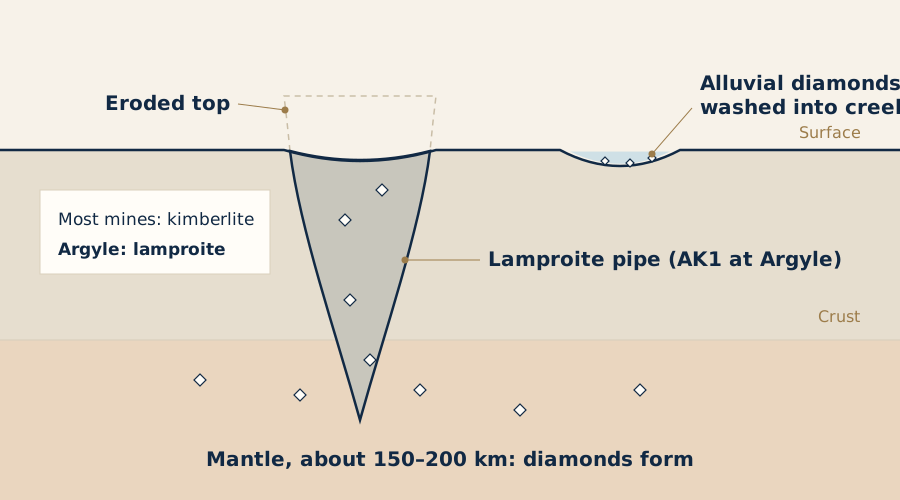
The AK1 pipe erupted roughly 1.2 billion years ago, which makes it older than most kimberlite pipes. Over time, erosion wore the top of the pipe away and washed diamonds into the surrounding creek beds. Those alluvial deposits (diamonds carried and dropped by water) were what first led prospectors to the pipe.
Geology also explains Argyle's colours. The diamonds were squeezed and sheared deep in the Earth, long before the eruption that carried them up. That stress bent and slipped layers of atoms inside many crystals, a process called plastic deformation. It is the main reason so many Argyle diamonds are brown, and the reason a very small number turned pink.
When did the Argyle mine open and close?
Argyle's life ran for close to 40 years, from a creek-bed find to an underground mine and, finally, rehabilitation of the site.
| Year | What happened |
|---|---|
| 1979 | Diamonds traced to the AK1 pipe by the Ashton joint venture after alluvial finds in nearby creeks |
| 1983 | Alluvial mining begins |
| 1984 | First annual Argyle pink diamond tender |
| 1985 | Open-pit mining of the AK1 pipe begins |
| Mid-1990s | Peak production, roughly 40 million carats a year at its height |
| 2000 | Rio Tinto takes full ownership |
| 2013 | Underground block-cave mining replaces the open pit |
| 2020 | Mining ends in November once the economic ore runs out |
| After 2020 | Decommissioning and rehabilitation of the site |
The Argyle mine closure was not sudden. Rio Tinto had signalled for years that the orebody was running out and that going deeper would not pay. Once the last ore was processed, the supply of new Argyle diamonds stopped for good. Every Argyle diamond now on the market was mined before the end of 2020.
What kinds of diamonds did Argyle produce?
Argyle's production looked nothing like a typical mine's. The rough breaks down roughly like this:
- Brown diamonds: the great majority, many of them small. Most went to industrial use or to very small polished stones.
- Champagne and cognac diamonds: the better-quality browns, marketed under these names from the 1980s onwards.
- Near-colourless and white diamonds: a smaller share than most mines produce.
- Pink and red diamonds: a tiny fraction, often quoted at about 0.01% of output.
- Blue and violet diamonds: rarer still, found only occasionally.
Argyle's marketing of brown diamonds as champagne and cognac was one of the bigger shifts in modern jewellery. Brown had been treated as a low-value colour; Argyle gave it a grading scale and a name, and many Australian rings from the late 1980s and 1990s carry these stones.
| Argyle champagne grade | How it looks |
|---|---|
| C1–C2 | Light champagne, a soft warm tint |
| C3–C4 | Medium champagne, clearly warm brown |
| C5–C6 | Dark champagne, rich brown |
| C7 | Fancy cognac, the deepest brown |
Champagne diamonds are usually priced below colourless diamonds of similar size and clarity, which is part of their appeal. Be aware that some natural brown diamonds from many sources are treated with high pressure and high temperature to lighten or change their colour; our guide to HPHT-treated natural diamonds explains how that works and how it is disclosed. Because most Argyle rough was small, larger clean stones were uncommon, which fits the general pattern of how rarity climbs with carat weight.
Not sure which one is right?
Send us the stones you are looking at and our gemologist will tell you which to choose and why.
Why are Argyle pink diamonds so rare?
Most coloured diamonds get their colour from a trace element: nitrogen for yellow, boron for blue. Argyle pinks are different. Their colour comes from the same plastic deformation that turned most Argyle diamonds brown. In a very small number of crystals, the strain produced defects that absorb green light, so the stone looks pink to red. You can often see this as fine parallel graining (colour lines) under magnification. Most Argyle pinks are classed as Type Ia, the nitrogen-bearing group; our page on nitrogen-based diamond types Ia, Ib, IIa and IIb explains those categories.
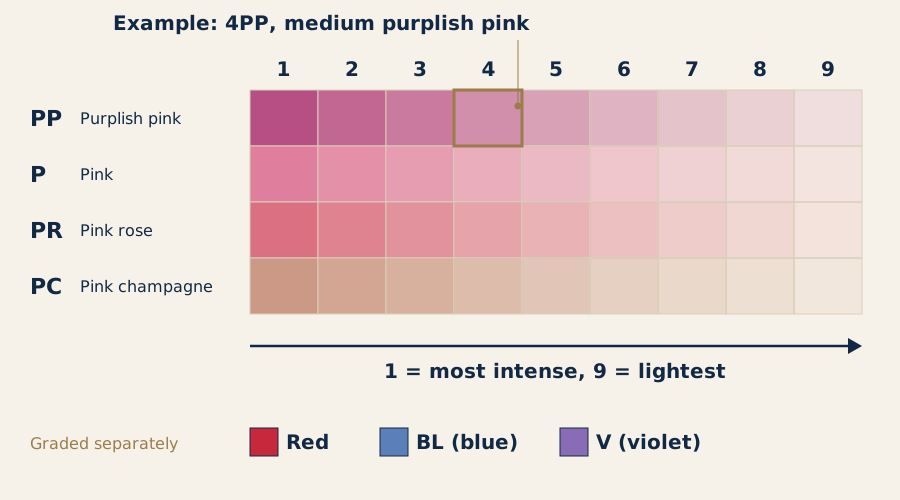
Pinks were also small. Most polished Argyle pinks are well under half a carat, and stones over 1 carat are uncommon. Rio Tinto graded them on its own scale, which combines a hue code with an intensity number.
| Argyle code | Hue | Note |
|---|---|---|
| PP | Purplish pink | Often the most sought-after hue |
| P | Pink | Pure pink |
| PR | Pink rose | Softer, slightly warmer pink |
| PC | Pink champagne | Pink with a brown secondary tint |
| Red | Red | Extremely rare; no intensity number |
| BL / V | Blue / violet | Occasional; graded separately |
The intensity number runs from 1 (most intense) to 9 (lightest), so a 4PP is a medium-intensity purplish pink. Labs such as GIA use their own scale for coloured diamonds, running Faint, Very Light, Light, Fancy Light, Fancy, Fancy Intense, Fancy Vivid, Fancy Deep and Fancy Dark, and an Argyle pink may carry both.
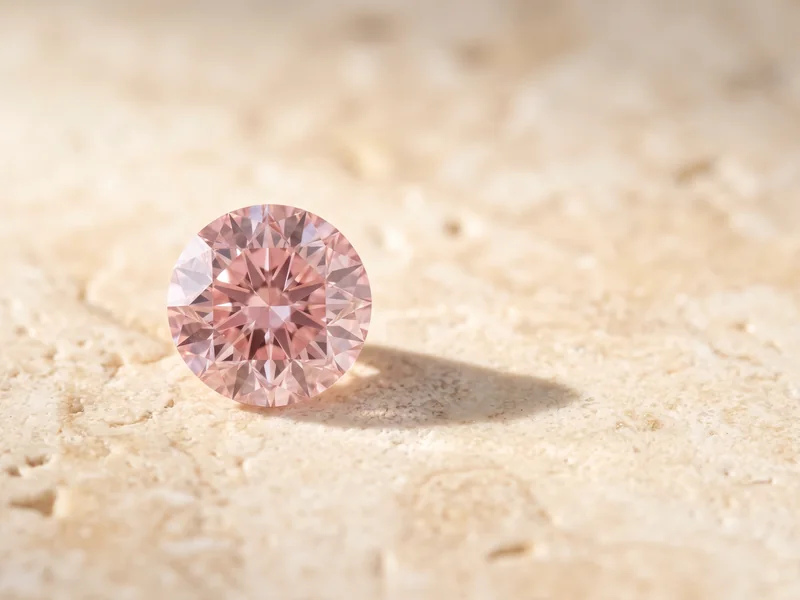
The finest stones were sold each year through the Argyle pink diamond tender, an invitation-only sale of a few dozen exceptional pinks, reds, blues and violets. The largest pink found at the mine, the Argyle Pink Jubilee, was a 12.76 carat rough crystal recovered in 2011. Argyle pinks now sit alongside the stones in our article on famous diamonds from around the world.
Where else are diamonds mined in Australia?
Argyle dominates the story, but it was not Australia's only source. Australian diamonds have come from several places, none of which is producing at scale today.
| Source | Location | Host rock | Years | Known for |
|---|---|---|---|---|
| Argyle | East Kimberley, WA | Lamproite | 1983–2020 | Volume, champagne browns, pinks |
| Ellendale | West Kimberley, WA | Lamproite | About 2002–2015 | Fancy yellow diamonds |
| Merlin | Northern Territory | Kimberlite | About 1999–2003 | Australia's largest recorded diamond, about 104 ct |
| Copeton and Bingara area | Northern NSW | Alluvial gravels | From the 1800s, small scale | Small, very hard stones that are slow to polish |
The northern New South Wales diamonds are an interesting footnote. They were found by gold and tin miners in the 1800s and have a reputation among cutters for being unusually hard to polish, likely because of their crystal structure and growth. They were never mined on a large scale.
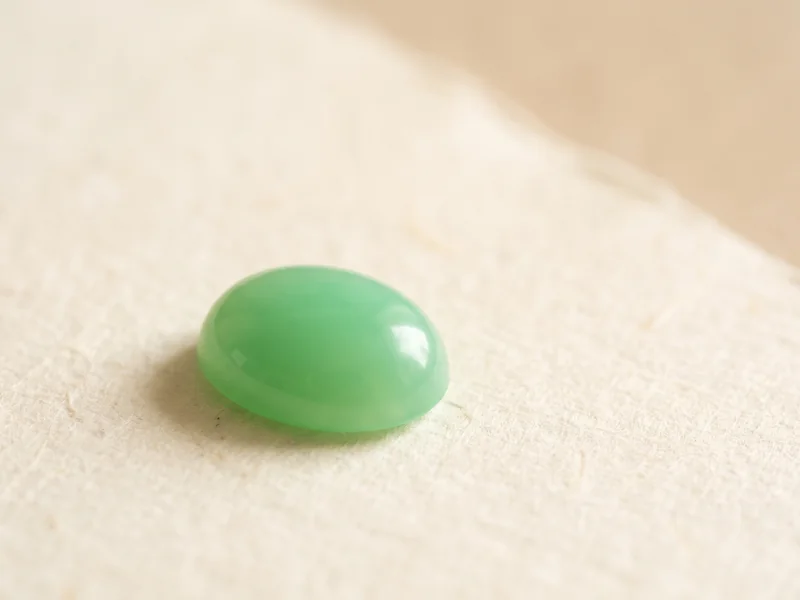
Compared with the big kimberlite mines of Canada's Arctic diamond mines, which produce a higher share of colourless gem rough, Australian sources were unusual: two lamproite mines and a strong lean towards coloured stones. Australia is better known overall for coloured gems such as opal, Queensland and New South Wales sapphire, and chrysoprase, often called Australian jade.
Related guideWhere Diamonds Are MinedWhat does the Argyle mine closure mean for buyers?
With no new production, the supply of Argyle diamonds is now fixed. That has practical effects for anyone shopping today:
- Argyle pinks come only from existing stock, held by dealers, jewellers and private owners.
- Documentation matters more than ever. A genuine Argyle pink of meaningful size normally has an Argyle certificate and a laser-inscribed number on the girdle (the thin outer edge).
- Champagne diamonds are still widely available, partly because so many were mined and partly because brown diamonds also come from other mines.
- Pink alternatives must be disclosed. Treated natural pinks and lab-grown pink diamonds must be disclosed to you as such, and a reputable grading report will state it.
Natural pink diamonds cost far more per carat than colourless diamonds. As a broad guide, a small Argyle-certified pink under a fifth of a carat can cost approximately several thousand to tens of thousands of Australian dollars, while the largest tender stones have sold for well over AUD 1 million. Prices vary hugely with size, hue and intensity, so treat these only as orders of magnitude.
It is tempting to read the closure as a reason prices must keep rising. We do not see diamonds that way: buy a stone because you love it, not as a financial asset. Past price moves tell you nothing certain about the future, and resale prices are usually well below retail. Our page on how natural diamond prices have moved over the decades sets out that history honestly.
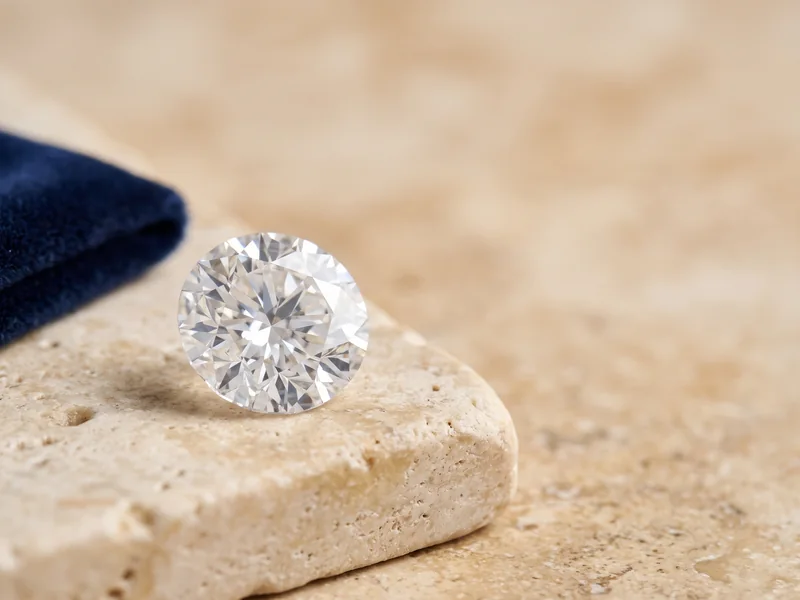
Australia takes part in the Kimberley Process certification scheme for rough diamond trade, and Argyle operated under Australian labour and environmental law. For what sourcing labels do and don't tell you more broadly, read what the term conflict-free covers.
Browse natural diamonds
Could an old Australian family ring hold an Argyle diamond?
Quite possibly. Argyle champagne diamonds and small Argyle whites were set in a great deal of Australian jewellery from the mid-1980s onwards, often as accent stones in dress rings and eternity bands. The difficulty is proving it. A standard grading report cannot tell you which mine a diamond came from, so without the original paperwork or an inscription, origin remains a likely story rather than a fact.
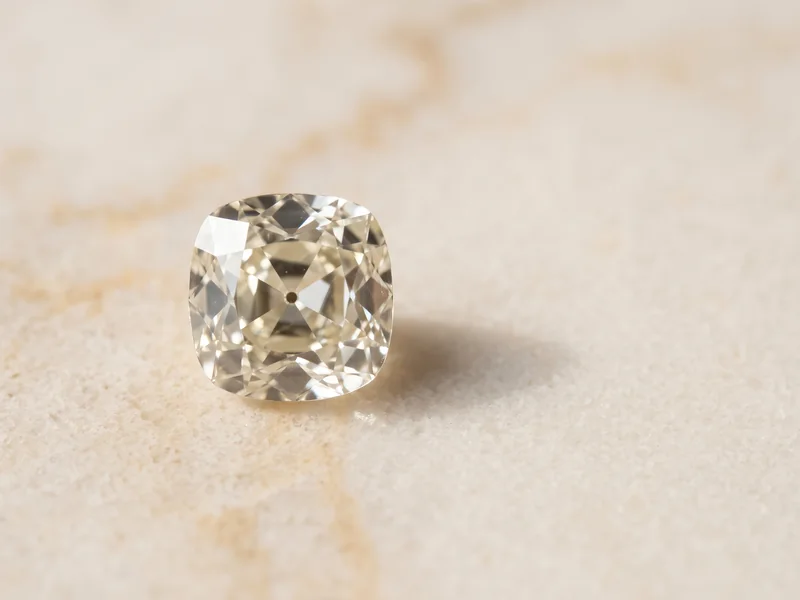
What a gemmologist can tell you is whether the stone is natural, whether its colour is natural or treated, and how it is cut. Older Australian pieces may also hold earlier cuts with their own character; our guide to older stock and antique diamonds covers what to expect, and settings that suit old mine cut diamonds helps if you are planning a new design.
If you would like to keep the stone but change the ring, our guide to resetting a stone you've inherited walks through the options, from a simple remount to a full redesign.
How do you check an Argyle or Australian diamond claim?
Whether you are buying a certified Argyle pink or looking at a stone described as Australian, the checks are the same. Any unfamiliar term here is defined in our glossary of jewellery terms.
- Ask for the paperwork. For an Argyle pink, that means the Argyle certificate, plus ideally an independent report from a lab such as GIA.
- Match the inscription. Check the laser-inscribed number on the girdle under magnification and confirm it matches the certificate.
- Confirm natural or lab-grown. The report should state clearly whether the diamond is natural or laboratory-grown.
- Confirm the colour origin. Look for a statement that the colour is natural, or a disclosure of any treatment such as HPHT or irradiation.
- Compare the grades. Check the Argyle colour code and intensity, or the GIA colour grade, against the price you are being asked.
- Treat unsupported origin claims with care. If a stone is called Australian with no documents, value it on its grades, not its story.
Free consultation
Talk to a gemologist
Compare stones in person or online with Raj Sood, Graduate Gemologist (GIA), AJP (GIA).
Book a consultationShop this shape
FAQ
Common questions
When did the Argyle diamond mine close?
Mining at Argyle ended in November 2020, after about 37 years of production. The site has since moved into decommissioning and rehabilitation.
Why are Argyle pink diamonds so expensive?
They were extremely rare even at Argyle, often quoted at about 0.01% of its output, and most were small. With the mine closed, no new stones are being produced.
Are all pink diamonds from Argyle?
No. Argyle supplied most of the world's natural pinks, but natural pinks also come from mines in Russia, Africa and elsewhere. Treated natural pinks and lab-grown pinks also exist and must be disclosed as such.
How can I tell if my diamond is from Argyle?
Look for an Argyle certificate and a matching laser inscription on the girdle. Without documentation, a standard grading report cannot confirm which mine a diamond came from.
Are there any diamond mines operating in Australia now?
There is no large-scale diamond mining in Australia at present. Argyle closed in 2020, Ellendale in about 2015 and Merlin in the early 2000s, although exploration continues.
What is a champagne diamond?
It is a natural brown diamond, a name popularised by Argyle, which graded them from C1 (light) to C7 (fancy cognac). They usually cost less than colourless diamonds of similar size and clarity.

Ask a gemologist
Not sure which diamond to choose?
Raj Sood is a Graduate Gemologist (GIA) and master jeweller. Bring the stones you are considering, or send the reports, and he will tell you honestly which one is better and why.
Keep learning
Related guides
 Natural DiamondsWhere Diamonds Are MinedNatural DiamondsNatural Diamonds Guide
 Natural DiamondsThe World's Most Famous DiamondsNatural DiamondsCanadian Diamonds
 GemstonesChrysoprase (Australian Jade)
 Engagement Rings & SettingsBest Settings for Old Mine DiamondsNatural DiamondsWhat Makes a Diamond Special?
 Natural DiamondsConflict-Free Diamonds – Responsible Sourcing at GemTrove
Explore more
More guides on this topic
Education