
- Education
- Certificates & Valuations
Certificates & Valuations
Diamond Certificates and Jewellery Reports Explained
A diamond certificate describes a stone, and a valuation puts a dollar figure on a piece. These guides explain both, so you can read the paperwork with confidence.
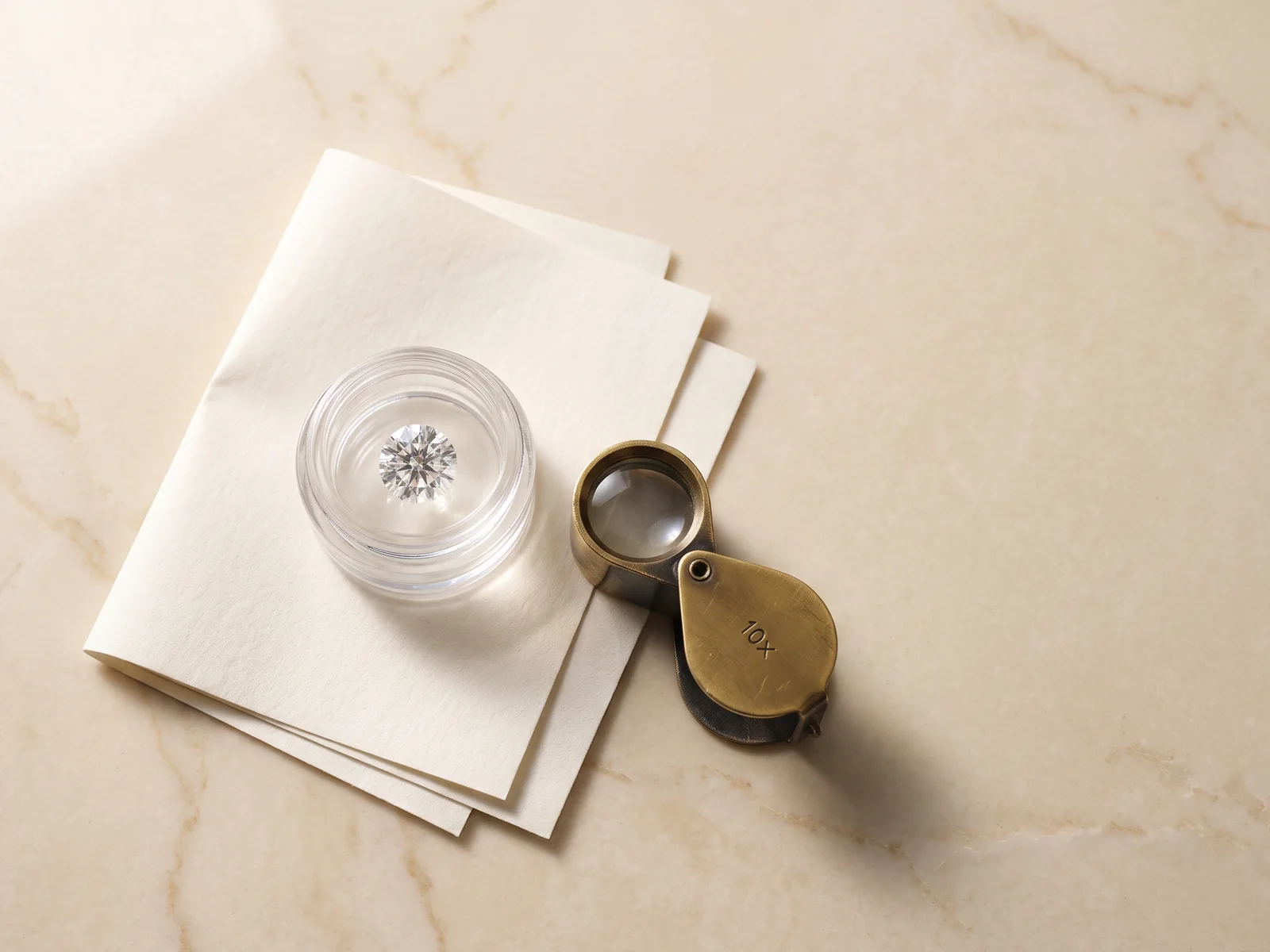
Most diamonds sold in Australia come with a grading report from an independent laboratory such as GIA, IGI or HRD. These reports record the 4Cs, measurements, fluorescence and any treatments. They are useful, but labs differ in how strictly they grade, and no report tells you everything about how a diamond looks.
Start with how the major labs compare, then learn how to read a GIA report line by line and how to check that the report matches your stone. From there, the guides cover other laboratories, lab-grown and origin reports, and the limits of what any certificate can prove.
Valuations are a separate document with a different purpose. Our insurance valuation guide explains replacement value, how often to update it, and when you need a valuation for an estate or family law matter. GemTrove has worked with certified diamonds since 2008, and these guides are reviewed by Raj Sood, Graduate Gemologist (GIA).
Start here
A simple path through the basics
- Certified vs Uncertified DiamondsUnderstand why an independent grading report matters before you compare any diamonds.
- GIA vs IGI vs HRD Diamond CertificatesSee how the three laboratories you will meet most often differ in grading and reputation.
- How to Read a GIA Diamond ReportWork through each section of a GIA report so the grades and plotting diagram make sense.
- How to Verify a GIA Report NumberCheck that a report is genuine and that it matches the diamond in front of you.
- Jewellery and Diamond ValuationLearn how a valuation differs from a grading report and when you need each one.
Certificates & Valuations
Certificate basics
Certificates & Valuations
Reading and verifying GIA reports
Certificates & Valuations
Comparing grading laboratories
Certificates & Valuations
Specialist diamond reports
Certificates & Valuations
Jewellery valuations
Every guide
All 21 certificates & valuations guides
Show all 21 guides
- Certified vs Uncertified Diamonds
- Jewellery and Diamond Valuation
- What a Diamond Report Doesn't Tell You
- Natural vs Lab-Grown Diamond Reports
- How to Read a GIA Diamond Report
- How to Verify a GIA Report Number
- GIA Diamond Dossier vs Diamond Grading Report
- Diamond Laser Inscription: What It Does and Does Not Prove
- Diamond Grading Labs Compared
- GIA vs IGI vs HRD Diamond Certificates
- Can You Compare Diamond Grades From Different Laboratories Directly?
- IGI Natural Diamond Report Explained
- HRD Diamond Report Explained
- AGS Diamond Reports Explained
- GSI and EGL Diamond Reports: What to Know
- Diamond Origin Reports Explained
- GCAL and Light Performance Reports
- Insurance Jewellery Valuation Explained
- Replacement Value vs Resale Value in Jewellery
- How Often to Revalue Jewellery
- Jewellery Valuations for Estates and Family Law

Ask a gemologist
Talk it through with a gemologist
Raj Sood is a Graduate Gemologist (GIA) and master jeweller. Bring the stones you are considering, or send the reports, and he will explain the differences in plain language.
FAQ
Certificates & Valuations questions
Is a diamond certificate the same as a valuation?
No. A certificate or grading report describes the diamond's characteristics, such as the 4Cs, while a valuation estimates a monetary value, usually for insurance. Many buyers need both.
Which diamond grading lab is most reliable?
GIA is widely regarded as the most consistent and strict grader, and IGI and HRD are also commonly used. Grades from different labs are not always directly comparable, so it helps to know which lab issued a report.
How can I check a GIA report is genuine?
Enter the report number on GIA's Report Check service and compare the details with your paper or digital report. If the diamond has a laser inscription, a jeweller can confirm it matches the report number under magnification.
Does a lab-grown diamond come with a certificate?
Most lab-grown diamonds sold today are graded by labs such as IGI or GIA, and the report clearly states the stone is laboratory-grown. The format and grading terms can differ from natural diamond reports.
How often should I get my jewellery revalued?
Every two to three years is a common guide in Australia, or sooner if gold or diamond prices move sharply. Check your insurer's requirements, as some policies specify a timeframe.
Why is my insurance valuation higher than what I could sell the piece for?
An insurance valuation reflects the cost of replacing the item new at retail, while resale value is what a buyer would pay for a second-hand piece. The two figures are often quite different.