
GemTrove
Jewellery and Diamond Valuation
A practical guide to valuation vs diamond certificate with GemTrove: grading, proportions, visual performance, documentation and practical diamond-selection guidance.
JEWELLERY & DIAMOND VALUATION MELBOURNE Jewellery and Diamond Valuation GemTrove provides jewellery and diamond valuation guidance for insurance, replacement, resale, estate planning and peace of mind. Each item is assessed with a gemmologist-led approach, considering diamonds, gemstones, precious metals, craftsmanship, condition, documentation and current replacement context. Book a Valuation Appointment View GemTrove on Google Maps Insurance Replacement-value guidance for engagement rings, diamond jewellery, watches and fine jewellery. Diamonds Natural and lab-grown diamonds assessed with certificate, 4Cs, measurements and condition in mind. Gemstones Sapphire, ruby, emerald and coloured gemstone jewellery reviewed for identity, treatment and durability. GIA guidance Professional review from a Graduate Gemologist – GIA and experienced Melbourne jeweller. Valuation is more than a price
A reliable valuation considers identity, quality, condition, documentation, craftsmanship and the purpose of the report. Insurance, resale and estate values are not always the same. Jewellery and diamond valuation guidance for insurance, replacement, resale, estate, gemstone identification and documentation. What Is a Jewellery and Diamond Valuation? A jewellery and diamond valuation is a written assessment that identifies an item and gives a value for a stated purpose. It may consider diamond or gemstone quality, metal type, workmanship, condition, brand or provenance where relevant, replacement cost, documentation and current market conditions. A valuation is different from a sales receipt, a diamond grading report or a verbal opinion. A properly prepared valuation should clearly describe the jewellery item, explain the important quality factors and state the basis of value. For insurance, the focus is usually replacement. For resale or estate matters, a different value basis may be needed. Valuation purposes Certificate vs valuation Valuation process What we check FAQs
When Do You Need a Jewellery Valuation? Jewellery valuations are commonly needed for insurance cover, updating an old policy, documenting an engagement ring, valuing inherited jewellery, preparing for resale, confirming gemstone details or understanding a piece before remodelling. The correct valuation type depends on the reason the value is being used. Insurance Replacement-value valuation Useful when your insurer asks for a current jewellery value, photographs and item description for cover. Resale Market guidance Helps you understand likely resale context, which can differ from retail replacement value. Estate Family or estate documentation Useful for inherited jewellery, family discussions, estate planning and record keeping. Diamond Diamond value review Considers natural or lab-grown origin, certificate, cut, colour, clarity, carat, fluorescence and condition. Gemstone Coloured gemstone valuation Considers gem identity, colour, size, treatment, origin where known, durability and setting suitability. Peace of mind Know what you own Helpful when jewellery was inherited, gifted, bought overseas or supplied without detailed documentation. Diamond Certificate vs Jewellery Valuation A diamond grading report and a jewellery valuation serve different purposes. A GIA or IGI report describes the diamond’s characteristics, while a valuation gives a
monetary value for a defined purpose. Both can be useful, but one does not replace the other. Document Main purpose Usually includes Diamond grading report Identifies and grades a loose or set diamond where report details are available. Carat, colour, clarity, measurements, propo fluorescence and repo Jewellery valuation Gives a value for a stated purpose such as insurance, replacement or market guidance. Item description, esti and stones, condition photographs, value ba Purchase invoice Records what was bought and what was paid at the time of sale. Retailer details, item sale price, GST where and purchase date. Insurance schedule Records what the insurer has agreed to list and insure under the policy. Item name, insured v conditions and any li item details. Research reference: GIA explains that a grading report is not the same as an appraisal, because an appraisal estimates monetary worth while a grading report gives objective diamond quality information. Read GIA’s explanation. Jewellery Valuation for Insurance Insurance valuations usually focus on replacement value rather than what the item might sell for second-hand. Your insurer may need a clear description, photographs, value, certificate details and information about whether the item should be listed separately under your policy. Jewellery insurance requirements vary between insurers and policies. Some policies apply limits to jewellery unless the item is listed or specified. This is why a current valuation can be important for engagement rings, diamond rings, watches, tennis bracelets, gemstone jewellery and inherited jewellery.
Replacement value Insurance values often reflect the likely cost to replace a similar item through retail or custom manufacture. Item description A useful report should describe the item clearly enough for future claim, replacement or comparison. Photos and documents Photographs, certificates, invoices and previous valuations help support identification and insurance records. Insurance research context: MoneySmart explains that contents insurance can include jewellery; insurer examples show that valuable jewellery may need to be listed separately or specified if it is above policy limits. MoneySmart contents insurance | Allianz jewellery cover example | Budget Direct jewellery limit example What GemTrove Checks During a Valuation A good jewellery valuation considers the whole item, not only the centre stone. GemTrove reviews diamonds, gemstones, metal type, setting style, workmanship, wear, damage, documentation, hallmark information where visible and the purpose of the valuation before preparing guidance. Valuation area What is reviewed Diamond details Natural or lab-grown origin, carat, cut, colour, clarity, fluorescence, certificate and measurements. Gemstone identity Sapphire, ruby, emerald, aquamarine and other gemstones; colour, clarity, cut and treatment clues. Precious metal Gold colour and karat, platinum, silver, hallmarks where visible and approximate construction.
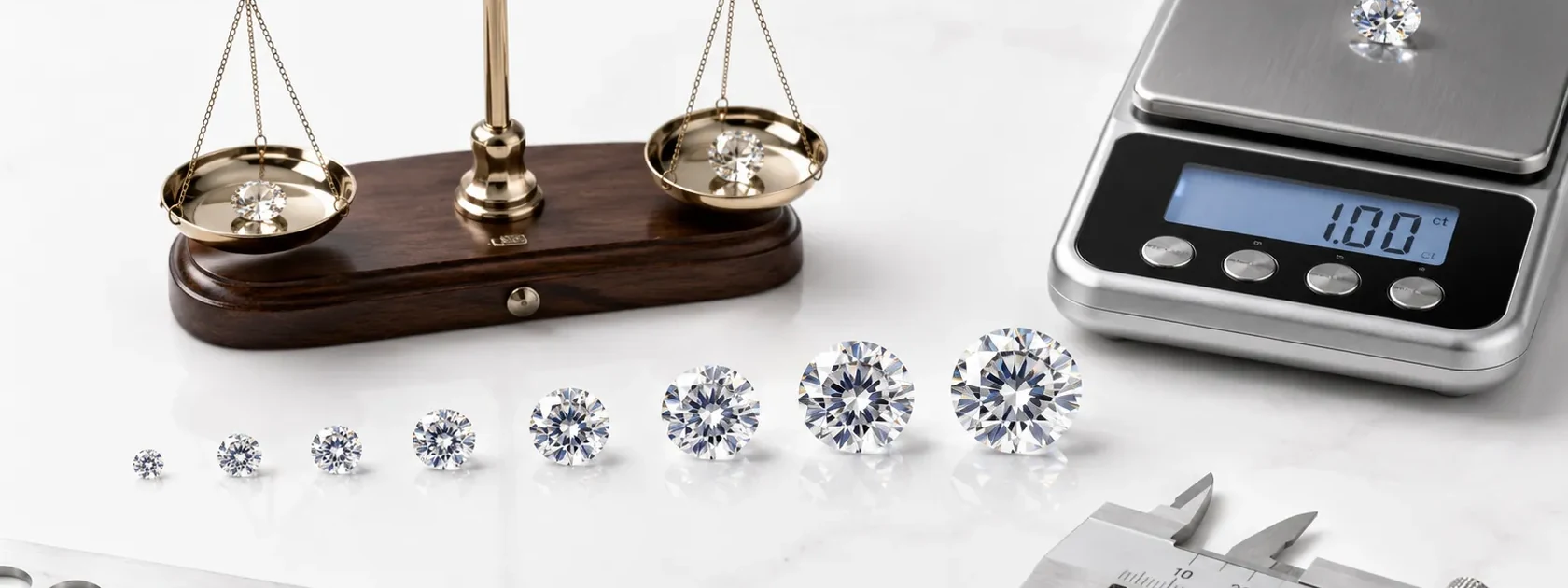
Valuation area What is reviewed Workmanship Handmade, cast, CAD, setting quality, finish, symmetry and design complexity. Condition Wear, scratches, chips, loose stones, worn claws, cracks, thinning bands and previous repairs. Documentation GIA or IGI reports, purchase invoices, old valuations, receipts and repair history. Gemological microscope Used for detailed inspection of inclusions, setting work, damage and gemstone features. 10x loupe and lighting Traditional gemmological inspection for diamonds, gemstones, hallmarks and workmanship. Precision scales and tools Useful for estimating weights, measurements and supporting valuation details. Diamond Valuation: Natural and Lab-Grown Diamonds Diamond valuation depends on more than carat weight. Natural and lab-grown diamonds should be identified clearly and valued with their certificate, 4Cs, measurements, cut quality, fluorescence, condition, market context and replacement route in mind. Natural diamonds GIA, origin and rarity matter
Natural diamond values are affected by geological origin, GIA or other recognised reports, cut, colour, clarity, carat, demand and comparable replacement availability. Lab-grown diamonds Disclosure and current pricing matter Lab-grown diamond values can move differently from natural diamonds, so reports should clearly disclose laboratory-grown origin and use current replacement context. Gemstone Jewellery Valuation Coloured gemstone valuation requires careful attention to identity, colour, treatment, durability and setting suitability. Sapphire, ruby, emerald, aquamarine, alexandrite and other gemstones can vary widely in value, even when two stones look similar at first glance. Gemstone factor Examples Identity Sapphire, ruby, emerald, aquamarine, garnet, spinel, topaz, tourmaline and others. Natural or synthetic Natural sapphire vs lab-grown sapphire, natural ruby vs synthetic ruby. Treatment Heat, diffusion, filling, oiling, coating or other enhancement. Colour quality Tone, saturation, hue, zoning and evenness of colour. Wearability Hardness, toughness, setting protection and daily-wear suitability.
GemTrove Valuation Process GemTrove’s valuation process is appointment-based and practical. Bring the jewellery item, any certificates, invoices, old valuations and insurance requirements. The item is inspected, photographed where suitable, assessed and documented according to the purpose of the valuation. Step 1 Book an appointment Contact GemTrove and explain whether the valuation is for insurance, resale, estate, replacement or peace of mind. Step 2 Bring documents Bring GIA or IGI reports, purchase invoices, previous valuations, repair records and insurer instructions if available. Step 3 Inspection GemTrove reviews diamonds, gemstones, metals, setting quality, hallmarks, condition and supporting documents. Step 4 Value basis The correct value basis is considered, such as insurance replacement, resale context or documentation purpose. Step 5 Valuation document A written record may include item description, photographs, value, date, purpose and relevant observations. Step 6 Aftercare advice GemTrove can also advise if claws, settings, stones or cleaning require attention before continued wear. What to Bring to Your Valuation Appointment The more information you provide, the more complete the valuation review can be. Bring certificates, receipts, old valuation reports, insurance letters, repair records
and any known history of the item, especially for inherited jewellery or pieces bought overseas. Jewellery item Bring the ring, pendant, bracelet, earrings, watch or loose stones needing assessment. Certificates Bring GIA, IGI or other gemstone and diamond reports if available. Invoices Original purchase invoices can assist with item history and supporting details. Previous valuations Old valuations help compare past documentation, but current replacement values may differ. Insurance instructions Bring insurer requirements if the valuation is for listed valuables or a claim. Known history Family history, remodelling records and repair history can be useful for heirloom jewellery. How Often Should Jewellery Be Revalued? Jewellery values can change as diamond prices, lab-grown diamond prices, coloured gemstone availability, gold and platinum costs, exchange rates, labour costs and replacement methods change. Many clients review important jewellery every few years or whenever an insurer requests updated documentation. You should also consider an updated valuation after resizing, remodelling, stone replacement, major repair, inheritance, overseas purchase, loss of documents or a significant change in insurance cover. For valuable jewellery, ask your insurer how current the valuation needs to be and whether the item must be listed separately.
Helpful GemTrove Links Continue your research with related GemTrove guides and services before booking a valuation, repair, remodelling or custom jewellery appointment. Contact GemTrove Book a private appointment for valuation, diamond selection, repairs or custom jewellery. GIA Gemmologist Melbourne Learn about GemTrove’s gemmologist-led diamond and gemstone guidance. Diamond 4Cs Guide Understand diamond cut, colour, clarity and carat before reviewing value. How to Read a GIA Report Learn how diamond report details support transparent valuation and comparison. Natural vs Lab-Grown Diamonds Compare origin, disclosure, certificate and value considerations. Jewellery Remodelling Review inherited or older jewellery before redesigning it into a new piece. Jewellery Repairs Assess worn claws, loose stones, cracked settings and general wear before continued use. Custom Engagement Rings Use valuation knowledge when remaking, replacing or upgrading an engagement ring. Sapphire Gemstone Guide Learn about sapphire identity, treatment, colour and jewellery suitability. Jewellery and Diamond Valuation FAQs
Is a diamond certificate the same as a valuation? No. A diamond grading report describes the diamond’s characteristics, while a valuation gives a monetary value for a stated purpose. Do I need a valuation for insurance? Many clients use valuations to support insurance records, especially for engagement rings, diamond jewellery, watches and high-value pieces. Can lab-grown diamonds be valued? Yes. Lab-grown diamonds can be valued, but the report should clearly disclose laboratory-grown origin and use current replacement context. Can coloured gemstones be valued? Yes. Sapphire, ruby, emerald and other gemstone jewellery can be reviewed for identity, treatment, colour, condition and replacement value. Should inherited jewellery be valued? A valuation can help document inherited jewellery for family records, insurance, remodelling or future decision-making. Can GemTrove check condition during valuation? Yes. GemTrove can inspect wear, loose stones, worn claws, chips, cracks and repair needs during the appointment. GemTrove Guidance in Melbourne