
- Education
- Certificates & Valuations
- Replacement Value vs Resale Value in Jewellery: What Each Number Means
Certificates & Valuations
Replacement Value vs Resale Value in Jewellery: What Each Number Means
Replacement value vs resale value is one of the most common confusions at the valuation counter. One number tells your insurer what it would cost to replace a piece. The other is what the piece would fetch if you sold it, and the gap between them is usually large.
 Reviewed by Raj Sood, Graduate Gemologist (GIA), AJP (GIA)Master jeweller and Graduate Gemologist (GIA) · reviewed 4 November 2026
Quick answer
Replacement value is what it would cost to buy an equivalent new piece at retail today; it is the figure on an insurance valuation. Resale value is what a dealer or private buyer will pay you for the piece now. Resale is normally well below replacement: often about 20–60% of it for natural diamond jewellery, and much less for lab-grown.
Replacement value vs resale value: what is the difference?
Replacement value is what it would cost, at today's retail prices, to buy a new piece of the same type, quality and construction as yours. It is the figure written on an insurance valuation, because an insurer's job after a loss is to put you back where you were: wearing a ring like the one you lost. Resale value is what you could realistically get if you sold the piece today, to a jeweller, a diamond dealer, a pawnbroker, an auction house or a private buyer. The two numbers answer different questions, so they are meant to be different.
People are often surprised that a ring valued at $15,000 for insurance draws offers of $5,000 when they try to sell it. Nothing has necessarily gone wrong. The valuation is not a promise of what the ring will fetch, and a lower offer is not proof the valuation was inflated. Each is a correct answer to its own question.
| Replacement value | Resale value | |
|---|---|---|
| Question it answers | What would a new equivalent cost me at retail? | What will someone pay me for this piece now? |
| Who uses it | Insurers, policy holders | Sellers, dealers, auction houses |
| Based on | Retail price of stones, metal, labour and retail costs | Wholesale or second-hand trade price, often less dealer costs |
| Includes GST? | Yes, 10% is built into retail prices | No; a trade buyer pays a net price |
| Typical level | The highest figure you will see | Usually well below replacement |
| Moves with | Retail prices, metal prices, labour costs | Trade demand, metal prices, condition, paperwork |
A valuation is also not the same thing as a grading report. A grading report from a lab such as GIA or IGI describes the diamond (its carat, colour, clarity and cut) but puts no dollar figure on it; a valuation uses that description to set a price for a stated purpose. Our guide on how diamond certificates differ from valuations explains the paperwork, the page on the factors that set a diamond's price shows how the grades feed into the number, and any unfamiliar word here is in our plain-English jewellery glossary.
What does replacement value on an insurance valuation include?
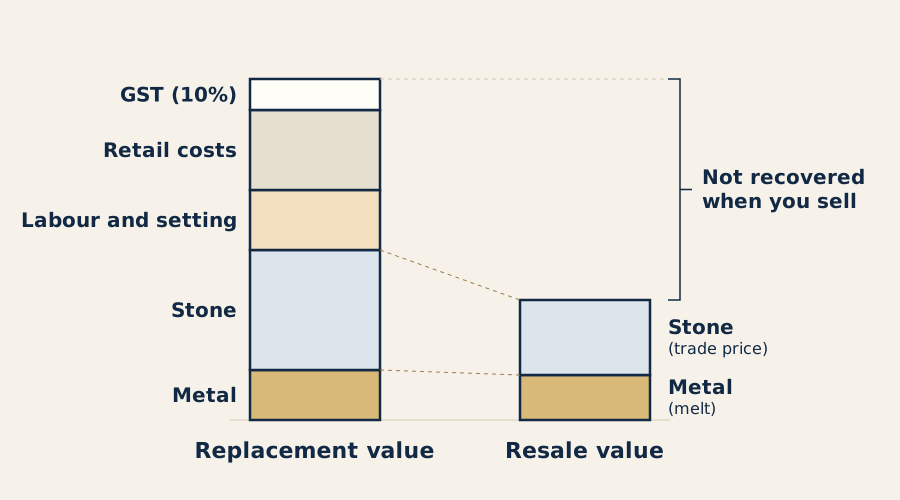
An insurance valuation builds the replacement figure from the cost of making the piece again and selling it through a normal retail jeweller in Australia. A thorough valuer works through each part:
- Stones: the retail cost of a diamond or gemstone matching the measurements, weight, colour, clarity and cut described.
- Metal: the weight and fineness. 18 ct gold is 75% pure gold, 9 ct is 37.5%, and 950 platinum is 95% platinum, so two rings that look alike can hold very different metal value.
- Labour: casting or hand making, setting each stone, polishing, engraving and finishing such as milgrain (tiny beaded edges along the metal).
- Retail costs: the margin a jeweller needs to cover premises, staff, stock and warranty work.
- GST: Australian retail prices include 10% GST, so the replacement figure includes it too.
Construction changes the figure more than most people expect. A ring that was hand-fabricated from wire and sheet takes far more bench hours to remake than one cast from a mould, so its replacement value is higher even if the metal weight is similar; our guide to cast versus hand-fabricated construction shows how to tell them apart. Signed pieces by a known maker and genuine antique pieces are harder to value, because an exact copy may not be possible and the valuer has to price the closest modern equivalent and say so.
What makes a replacement valuation useful is detail. It should list each stone's measurements in millimetres, its reported or estimated carat weight, colour and clarity grades, any grading report number, the metal type and hallmark, the total weight in grams and clear photos. That detail is what lets an insurer, or another jeweller, source a genuinely equivalent piece. A high figure with a vague description is of little help at claim time.
Why is resale value so much lower than replacement value?
When you sell, almost every cost built into replacement value falls away, and new costs appear on the buyer's side. The main reasons jewellery resale value sits lower:
- No retail margin: you are selling into the trade, not to a retail customer, so you receive a wholesale price at best.
- The buyer must resell: a dealer needs room to clean, test, perhaps re-grade, hold and then resell the piece at a profit.
- Settings are often scrapped: unless the design is in demand, a buyer counts the mount at its melt value (the price of the metal if it were melted down), not what it cost to make.
- Wear and risk: chipped girdles, worn claws, missing paperwork or an unknown treatment history make a buyer cautious, and caution lowers offers.
- Supply: there are many second-hand diamonds of common sizes in circulation, so buyers can be choosy.
The gap between what a dealer pays and what they sell for is called the spread. For widely traded goods such as gold bullion the spread is small. For jewellery it is wide, because every piece is different and takes time and skill to sell. Our full guide to diamond resale value goes into dealer pricing in more depth.
It is worth being clear about the long view, too. Natural diamond prices have risen in some periods and fallen in others, and retail jewellery has never reliably been resold for more than it cost new. If you want the history, see how natural diamond prices have moved over time. Jewellery is something to wear and enjoy, not an investment.
Replacement value vs resale value: a worked example in AUD
Here is how the two numbers commonly compare for typical pieces. These are broad, approximate ranges, not quotes or offers; real figures depend on the exact stone, the metal price on the day and who is buying.
| Piece | Replacement value (approx. AUD) | Resale value (approx. AUD) | Why the gap |
|---|---|---|---|
| 1.00 ct natural round, G colour, VS2, GIA report, 18 ct gold solitaire | about $12,000–$18,000 | about $4,000–$8,000 | Stone sells near or below wholesale; setting usually counted at melt |
| 1.00 ct lab-grown round, G colour, VS2, IGI report, 18 ct gold solitaire | about $2,500–$4,500 | about $300–$1,000 | Thin second-hand market for lab-grown stones; most value is in the gold |
| 18 ct yellow gold wedding band, about 5 g | about $1,200–$2,000 | about $400–$650 | Bought for metal content; labour and margin are not recovered |
| Natural sapphire and diamond cluster, 9 ct gold, no reports | about $2,000–$4,000 | about $300–$1,200 | Unreported stones are discounted; 9 ct holds little gold |
Notice the pattern. The more of a piece's replacement value sits in labour, design and retail costs rather than in the stone or metal itself, the bigger the gap. A larger natural diamond with a respected report keeps the highest share at resale, because it is a known, tradable item that a dealer can describe to the next buyer in one line. A small cluster ring with unreported stones keeps the least.
Cut affects resale as well. A trade buyer looks hard at proportions, because well-cut stones are easier to sell on. Some round diamonds are cut shallow so they spread wider and look bigger for their weight; our guide to shallow rounds with a bigger spread explains when that trade-off makes sense and when it can count against a stone later. Shape matters too, and our overview of the main diamond shapes shows which outlines are most widely traded.
Not sure which one is right?
Send us the stones you are looking at and our gemologist will tell you which to choose and why.
Do lab-grown diamonds have resale value?
Lab-grown diamonds are real diamond: the same carbon crystal, 10 on the Mohs hardness scale, with the same refractive index of about 2.42. They are grown in a laboratory rather than mined. Because production has grown quickly, retail prices for lab-grown stones have fallen a long way in recent years, and the price of a new stone sets the ceiling for a used one. In practice many buyers offer little or nothing for a second-hand lab-grown diamond, and the lab-grown diamond resale value of a ring is often close to the value of its metal.
That does not make lab-grown a poor choice. It means the value is in wearing it: you get a larger or higher-grade diamond for your budget. Insure it at replacement value like any other piece, and expect that replacement figure to fall at each revaluation if retail prices keep dropping. Before you choose, run through these questions to ask about lab-grown resale before you buy.
Natural diamonds have an established second-hand trade, particularly stones of about 0.70 ct and up with a GIA report. Even so, offers are at or below wholesale, which is why the resale share sits well under replacement. Our explainer on why dealers discount second-hand diamonds covers how those offers are calculated. Whichever type you own, these things help a piece hold more of its value:
- An independent grading report from GIA, IGI or another recognised lab, ideally with the report number laser-inscribed on the girdle.
- A standard, popular shape and size, such as a round or oval from about 0.70 ct to 2 ct; our comparison of prices across diamond shapes shows why rounds carry a premium.
- A good cut, eye-clean clarity (no inclusions visible without magnification) and no undisclosed treatments.
- Original receipts, valuations and boxes kept together.
- A setting the stone can be removed from without damage.
Browse natural and lab-grown diamonds, or book a valuation
Which value should you insure jewellery for in Australia?
For insurance, the right figure is replacement value: the cost of getting an equivalent piece. Insuring for resale value would leave you unable to replace the ring after a loss. In Australia jewellery is usually covered in one of three ways:
- Home contents, unspecified: jewellery is covered as part of your contents, but most policies cap any single item, or all jewellery together, at a set amount, often somewhere around $1,000–$3,000.
- Home contents, specified items: you list the piece and its value, usually supported by an insurance valuation, and pay extra premium to lift the cap.
- Standalone jewellery insurance: a separate policy for valuable pieces, often with cover away from home and options on how claims are settled.
Read how the policy settles a claim. Some insurers replace the item through their own suppliers, who may buy at trade prices, so the cash they offer instead can be less than your valuation figure. Others offer agreed value cover, where you and the insurer agree the sum in advance and that is the amount paid on a total loss. Check the product disclosure statement (PDS) for the exact wording, and ask the insurer if anything is unclear.
Over-insuring a piece usually just means paying more premium than you need to, because most policies will not pay more than the cost of replacement. Under-insuring is the bigger risk, especially after gold prices rise. Keep the grading report number on your valuation so the insurer can match the stone, and see how often to revalue your jewellery for a sensible timetable.
What other values can a jewellery valuation show?
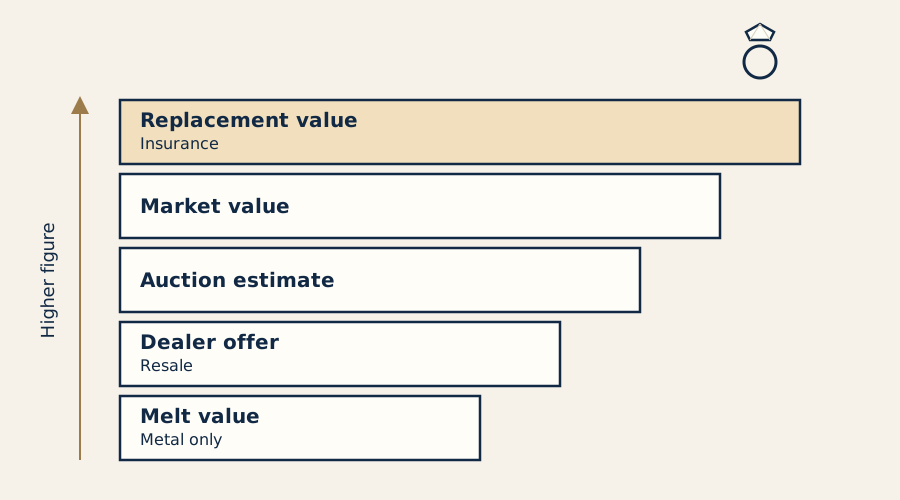
Replacement and resale are the two numbers most people meet, but valuers write valuations for several purposes, and each uses a different basis. The purpose should be stated clearly at the top of the document, because the same ring can carry very different figures for different jobs. This is the heart of market value vs replacement value in jewellery.
| Value type | Used for | Compared with replacement |
|---|---|---|
| Replacement value | Insurance cover and claims | The highest figure; full retail including GST |
| Agreed value | Agreed value insurance policies | Set with the insurer, often equal to replacement |
| Market value (fair market value) | Deceased estates, family law property settlements, private sales | Lower; what a willing buyer and seller would agree in the open market |
| Auction estimate | Selling through an auction house | Lower; before buyer's premium and seller's commission |
| Melt or scrap value | Selling to a gold buyer | The floor; metal content only |
If you need a figure for a will, a deceased estate or a family law property settlement, an insurance valuation is the wrong document: it will overstate what the jewellery would sell for, and that can distort how assets are divided. Our guide to valuations for estates and family law matters explains what those valuations need to show and who should prepare them.
Related guideNatural Diamond Value Over TimeHow often should you update a replacement valuation?
Replacement value is a snapshot. Gold, platinum and diamond prices move, labour costs rise and lab-grown prices fall, so a valuation drifts out of date. A common rule of thumb is to update an insurance valuation every two to three years, and sooner after a big move in the gold price or if the piece has been altered, resized or reset. For a breakdown by type of piece, see revaluation intervals by type of piece.
A revaluation can go down as well as up. A lab-grown ring valued five years ago may now cost much less to replace, and lowering the specified sum can reduce your premium. A plain gold band may be worth more to replace than it was, simply because the metal price has risen.
Between valuations, keep copies of the valuation, grading reports and clear photos somewhere separate from the jewellery itself, with a digital copy as well. Good care also protects value at resale: scratched metal, worn claws and loose stones cost money to fix before sale, and buyers deduct it. Our guide to storing jewellery safely between valuations covers the practical side.
How much can I sell my diamond ring for? Step by step
- Gather your paperwork. Find the grading report, original receipt and most recent valuation, and check the report number matches any inscription on the girdle.
- Understand the price drivers. Brush up on the four Cs and other price drivers so you can judge offers against the stone's grades.
- Get a market value, not a replacement value. Ask a valuer for the current market value if you want a realistic selling benchmark; the insurance figure will be higher than any offer.
- Ask several buyers. Get written offers from two or three different buyers, for example a diamond dealer, a jeweller who buys second-hand and an auction house.
- Ask how each offer is built. Is the stone priced separately from the setting? Is the setting counted at melt? Knowing terms such as melt value and dealer spread tells you where the money is going.
- Weigh the alternatives. Selling privately can return more but takes longer and needs care with payment and safety; remodelling the piece or passing it on may serve you better than a low offer.
- Update your insurance. If you keep the piece, make sure the replacement valuation is current; if you sell, remove it from your policy.
Free consultation
Talk to a gemologist
Compare stones in person or online with Raj Sood, Graduate Gemologist (GIA), AJP (GIA).
Book a consultationFAQ
Common questions
Why is my jewellery valuation so much higher than what jewellers offer to buy it for?
An insurance valuation states replacement value: the full retail cost of a new equivalent, including labour, retail costs and 10% GST. A buyer offers a trade price and needs room to resell, so the offer is naturally much lower.
Is replacement value the same as market value?
No. Replacement value is what a new equivalent costs at retail, while market value is what a willing buyer and seller would agree on today. Market value is the basis for estates and family law and is usually well below replacement value.
Should I insure jewellery for replacement value or resale value?
Replacement value, because after a loss you need enough to buy an equivalent piece. Check whether your policy replaces in kind, pays cash or uses an agreed value, as that changes what you actually receive.
Do lab-grown diamonds hold their resale value?
Generally not. Lab-grown diamonds are real diamond, but new prices have fallen sharply, so second-hand offers are low and a lab-grown ring often resells for little more than its metal.
What percentage of the insurance value will I get if I sell?
There is no fixed figure. As a rough guide, natural diamond jewellery often sells for somewhere around 20–60% of its replacement value, with larger reported stones at the upper end and small or unreported pieces at the lower end.
Can an insurance valuation be too high?
Yes. An inflated valuation usually just raises your premium, because most insurers will only pay what it actually costs to replace the piece. Ask for a valuation with full descriptions so the figure can be checked.

Ask a gemologist
Not sure which diamond to choose?
Raj Sood is a Graduate Gemologist (GIA) and master jeweller. Bring the stones you are considering, or send the reports, and he will tell you honestly which one is better and why.
Keep learning
Related guides
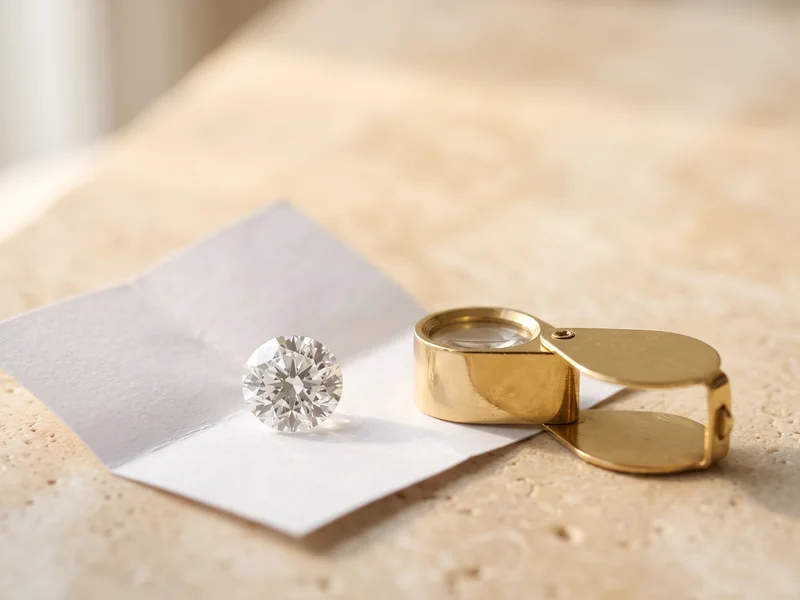
 Buying Knowledge & Custom ProcessDiamond Resale Value Explained
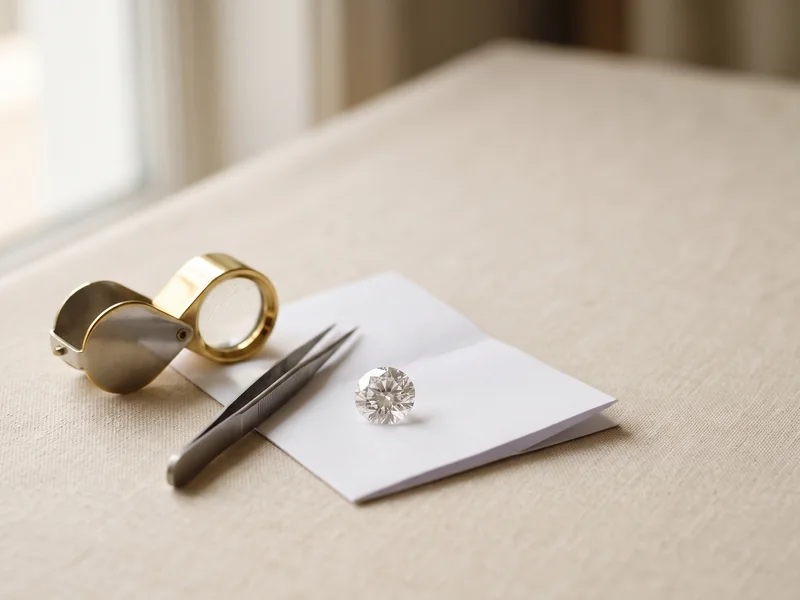
 Certificates & ValuationsHow Often to Revalue Jewellery
 Certificates & ValuationsJewellery Valuations for Estates and Family Law
 Lab-Grown DiamondsLab-Grown Diamond Resale Value: Questions to Ask Before BuyingCertificates & ValuationsDiamond Certificates & Jewellery Reports
 Diamond 4Cs & GradingWhat Determines a Diamond's Value
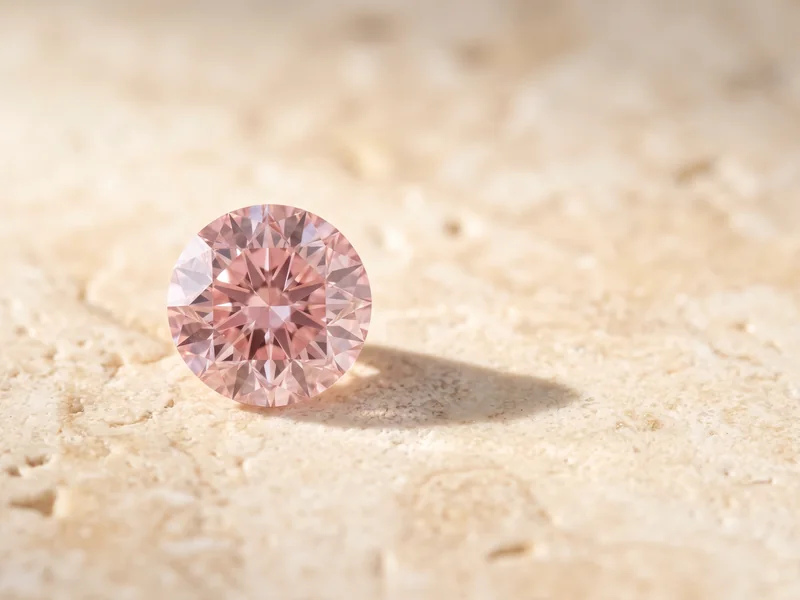 Natural DiamondsNatural Diamond Value Over Time
 Diamond Anatomy & LightShallow Round Diamonds: Bigger Spread, Better Value?
Explore more
More guides on this topic
Education