
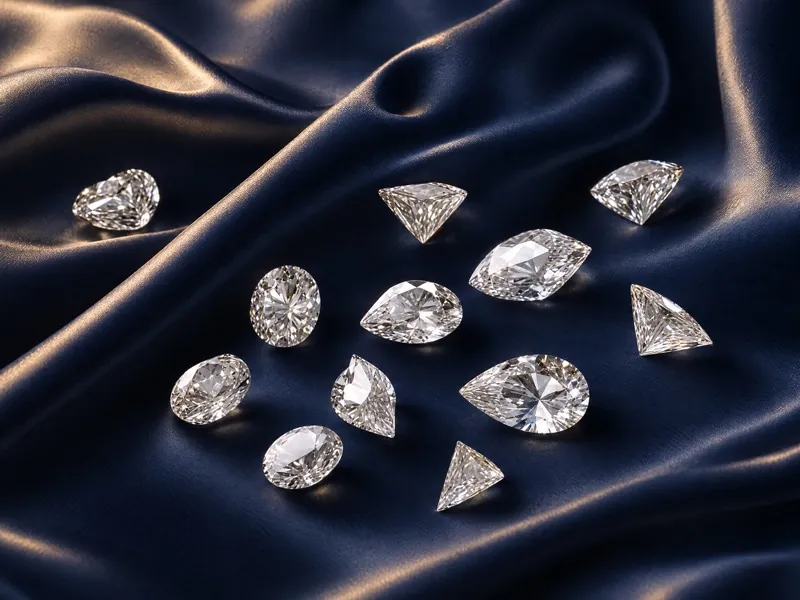
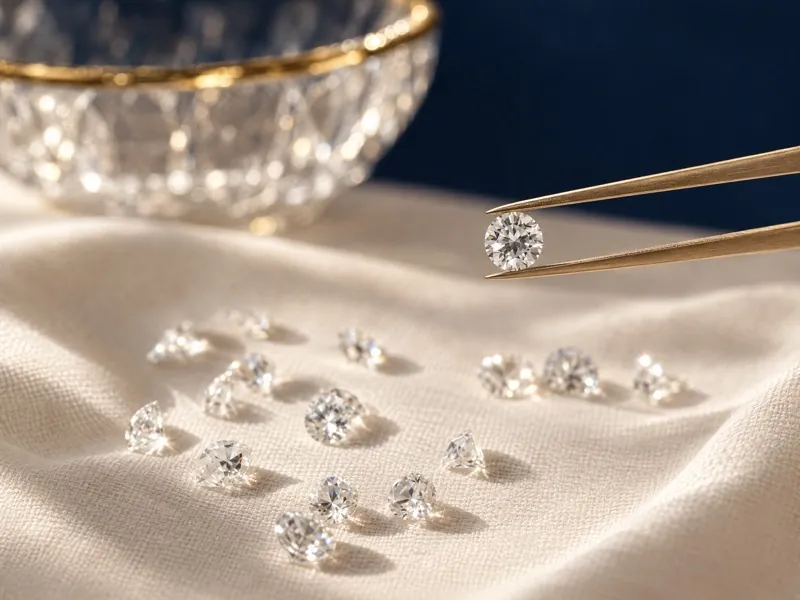
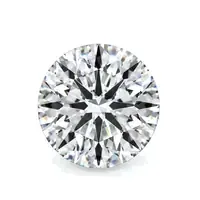
 Round
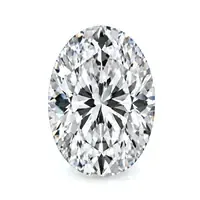 Oval
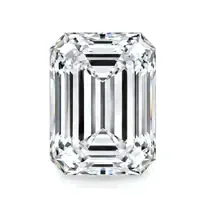 Emerald
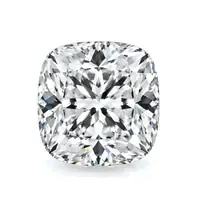 Cushion
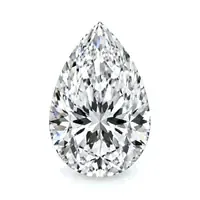 Pear
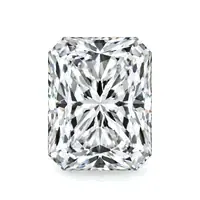 Radiant
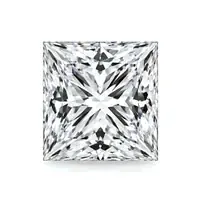 Princess
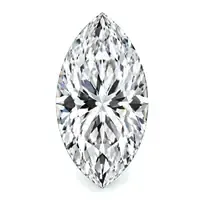 Marquise
- Education
- Jewellery Types
- Diamond Earrings Buying Guide: Studs, Hoops, Drops and Matching Pairs
Jewellery Types
Diamond Earrings Buying Guide: Studs, Hoops, Drops and Matching Pairs
Diamond earrings are bought for everyday wear more than almost any other piece, so the style, the size per ear and the way they fasten matter as much as the diamonds. Here is how to choose them, with live prices from our catalogue.
 Reviewed by Raj Sood, Graduate Gemologist (GIA), AJP (GIA)Founder and Graduate Gemologist (GIA) · reviewed 25 November 2026
Quick answer
Choose diamond earrings by style first (studs, hoops or drops), then total carat weight, setting and back. On 25 November 2026 GemTrove listed 466 diamond earring designs from $788, made to order in Melbourne with lab-grown diamonds, and matched natural or lab-grown pairs on solitaire studs.
Which style of diamond earring should you choose?
Most diamond earrings fall into three families, and each suits a different kind of wear. Studs sit on the lobe and are the most practical choice for every day. Hoops and huggies circle the lobe and catch light from the side. Drops hang below the lobe and move as you do, which makes them more of an evening piece for many people.
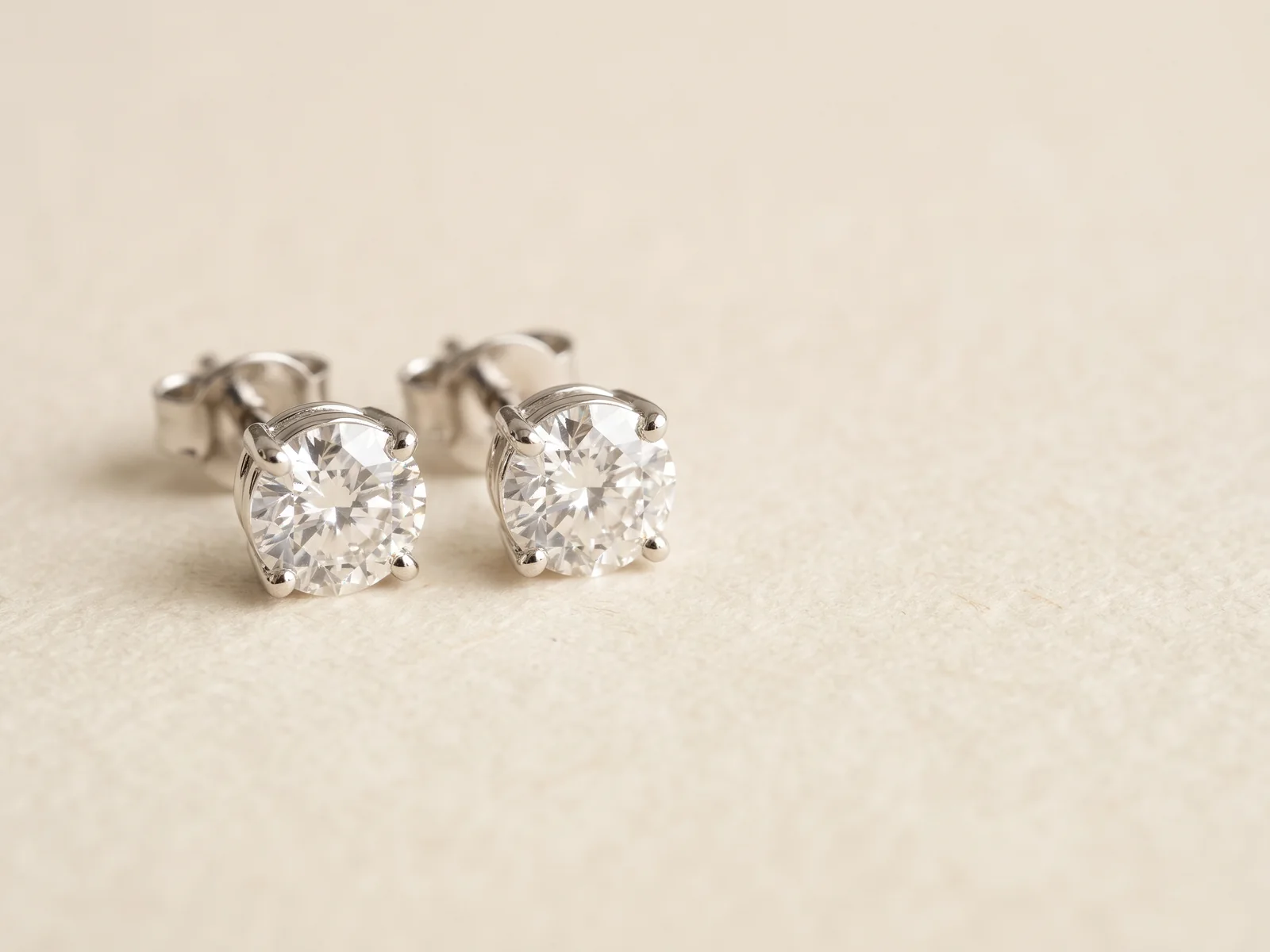
- Solitaire studs: one diamond per ear in claws or a bezel. The classic first pair of diamond earrings; see diamond stud sizes by carat.
- Halo and cluster studs: small diamonds around or grouped together, which look larger for their weight.
- Hoops and huggies: from small huggies that sit close to the lobe to larger hoops; compared in hoop and huggie earring styles.
- Drops and long earrings: a diamond or line of diamonds hanging below the lobe; see drop earring settings.
- Toi et moi and fancy shapes: two contrasting stones or less common cuts, for a more individual look.
| Earring style, 25 Nov 2026 | Designs, lowest, middle |
|---|---|
| Drop | 144 · from $1,448 · $2,918 |
| Fashion | 91 · from $968 · $2,328 |
| Hoops | 72 · from $788 · $2,158 |
| Solitaire | 37 · from $858 · $1,288 |
| Fancy Shape | 29 · from $1,958 · $2,388 |
| Long | 23 · from $2,428 · $3,288 |
| Fancy Colour | 17 · from $2,458 · $6,338 |
| High Jewellery | 16 · from $3,538 · $5,508 |
| Halo | 13 · from $1,598 · $1,918 |
| Toi et Moi | 10 · from $2,308 · $2,713 |
Diamond earrings in stock today
See all 466 →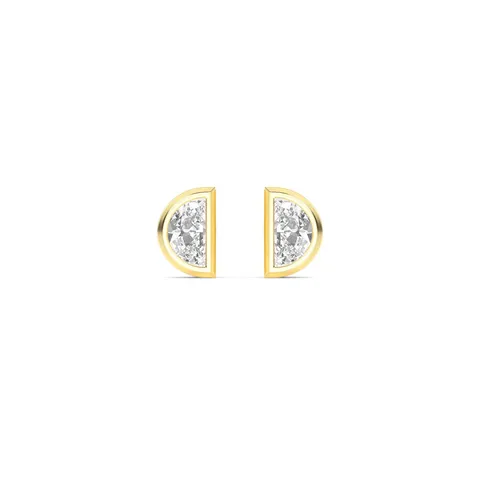 Solitaire · EarringsHalf Moon Solitaire Earrings0.34 to 0.53ct total lab-grown diamondsFrom $1,278 AUD
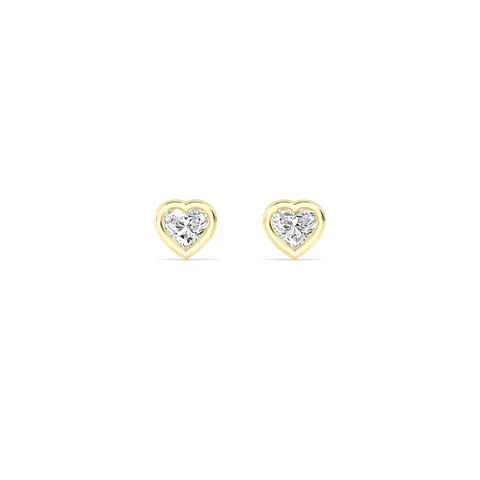 Solitaire · EarringsHeart Solitaire Earrings0.3 to 2ct total lab-grown diamondsFrom $1,078 AUD
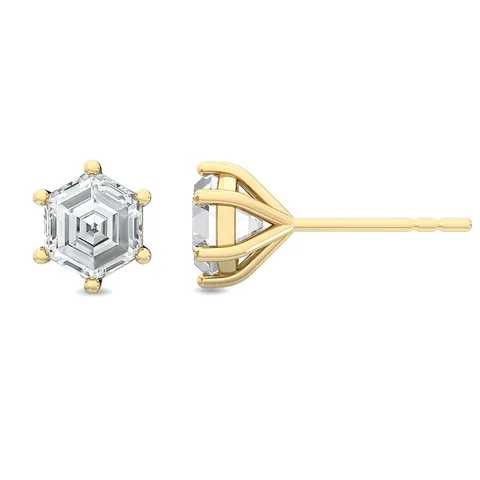 Solitaire · EarringsHexagon Solitaire Earrings1.02 to 1.53ct total lab-grown diamondsFrom $1,828 AUD
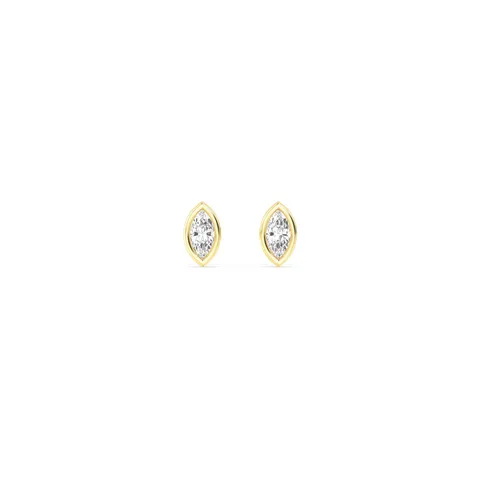 Solitaire · EarringsMarquise Solitaire Earrings0.3 to 2ct total lab-grown diamondsFrom $1,068 AUD
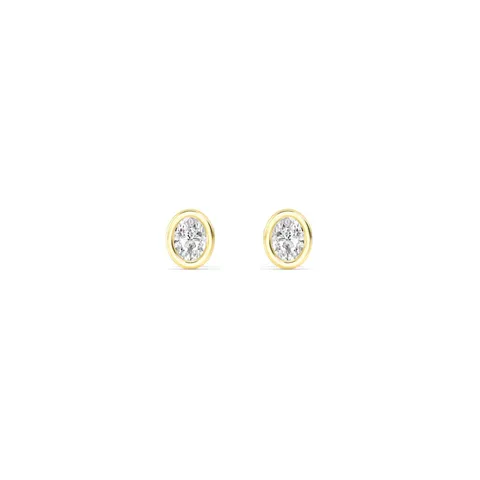 Solitaire · EarringsOval Solitaire Earrings0.29 to 2ct total lab-grown diamondsFrom $1,058 AUD
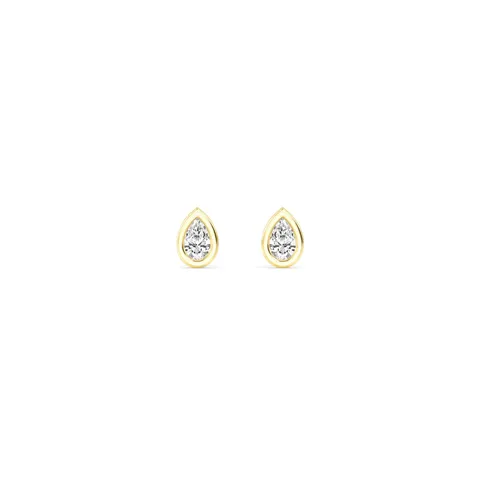 Solitaire · EarringsPear Solitaire Earrings0.18 to 2ct total lab-grown diamondsFrom $1,018 AUD
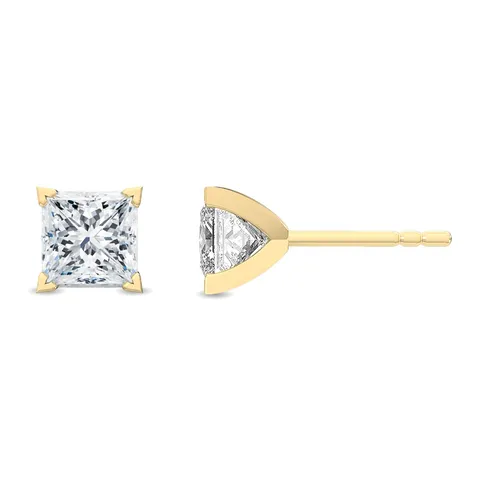 Solitaire · EarringsPrincess Solitaire Earrings0.47ct total lab-grown diamondsFrom $1,218 AUD
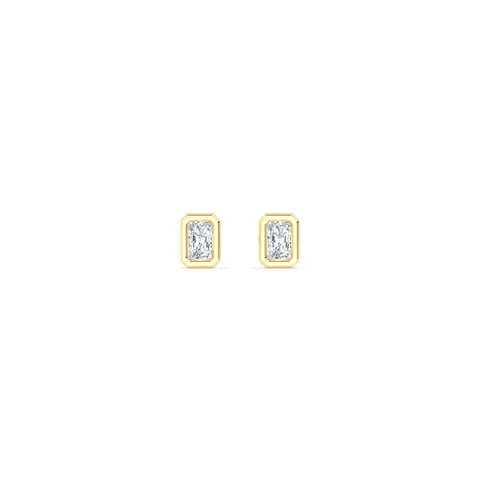 Solitaire · EarringsRadiant Solitaire Earrings0.29 to 2ct total lab-grown diamondsFrom $1,078 AUD
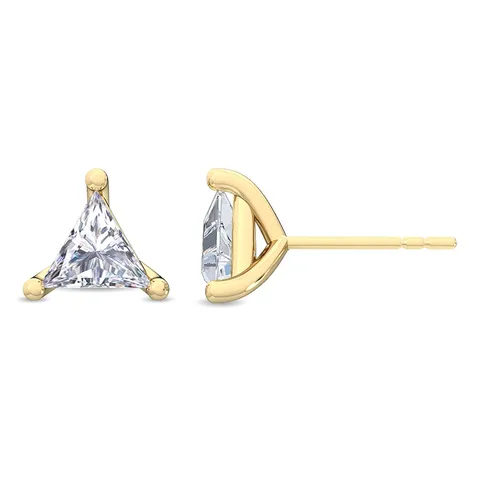 Solitaire · EarringsTrillion Solitaire Earrings1.1ct total lab-grown diamondsFrom $1,908 AUD
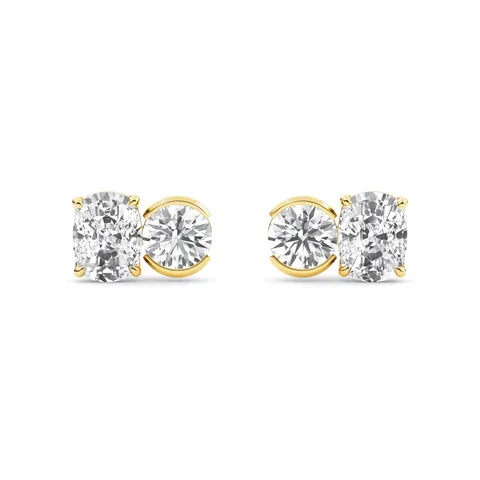 Toi et Moi · EarringsCushion Toi et Moi Earrings3.06ct total lab-grown diamondsFrom $2,868 AUD
Listed on 25 Nov 2026. “From” prices are the lowest metal and size of each design, AUD incl. GST; each design’s page shows every option. Made to order in Melbourne in 3 to 5 weeks. Images are for illustration; your piece is made to order.
How big should diamond earrings be?
Earring weights are usually quoted as the total carat weight of the pair, so "1 carat studs" means two diamonds of about half a carat each. That catches many buyers out when they compare earrings with a ring. Read every listing for whether the weight is per ear or per pair.
For everyday studs, many people find 0.25 to 0.50 carat per ear sits neatly on the lobe; from about 0.75 carat per ear studs start to read as a statement. Face shape, hairstyle and the size of the lobe all change how a size looks, which is why our stud size guide shows each weight to scale. Shape matters too: an oval or pear spreads wider than a round of the same weight, as diamond shapes explained shows.
A diamond on the ear is seen from further away than one on the hand, so colour and clarity can usually step down a grade or two without anyone noticing. Our guides to colour versus clarity and eye-clean diamonds explain where the line sits.
Why do diamond earrings need a matched pair?
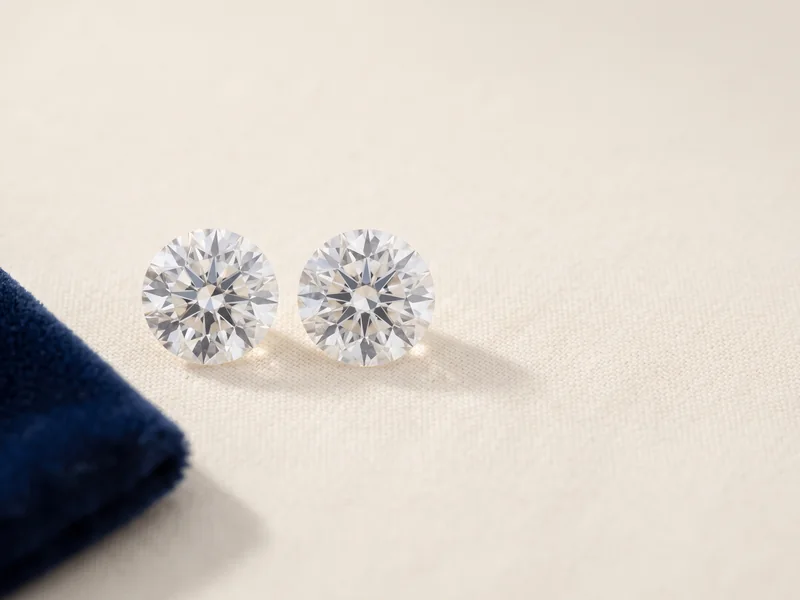
Two diamonds in a pair are seen side by side, so any difference in size, colour or shape shows more than it would in a single stone. A well-matched pair is close in diameter, colour, clarity and cut, and for fancy shapes the outline and length-to-width ratio should match too. Matching takes time, which is part of why pairs cost more than two random stones of the same weight.
On our solitaire stud pages you can build your earrings with a matched pair of lab-grown or natural diamonds by total weight. Lab-grown diamonds are easier to match in larger sizes because more stones of the same grade are available; how to match two lab-grown diamonds for earrings goes through the checks, and lab-grown diamonds for earrings and bracelets covers when lab-grown makes most sense.
Solitaire stud earrings: build a matched pair
See all 37 →Solitaire · EarringsRadiant Solitaire Earrings0.29 to 2ct total lab-grown diamondsFrom $1,078 AUDSolitaire · EarringsTrillion Solitaire Earrings1.1ct total lab-grown diamondsFrom $1,908 AUD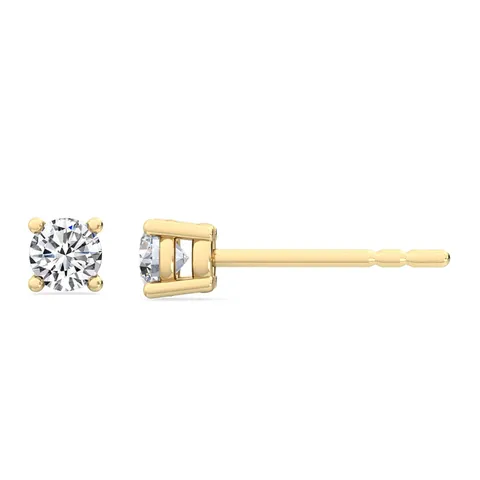 Solitaire · EarringsSolitaire Earrings0.05 to 3.01ct total lab-grown diamondsFrom $858 AUD
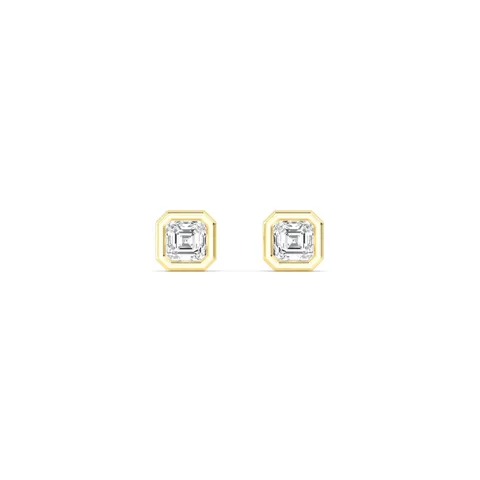 Solitaire · EarringsAsscher Solitaire Earrings0.33 to 2ct total lab-grown diamondsFrom $1,068 AUD
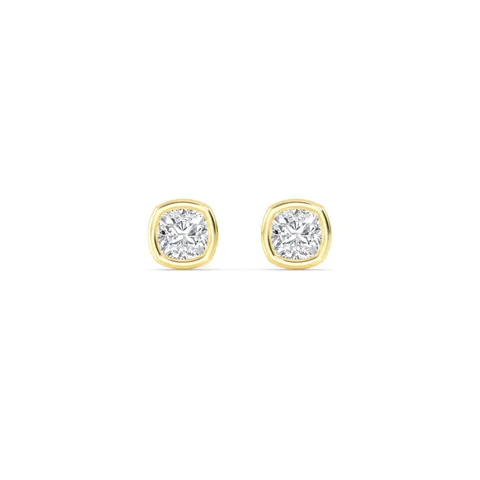 Solitaire · EarringsCushion Solitaire Earrings0.29 to 2ct total lab-grown diamondsFrom $1,078 AUD
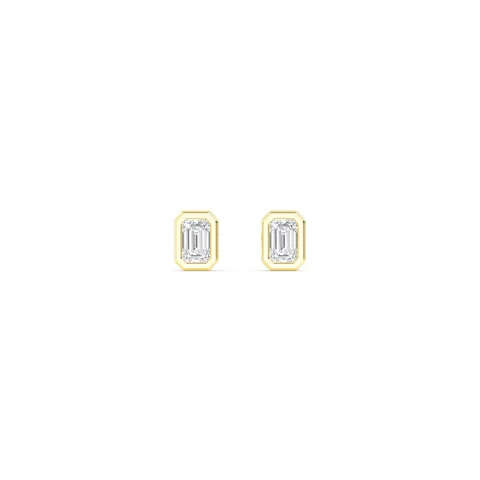 Solitaire · EarringsEmerald Solitaire Earrings0.31 to 2ct total lab-grown diamondsFrom $1,158 AUDSolitaire · EarringsHalf Moon Solitaire Earrings0.34 to 0.53ct total lab-grown diamondsFrom $1,278 AUDSolitaire · EarringsHeart Solitaire Earrings0.3 to 2ct total lab-grown diamondsFrom $1,078 AUDSolitaire · EarringsHexagon Solitaire Earrings1.02 to 1.53ct total lab-grown diamondsFrom $1,828 AUDSolitaire · EarringsMarquise Solitaire Earrings0.3 to 2ct total lab-grown diamondsFrom $1,068 AUD
Listed on 25 Nov 2026. “From” prices are the lowest metal and size of each design, AUD incl. GST; each design’s page shows every option. Made to order in Melbourne in 3 to 5 weeks. Images are for illustration; your piece is made to order.
Which earring settings and backs are most secure?
The setting decides how much of each diamond shows and how well it is protected. Four claws show the most diamond; six claws hold a little more securely and look rounder; a bezel wraps the edge in metal, which protects it best and suits active wear. The same logic as rings applies, as four claws versus six explains.
- Push backs (butterfly): the simplest and lightest. Check they grip firmly, as they loosen with time.
- Screw backs: thread onto the post and are the hardest to lose; a good choice for larger studs.
- Lever backs and hinged hoops: close with a click and suit drops and hoops.
- Larger backs or lifters: spread the weight of heavier studs so they sit upright on the lobe.
Our page on earring back types compares each one in detail. If a back or post ever loosens, earring repairs can replace it before a diamond is lost.
Not sure which one is right?
Send us the stones you are looking at and our gemologist will tell you which to choose and why.
Which diamond shape suits earrings best?
Round brilliants are the most popular choice for studs because they return the most light and look the same however the earring turns. Princess and cushion cuts give a squarer outline; ovals and pears look larger for their weight and lengthen the face; emerald and asscher cuts show long flashes of light rather than sparkle, and reveal more of the diamond's clarity, so they reward a higher grade. Heart and other fancy shapes are more individual and need careful matching, because any difference in outline between the two ears is easy to see.
Hoops and line earrings are usually set with many small round diamonds, where cut and matching across the whole row matter more than the grade of any one stone. Drops can mix shapes, such as a round at the lobe with a pear hanging below. Our guide to diamond shapes shows each outline to scale.
Natural or lab-grown diamonds for earrings?
Earrings are where lab-grown diamonds make the most practical sense for many buyers. A pair needs two stones that match closely, and lab-grown diamonds of the same size and grade are far easier to find in quantity, so larger matched pairs cost much less than natural ones. Natural diamonds suit buyers who value rarity and origin, and a natural pair can be matched to order. Both are real diamonds with the same hardness, and both should come with the type stated clearly. For the trade-offs, see lab-grown versus natural diamonds.
Which metal is best for diamond earrings?
White gold and platinum make colourless diamonds look whiter; yellow and rose gold give a warmer look and suit slightly warmer diamond colours well. Most designs in our catalogue come in yellow, white and rose gold and platinum, with 9K, 14K and 18K gold purities on most pieces. For sensitive ears, higher-purity gold or platinum posts are kinder. Compare the options in yellow, white and rose gold, 9K versus 18K gold and white gold versus platinum.
How much do diamond earrings cost in Australia?
On 25 November 2026, GemTrove listed 466 diamond earring designs. Solitaire studs started at $858, hoops at $788 and drops at $1,448, with lab-grown diamonds included. Total carat weight, the number of stones and the metal move the price most. Natural diamonds of the same weight cost considerably more. For every category, see the jewellery price index.
Everything is made to order in 3 to 5 weeks, with free delivery Australia-wide by Australia Post, signature on delivery. Prices are in Australian dollars and include GST. If you have a design in mind that is not listed, our custom earrings service makes them to your brief, and you can talk it through with us at Unit 903/125 Swanston St, Melbourne VIC 3000.
How do you look after diamond earrings?
Earrings pick up skin oils, hair products and perfume, which dull diamonds quickly. Clean them gently with warm water, mild soap and a soft brush, dry them well, and store each pair separately so diamonds don't scratch other pieces. Check posts and claws every few months. Our jewellery care guide covers what to avoid, and the diamond 4Cs explain why a well-cut diamond keeps its sparkle best.
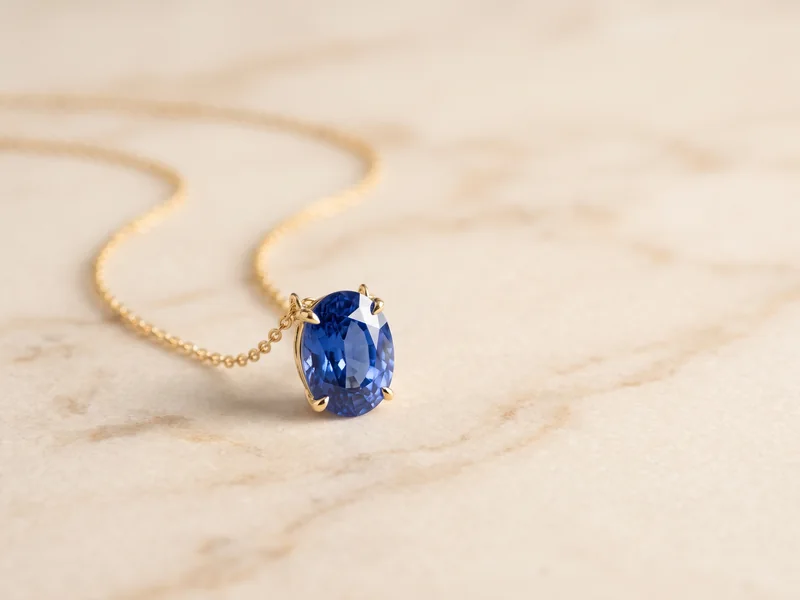
Diamond earrings are also one of the most common gifts for milestones. If you are buying for an occasion, anniversary jewellery traditions by year and birthstone jewellery give ideas, and lab-grown versus natural diamonds helps you choose the stones.
To see real stones and prices, browse diamond earrings, all priced in Australian dollars with GST.
Free consultation
Talk to a gemologist
Compare stones in person or online with Raj Sood, Graduate Gemologist (GIA), AJP (GIA).
Book a consultationShop the catalogue
FAQ
Common questions
What size diamond earrings are best for everyday wear?
Many people find 0.25 to 0.50 carat per ear sits neatly on the lobe for daily wear. Remember most listings quote the total weight of both earrings.
Is earring carat weight per ear or per pair?
Usually per pair. "1 carat studs" normally means two diamonds of about half a carat each, so check each listing.
Are lab-grown diamond earrings real diamonds?
Yes. Lab-grown diamonds have the same chemistry and hardness as natural diamonds; they cost less and are easier to match in pairs.
Which earring back is most secure?
Screw backs are the hardest to lose, followed by firm push backs. Lever backs suit drops and hoops.
How much do diamond stud earrings cost in Australia?
At GemTrove on 25 November 2026, solitaire diamond studs started at $858, with lab-grown diamonds included.
Can I get a matched pair of natural diamonds?
Yes. The solitaire stud builder lets you choose a matched pair of natural or lab-grown diamonds by total weight.
Terms in this guide
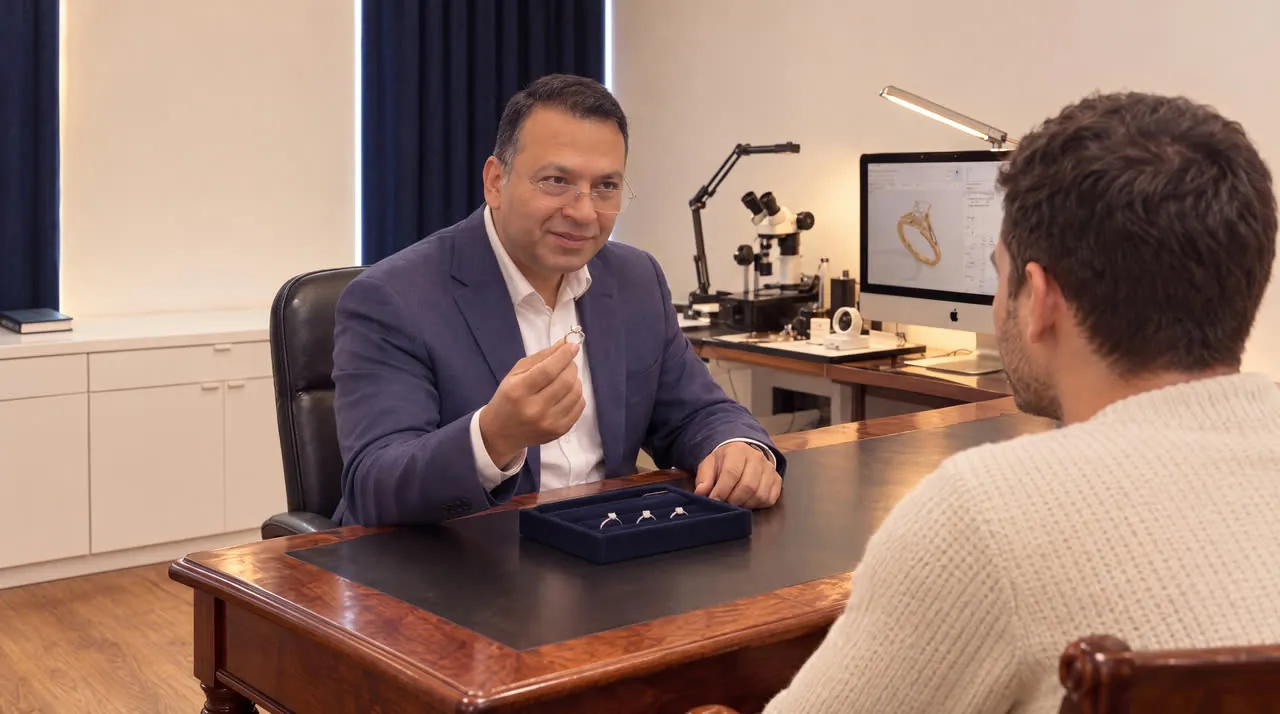
Ask a gemologist
Not sure which diamond to choose?
Raj Sood is a Graduate Gemologist (GIA) who works alongside our master jewellers. Bring the stones you are considering, or send the reports, and he will tell you honestly which one is better and why.
Keep learning
Related guides
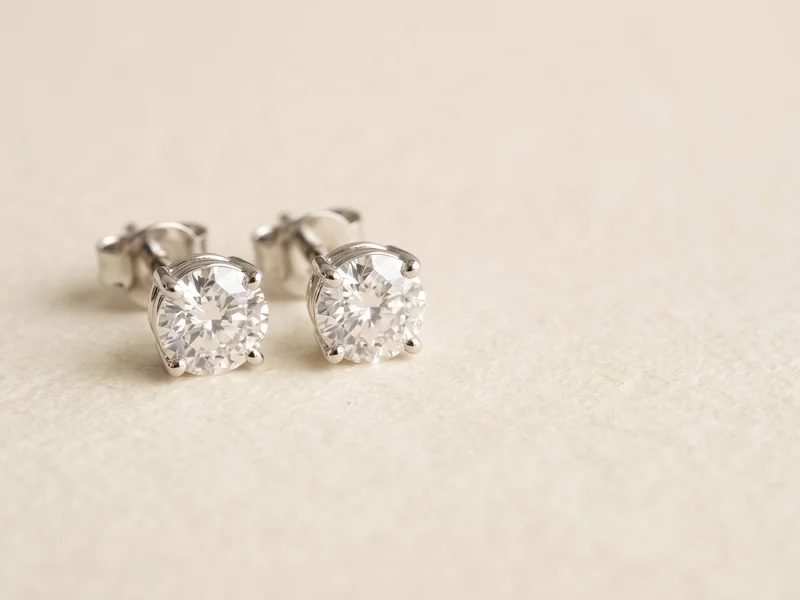 Jewellery TypesDiamond Stud Earring Sizes by Carat
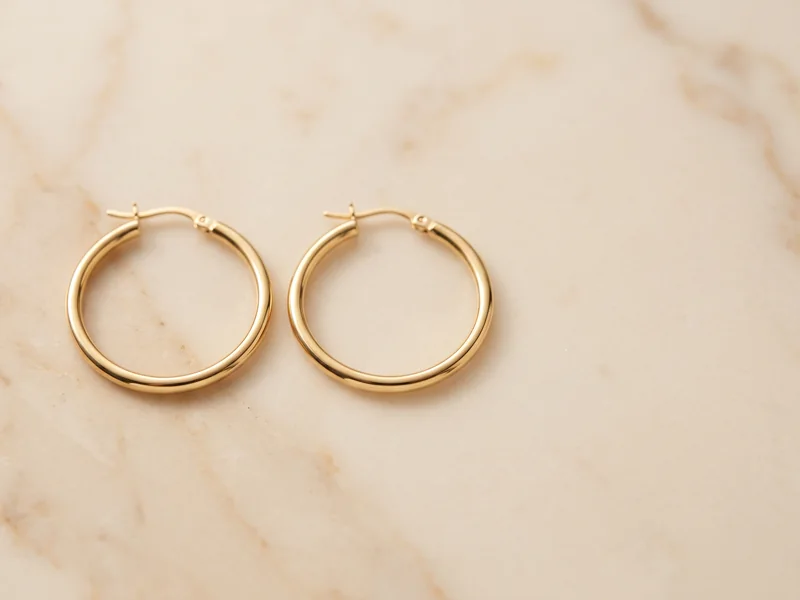 Jewellery TypesHoop and Huggie Earring StylesJewellery TypesEarring Back Types
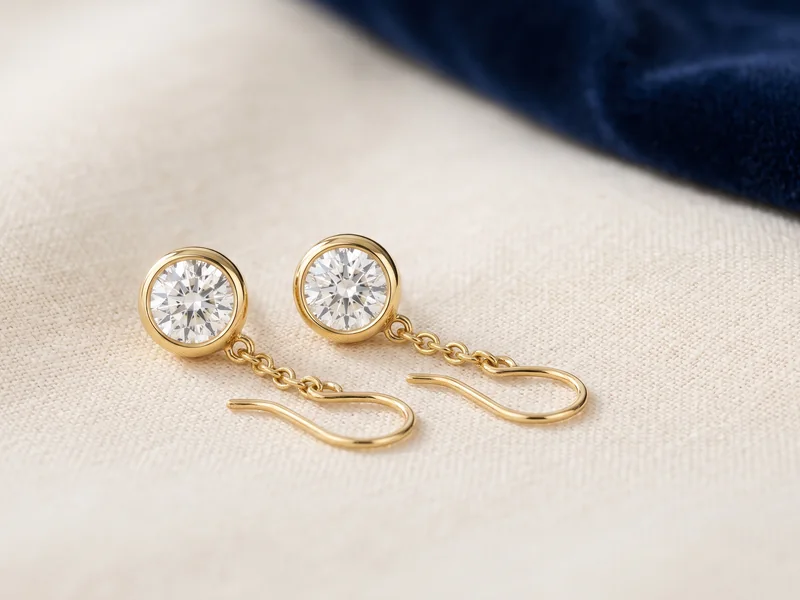 Jewellery TypesDrop Earring Settings
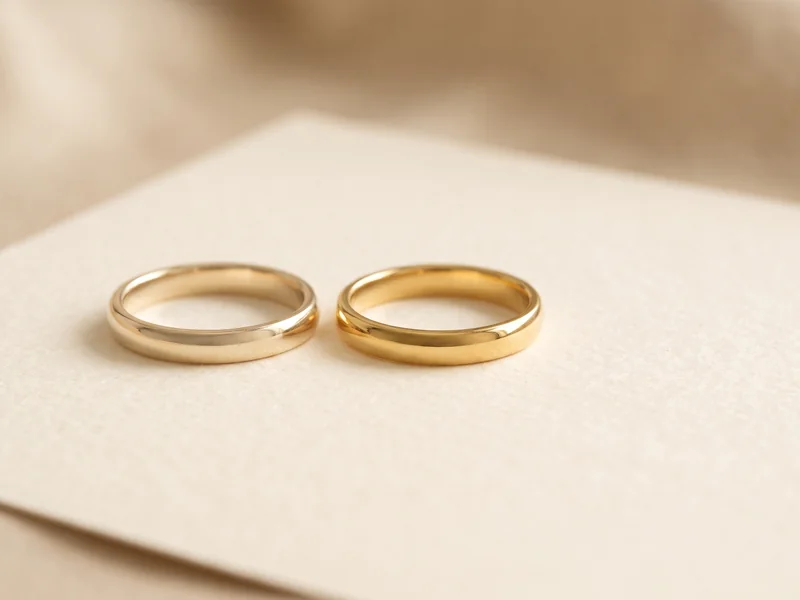 Metals9K vs 18K Gold: Which Gold Is Better for Jewellery?
 Jewellery TypesAnniversary Jewellery Traditions by Year
 GemstonesBirthstone Jewellery Melbourne
 Diamond 4Cs & GradingColour vs Clarity: Which to Prioritise
Explore more
More guides on this topic
Education