
- Education
- Buying Knowledge & Custom Process
- Diamond Price Index Australia: November 2026
Diamond prices, updated monthly
Diamond Price Index Australia: November 2026
What certified diamonds actually cost in Australian dollars, read from GemTrove's own stock on 17 November 2026. Lowest price, mid-range price and stone count for each carat size and shape, in the grades GemTrove normally sells (D to G colour and VVS1 to SI1 clarity), with natural and lab-grown diamonds kept separate.
 Reviewed by Raj Sood, Graduate Gemologist (GIA), AJP (GIA)Founder and Graduate Gemologist (GIA) · reviewed 17 November 2026
1 carat natural diamonds in stock today
See all 21,950 in stock →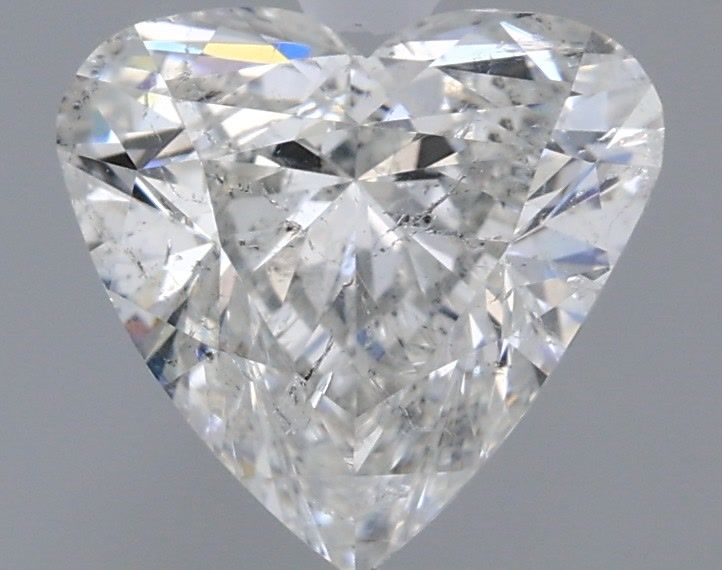 Natural Diamond1.00 ct Heart DiamondF · SI2 Clarity · EX · VG · NON$2,398 AUDAll taxes inclusive
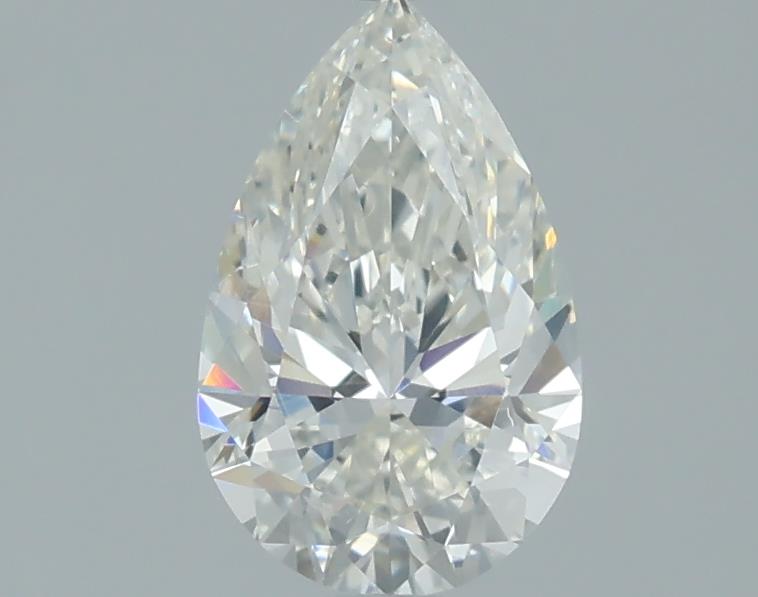 Natural Diamond1.01 ct Pear DiamondI · SI2 Clarity · VG · EX · FNT$2,398 AUDAll taxes inclusive
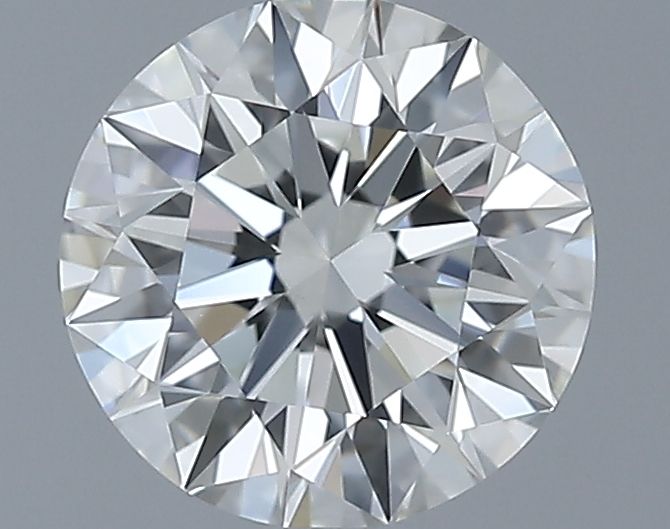 Natural Diamond1.08 ct Round DiamondJ · VS1 Clarity · EX · EX · EX · FNT$4,298 AUDAll taxes inclusive
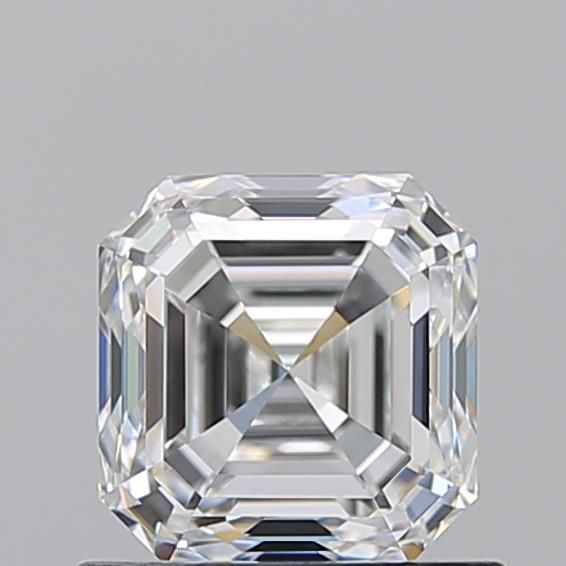 Natural Diamond1.02 ct Asscher DiamondF · VVS1 Clarity · EX · EX · MED$4,308 AUDAll taxes inclusive
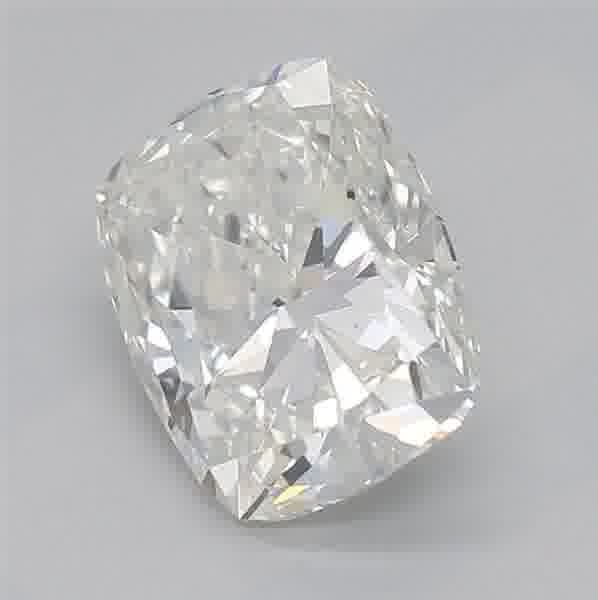 Natural Diamond1.01 ct Cushion DiamondI · VS2 Clarity · EX · EX · MED$6,048 AUDAll taxes inclusive
 Natural Diamond1.03 ct Round DiamondG · VS1 Clarity · EX · EX · EX · MED$6,048 AUDAll taxes inclusive
In stock when checked on 17 Nov 2026, 6:39 pm. Each diamond’s own page shows its live price and availability. Please check the lab report before you commit.
Quick answer
The GemTrove diamond price index for Australia is a monthly reading of our own certified stock in Melbourne. On 17 November 2026, in D to G colour and VVS1 to SI1 clarity, natural 1 carat diamonds started at $2,118 with a mid-range price of $5,938, and lab-grown 1 carat diamonds started at $638 with a mid-range price of $778, in Australian dollars with taxes included.
What is the GemTrove diamond price index for Australia?
It is a dated record of what certified diamonds cost at one Australian jeweller, read straight from the stock list rather than estimated. Most price pages online quote US dollars before tax, or give wide ranges with no date and no source. This page gives three figures for each size: the lowest price, the mid-range price and the number of stones the figures are based on. Every price is in Australian dollars with all taxes included, which is how diamond prices in Australia have to be shown to consumers.
The reading on this page was taken on 17 November 2026. The headline figures cover 63,632 natural and 31,290 lab-grown diamonds in D to G colour and VVS1 to SI1 clarity, the grades GemTrove normally sells, in the size bands below. Figures across every grade are given further down for comparison. Natural and laboratory-grown diamonds are always reported separately, because they are priced on completely different curves; our guide to lab-grown and natural diamonds explains why. Fancy colour diamonds are not included.
- Lowest price: the least expensive stone at that size in D to G colour and VVS1 to SI1 clarity.
- Mid-range price: the price of the stone in the middle when every stone in those grades at that size is lined up from lowest to highest. Half cost less and half cost more.
- In stock: how many diamonds the two figures come from. A figure based on thousands of stones is steadier than one based on fifty.
How much do natural diamonds cost in Australia in November 2026?
On 17 November 2026, a natural 1 carat diamond in D to G colour and VVS1 to SI1 clarity started at $2,118 and the mid-range price was $5,938. At 2 carats the mid-range price was $34,338, about 5.8 times the 1 carat figure, because large natural crystals are much rarer than small ones. Each size band covers every shape from that weight to nine points above it (1.00 to 1.09 carats, for example).
| Natural, D–G, VVS–SI1, 17 Nov 2026 | Lowest | Mid-range | In stock |
|---|---|---|---|
| 0.50 ct | $1,588 | $1,998 | 27,519 |
| 0.75 ct | $1,588 | $2,718 | 21,971 |
| 1.00 ct | $2,118 | $5,938 | 9,435 |
| 1.25 ct | $3,148 | $8,968 | 1,154 |
| 1.50 ct | $5,098 | $14,788 | 2,208 |
| 2.00 ct | $11,468 | $34,338 | 1,006 |
| 2.50 ct | $22,938 | $58,408 | 180 |
| 3.00 ct | $36,608 | $72,698 | 159 |
Above 3 carats there were too few natural diamonds in these grades to give a steady figure: 2 at 4 carats and none at 5 carats on the day. The all-grade table further down covers those sizes. For what each size looks like on the hand and which grades suit it, see our guides to 0.5 carat diamonds, 0.75 carat diamonds, 1 carat diamonds, 1.25 carat diamonds, 1.5 carat diamonds, 2 carat diamonds, 2.5 carat diamonds, 3 carat diamonds, 4 carat diamonds and 5 carat diamonds.
How much do lab-grown diamonds cost in Australia in November 2026?
On 17 November 2026, a lab-grown 1 carat diamond in D to G colour and VVS1 to SI1 clarity started at $638 and the mid-range price was $778. At 2 carats the mid-range price was $1,268, only about 1.6 times the 1 carat figure. Laboratory-grown crystals can be grown larger on demand, so the price rises gently with size. No lab-grown diamonds under 0.70 carat were listed on the day.
| Lab-grown, D–G, VVS–SI1, 17 Nov 2026 | Lowest | Mid-range | In stock |
|---|---|---|---|
| 0.75 ct | $668 | $798 | 1,138 |
| 1.00 ct | $638 | $778 | 6,718 |
| 1.25 ct | $688 | $828 | 1,664 |
| 1.50 ct | $738 | $958 | 6,483 |
| 2.00 ct | $888 | $1,268 | 5,506 |
| 2.50 ct | $988 | $1,468 | 2,446 |
| 3.00 ct | $1,088 | $2,338 | 3,519 |
| 4.00 ct | $1,708 | $2,968 | 1,928 |
| 5.00 ct | $2,018 | $2,898 | 1,888 |
2 carat lab-grown diamonds in stock today
See all 6,540 in stock →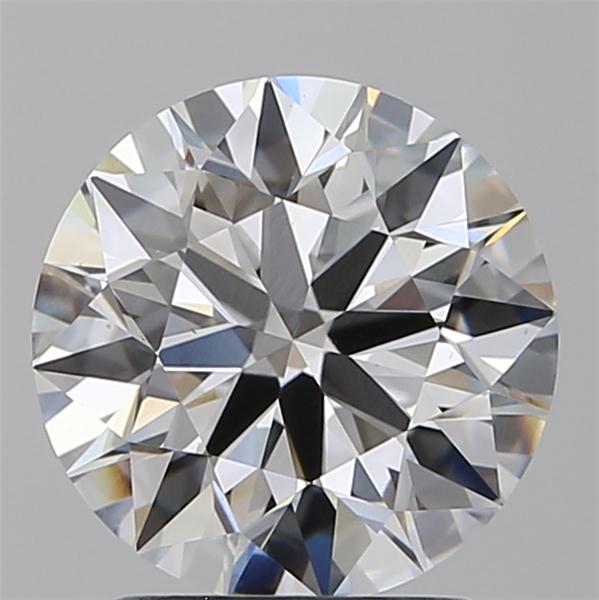 Lab-Grown Diamond2.01 ct Round DiamondD · VS1 Clarity · ID · EX · EX · NON$1,058 AUDAll taxes inclusive
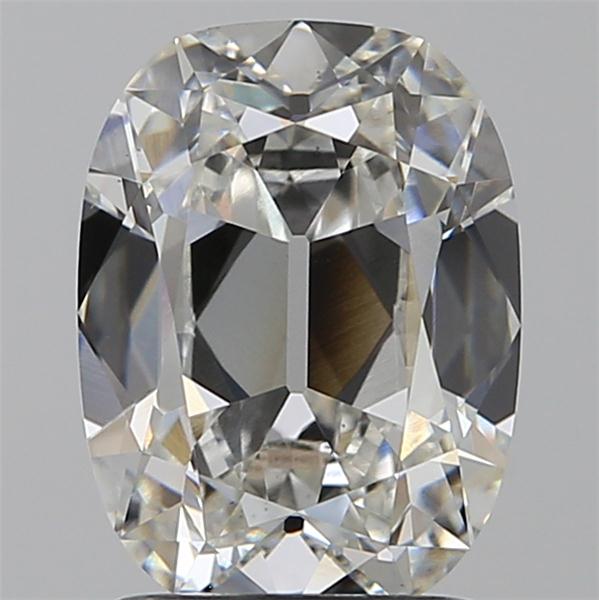 Lab-Grown Diamond2.08 ct Old Miner DiamondF · VS1 Clarity · EX · EX · NON$1,058 AUDAll taxes inclusive
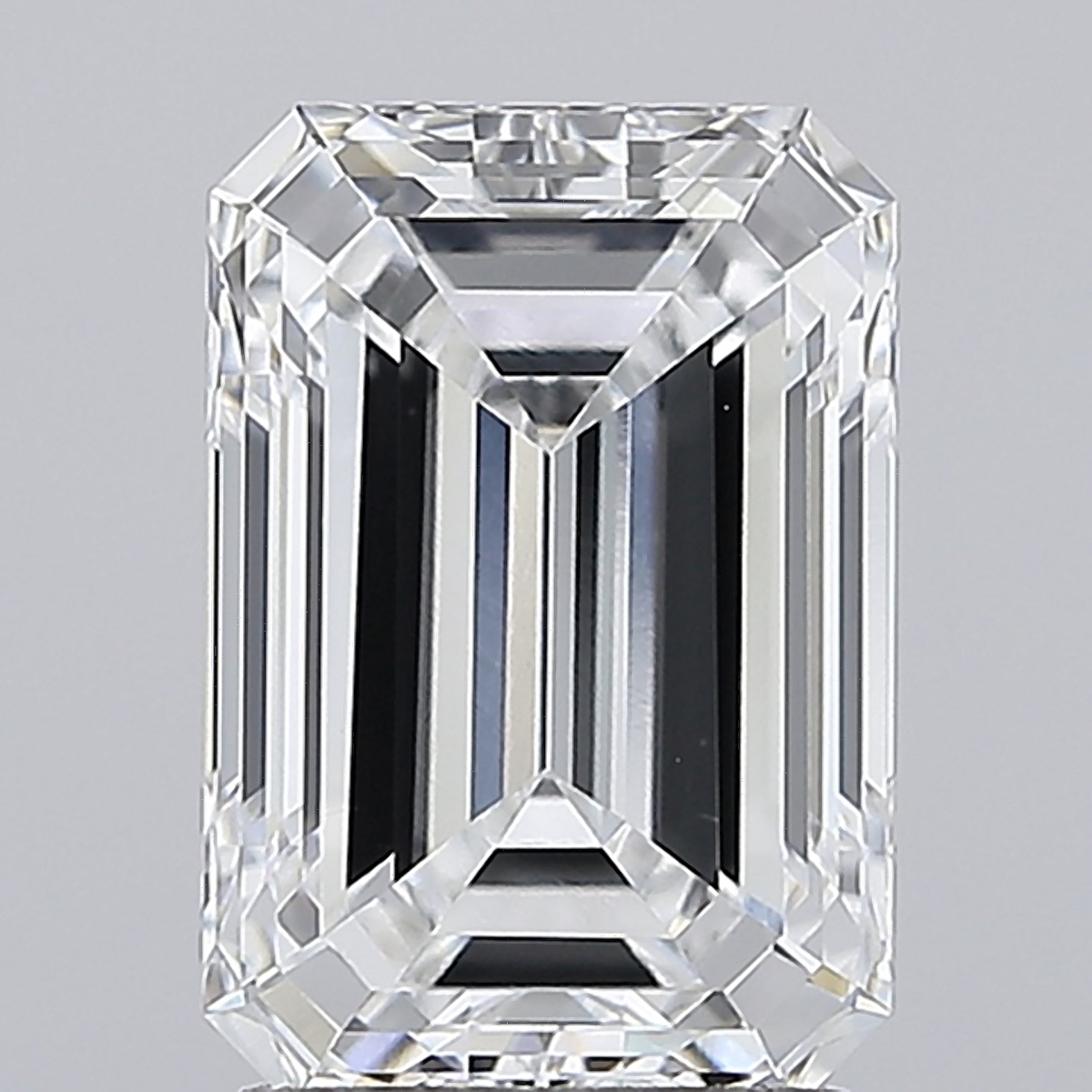 Lab-Grown Diamond2.02 ct Moval DiamondD · VVS2 Clarity · EX · EX · NON$1,238 AUDAll taxes inclusive
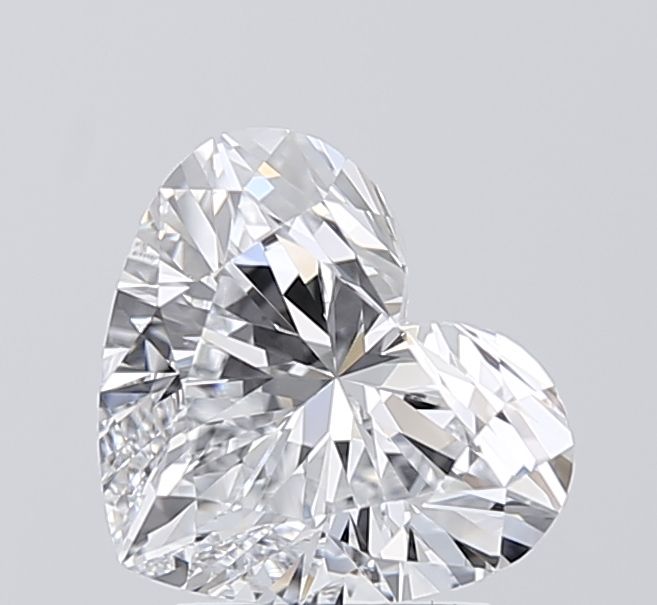 Lab-Grown Diamond2.02 ct Heart DiamondF · VVS2 Clarity · EX · EX · NON$1,248 AUDAll taxes inclusive
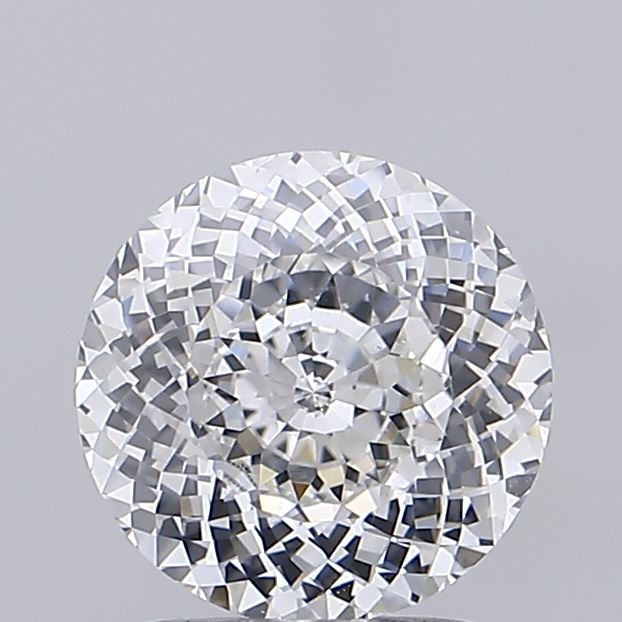 Lab-Grown Diamond2.06 ct Portuguese DiamondE · VS1 Clarity · EX · EX · NON$1,688 AUDAll taxes inclusive
 Lab-Grown Diamond2.02 ct Oval DiamondD · IF Clarity · EX · EX · NON$1,708 AUDAll taxes inclusive
In stock when checked on 17 Nov 2026, 7:06 pm. Each diamond’s own page shows its live price and availability. Please check the lab report before you commit.
Lab-grown prices have fallen as production has grown, and they can keep moving. Our lab-grown diamond price guide for Australia covers what sets the price, what drives lab-grown diamond prices explains the trend, and lab-grown sizes from 1 to 5 carats shows each size on the hand. Every lab-grown diamond should come with a report that states it is laboratory-grown.
How big is the price gap between natural and lab-grown diamonds?
Using the mid-range figures from the two tables above, both in D to G colour and VVS1 to SI1 clarity, a natural 1 carat diamond cost about 7.6 times a lab-grown one on 17 November 2026, and a natural 2 carat diamond about 27 times. The gap widens with size because natural prices climb steeply and lab-grown prices do not.
| Mid-range price, D–G, VVS–SI1, 17 Nov 2026 | Natural | Lab-grown |
|---|---|---|
| 1.00 ct | $5,938 | $778 |
| 1.50 ct | $14,788 | $958 |
| 2.00 ct | $34,338 | $1,268 |
| 3.00 ct | $72,698 | $2,338 |
Both figures are for the same colour and clarity band, so they are closer to like for like than an all-grade comparison. Cut quality and fluorescence still differ from stone to stone, so treat the gap as a guide. Both are real diamond. The choice between them is about origin, rarity and budget, and neither should be bought as a financial asset. If you are weighing it up, read how much to spend on an engagement ring.
Not sure which one is right?
Send us the stones you are looking at and our gemologist will tell you which to choose and why.
What do natural and lab-grown diamonds cost across every grade?
For comparison, these are the figures across every colour and clarity grade we listed on 17 November 2026. The lowest prices here belong to lower colour and clarity grades than most people choose, which is why they barely move between half a carat and one carat.
| Natural, all grades, 17 Nov 2026 | Lowest | Mid-range | In stock |
|---|---|---|---|
| 0.50 ct | $1,588 | $1,998 | 32,899 |
| 0.75 ct | $1,588 | $2,498 | 33,978 |
| 1.00 ct | $1,468 | $4,488 | 21,365 |
| 1.25 ct | $1,838 | $5,628 | 4,073 |
| 1.50 ct | $2,638 | $8,738 | 8,654 |
| 2.00 ct | $3,748 | $19,138 | 3,849 |
| 2.50 ct | $6,078 | $36,608 | 642 |
| 3.00 ct | $10,848 | $45,348 | 957 |
| 4.00 ct | $21,908 | $49,308 | 139 |
| 5.00 ct | $34,988 | $60,358 | 66 |
| Lab-grown, all grades, 17 Nov 2026 | Lowest | Mid-range | In stock |
|---|---|---|---|
| 0.75 ct | $668 | $808 | 1,359 |
| 1.00 ct | $638 | $828 | 8,226 |
| 1.25 ct | $688 | $868 | 1,988 |
| 1.50 ct | $738 | $988 | 7,435 |
| 2.00 ct | $888 | $1,338 | 6,540 |
| 2.50 ct | $988 | $1,498 | 2,649 |
| 3.00 ct | $1,088 | $2,428 | 4,072 |
| 4.00 ct | $1,708 | $3,178 | 2,330 |
| 5.00 ct | $2,018 | $2,968 | 1,966 |
GemTrove's lab-grown stock is all D to F colour, so the lab-grown figures change little between the two tables. Whichever table you use, compare it with how colour is graded and how clarity is graded before deciding which grades you need.
What does a G to H colour, VS clarity natural diamond cost?
Many buyers settle on near-colourless G or H colour with VS1 or VS2 clarity, where inclusions are not visible without magnification. Narrowing the stock to just those grades gives a tighter picture. On 17 November 2026 a natural 1 carat diamond in these grades started at $2,428, with a mid-range price of $5,218 across 2,471 stones. Our guide to the 4Cs explains what the grades mean.
| Natural, G–H, VS1–VS2, 17 Nov 2026 | Lowest | Mid-range | In stock |
|---|---|---|---|
| 0.50 ct | $1,588 | $1,828 | 1,706 |
| 0.75 ct | $1,588 | $2,398 | 4,533 |
| 1.00 ct | $2,428 | $5,218 | 2,471 |
| 1.25 ct | $3,368 | $7,278 | 429 |
| 1.50 ct | $5,778 | $11,878 | 806 |
| 2.00 ct | $12,118 | $27,398 | 326 |
| 2.50 ct | $30,138 | $48,428 | 58 |
| 3.00 ct | $41,128 | $66,618 | 63 |
Two stones with the same four grades can still differ in price. Cut quality, fluorescence, the grading laboratory and the exact proportions all move it, as our page on why two diamonds with the same 4Cs are priced differently sets out. Please check the lab report before you commit.
Which diamond shape costs the most at 1 carat?
Among natural 1 carat diamonds in D to G colour and VVS1 to SI1 clarity on 17 November 2026, marquise had the highest mid-range price at $7,748 and cushion the lowest at $3,998. Round, at $7,278, was close behind on far more stones (3,276 against 220), so the marquise figure is the less steady of the two. Round brilliants usually cost more than fancy shapes of the same weight because cutting a round loses more of the rough crystal and demand for rounds is highest. Our diamond shape price comparison goes through the reasons.
| Natural 1.00 ct, D–G, VVS–SI1, 17 Nov 2026 | Lowest | Mid-range | In stock |
|---|---|---|---|
| Round | $2,778 | $7,278 | 3,276 |
| Oval | $3,028 | $6,588 | 1,085 |
| Pear | $2,988 | $6,768 | 1,060 |
| Marquise | $4,558 | $7,748 | 220 |
| Cushion | $2,118 | $3,998 | 772 |
| Princess | $2,678 | $4,188 | 630 |
| Radiant | $3,088 | $5,708 | 194 |
| Emerald | $2,708 | $5,018 | 937 |
| Asscher | $2,498 | $4,578 | 235 |
| Heart | $2,428 | $4,498 | 913 |
Shape figures cover D to G colour and VVS1 to SI1 clarity from 1.00 to 1.09 carats. Within that band the mix of grades still differs a little from shape to shape, which accounts for part of the difference. For how each shape looks and what to check, see round brilliant diamonds, oval diamonds, pear shaped diamonds, cushion cut diamonds, princess cut diamonds, emerald cut diamonds and heart shaped diamonds.
How should you use these diamond prices when you buy?
- Start with the mid-range figure for your size. It tells you what a typical stone costs. If your budget is well under it, look at the next size down or at lab-grown.
- Look just under the round numbers. A 0.90 to 0.99 carat diamond is priced in a different band from a 1.00 carat and looks the same size on the hand.
- Compare like with like. A price only means something beside the carat weight, colour, clarity, cut and the laboratory that graded the stone.
- Add the setting. These are loose diamond prices. The ring setting is quoted after the design is agreed, because the metal and the hand work differ for every ring.
- Check the date. Prices change daily. Each diamond's own page shows its current price, and this index is re-read each month.
Buying a diamond in Melbourne. See loose diamonds in Melbourne, GIA diamonds in Melbourne and lab-grown diamonds in Melbourne for stones in stock, or custom engagement rings in Melbourne if the stone is going into a ring. Raj Sood, Graduate Gemologist (GIA), shows diamonds by appointment at Unit 903/125 Swanston St, Melbourne VIC 3000. If you are comparing with an overseas seller, read buying a diamond overseas or in Australia first.
How is the diamond price index worked out?
- Source: GemTrove's published diamond catalogue on gemtrove.com.au, read on 17 November 2026.
- What is counted: for the headline tables, every certified natural and lab-grown diamond in D to G colour and VVS1 to SI1 clarity listed for sale in each size band on that day; for the all-grade tables, every certified diamond listed. Fancy colour diamonds are left out.
- Size bands: each band runs from the stated weight to nine points above it, for example 2.00 to 2.09 carats.
- Lowest price: the first stone when the stones counted are sorted from lowest price to highest.
- Mid-range price: the stone at the halfway point of that sorted list.
- Currency and tax: Australian dollars, all taxes included.
- Updates: the figures are re-read once a month and the date at the top of the page changes with them.
The limits are worth stating plainly. This is one jeweller's stock, not an average of the Australian market, so it shows what diamonds cost here on one day and not what every seller charges. A size band with few stones gives a less steady figure than one with thousands. And a lowest price always belongs to a single stone, which may sell tomorrow.
Free consultation
Talk to a gemologist
Compare stones in person or online with Raj Sood, Graduate Gemologist (GIA), AJP (GIA).
Book a consultationSee the diamonds behind these figures
FAQ
Common questions
How much is a 1 carat diamond in Australia in November 2026?
At GemTrove on 17 November 2026, in D to G colour and VVS1 to SI1 clarity, natural 1 carat diamonds started at $2,118 with a mid-range price of $5,938 across 9,435 stones. Lab-grown 1 carat diamonds started at $638 with a mid-range price of $778. Prices are in Australian dollars with taxes included.
How much is a 2 carat diamond in Australia in November 2026?
At GemTrove on 17 November 2026, in D to G colour and VVS1 to SI1 clarity, natural 2 carat diamonds started at $11,468 with a mid-range price of $34,338. Lab-grown 2 carat diamonds started at $888 with a mid-range price of $1,268.
Which grades do the headline prices cover?
D to G colour and VVS1 to SI1 clarity, the grades GemTrove normally sells. Figures across every grade are shown in a separate table further down the page.
What does mid-range price mean?
It is the price of the middle stone when every diamond at that size is sorted from lowest price to highest. Half the stock costs less and half costs more, so it is a better guide to a typical stone than the lowest price.
Do these diamond prices include GST?
Yes. Every figure is in Australian dollars with all taxes included, which is how prices must be shown to Australian consumers.
Do the prices include the ring setting?
No. These are loose diamond prices. The setting is quoted after the design is agreed, because the metal, any side stones and the hand work differ for every ring.
How often is the diamond price index updated?
Once a month. The date the figures were read is shown at the top of the page and beside each table, and each diamond's own page always shows its current price.
Is this the average diamond price for all of Australia?
No. It is a reading of one Melbourne jeweller's certified stock on one day. It shows real listed prices with the number of stones behind them, not a market-wide average.
Terms in this guide

Ask a gemologist
Not sure which diamond to choose?
Raj Sood is a Graduate Gemologist (GIA) who works alongside our master jewellers. Bring the stones you are considering, or send the reports, and he will tell you honestly which one is better and why.
Keep learning
Related guides
 Buying Knowledge & Custom ProcessDiamond Price Guide Australia
 Buying Knowledge & Custom ProcessLab-Grown Diamond Price Guide Australia
 Diamond ShapesDiamond Shape Price Comparison
 Diamond 4Cs & Grading1 Carat Diamonds
 Diamond 4Cs & Grading0.5 Carat DiamondsDiamond 4Cs & Grading0.75 Carat Diamonds
 Diamond 4Cs & Grading1.25 Carat DiamondsDiamond 4Cs & Grading1.5 Carat Diamonds
Explore more
More guides on this topic
Education