
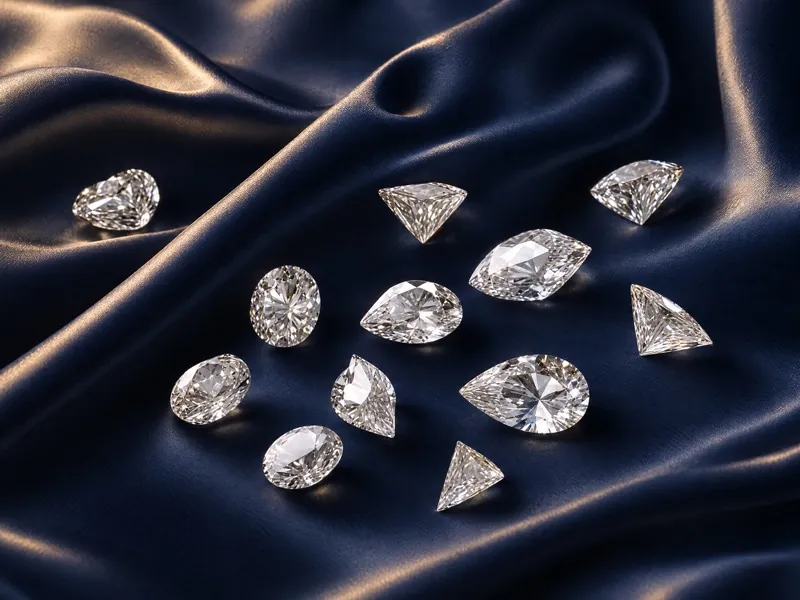
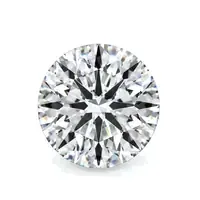
 Round
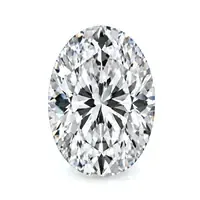 Oval
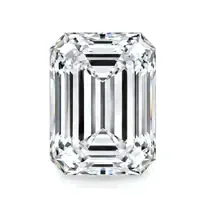 Emerald
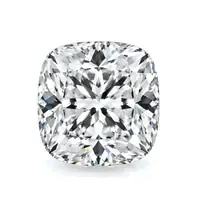 Cushion
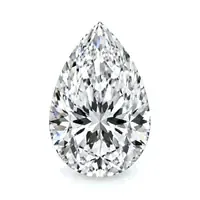 Pear
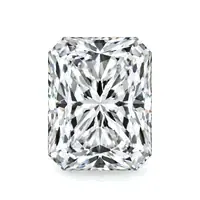 Radiant
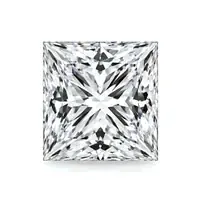 Princess
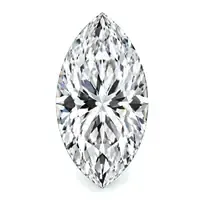 Marquise

Metal prices, updated monthly
Ring Metal Prices Australia: 9K vs 14K vs 18K vs Platinum (November 2026)
Most guides say 18K "costs more" than 9K. This one measures it: the price of the same design in all four metals, read from 330 GemTrove engagement rings, wedding bands and jewellery on 25 November 2026.
 Reviewed by Raj Sood, Graduate Gemologist (GIA), AJP (GIA)Founder and Graduate Gemologist (GIA) · reviewed 25 November 2026
Quick answer
Ring metal prices in Australia, November 2026: on the same GemTrove design, 14K gold cost a median 29% more than 9K, 18K gold 55% more and platinum 65% more, about $1,220 extra for 18K and $1,460 for platinum. Read from 330 designs, GST included.
What does this metal price index measure?
It answers one practical question: if you like a design, how much more does it cost in a richer metal? Every GemTrove design page lists the price of that exact piece in 9K, 14K and 18K gold and in platinum. On 25 November 2026 we read those four prices for 330 designs, spread across engagement rings, wedding bands, dress rings, earrings, pendants, necklaces and bracelets, and worked out how far each metal sits above 9K.
Comparing the same design in four metals removes everything else that moves a price, such as style, size and the number of diamonds, so what is left is the cost of the metal and the work it needs. That is different from a gold price per gram, which tells you what raw metal trades for but not what a finished ring costs. For the background, read how gold prices flow into jewellery prices.
| Same design, four metals, 25 Nov 2026 | Median price (vs 9K) |
|---|---|
| 9K gold | $2,293 |
| 14K gold | $2,998 (+29%, about +$680) |
| 18K gold | $3,588 (+55%, about +$1,220) |
| Platinum | $3,778 (+65%, about +$1,460) |
The median design read cost $2,293 in 9K gold. The same designs cost $2,998 in 14K, $3,588 in 18K and $3,778 in platinum (medians of the designs offered in all four).
How much does each metal add, by type of jewellery?
The premium for a richer metal is fairly steady across categories, but it is a little higher on pieces where metal is a larger share of the price, such as plain-looking pendants and dress rings, and lower where diamonds make up more of the price, such as earrings.
| Premium over 9K, 25 Nov 2026 | 14K · 18K · Platinum |
|---|---|
| Engagement ring settings | 14K +25% · 18K +52% · Platinum +64% |
| Wedding bands | 14K +31% · 18K +57% · Platinum +63% |
| Dress and fashion rings | 14K +34% · 18K +63% · Platinum +72% |
| Earrings | 14K +25% · 18K +42% · Platinum +47% |
| Pendants | 14K +35% · 18K +69% · Platinum +78% |
| Necklaces | 14K +35% · 18K +65% · Platinum +73% |
| Bracelets | 14K +33% · 18K +56% · Platinum +64% |
| Median price by metal, 25 Nov 2026 | 9K · 18K · Platinum |
|---|---|
| Engagement ring settings | 9K $2,288 · 18K $3,518 · Pt $3,748 |
| Wedding bands | 9K $2,233 · 18K $3,608 · Pt $3,758 |
| Dress and fashion rings | 9K $2,268 · 18K $3,568 · Pt $3,738 |
| Earrings | 9K $2,383 · 18K $3,358 · Pt $3,513 |
| Pendants | 9K $1,828 · 18K $2,963 · Pt $3,163 |
| Necklaces | 9K $7,848 · 18K $14,008 · Pt $14,738 |
| Bracelets | 9K $4,858 · 18K $8,308 · Pt $8,718 |
Necklaces and bracelets show the largest dollar gaps because they contain the most metal; a long chain or a tennis bracelet in 18K uses far more gold than a ring. For ring buyers, the engagement ring and wedding band rows are the ones to use. Compare them with the engagement ring price index and the jewellery price index, which show the starting prices of each style.
How much more is 18K gold than 9K on a ring?
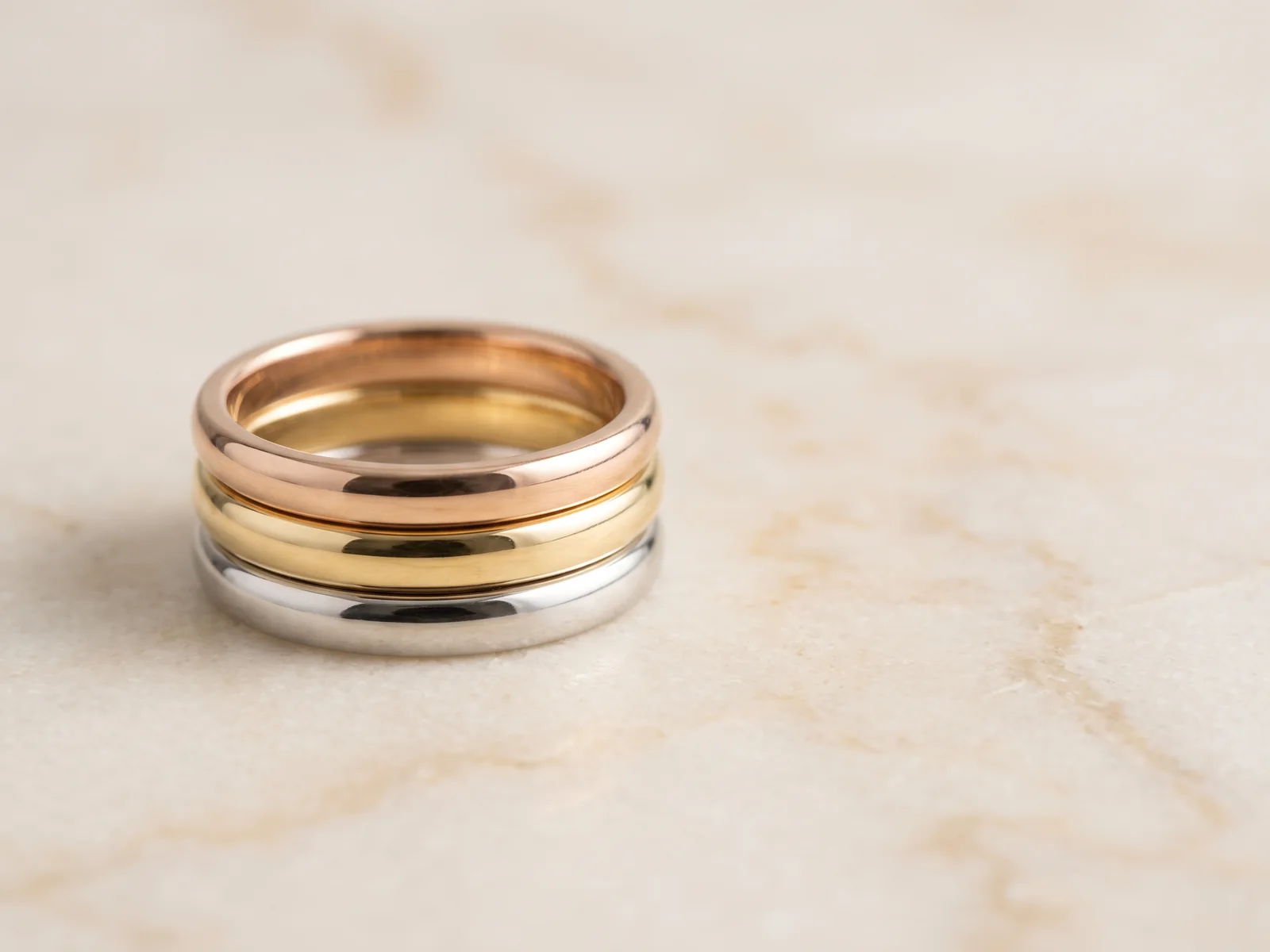
On the same ring, 18K gold cost a median 55% more than 9K, about $1,220. Two things drive it. 18K is 75% pure gold against 37.5% for 9K, and it is denser, so the same design weighs more. The gap on a finished ring is smaller than the gap in pure gold content because design, setting work and diamonds cost the same in either purity. Our guide to 9K versus 18K gold explains the differences in colour, strength and wear.
14K sits between them: a median 29% above 9K, and 18K was a median 18% above 14K. Many buyers choose 14K as a balance of colour, hardness and price; it is 58.5% gold, richer in colour than 9K and harder-wearing than 18K. See 14K gold explained.
How much more is platinum than 18K white gold?
On the same design, platinum cost a median 5% more than 18K gold, about $230, and 65% more than 9K. Platinum can trade below gold per gram on world markets, yet a platinum ring still costs more because it is denser (so the ring weighs more), 95% pure, and harder to cast and polish. Our guides to white gold versus platinum and platinum jewellery cover the trade-offs, including upkeep: white gold needs re-plating every so often, while platinum keeps its colour.
For a white metal on a budget, 14K or 18K white gold gives the look for less; for a ring that will be worn for decades with little upkeep, many people decide platinum is worth the difference. Our best metal for wedding bands guide puts all the options side by side, and the men's wedding band guide covers wider, heavier bands where the metal gap is largest. Alternative metals such as tungsten cost far less but cannot usually be resized.
Not sure which one is right?
Send us the stones you are looking at and our gemologist will tell you which to choose and why.
Does yellow, white or rose gold cost more?
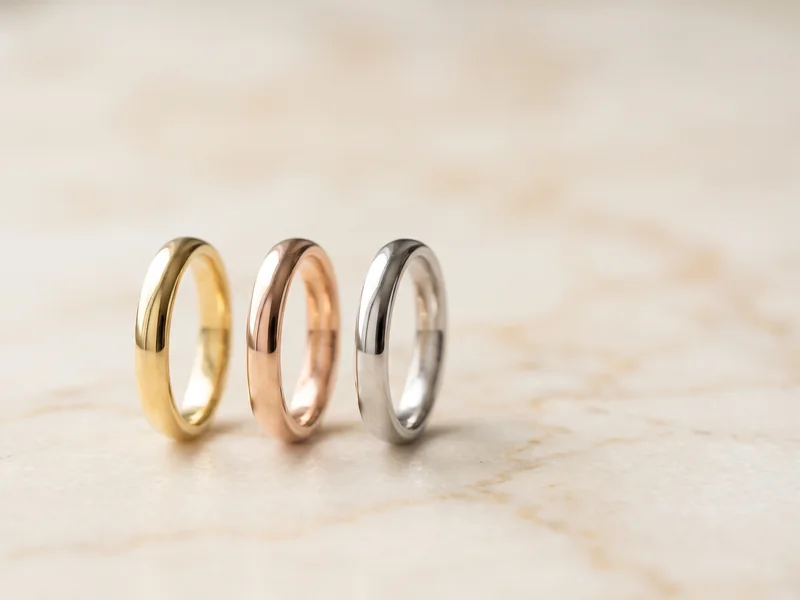
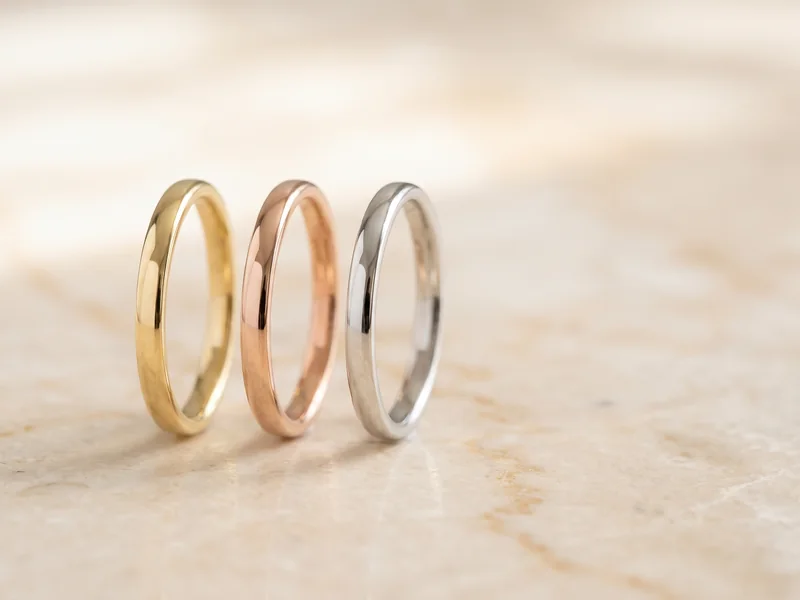
On GemTrove designs, no: the price follows the purity, not the colour, so a ring costs the same in yellow, white or rose gold at the same purity. Colour comes from the other metals in the alloy, which do not change the price much. White gold is usually rhodium plated, which adds upkeep over time rather than cost on day one; rhodium plating explains how often. See yellow, white and rose gold and gold jewellery for how each colour wears.
Which metal gives the best value?
- 9K gold: the lowest price and the hardest of the golds. Good for budget-led choices and active hands; paler in colour and may tarnish slightly over many years.
- 14K gold: about 29% more than 9K on the median design. A popular middle ground for colour, hardness and price.
- 18K gold: about 55% more than 9K. The richest colour and the most traditional choice for fine rings; softer, so expect fine scratches.
- Platinum: about 65% more than 9K and 5% more than 18K. Naturally white, heavy and long-lasting; it develops a soft patina rather than wearing away.
Remember that the metal is only part of a ring's cost. On an engagement ring, the centre diamond usually costs more than any metal upgrade; the diamond price index shows by how much. If the budget is tight, a well-cut diamond in 9K or 14K will usually look better than a lesser diamond in 18K. Our guide to how much to spend and engagement rings by budget help you split it.
How can you check which metal you are paying for?
Every GemTrove piece carries a metal stamp: 375 for 9K, 585 for 14K, 750 for 18K and PT950 or 950 for platinum. Check the stamp, and check the invoice names the metal and purity in words. Our guide to Australian hallmarks and metal stamps shows where to look. If you are matching a new band to an existing ring, match the purity as well as the colour so the two wear at the same rate; see how to match a wedding band and custom-made wedding bands.
How is the ring metal price index worked out?
- Source: the price of each design in 9K, 14K and 18K gold and platinum, as listed on its page on gemtrove.com.au, read on 25 November 2026.
- Designs: 330 designs chosen evenly across every style in all seven catalogues (160 engagement rings, 60 wedding bands, 30 dress rings, 25 earrings, 25 pendants, 15 necklaces, 15 bracelets). 312 were offered in all four metals.
- Premium: for each design, the price in 14K, 18K or platinum divided by its 9K price; the table shows the median across designs, and the median dollar difference.
- Prices: Australian dollars, GST included, at the default size shown on each page, including any lab-grown diamonds in the piece.
- Updates: re-read monthly; metal prices move daily, so each design page always shows the current figure.
This is one jeweller's pricing, not the whole market, but because it compares the same designs it is a fair guide to what each metal adds. Everything is made to order in 3 to 5 weeks, with free shipping Australia-wide. Questions about metals? Book a consultation at Unit 903/125 Swanston St, Melbourne VIC 3000, or read the best metal for an engagement ring and jewellery care.
To see real stones and prices, browse engagement rings, all priced in Australian dollars with GST.
Free consultation
Talk to a gemologist
Compare stones in person or online with Raj Sood, Graduate Gemologist (GIA), AJP (GIA).
Book a consultationShop the catalogue
FAQ
Common questions
How much more is 18K gold than 9K gold on a ring?
On the same GemTrove design on 25 November 2026, 18K cost a median 55% more than 9K, about $1,220, across 330 designs.
Is platinum more expensive than gold?
Yes, for finished jewellery. On the same design, platinum cost a median 5% more than 18K gold and 65% more than 9K, because it is denser, purer and harder to work.
How much more is 14K than 9K gold?
A median 29% more on the same design, about $680, on 25 November 2026.
Does white gold cost more than yellow gold?
Not on GemTrove designs: the price follows the purity, so yellow, white and rose gold cost the same at each purity. White gold needs re-plating from time to time.
Is 18K gold worth it for an engagement ring?
For a ring worn every day for decades, many people value 18K's richer colour and kinder alloy. 9K and 14K are harder and cost less. The diamond usually matters more to how the ring looks.
How often is the metal price index updated?
Monthly, around the 25th. Each design page always shows its current price in every metal.
Ask a gemologist
Not sure which diamond to choose?
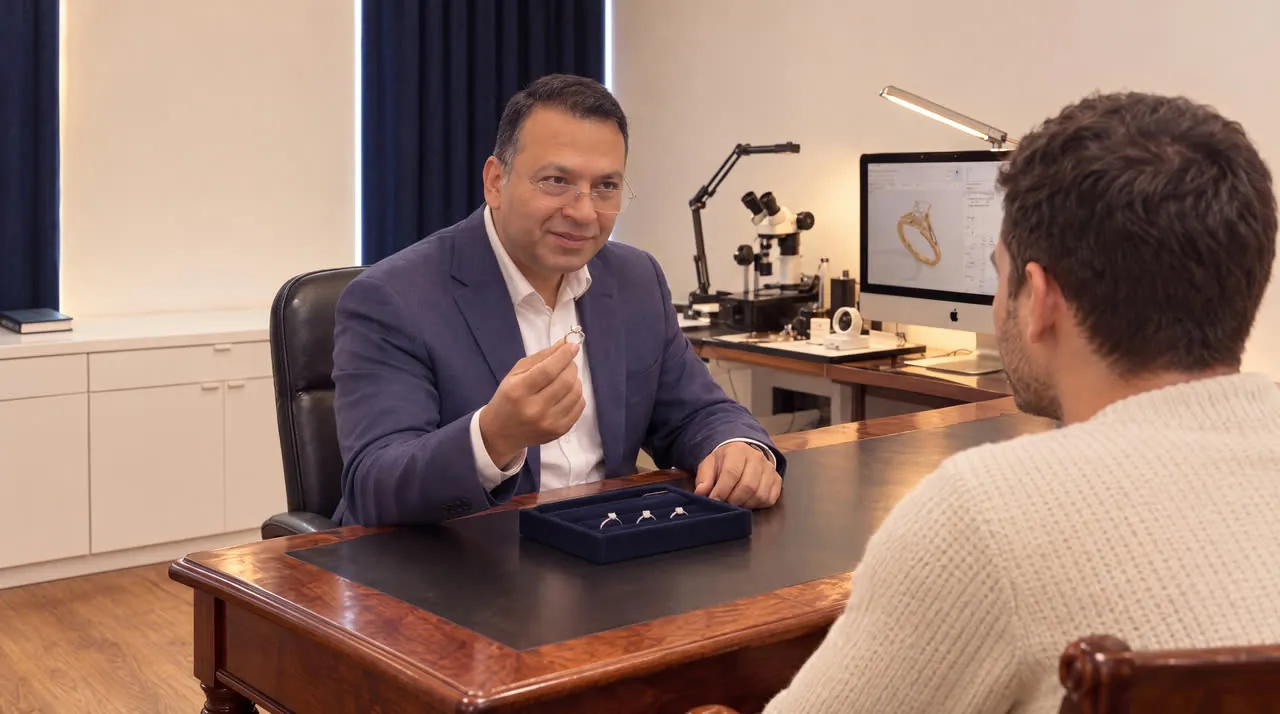
Raj Sood is a Graduate Gemologist (GIA) who works alongside our master jewellers. Bring the stones you are considering, or send the reports, and he will tell you honestly which one is better and why.
Keep learning
Related guides
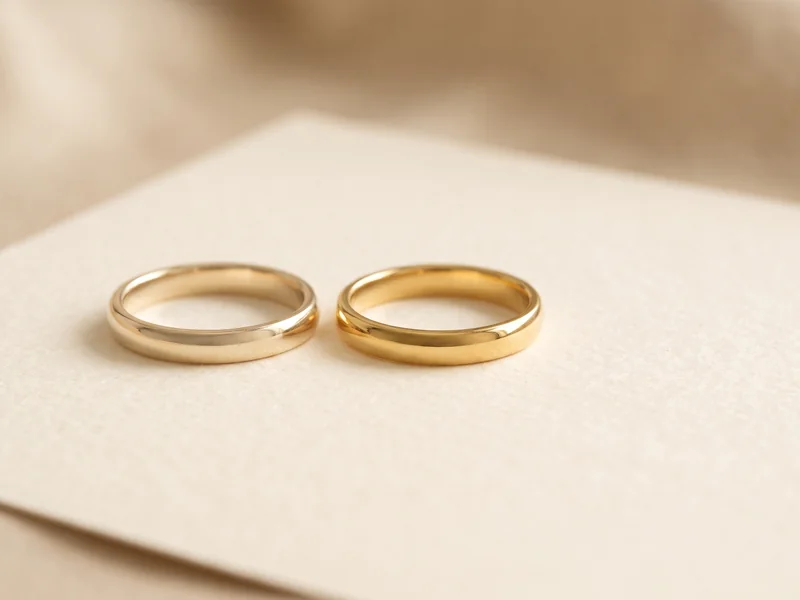 Metals9K vs 18K Gold: Which Gold Is Better for Jewellery?
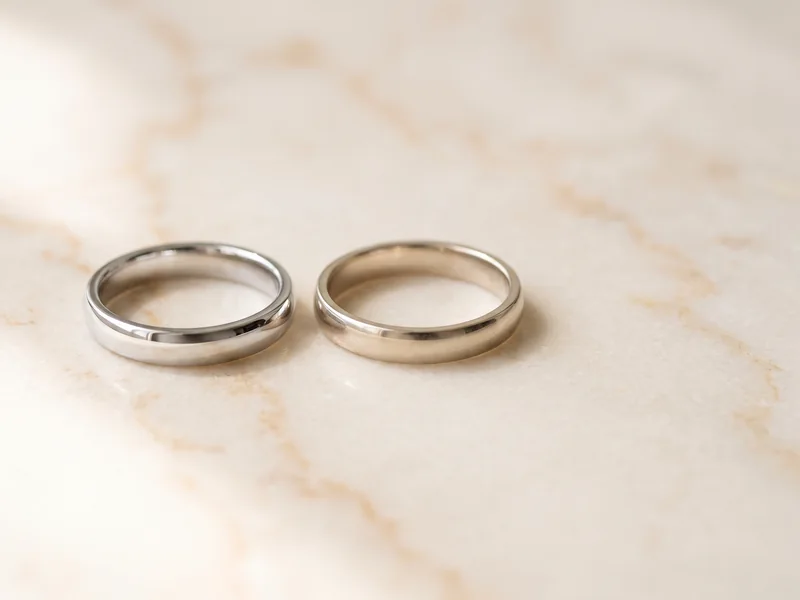 MetalsWhite Gold vs Platinum
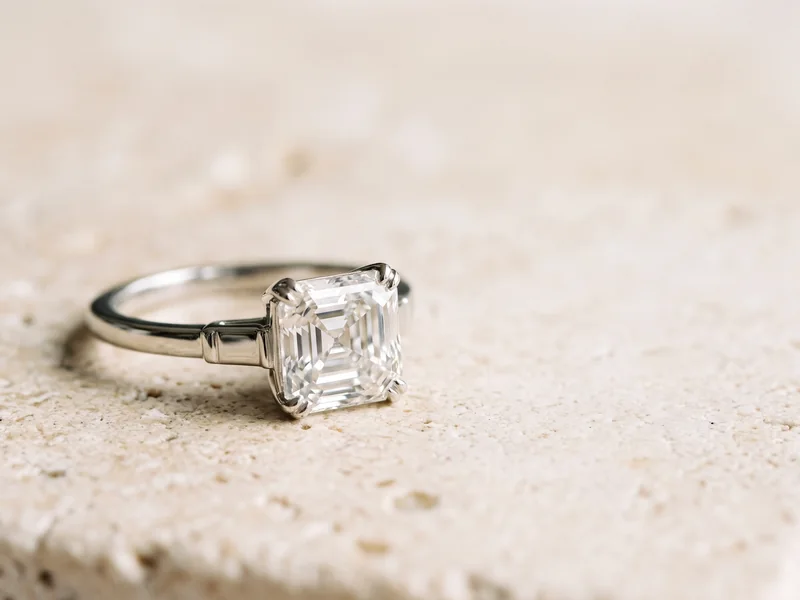 Buying Knowledge & Custom ProcessEngagement Ring Price Index Australia
 MetalsAustralian Hallmarks and Metal Stamps
 Metals14K Gold ExplainedMetalsBest Metal for Engagement RingsMetalsBest Metal for Wedding Bands
 Wedding Bands & EternityCustom Made Wedding Bands
Explore more
More guides on this topic
Education