
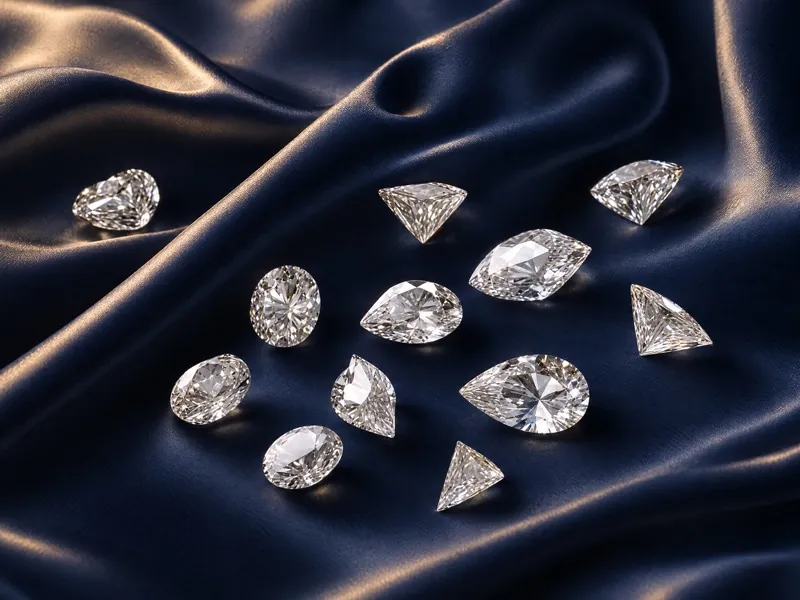
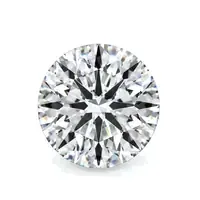
 Round
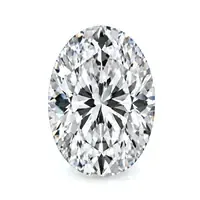 Oval
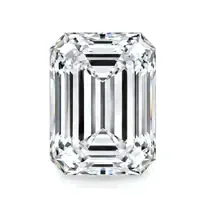 Emerald
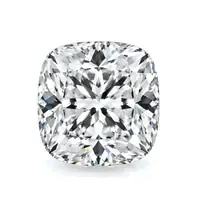 Cushion
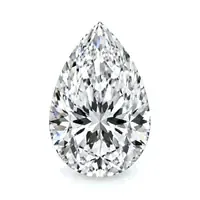 Pear
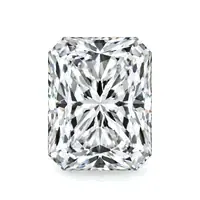 Radiant
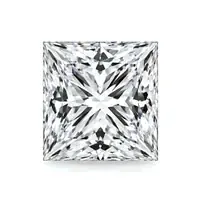 Princess
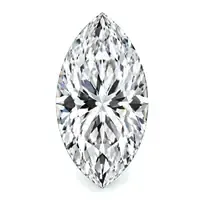 Marquise

- Education
- Certificates & Appraisals
- Diamond Appraisal vs Certificate: The Australian Guide to Grading Reports and Jewellery Appraisals
Certificates & Appraisals
Diamond Appraisal vs Certificate: The Australian Guide to Grading Reports and Jewellery Appraisals
People use the two words as if they mean the same thing, but the diamond appraisal vs certificate question matters: one document proves what your stone is, the other says what it would cost to replace. Insurers, executors and family law settlements each need the right one.
 Reviewed by Raj Sood, Graduate Gemologist (GIA), AJP (GIA)Founder and Graduate Gemologist (GIA) · reviewed 16 November 2026
Quick answer
A diamond certificate (grading report) from a lab such as GIA or IGI describes the stone's identity and quality: carat, colour, clarity, cut and whether it is natural or lab-grown. It never states a price. A jewellery appraisal, written by a qualified appraiser, describes the whole piece and gives a dollar value for a specific purpose, usually insurance replacement.
What is a diamond certificate?
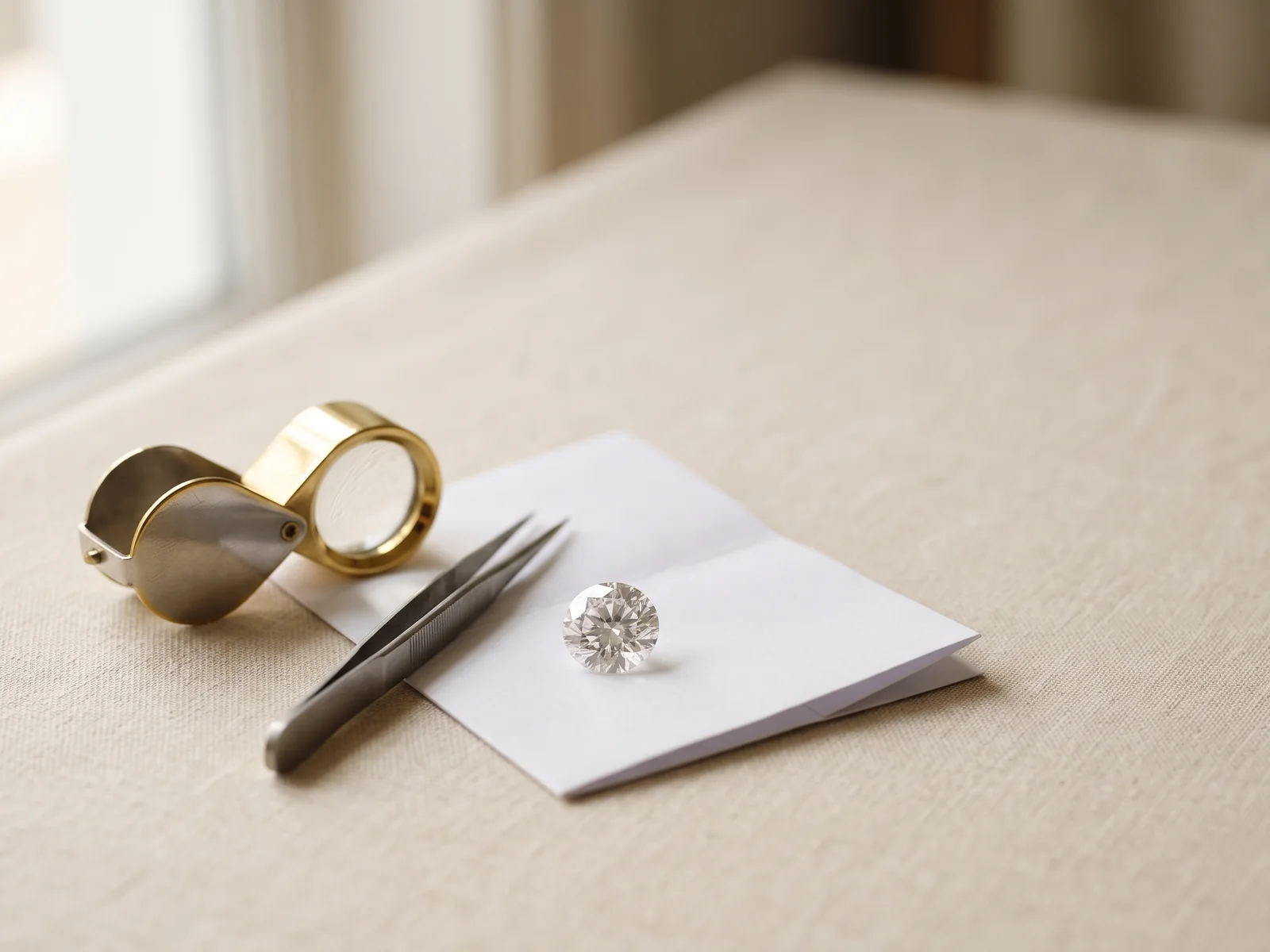
A diamond certificate is the everyday name for a grading report: a document issued by an independent gemmological laboratory after it has examined a loose diamond. The labs themselves prefer the word report, because the document records their expert opinion of the stone on the day it was graded. It is a description, not an appraisal. Our overview of diamond certificates and jewellery reports sets out every document type you are likely to meet.
A full report for a diamond of about 1 carat usually records:
- Identity: that the stone is diamond, and whether it is natural or laboratory-grown.
- Carat weight: measured on a precision scale to 0.01 carat.
- Colour grade: on the D (colourless) to Z (light yellow or brown) scale.
- Clarity grade: from Flawless (FL) to Included (I3), based on inclusions (internal features) and blemishes (surface marks) seen at 10× magnification.
- Cut, polish and symmetry: an overall cut grade for round brilliants, plus polish and symmetry grades for all shapes.
- Measurements and proportions: length, width and depth in millimetres, table and depth percentages.
- Fluorescence: how strongly the stone glows under ultraviolet light, from None to Very Strong.
- Plotting diagram: a map of where the main inclusions sit, and any laser inscription on the girdle (the thin outer edge).
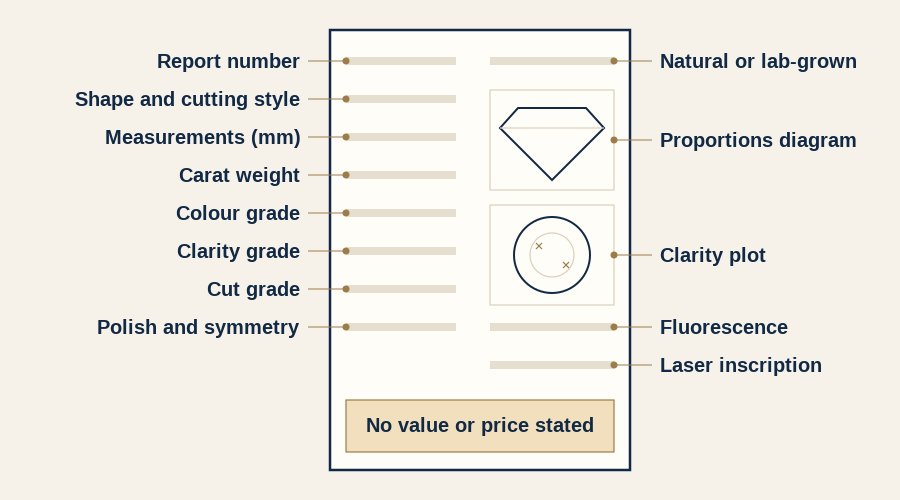
If you have a report in front of you now, our walk-through on reading a GIA report line by line explains each box, and the IGI natural diamond report explained covers the layout IGI uses. Any unfamiliar term is defined in our plain-English jewellery glossary.
Natural diamonds in stock today
See all 149,550 in stock →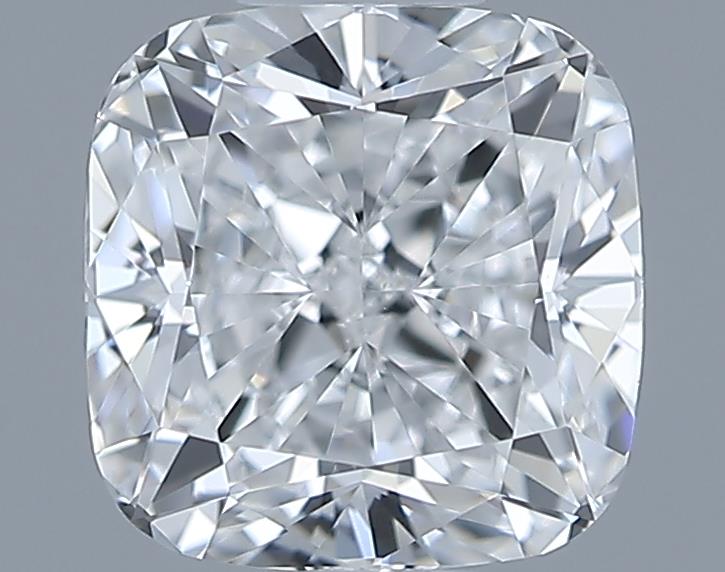 Natural Diamond0.75 ct Cushion DiamondF · VS1 Clarity · EX · VG · NON$1,968 AUDAll taxes inclusive
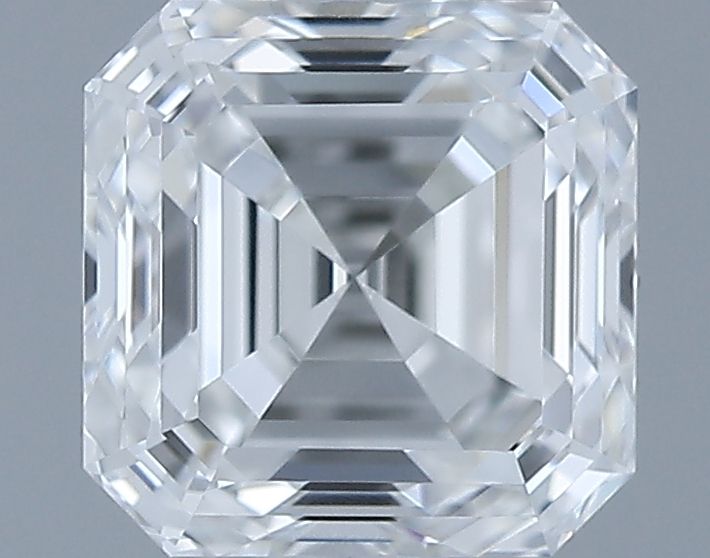 Natural Diamond0.60 ct Asscher DiamondF · VVS2 Clarity · EX · VG · NON$1,968 AUDAll taxes inclusive
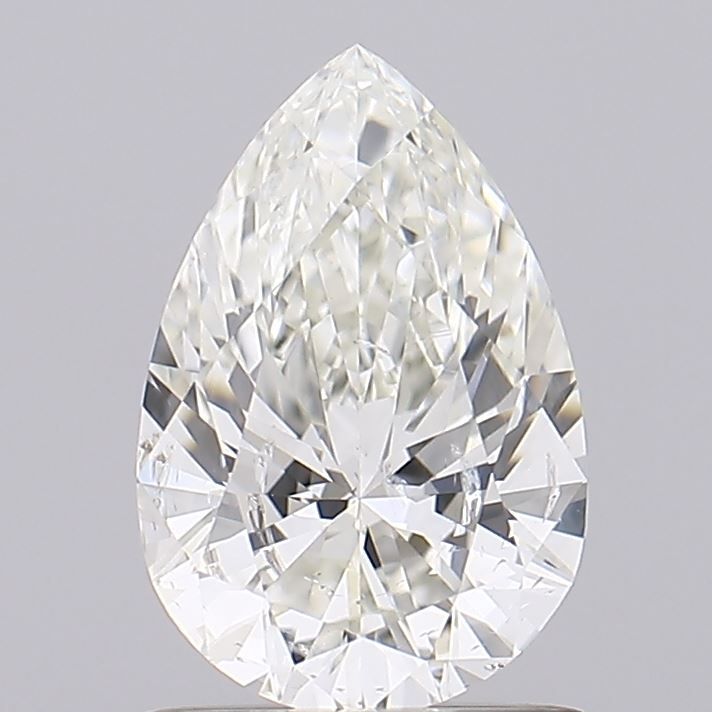 Natural Diamond1.10 ct Pear DiamondH · SI2 Clarity · EX · EX · VSLT$2,708 AUDAll taxes inclusive
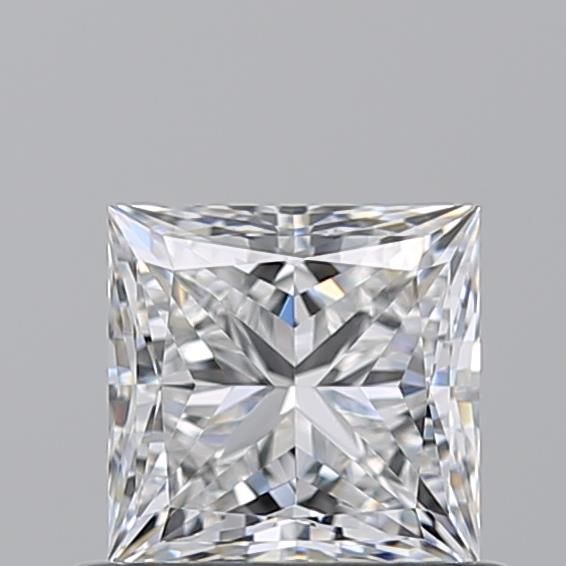 Natural Diamond0.71 ct Princess DiamondE · VVS1 Clarity · EX · VG · NON$2,708 AUDAll taxes inclusive
 Natural Diamond1.02 ct Heart DiamondI · IF Clarity · EX · EX · NON$4,718 AUDAll taxes inclusive
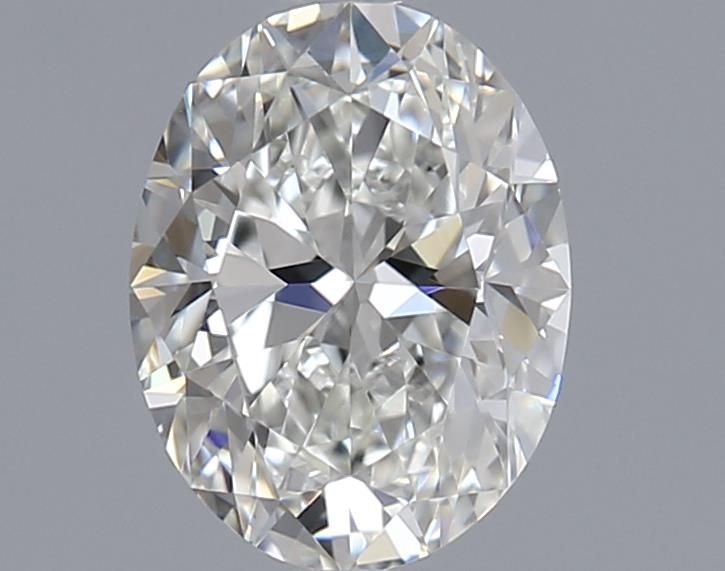 Natural Diamond1.00 ct Oval DiamondH · VVS2 Clarity · EX · VG · NON$4,718 AUDAll taxes inclusive
In stock when checked on 26 Nov 2026, 6:30 pm. Each diamond’s own page shows its live price and availability. Please check the lab report before you commit.
Which labs issue diamond grading reports?
Several laboratories grade diamonds, and they are not interchangeable. Grading is a skilled judgement, and labs differ in how strictly they apply the colour and clarity scales. An appraiser will take the issuing lab into account, because the same grades from a stricter lab describe a better stone.
| Lab | Based | Known for | What an appraiser notes |
|---|---|---|---|
| GIA (Gemological Institute of America) | USA, labs worldwide | Created the D–Z colour and clarity scales | The reference point for natural diamonds |
| IGI (International Gemological Institute) | Belgium, labs worldwide | Very large share of lab-grown grading | Widely used; report number checkable online |
| HRD Antwerp | Belgium | European grading tradition | Respected, less common in Australia |
| AGS (American Gem Society) | USA | Light performance cut grading (now part of GIA) | Older AGS reports still circulate |
| GCAL | USA | Light performance and optical imaging | Adds cut detail rather than replacing GIA |
| EGL, GSI and others | Various | Variable consistency between offices | Grades checked closely before relying on them |
For a fuller side-by-side, see how GIA, IGI and HRD reports differ and our wider comparison of the main grading laboratories. Individual lab guides cover the HRD report format, AGS reports and their light performance grades, GCAL light performance imaging and what to know before trusting a GSI or EGL report.
What is a jewellery appraisal in Australia?
A jewellery appraisal is a written document, prepared by a qualified appraiser, that describes a finished piece of jewellery and states a dollar value for a stated purpose. In Australia that purpose is most often insurance, so the figure is usually a replacement value: the approximate cost, in AUD and including GST, of replacing the item with one of like kind and quality from a retail jeweller today.
Australia does not have a single government licence for jewellery appraisers. Many appraisers hold gemmology qualifications (for example from GIA or the Gemmological Association of Australia) and some are registered with the National Council of Jewellery Appraisers, which sets standards for its members. It is reasonable to ask any appraiser what qualifications and registration they hold before you book. Our guide to what an insurance appraisal covers and how insurers use it goes deeper into the insurance side.
A thorough appraisal should include:
- A full description: item type, style, setting style, number of stones and how they are held.
- Metal: type and fineness (for example 18 carat yellow gold or 950 platinum), confirmed by testing and hallmarks, plus the total weight in grams.
- Each significant stone: identity, shape, measurements, estimated or recorded carat weight, colour and clarity, and whether it is natural, lab-grown or a lab-created or treated gem.
- Report details: the lab and report number, if the diamond has one, and whether the inscription was checked.
- Photographs: clear images of the piece, useful for identification after a loss.
- Value, purpose and date: the dollar figure, what kind of value it is and when it was assessed.
- Appraiser's name, qualifications and signature.
Diamond appraisal vs certificate: what is the difference?
The simplest way to think about it: a grading report answers what is this diamond? and an appraisal answers what is this piece of jewellery worth, and for what purpose? Most engagement rings need both.
| Diamond grading report (certificate) | Jewellery appraisal | |
|---|---|---|
| Who issues it | Independent gemmological laboratory | Qualified jewellery appraiser |
| What it covers | One loose diamond | The whole item: metal, setting, every stone, workmanship |
| States a price? | Never | Yes, a dollar value in AUD |
| Stone examined | Loose, out of the setting | Usually mounted, so weight and grades are estimated unless a report exists |
| Precision | Carat to 0.01 ct, grades under controlled lighting | Grades often stated as a range (for example G–H, VS1–VS2) when mounted |
| Expires? | No; describes the stone as graded | Value dates; most people update it every 2–3 years |
| Main uses | Choosing and comparing diamonds, proving identity | Insurance, estates, family law, resale |
| Lab-grown disclosure | Stated clearly, often inscribed | Must be stated; values differ sharply from natural |
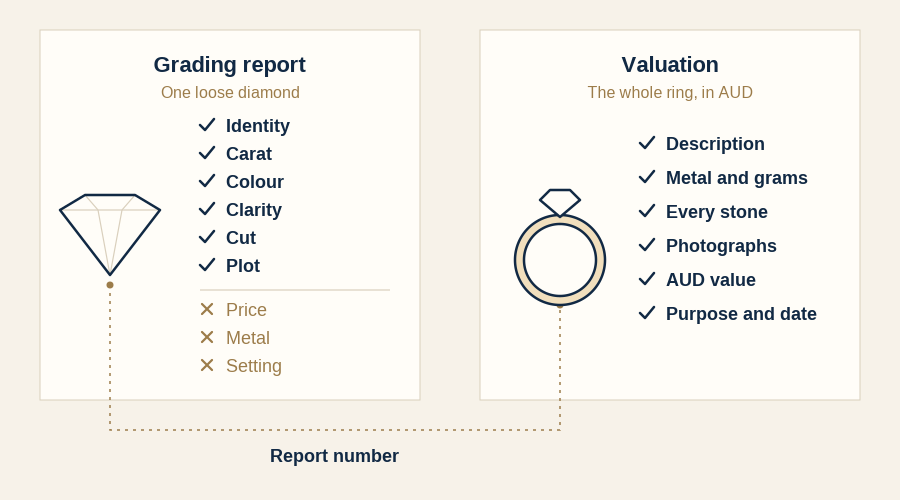
The two documents work together. An appraiser who can read the report number on the girdle and match it to the report can value the diamond with much more confidence than one estimating grades through a setting. Without a report, a mounted round brilliant's weight is estimated from its measurements, using a formula such as diameter2 × depth × 0.0061 (in millimetres). That is usually close, but it is still an estimate, and the appraisal should say so.
Not sure which one is right?
Send us the stones you are looking at and our gemologist will tell you which to choose and why.
What types of jewellery appraisal are there?
The same ring can carry quite different values depending on why it is being valued. That is not inconsistency; each figure answers a different question. An appraisal should always state which value it gives.
| Type of value | Question it answers | Typical use | How it compares |
|---|---|---|---|
| Insurance replacement value | What would it cost to replace with like kind and quality, new, at retail? | Home contents or jewellery insurance | Usually the highest figure |
| Market value (fair market value) | What would a willing buyer pay a willing seller, neither under pressure? | Deceased estates, family law property settlements | Usually well below replacement value |
| Resale or second-hand value | What would a dealer or buyer pay you now? | Selling, comparing offers | Often lower again, especially for lab-grown |
| Agreed value | What sum have you and the insurer agreed in advance? | Some specialist insurance policies | Set by the policy, often based on an appraisal |
Estates and family law matters need a market value, not a replacement value, and the appraiser may need to sign a statement about their independence. Our guide on appraisals for deceased estates and family law settlements explains what lawyers and executors usually ask for.
Related guideInsurance Jewellery Appraisal ExplainedA higher insurance figure is not automatically better. Many policies replace the item through the insurer's own suppliers rather than paying out the full sum, and a higher appraisal usually means a higher premium. An accurate figure, clearly described, protects you best. Check your own policy wording for how it settles jewellery claims.
Engagement rings in our catalogue
See all 1,187 →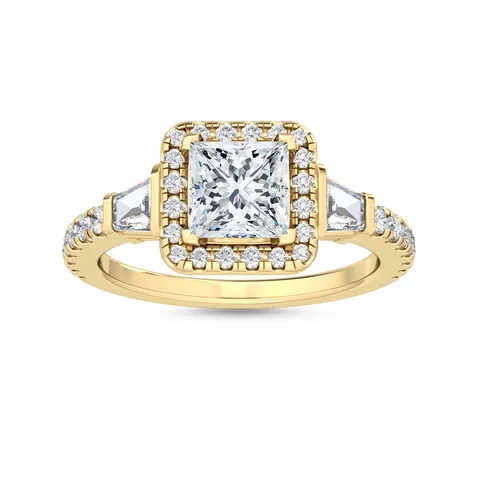 Three Stone · Engagement ringPrincess Three Stone Engagement RingSetting for a princess centre diamond of your choiceFrom $2,048 AUD
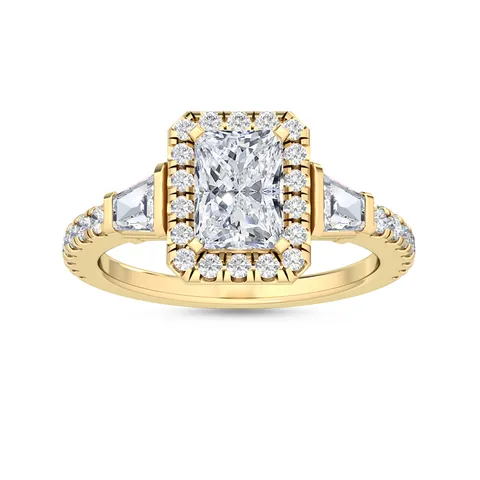 Three Stone · Engagement ringRadiant Three Stone Engagement RingSetting for a radiant centre diamond of your choiceFrom $2,318 AUD
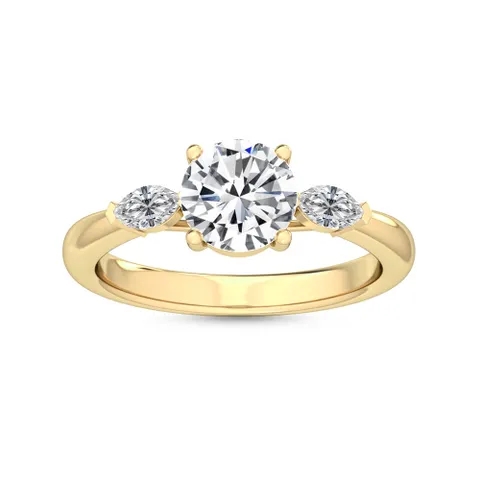 Three Stone · Engagement ringRound Three Stone Engagement RingSetting for a round centre diamond of your choiceFrom $1,808 AUD
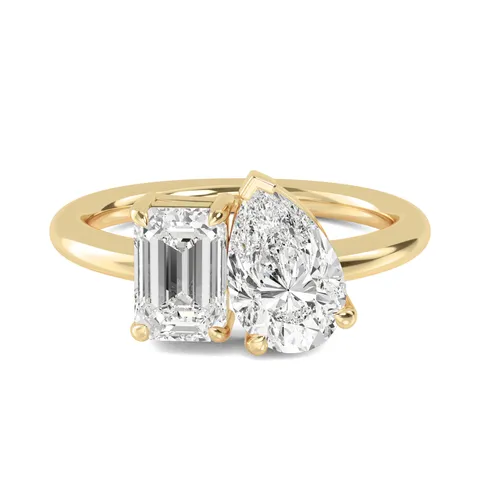 Toi et Moi · Engagement ringEmerald Toi et Moi Engagement RingSetting for an emerald centre diamond of your choiceFrom $2,198 AUD
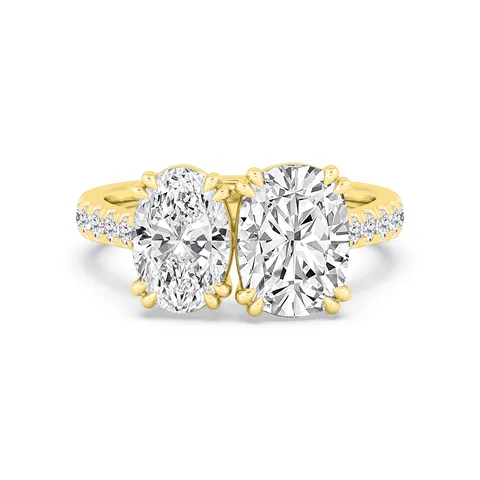 Toi et Moi · Engagement ringOval Toi et Moi Engagement RingSetting for an oval centre diamond of your choiceFrom $2,808 AUD
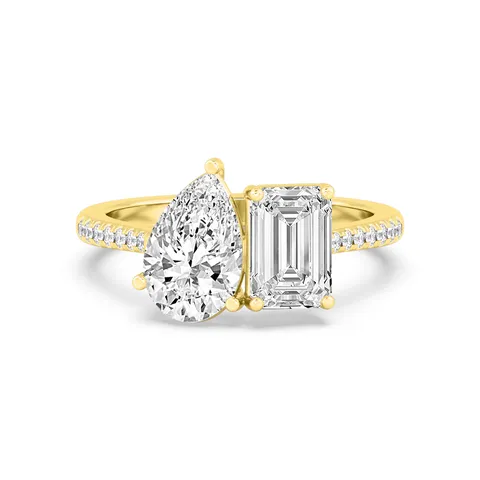 Toi et Moi · Engagement ringPear Toi et Moi Engagement RingSetting for a pear centre diamond of your choiceFrom $2,398 AUD
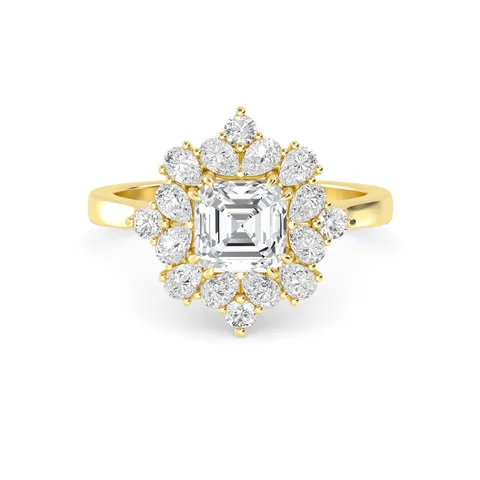 Vintage · Engagement ringAsscher Vintage Engagement RingSetting for an asscher centre diamond of your choiceFrom $2,398 AUD
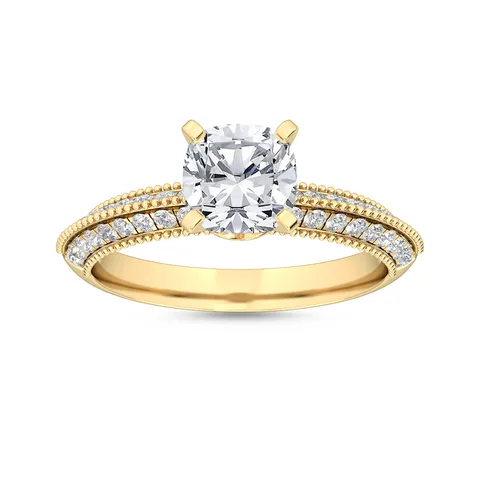 Vintage · Engagement ringCushion Vintage Engagement RingSetting for a cushion centre diamond of your choiceFrom $2,368 AUD
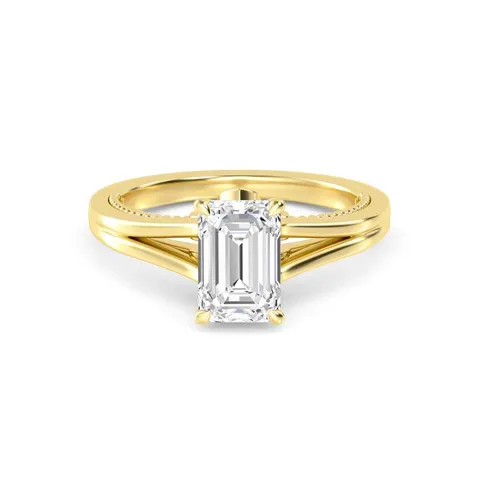 Vintage · Engagement ringEmerald Vintage Engagement RingSettings for an emerald centre diamond of your choiceFrom $2,198 AUD
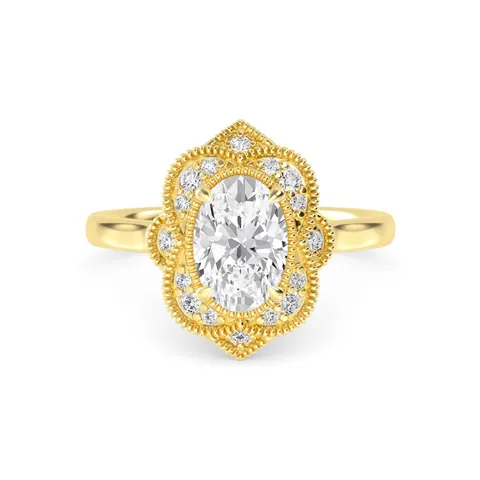 Vintage · Engagement ringOval Vintage Engagement RingSettings for an oval centre diamond of your choiceFrom $2,028 AUD
Listed on 26 Nov 2026. “From” prices are the lowest metal and size of each design, AUD incl. GST; each design’s page shows every option. Made to order in Melbourne in 3 to 5 weeks. Images are for illustration; your piece is made to order.
Why is a diamond grading report not a jewellery appraisal?
It is common to assume a GIA or IGI report is enough for insurance. In most cases it is not, for four reasons:
- No price: laboratories deliberately avoid putting a value on a stone. They grade; they do not price.
- Diamond only: the report ignores the metal, the setting, side stones and the work that went into the ring, which together can be a large share of the replacement cost.
- No link to the ring: a report describes a loose diamond. On its own it does not prove that this diamond is the one in your ring today.
- No market context: diamond prices move, and lab-grown prices in particular have fallen a great deal in recent years. A report from five years ago says nothing about today's replacement cost.
The link between report and stone is usually a laser inscription: the report number written microscopically on the girdle, readable at about 10× magnification. It is useful, but it can be polished off or copied, so an appraiser also checks the measurements, weight estimate and inclusion pattern against the report's plot. Our page on what a laser inscription proves and what it cannot explains the limits.
The reverse is also true: an appraisal is not a grading report. An appraiser grading a mounted stone cannot see it as well as a lab can with the stone loose, so their grades are an informed estimate. If you are buying a diamond, a report from a respected lab is the document that tells you what you are paying for. See the case for certified over uncertified diamonds for how the two compare at purchase.
How are lab-grown diamonds and origin reports treated in an appraisal?
Lab-grown diamonds are real diamond, with the same hardness (10 on the Mohs scale) and refractive index (about 2.42) as natural diamond. They cannot be told apart by eye, so an appraisal must state clearly that the stone is laboratory-grown, using the report and, where needed, testing equipment. Their replacement values are much lower than for natural diamonds of the same grades, and their retail prices have moved quickly, so a lab-grown appraisal dates faster.
Natural diamonds are valued on their grades and on current retail replacement cost, not on any idea of future gain. Neither type should be thought of as an investment; the appraisal simply records what it would cost to replace the piece today.
Some natural diamonds also come with an origin report, which records the country or mine the rough came from, based on records tracked from the mine through cutting. Provenance can matter to owners, and for rare categories it can affect value, so an appraiser will note it. Our guide to how diamond origin reports are produced and checked covers what these documents can and cannot confirm.
Browse natural and lab-grown diamonds, or see our jewellery and diamond appraisal service
How often should you update a jewellery appraisal?
An appraisal is a snapshot of a price on one date. Gold and platinum prices, diamond prices, exchange rates and making costs all shift, so the replacement figure drifts away from reality over time. Many appraisers and insurers suggest updating every 2–3 years, sooner if the price of gold has moved sharply or if the piece contains lab-grown diamonds.
- After a big metal price movement: gold content can be a large part of a heavy band or chain.
- After any change to the piece: resizing, a new setting, added stones or a remodel.
- When your insurer asks: some policies require a recent appraisal for items over a set value.
- For lab-grown pieces: falling retail prices can leave you insured for more than replacement would cost.
Our guide on when and how often to revalue jewellery goes through each trigger in more detail, including what an updated appraisal usually costs.
Diamond appraisal vs certificate: which do you need, and how do you get an appraisal?
If you are choosing a diamond, you need a grading report from a respected lab. If you are insuring, dividing or inheriting a piece, you need an appraisal for the right purpose. If you own a diamond ring, you will usually want both, kept together. Appraisals in Australia commonly cost somewhere around AUD $80–$250 per item, depending on complexity and the appraiser, so ask for a quote first.
- Decide the purpose. Insurance replacement, market value for an estate or family law, or resale. Tell the appraiser up front.
- Gather your documents. Bring grading reports, receipts, previous appraisals and any origin or lab-grown paperwork.
- Check the appraiser. Ask about gemmology qualifications and professional registration, and whether they work independently of any sale.
- Have the piece cleaned and inspected. Loose or worn claws are best found before the appraisal, not after a loss.
- Read the draft carefully. Confirm every stone is described, lab-grown stones are disclosed, the report number is matched and the type of value is stated.
- Store copies safely. Keep a digital copy and a paper copy away from the jewellery, and send your insurer what they ask for.
- Diarise the update. Set a reminder for 2–3 years, or sooner after any change to the piece.
Want a gemologist to look at it? Raj Sood is a gemologist in Melbourne, a Graduate Gemologist (GIA) who sees clients by appointment in the CBD. Read what a gemologist does, or see GIA diamonds in Melbourne. Related pages: loose diamonds in Melbourne and engagement rings in Melbourne. Raj Sood, Graduate Gemologist (GIA), sees clients by appointment at Unit 903/125 Swanston St, Melbourne VIC 3000.
When you are ready to compare real pieces, see natural diamonds for sale, all priced in Australian dollars with GST. Buying from outside Melbourne or online? See buying a diamond or engagement ring from anywhere in Australia, how to buy a diamond online safely, diamond prices in Australia this month and how GemTrove selects diamonds. Related guides: a jewellery appraisal and a diamond grading report are not the same thing.
Free consultation
Talk to a gemologist
Compare stones in person or online with Raj Sood, Graduate Gemologist (GIA), AJP (GIA).
Book a consultationFAQ
Common questions
Is a diamond certificate the same as an appraisal?
No. A certificate, or grading report, describes a loose diamond's quality and identity but never gives a price. An appraisal describes the whole piece of jewellery and states a dollar value for a purpose such as insurance.
Will my insurer accept a GIA or IGI report instead of an appraisal?
Usually not on its own, because the report has no value and does not cover the metal or setting. Most insurers want an appraisal, ideally one that lists the report number.
Why is my appraisal higher than what I paid?
An insurance appraisal gives retail replacement cost today, including GST, which can differ from a past purchase price because metal and diamond prices change. Ask the appraiser to explain the basis if the gap looks large.
How much does a jewellery appraisal cost in Australia?
Prices vary by appraiser and by the complexity of the piece, commonly somewhere around AUD $80–$250 per item. Ask for a quote before you book.
Can an appraiser grade a diamond while it is still set?
Yes, but the colour, clarity and weight are estimates, often given as a range, because the setting hides part of the stone. A lab report for the stone makes the appraisal more precise.
Do lab-grown diamonds need an appraisal?
Yes, if you want to insure them. The appraisal must state that the stone is lab-grown, and it is worth updating more often because lab-grown retail prices have changed quickly.
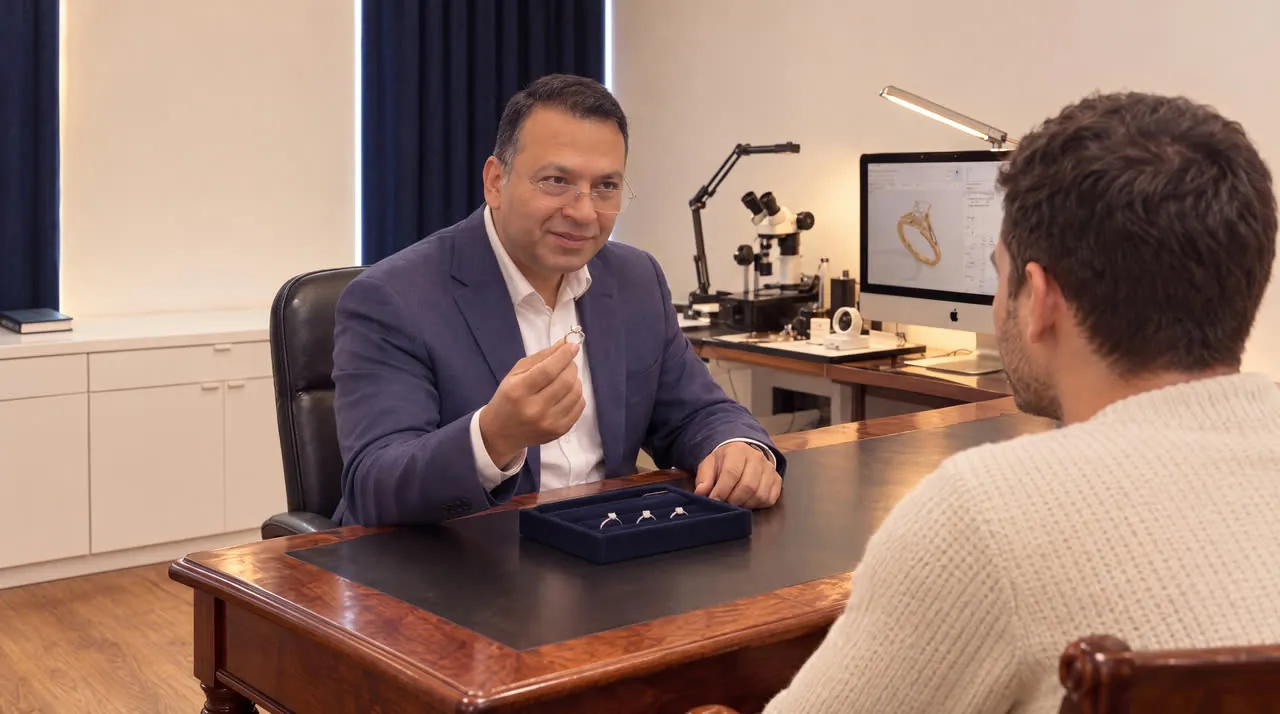
Ask a gemologist
Not sure which diamond to choose?
Raj Sood is a Graduate Gemologist (GIA) who works alongside our master jewellers. Bring the stones you are considering, or send the reports, and he will tell you honestly which one is better and why.
Keep learning
Related guides
 Certificates & AppraisalsInsurance Jewellery Appraisal ExplainedCertificates & AppraisalsDiamond Certificates & Jewellery Reports
 Certificates & AppraisalsJewellery Appraisals for Estates and Family LawCertificates & AppraisalsHow Often to Revalue Jewellery
 Wedding Bands & EternityA Jewellery Appraisal and a Diamond Grading Report Are Not the Same ThingCertificates & AppraisalsGIA vs IGI vs HRD Diamond CertificatesCertificates & AppraisalsCertified vs Uncertified Diamonds
 Certificates & AppraisalsDiamond Grading Labs Compared
Explore more
More guides on this topic
Education