
- Education
- Engagement Rings & Settings
- Pavé Setting Explained: Micro-Pavé, Bead Set and Bright Cut Pavé
Engagement Rings & Settings
Pavé Setting Explained: Micro-Pavé, Bead Set and Bright Cut Pavé
A pavé setting can make a whole ring sparkle, but the way the small diamonds are held decides how it looks on day one and how it wears ten years later. Here is what each style is, how it is made and what a jeweller sees when it comes back for repair.
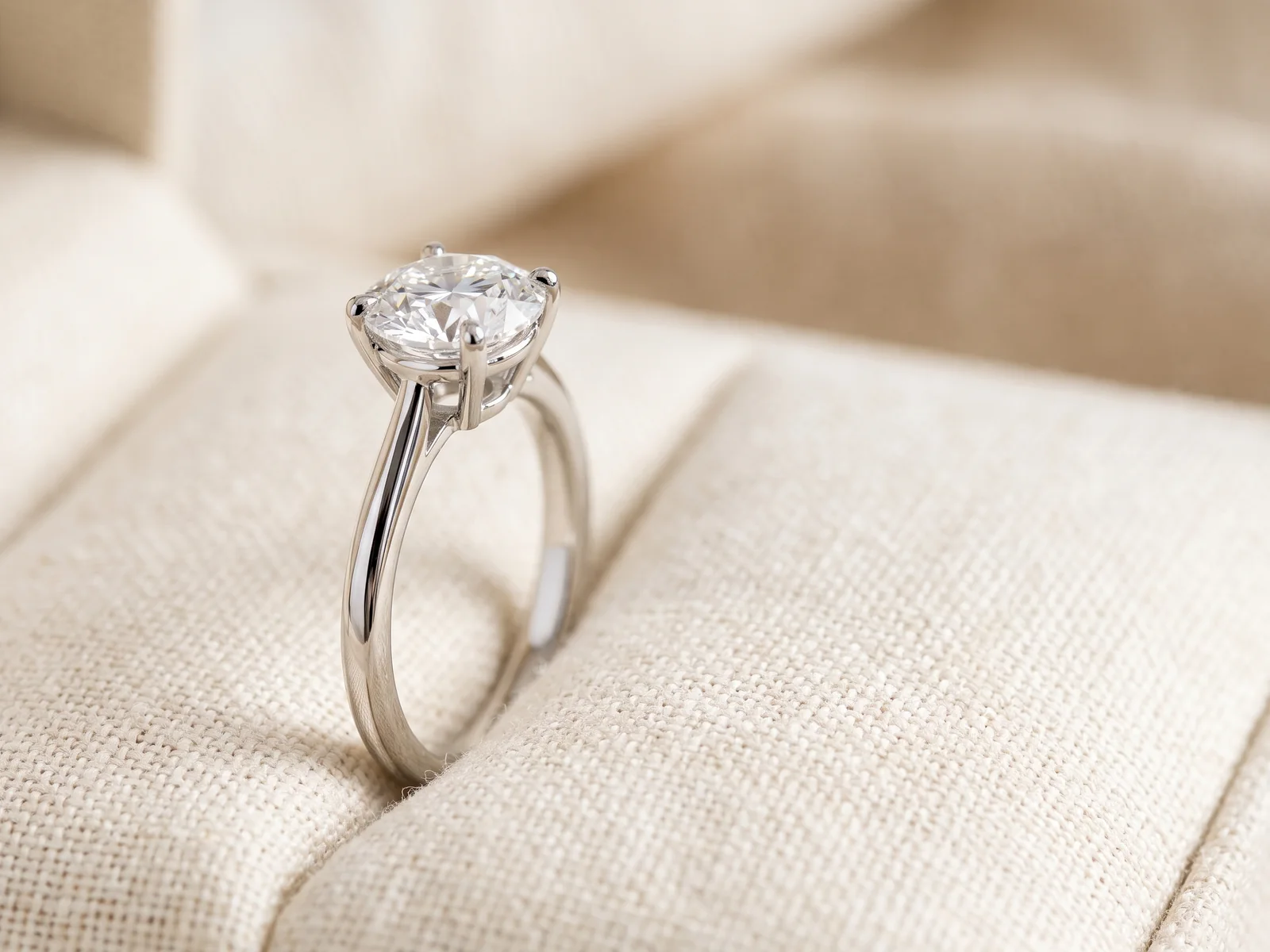
 Reviewed by Raj Sood, Graduate Gemologist (GIA), AJP (GIA)Master jeweller and Graduate Gemologist (GIA) · reviewed 4 November 2026
Quick answer
A pavé setting covers the metal of a ring with rows of small diamonds, each held by tiny raised beads of metal. Standard pavé uses stones about 1.0–1.5 mm; micro-pavé uses stones under about 1 mm set under a microscope. Bright cut adds polished, angled walls beside the row. Check stones and beads every 6–12 months.
What is a pavé setting?
A pavé setting (said 'pa-VAY', from the French for 'paved') is a way of setting many small diamonds close together so the metal surface looks paved with stones. Instead of claws or a rim of metal, each diamond sits in its own drilled hole and is held by tiny beads: little lumps of metal the setter raises from the surface and pushes over the edge of the stone.
Pavé is used on the band of an engagement ring, around a centre stone as a halo, under the centre stone as a hidden halo, on the shoulders, on wedding and eternity bands, and across pendants and earrings. It is one of several ways to hold small stones, alongside channel, bar and claw settings; our guide to all the main engagement ring setting styles shows where pavé fits among them.
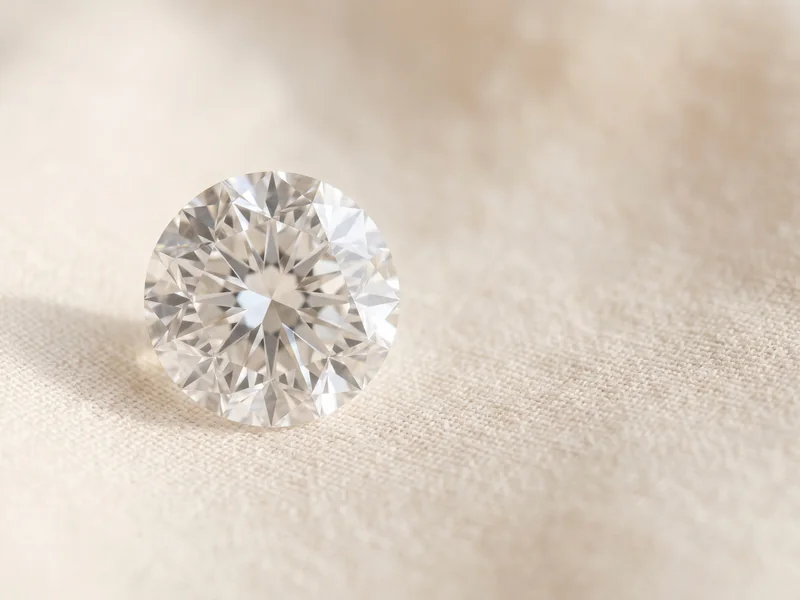
The small diamonds used in pavé are called melee (said 'MEL-ee'), a trade word for diamonds under about 0.18 carat. In pavé they are usually much smaller again: a 1.3 mm round weighs about 0.01 carat, and a 1.0 mm stone about 0.005 carat. Diamond is 10 on the Mohs hardness scale, so the stones themselves rarely wear. The metal holding them does, and that is why most of this guide is about the metal. If any word here is new to you, our glossary of jewellery terms explains it.
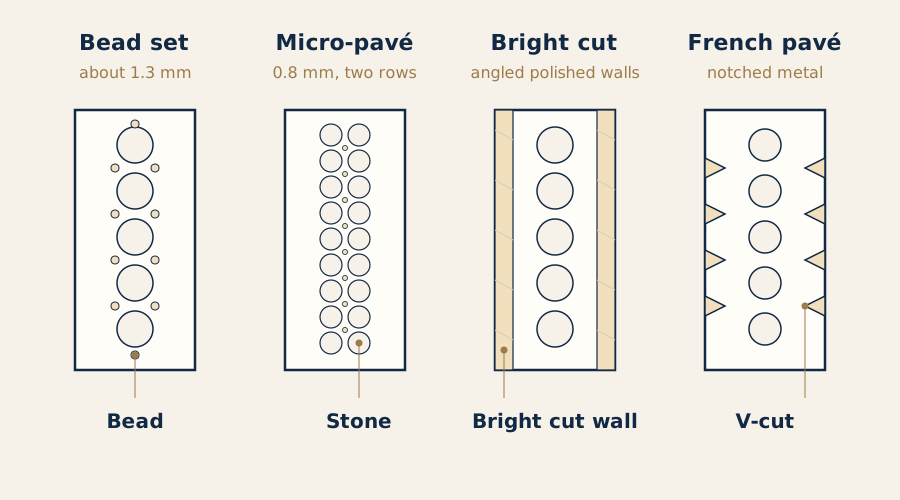
What is the difference between micro-pavé, bead set and bright cut pavé?
These names are often used as if they were rival styles, but they describe different things. Bead set describes how the stones are held. Micro-pavé describes how small the stones are. Bright cut describes how the metal beside the stones is finished. A single ring can be all three at once: a micro-pavé band, bead set, with bright cut edges.
- Bead set (grain set) pavé: the classic method. Each stone is held by beads raised from the surrounding metal, usually four per stone, with neighbouring stones sharing beads. It suits stones from about 0.8 mm to 2 mm.
- Micro-pavé: stones of roughly 0.5–1.0 mm set under a microscope with very fine beads. The metal almost disappears, so the surface reads as a continuous line of sparkle.
- Bright cut pavé: after bead setting, the setter uses a sharp hand tool called a graver to cut a polished, angled wall along each side of the row. Those bright facets of metal catch the light and make the stones look a little larger.
- French pavé (fishtail or V-cut): the metal under and between the stones is cut away in a V shape, so more of each diamond's side is visible and more light enters.
- U-cut or scalloped pavé: the metal below the stones is cut in a U or scallop shape when you look at the band side-on, again letting more light in and giving a lacy profile.
| Standard bead set | Micro-pavé | Bright cut pavé | French pavé | |
|---|---|---|---|---|
| Typical stone size | 1.0–2.0 mm | 0.5–1.0 mm | 1.0–1.8 mm | 1.0–1.8 mm |
| Visible metal | Small beads and thin walls | Almost none | Polished bevelled walls | Thin V-shaped prongs |
| Look | Classic, even sparkle | Continuous fine glitter | Crisp, framed rows | Open, light-filled |
| Bead size | Larger, sturdier | Very fine | Medium | Medium, on V-cut walls |
| Long-term wear | Most forgiving | Needs closest checking | Good if walls kept thick enough | Good; more open to knocks side-on |
| Repair | Straightforward | Specialist, under magnification | Re-cut edges after re-setting | Straightforward to moderate |
Most pavé uses round brilliant melee, because the 57 or so facets of a full brilliant return light well even at 1 mm; the story of how the modern round brilliant grew out of the Old European cut explains where that facet pattern came from. Very small stones are sometimes single cut, with only 17 or 18 facets, which look slightly glassier. You can see why faceting style changes sparkle in our page on why brilliant faceting sparkles more than a rose cut.
How is a pavé setting made?
Good pavé starts long before a stone is set. The ring is designed so that every hole lines up, every stone sits at the same height and the metal between stones is thick enough to raise a bead. At GemTrove we model this in CAD (computer-aided design), so you see a render of the exact layout before any metal is cast, and then a finished photo of the ring.
- Design and cast. The ring is modelled with seats for each stone, then cast or milled in the chosen metal.
- Drill and burr. Each seat is drilled and then shaped with a burr (a tiny rotating cutter) so the stone's girdle, its widest edge, sits level just below the surface.
- Set the stones. Each diamond is pressed into its seat, table facing up, and checked for height and tilt.
- Raise the beads. With a graver, the setter lifts a sliver of metal next to each stone and pushes it over the girdle.
- Round the beads. A cupped beading tool shapes each sliver into a smooth dome so it holds the stone without snagging.
- Bright cut and finish. If specified, the edges of the row are cut bright with a graver, then the ring is polished and, for white gold, rhodium plated.
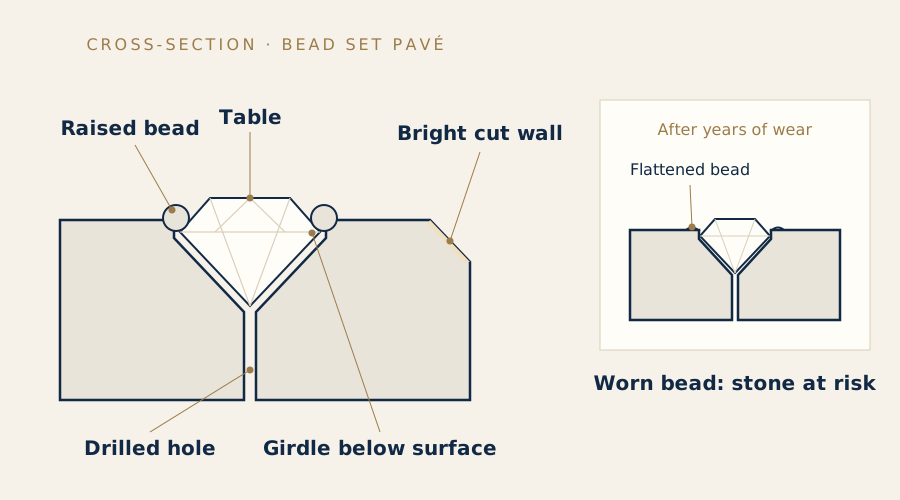
Micro-pavé follows the same steps but under a microscope, often at 10–20× magnification, with tools and beads scaled down to suit stones of well under a millimetre. It takes much longer per stone and the margin for error is smaller, which is part of why it costs more to set and to repair.
Where can pavé go on an engagement ring?
Pavé is flexible. Where it goes changes both the look and how much wear the stones take.
- Pavé band: stones across the top third, half or more of the shank (the band). The most common choice, and the part that takes the most knocks.
- Pavé shoulders only: stones on the band either side of the centre, stopping about a third of the way down. A good balance of sparkle and durability.
- Halo: a ring of pavé around the centre stone that makes it look larger.
- Hidden halo: a row of pavé around the base of the centre stone's head, visible mainly from the side.
- Gallery and bridge: small stones under the centre stone or on the side profile, protected from most knocks.
- Claws: tiny stones set into the claws themselves. Pretty, but the claws then have less metal to re-tip later.
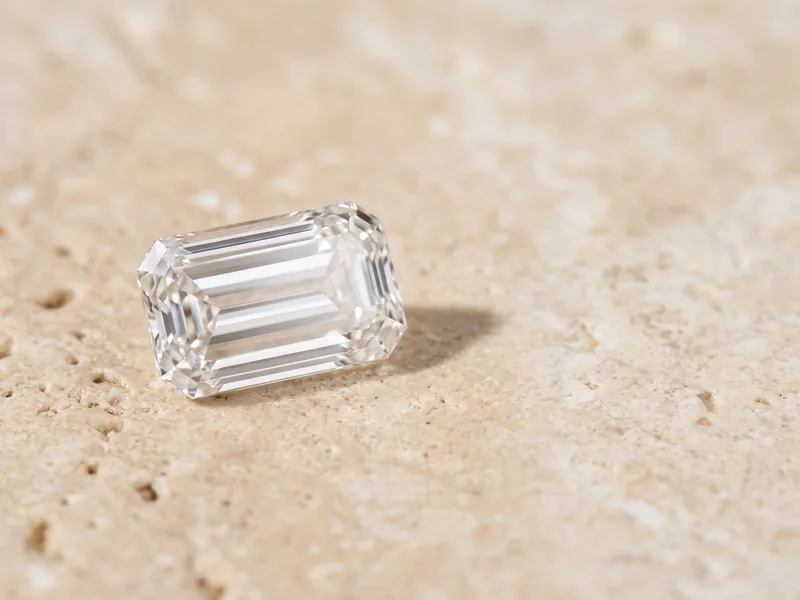
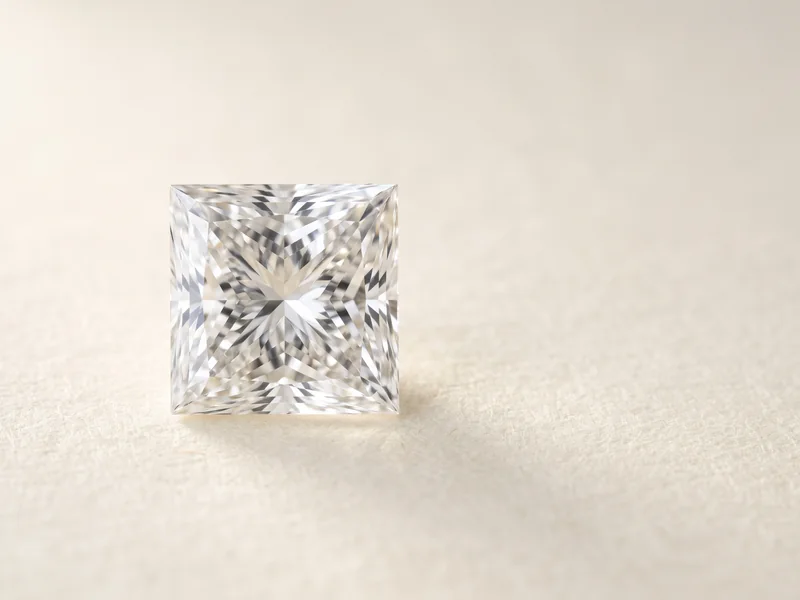
Shape matters too. A square centre stone such as one of our princess cut diamonds pairs naturally with straight rows of pavé, while step cuts often look cleanest with a slim pavé band and no halo; our guide to settings that flatter an emerald cut explains why. A pavé halo also helps shield fancy shapes with a delicate point, as our page on halo and claw options for heart diamonds shows.
Related guideEngagement Ring Setting Styles GuideNot sure which one is right?
Send us the stones you are looking at and our gemologist will tell you which to choose and why.
How does a pavé setting wear over the years?
This is the question most setting pages skip, and it is the one we see most at the repair bench. Pavé does not usually fail suddenly. It wears slowly, and the signs are visible long before a stone falls out if you know what to look for.
| Years of daily wear | What usually happens | What it needs |
|---|---|---|
| 0–2 | Polish dulls; beads still sharp and domed | Clean; check-up every 6–12 months |
| 2–5 | Beads on the palm side and top edge flatten; white gold shows a warm tint as rhodium wears | Re-plate white gold; tighten any loose stone |
| 5–10 | Some beads too worn to hold; one or two stones may go missing; bright cut edges soften | Re-set or replace stones; re-cut bright edges |
| 10+ | Band may thin, especially on the palm side | Rebuild or replace the shank section; re-set the pavé |
These timings are a rough guide only. Someone who lifts weights, gardens or works with their hands can see beads flatten in a year or two, while a ring worn mainly at a desk may go a decade with little more than cleaning. The top and sides of the band near the centre stone take most of the contact, so that is where we look first.
The metal makes a difference. Platinum (usually 95% pure in Australia) is dense and tends to push aside rather than wear away, so beads lose shape slowly, though the surface develops a soft grey patina. 18 carat white gold is harder and keeps a crisp finish, but it is usually rhodium plated (a thin coat of a bright white metal) that wears off in 12–24 months and needs renewing. 18 carat yellow and rose gold need no plating. Lower-carat golds such as 9 carat are cheaper but can be less forgiving to re-set.
Sharp corners on a centre stone can also rub against a pavé wedding band worn beside it. Square and angular cuts, such as a square princess centre with pointed corners, usually need their corners protected by V-claws so they do not grind into the beads of the band next to them. The same applies to pointed shapes; our guide to wedding bands that sit flush beside a heart covers contoured bands that avoid this rubbing.
Is a pavé setting durable enough for everyday wear?
Yes, for most people, provided it is made with enough metal and checked regularly. Diamonds handle daily wear well; the risk is the beads. A few design choices make a big difference:
- Band width: a single row of 1.2–1.5 mm stones usually needs a band of at least about 2 mm. Narrower than about 1.8 mm and the walls between stones become very thin.
- Stone size: slightly larger pavé stones, around 1.2–1.5 mm, hold with sturdier beads than 0.8 mm micro-pavé.
- Coverage: pavé across the top half of the band is far easier to maintain than pavé all the way round, where the palm side takes constant knocks.
- Lifestyle: take the ring off for the gym, gardening, cleaning with chemicals and swimming in chlorinated pools.
If you are very hard on your hands, a channel setting (stones held between two walls of metal) or a plain polished band protects the stones better, and a simple claw or bezel centre with plain shoulders is the most robust of all. Channel-set baguette and tapered baguette side stones are a sturdier alternative to pavé shoulders. See how pavé compares with claw, bezel and channel settings before you decide.
Resizing is the other durability question. Australian ring sizes run by letter, and a ring with pavé across the top half can usually be resized by about one to one and a half sizes, because the jeweller cuts and adds metal at the plain back of the band. Pavé that runs most or all of the way round, as in a full eternity band, generally cannot be resized without re-setting stones, so it is worth confirming your size first.
Which diamond shapes suit a pavé band?
Almost any centre stone can sit on a pavé band, but some pairings look especially balanced. Bright, brilliant-faceted centres match the glitter of pavé, which is why radiant cut engagement rings with pavé bands are so popular: the radiant's crisp, cropped corners sit neatly between straight rows of melee.
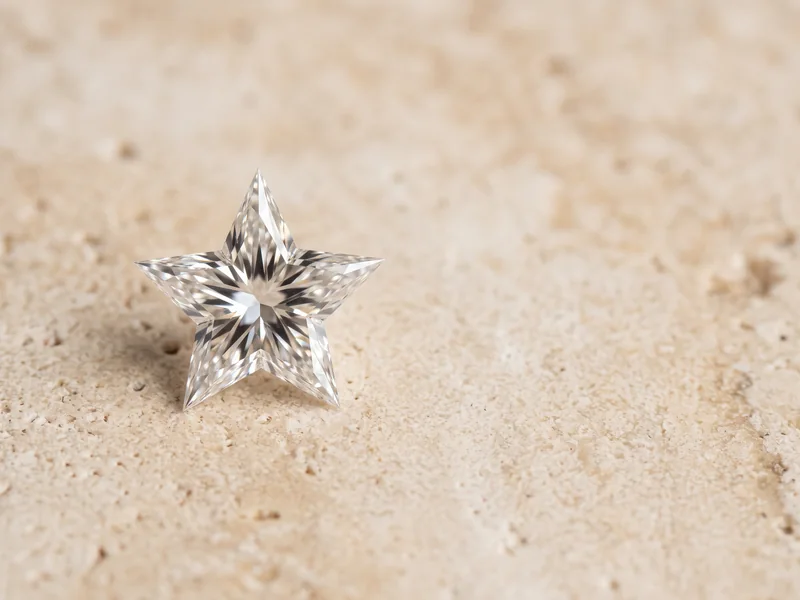
Square cuts with clipped corners, such as the square Flanders cut with its trimmed corners, also suit a straight pavé shoulder. For a richly faceted round centre, the many-faceted Portuguese cut gives a softer, busier sparkle that blends with fine micro-pavé. Unusual centres like star cut diamonds are best with a fine, restrained pavé so the centre's pattern stays the focus. To compare every option, our overview of every diamond shape lays them out side by side.
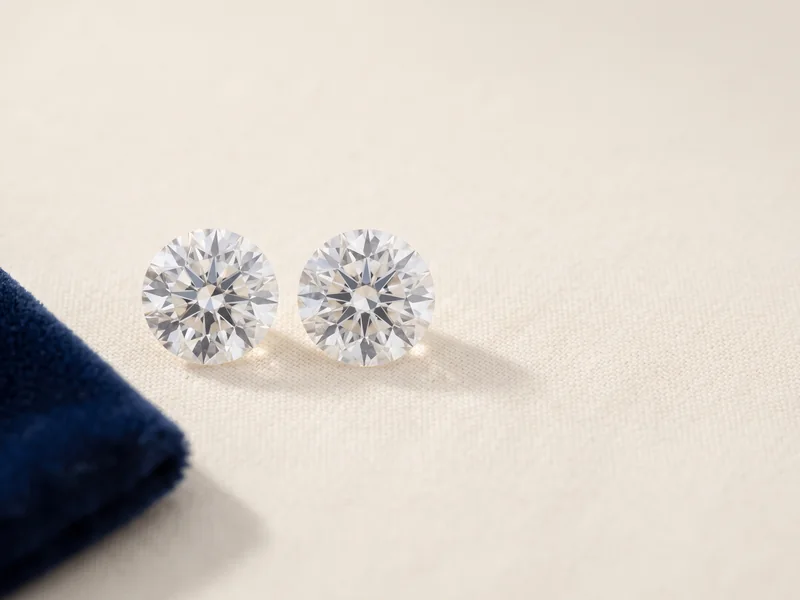
Pavé also combines well with other side stones. Triangular side stones either side of the centre can step down into a pavé band, and a rose cut centre on a brilliant pavé band gives a deliberate contrast between soft and sharp sparkle; our comparison of rose cut and brilliant cut faceting shows how different the two look.
Melee can be natural or lab-grown, and lab-grown melee is now common. Both are real diamond. What matters is disclosure: the paperwork should state whether the pavé stones are natural or laboratory-grown, and whether they match the centre stone's type. Melee is usually sorted in parcels by colour and clarity range, such as F–G, VS, rather than graded stone by stone, so ask for the range and check that the pavé looks as white as the centre.
How much does a pavé setting cost in Australia?
Pavé adds cost in two ways: the diamonds themselves and the setter's time. Micro-pavé costs more than standard pavé per centimetre of band, mainly because of the labour. The figures below are broad, approximate ranges only and move with metal prices, stone quality and design.
| Item | Approximate range (AUD) |
|---|---|
| Pavé shoulders added to a solitaire band | about $600–$2,000 |
| Half-way pavé band, standard stones | about $1,000–$3,000 |
| Half-way micro-pavé band | about $1,200–$3,500 |
| Replacing one lost pavé stone | about $50–$200 |
| Tightening and re-beading a row | about $80–$300 |
| Rhodium re-plating, white gold | about $60–$150 |
Natural melee costs more than lab-grown melee of the same size and grade, but because each stone is so small, the difference across a whole band is usually smaller than people expect. Metal makes a larger difference: platinum and 18 carat gold cost considerably more than 9 carat.
Design a ring with a pavé setting
How do you choose and care for a pavé setting? Step by step
- Decide on coverage. Shoulders only, top half or full eternity. Less coverage means easier resizing and fewer stones in harm's way.
- Choose the stone size. About 1.2–1.5 mm for durability; micro-pavé under 1 mm for the finest look.
- Pick the finish. Plain beads, bright cut edges, or French or U-cut for more light from the side.
- Choose the metal. Platinum, or 18 carat white, yellow or rose gold; remember white gold needs re-plating.
- Check the CAD render. Confirm band width, stone layout and that the pavé stops where you expect.
- Confirm the stones. Ask whether the melee is natural or lab-grown and its colour and clarity range.
- Care for it. Clean gently with warm soapy water and a soft brush, take it off for heavy work and book a check-up every 6–12 months.
For the words a setter may use at your check-up, such as beading, millegrain and re-tipping, see our definitions of beading, millegrain and melee.
Free consultation
Talk to a gemologist
Compare stones in person or online with Raj Sood, Graduate Gemologist (GIA), AJP (GIA).
Book a consultationShop this shape
FAQ
Common questions
Do pavé diamonds fall out?
They can, usually after years of wear flattens the beads holding them. Regular check-ups every 6–12 months catch loose stones before they are lost, and a replacement stone is a routine repair.
What is the difference between pavé and micro-pavé?
The stone size. Standard pavé uses diamonds of about 1.0–1.5 mm, while micro-pavé uses stones under about 1 mm, set under a microscope with much finer beads.
Can you resize a pavé ring?
A ring with pavé across the top half of the band can usually be resized by about one to one and a half sizes. Full eternity pavé generally cannot be resized without re-setting stones.
What does bright cut mean in a ring?
Bright cut is a finish where the setter cuts polished, angled walls of metal along the edges of a row of set stones. The bright metal reflects light and frames the diamonds.
Is pavé or channel setting more durable?
Channel setting is generally more durable, because the stones are protected between two solid walls of metal. Pavé shows more sparkle but relies on small beads that need checking over time.
Are pavé diamonds natural or lab-grown?
Either. The paperwork should state whether the small stones are natural or laboratory-grown, and both are real diamond with the same hardness.
Terms in this guide

Ask a gemologist
Not sure which diamond to choose?
Raj Sood is a Graduate Gemologist (GIA) and master jeweller. Bring the stones you are considering, or send the reports, and he will tell you honestly which one is better and why.
Keep learning
Related guides
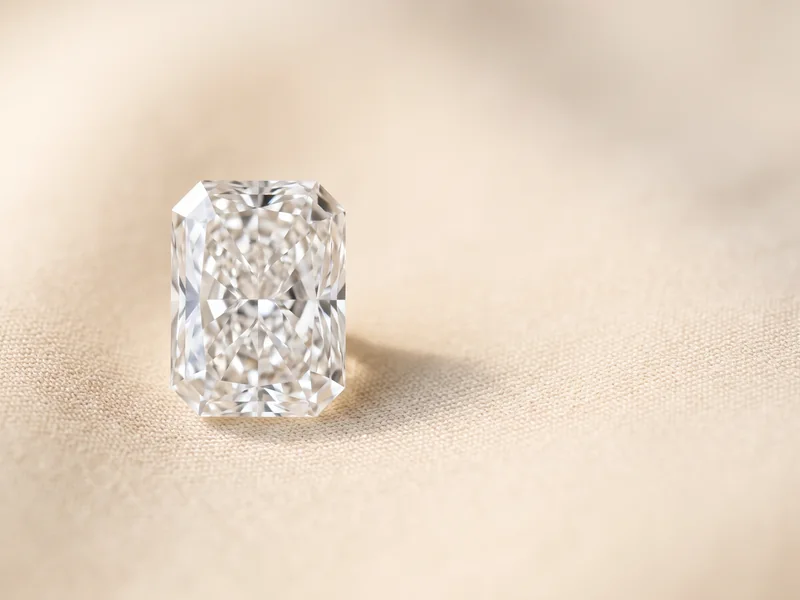 Engagement Rings & SettingsRadiant Cut Engagement Rings
 Engagement Rings & SettingsBest Settings for Emerald Cut DiamondsGlossaryJewellery Glossary
 Diamond ShapesRose Cut vs Brilliant Cut Diamonds
 Diamond ShapesStar Cut Diamonds
 Diamond ShapesPrincess Cut Diamonds
 Diamond ShapesPortuguese Cut Diamonds
Explore more
More guides on this topic
Education