
- Education
- Engagement Rings & Settings
- Basket vs Trellis vs Peg Head Settings: How They Differ and How They Wear
Engagement Rings & Settings
Basket vs Trellis vs Peg Head Settings: How They Differ and How They Wear
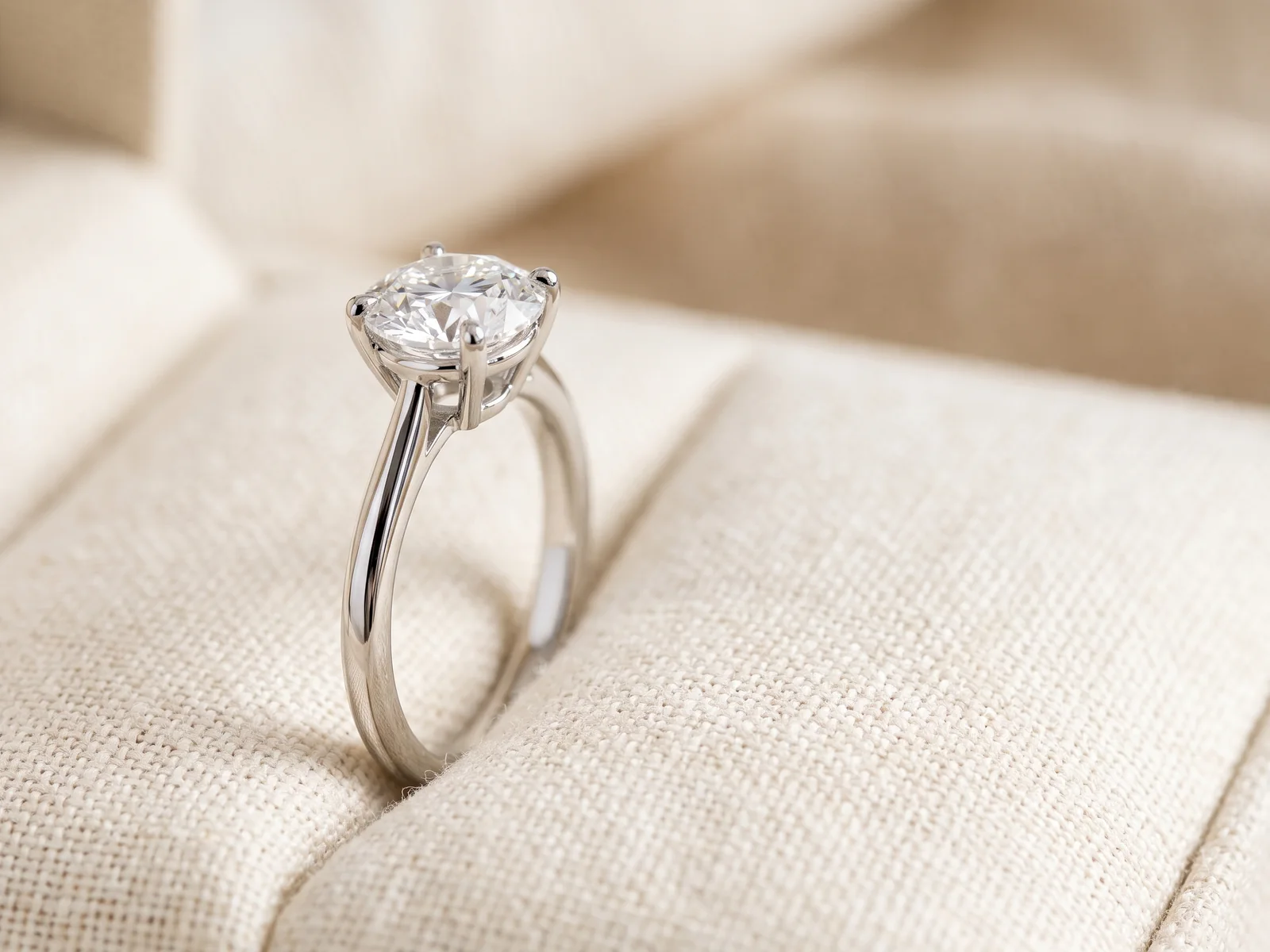
Basket vs trellis vs peg head settings can look almost identical from above, but they are built differently, sit at different heights and age differently on the hand. Knowing which is which helps you choose a ring that still holds its stone safely in twenty years.
 Reviewed by Raj Sood, Graduate Gemologist (GIA), AJP (GIA)Master jeweller and Graduate Gemologist (GIA) · reviewed 4 November 2026
Quick answer
A basket setting joins its claws with one or two metal rails; a trellis setting crosses its claws in an X beneath the stone; a peg head is a separate claw head pegged into the band. Baskets are the sturdiest everyday choice, trellises sit lower with a decorative side view, and peg heads give the classic high solitaire.
What are basket, trellis and peg head settings?
Every solitaire engagement ring has a head: the part that holds the centre stone above the band. The head is made of claws (also called prongs), small metal posts whose tips fold over the edge of the stone, plus whatever joins those claws together underneath, which jewellers call the gallery. The band itself is the shank.
Basket, trellis and peg head are three different ways of building that head. Looking down at the ring, you may not be able to tell them apart, because all three show four or six claw tips around the stone. The differences show from the side: how the claws are braced, how high the stone sits, how easily the ring cleans, how a wedding band fits beside it and what a jeweller has to repair after years of wear.
- Basket: claws joined by one or two horizontal rails, like a small woven basket.
- Trellis: claws that curve and cross over each other in an X or lattice pattern.
- Peg head: a separately made claw head with a post (the peg) that fits into a hole in the shank.
This guide compares the three on construction, look, security, maintenance, the shapes they suit and band fit. For the wider family of styles, from halos to bezels, start with our overview of engagement ring setting styles. For how a jeweller actually folds claws over a stone, see the step-by-step guide to setting diamonds and gemstones, and any unfamiliar word here is defined in our A–Z jewellery glossary.
What is a basket setting and how is it built?
A basket setting has four or six claws joined by one or two horizontal bands of metal called rails. From the side, the claws and rails form an open cage, which is where the name comes from. The rail usually sits partway down the pavilion (the lower, pointed half of a diamond), below the girdle (the widest edge of the stone). Most baskets today are cast in one piece from a wax or CAD (computer-aided design) model, then cleaned up, polished and fitted to the exact stone.
- Single rail: one ring of metal around the claws. Light and open, the most common version.
- Double rail: two rails, one higher and one lower. Stiffer, a little more metal, often chosen for larger stones.
- Decorated rail: the rail can carry milgrain (tiny beaded edging), engraving or a row of small diamonds as a hidden detail.
- Four or six claws: four claws show more of the stone; six spread the load and keep a round secure if one claw is damaged.
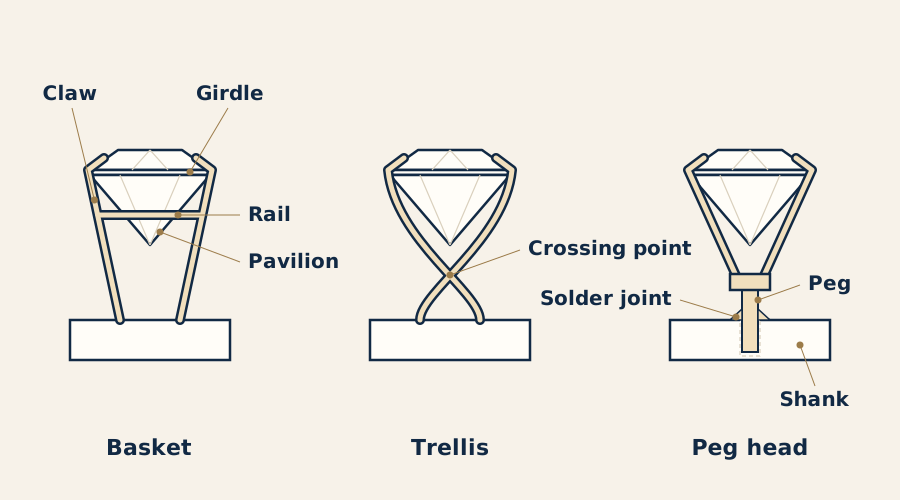
The look is clean and classic. Because the rail ties every claw to its neighbours, a knock on one claw is shared across the whole head, so a basket claw is less likely to bend outward than a free-standing one. That is why the basket is the default choice for an everyday solitaire. A basket can be made low, medium or high; the height is set by how tall the claws are below the rail, not by the basket design itself.
The trade-off is small. The rail adds a visible line of metal from the side, and a low rail can get in the way of a straight wedding band. Dirt collects where the rail meets each claw, but the open sides make it easy to reach with a soft toothbrush.
What is a trellis setting?
In a trellis setting the claws do not run straight up from the band. Each claw curves across and passes over or under its neighbour, so from the side you see an interlaced X or lattice, like a garden trellis. Most trellis heads have four claws, sometimes six, and the crossing points brace the claws against each other without a separate rail. It is sometimes called a crossover or woven head.
The side view is the whole point of a trellis. It looks softer and more detailed than a basket, and it pairs naturally with vintage and nature-inspired designs, such as the petal-shaped galleries in our guide to floral engagement ring designs. Because the claws gather low and close under the stone, a trellis usually sits a little lower than a peg head of the same stone size, which suits people who want less height.
Security is good: crossed claws support each other in two directions. The weak spots are different from a basket. The crossing points form small crevices where soap, moisturiser and skin oils build up, and those deposits can hide early wear. If a claw cracks at a crossing point, the repair is more involved, because the claws depend on each other and a jeweller may need to rebuild two claws, not one.
What is a peg head setting?
A peg head is a claw head made separately from the ring, usually cast or die-struck (stamped from metal under high pressure) in standard sizes for common stone diameters. It has a short post underneath, the peg. The jeweller drills a hole in the top of the shank, fits the peg into it and solders the joint. Because the head stands on its own stem, it normally holds the stone higher than a basket or trellis, which gives the traditional high solitaire look seen in many older rings.
- Pros: a light, minimal look; a fully open gallery that is easy to clean; and a worn head can be cut off and replaced without remaking the band.
- Upgrades: moving to a larger stone later can mean fitting a new head of the right size rather than a whole new ring.
- Cons: every bit of force passes through one joint and one stem, the extra height catches on clothing and gloves, and mass-produced heads can have thin claws.
- Quality check: a well-made peg head has solid claws, a tight-fitting peg and a clean, fully flowed solder joint.
A peg head is not automatically weak. The concern is leverage: the higher the stone, the more force a knock puts on the joint at the base. On a high peg head worn daily, that joint and the claw tips are where a jeweller looks first at every service.
Not sure which one is right?
Send us the stones you are looking at and our gemologist will tell you which to choose and why.
Basket vs trellis vs peg head settings: which is most secure?
| Basket | Trellis | Peg head | |
|---|---|---|---|
| How it is built | Claws joined by 1–2 rails, usually cast in one piece | Claws curve and cross each other, usually cast | Separate head with a post soldered into the shank |
| Typical height | Low, medium or high | Usually low to medium | Usually medium to high |
| Side view | Clean rails, classic | Decorative X or lattice | Minimal, open |
| Claw bracing | Rails tie all claws together | Claws brace each other at crossings | Claws braced only at the base |
| Main wear point | Claw tips | Claw tips and crossing points | Claw tips and the peg joint |
| Cleaning | Easy, open sides | Harder, crevices at crossings | Easiest, fully open |
| Typical repair | Re-tip claws | Re-tip or rebuild paired claws | Re-tip claws or replace the whole head |
| Everyday security | Very good | Good to very good | Good if well made; height adds risk |
For most people wearing a ring every day, a well-made basket is the most forgiving of the three, because its rails spread any impact across all the claws. A trellis is close behind and wins if you want the decorative side view and a lower stone. A peg head is perfectly sound when it is solid and well joined, but it relies on one joint and sits higher, so it suits careful wearers or people who prefer the classic tall solitaire.
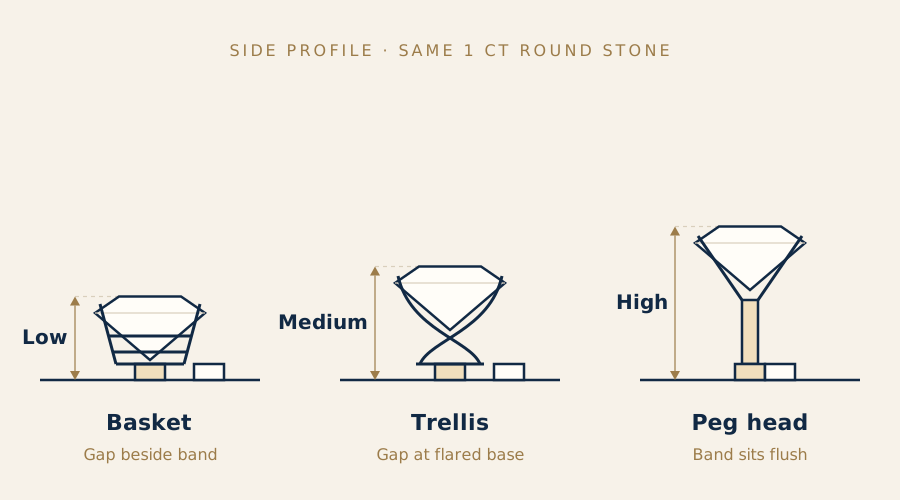
Height does not make the diamond look bigger face-up, since the stone is the same size from above, although a high head does make the ring more noticeable from the side. If face-up size is the goal, look at our guide to setting tricks that make a diamond look larger.
Which diamond shapes suit basket, trellis and peg head settings?
All three heads can be made for almost any shape, but some shapes have points or corners that need extra protection, and some heads are easier to adapt than others. Standard peg heads are mostly made for rounds and a few common fancy shapes; other shapes usually need a custom basket or trellis.
| Shape | Basket | Trellis | Peg head |
|---|---|---|---|
| Round | Excellent, 4 or 6 claws | Excellent | Excellent, widest choice of sizes |
| Oval | Very good | Very good | Good |
| Princess (square) | Very good with V-claws on corners | Good | Possible; corners need V-claws |
| Cushion | Very good | Very good, suits vintage looks | Good |
| Pear and marquise | Very good with a V-claw on each point | Good with V-claws | Possible, but points are exposed at height |
| Emerald and Asscher | Very good, often with corner claws | Good | Less common |
| Softer gems (Mohs 7.5–8) | Good, set low | Good, set low | Avoid high heads |
A V-claw is a V-shaped claw that wraps a corner or point so it cannot catch and chip. Princess cuts have four sharp corners, so read our guide to protecting the corners of a princess cut before choosing a high head. For the most popular shape, our page on claw and head choices for round diamonds goes into four versus six claws in more detail.
Pointed shapes need a claw on every tip; see how to secure the point of a pear and keeping both marquise tips safe. Cushions suit the softer side view of a trellis, covered in setting ideas for cushion cuts. Step cuts show every flaw in an uneven head, so compare emerald cut setting options and settings that suit a square Asscher. Unusual outlines such as the calf's head cut almost always need a custom-made basket, because no standard head fits their shape.
Diamond is 10 on the Mohs hardness scale, sapphire 9, while stones such as emerald, aquamarine and morganite sit around 7.5–8 and chip more easily. For those, a lower basket or trellis keeps the stone out of harm's way.
Does a wedding band sit flush with a basket, trellis or peg head?
Whether a straight wedding band sits flush (touching the engagement ring all the way along) depends mostly on how high the head is and where its lowest point sits, not only on the head style. The pavilion of a 1 ct round brilliant is roughly 2.5–3 mm deep, so the head needs to lift the stone at least that far above the band before there is room for a straight band to slide underneath.
- High peg head: usually leaves a clear gap under the stone, so a straight band sits flush. The downside is the height itself.
- Basket: a high basket clears a straight band; a low basket with a low rail often blocks it, leaving a small gap between the rings or needing a contoured band.
- Trellis: the crossed claws flare outwards near the shank, which can push a straight band away. Many trellis rings need a curved or notched band.
- Cathedral shoulders: metal arches rising up to the head lift it further and can help any of the three sit flush.
If a flush fit matters to you, say so before the head is made. A head can be designed with the rail higher, the claws gathered tighter at the base or a slightly taller gallery so a straight band fits. A CAD render of the side profile shows the fit before anything is cast, and it is far easier to adjust the design at that stage than to alter a finished ring.
How do basket vs trellis vs peg head settings wear over the years?
From the repair bench, the pattern is consistent. Claw tips wear first on every style, because they take the contact with desks, steering wheels and gym equipment. A tip that started at about 1.0–1.5 mm can wear thin within several years of daily wear, and once a tip no longer covers the girdle properly the stone can loosen. After that, each head has its own weak point.
- Basket: worn tips, and occasionally a rail that cracks where it joins a claw after a hard knock. Usually fixed by re-tipping (adding new metal to the tops of the claws).
- Trellis: worn tips, plus build-up and fine cracks at the crossing points. Repairs may involve rebuilding a pair of claws.
- Peg head: worn tips, a bent stem after a knock, or fatigue at the soldered joint. When the claws are too far gone, the whole head is cut out and a new one fitted.
Have the claws checked every 6–12 months, and straight away if the stone moves, a claw catches on fabric or you hear a faint click when you tap the stone. As an approximate guide, re-tipping costs around AUD $80–$200 per claw and a replacement head around AUD $300–$900 in 18ct gold, more in platinum or for custom shapes. Prices vary with metal, claw size and the work involved.
If you work with your hands, garden or lift weights, a lower basket or trellis will need less attention than a high peg head. Our guide to ring designs for active, hands-on lifestyles covers this, including claw-free options such as a flush (gypsy) setting sunk into the band. At the other extreme, tension and suspended designs hold the stone with pressure or minimal metal and need their own kind of care.
Related guideBest Engagement Ring Settings for Active HandsWhich metal suits a basket, trellis or peg head?
The metal matters as much as the head style. Platinum is dense and tends to move rather than wear away when it is knocked, so platinum claws keep their bulk for longer and are a common choice for high peg heads and fine trellis claws. 18ct gold is slightly harder to the touch but loses a little metal over time; 18ct white gold is usually rhodium plated (a thin bright-white coating) and needs replating every year or two to stay bright. Many people choose a platinum head on a gold band to get hard-wearing claws with a yellow or rose gold look.
A custom head also lets you combine features: a basket rail with a small trellis cross on the side, a peg head with an extra low rail for strength, or a six-claw trellis for a larger stone. Seeing a CAD render and then the finished ring side by side is the clearest way to judge the side profile and height before you commit.
Create your ring or browse ring settings
How do you choose between a basket, trellis and peg head? Step by step
- Start with your hands. Daily, hands-on wear points to a lower basket or trellis; careful wear allows a high peg head.
- Check your stone's shape. Pointed or cornered shapes need V-claws; unusual shapes usually need a custom basket.
- Choose the height. Ask for the distance from the finger to the top of the stone in millimetres, not just low or high.
- Decide on the side view. Clean rails (basket), a decorative X (trellis) or a minimal stem (peg head).
- Plan the wedding band now. Confirm whether a straight band will sit flush or whether you need a contoured one.
- Pick the claw metal. Platinum claws hold up well for high or fine heads; 18ct gold needs regular checks.
- Book regular checks. Have the claws and the style's weak point inspected every 6–12 months.
Free consultation
Talk to a gemologist
Compare stones in person or online with Raj Sood, Graduate Gemologist (GIA), AJP (GIA).
Book a consultationShop this shape
FAQ
Common questions
What is the difference between a basket and a trellis setting?
A basket joins its claws with one or two horizontal rails, while a trellis has claws that curve and cross each other in an X pattern. Both look similar from above; the difference is the side view, the height and where the setting wears.
Are basket settings secure?
Yes. The rails brace every claw against its neighbours, so a knock is shared across the whole head. Like any claw setting, the tips still wear and should be checked every 6–12 months.
Is a peg head setting weaker?
Not if it is well made with solid claws and a sound joint. It does rely on a single joint and usually sits higher, so it takes more leverage from knocks than a low basket.
Will a wedding band sit flush with a trellis setting?
Often not with a straight band, because the crossed claws flare out near the shank. A curved band, or a trellis designed with a taller gallery, usually solves it.
Can a worn peg head be replaced?
Yes. A jeweller can cut out the old head and solder in a new one, often without remaking the band. It is also a common way to fit a larger stone later.
Which setting is easiest to clean?
A peg head, because its gallery is fully open, followed by a basket. A trellis collects more soap and lotion at the crossing points, so it needs a soft brush more often.
Terms in this guide

Ask a gemologist
Not sure which diamond to choose?
Raj Sood is a Graduate Gemologist (GIA) and master jeweller. Bring the stones you are considering, or send the reports, and he will tell you honestly which one is better and why.
Keep learning
Related guides
 Engagement Rings & SettingsDiamond & Gemstone Setting Guide
 Engagement Rings & SettingsBest Engagement Ring Settings for Active Hands
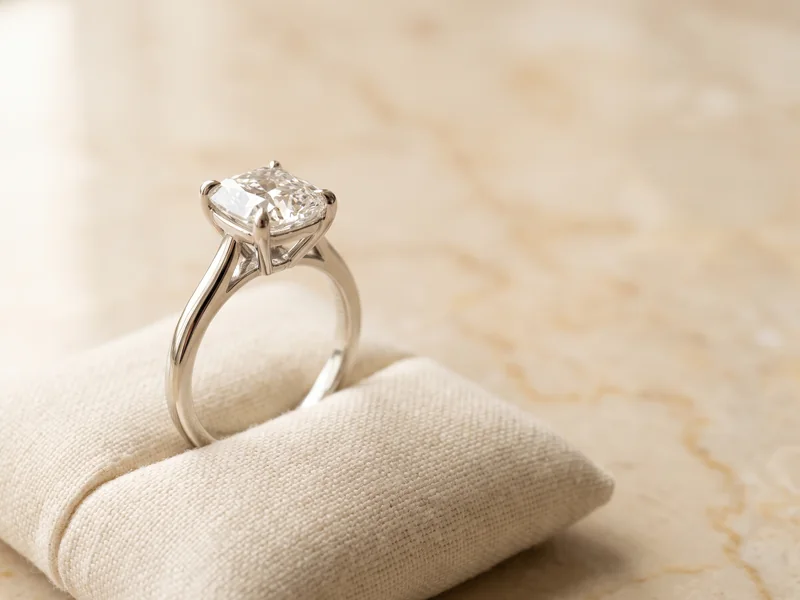 Engagement Rings & SettingsSettings That Make a Diamond Look Bigger
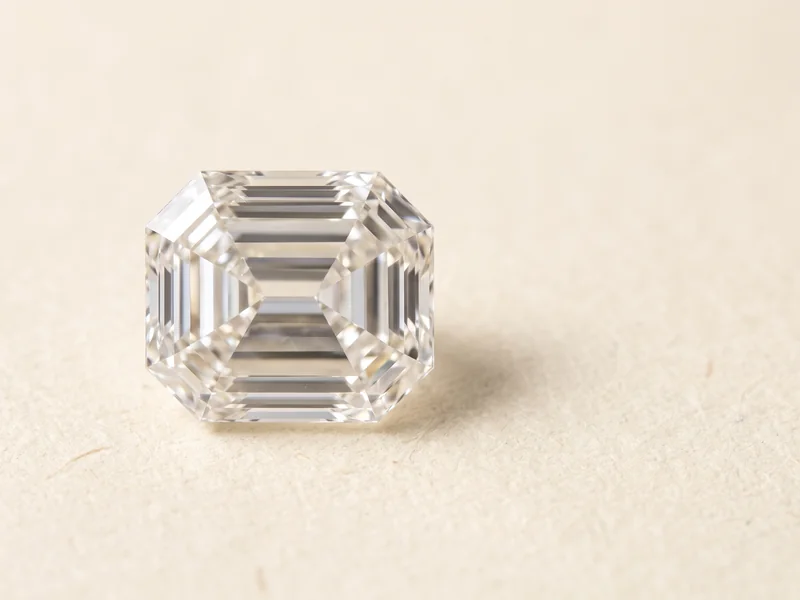 Diamond ShapesCalf's Head Cut Diamonds
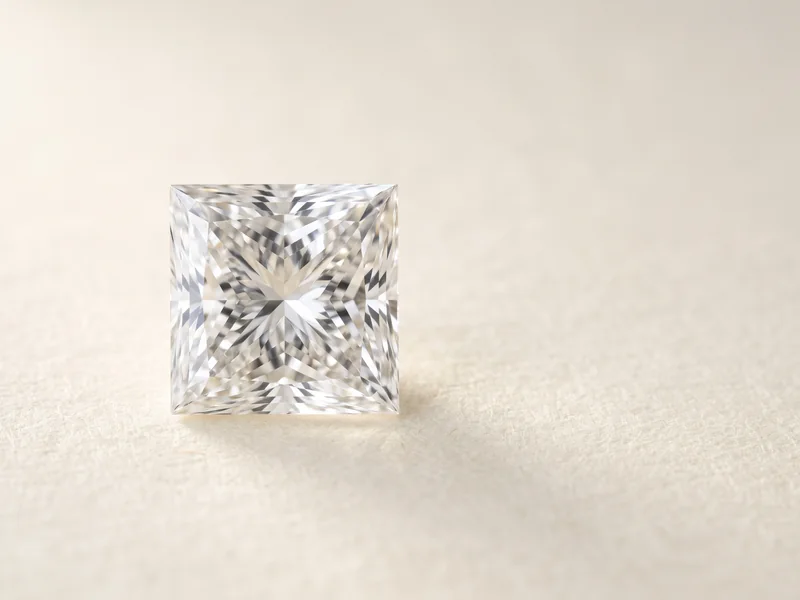 Engagement Rings & SettingsBest Settings for Princess Diamonds
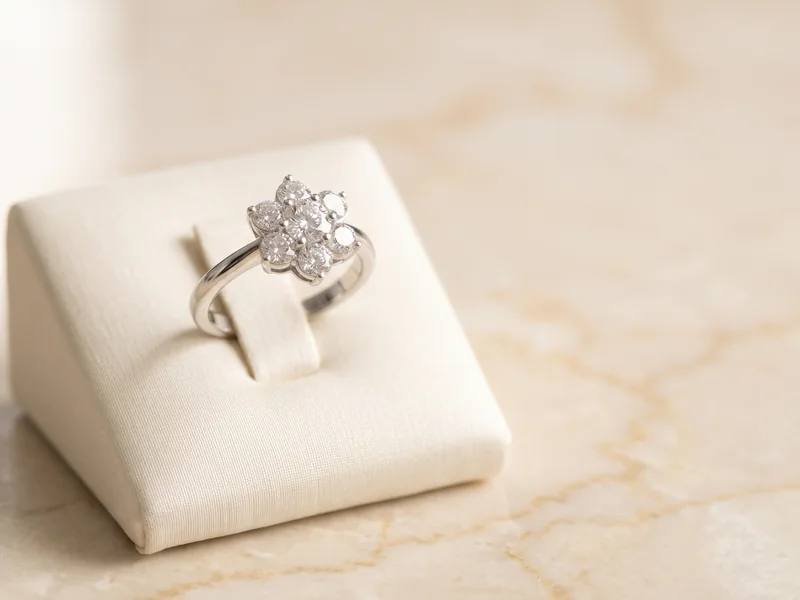 Engagement Rings & SettingsFloral Engagement Ring Settings
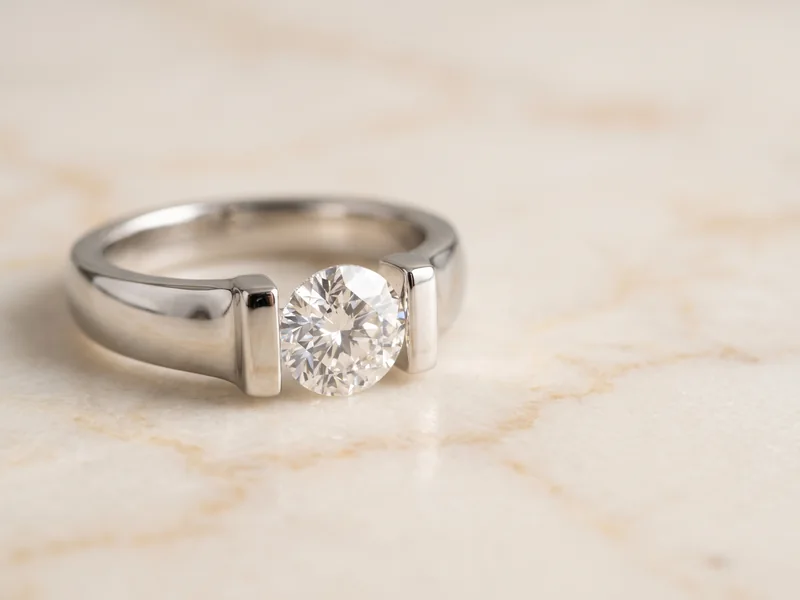 Engagement Rings & SettingsTension and Suspended Settings
Explore more
More guides on this topic
Education