
GemTrove
Solitaire Engagement Rings
Solitaire engagement ring guide covering centre stone shapes, setting styles, metals, natural or lab-grown diamonds, gemstones and custom design process.
Timeless, clean and focused on the centre stone
A solitaire ring is one of the most traditional engagement ring styles because it
keeps attention on the main diamond or gemstone.
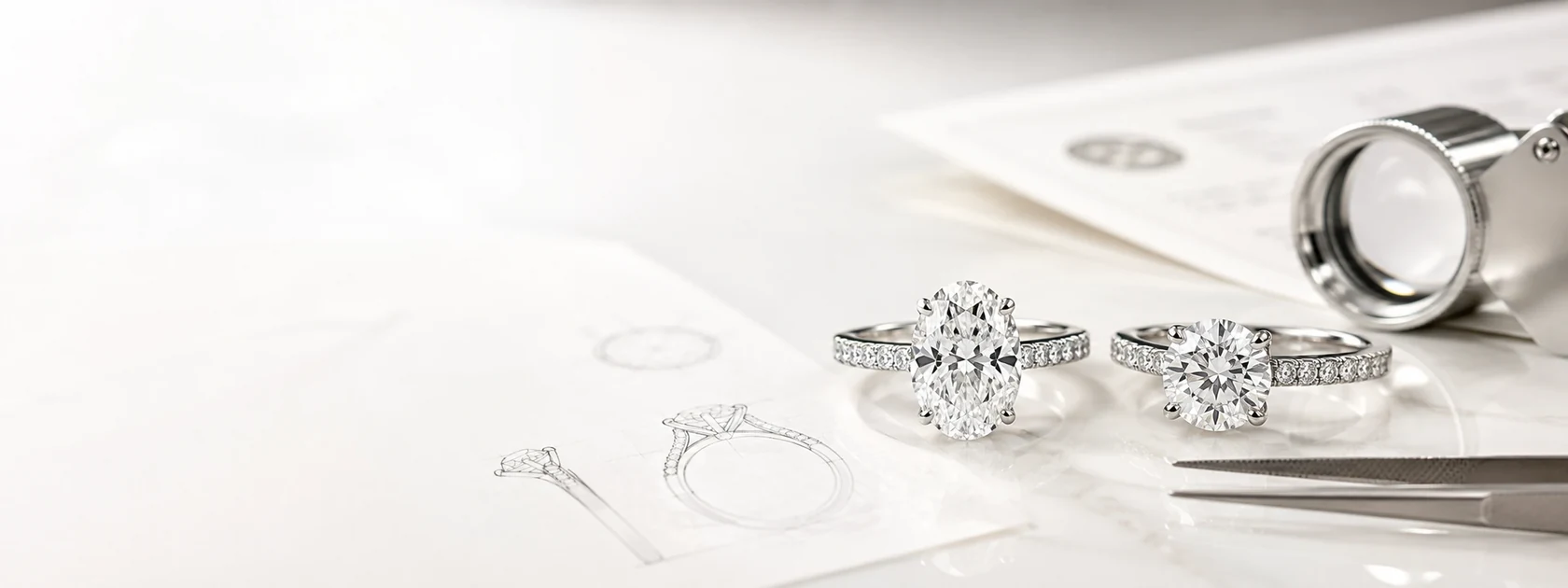
CLASSIC DIAMOND ENGAGEMENT RING STYLE
Solitaire engagement rings place the centre diamond or gemstone at the heart
of the design. Explore round, oval, pear, emerald, cushion, radiant, asscher,
princess and marquise solitaire rings with GemTrove’s custom design guidance.
View Solitaire Rings Start Ring Builder
GemTrove can custom make solitaire rings in yellow gold, white gold, rose gold,
platinum and selected precious metals, using natural diamonds, lab-grown
diamonds or coloured gemstones.
GemTrove helps customers compare solitaire engagement rings by diamond shape, setting style, metal and custom
design options.
What is a solitaire engagement ring?
A solitaire engagement ring features one main centre stone, usually a diamond, set as the
focus of the ring. The design may be simple and classic, or it may include refined details
such as double claws, hidden accents, a cathedral profile, a tapered band or a custom
basket setting.
At GemTrove, customers can browse solitaire engagement rings, explore the ring builder, compare
diamond 4Cs, and choose from natural diamonds, lab-grown diamonds or coloured gemstones with
gemologist-led guidance.
Solitaire diamond shapes
The centre stone shape has the strongest influence on the look of a solitaire engagement
ring. Each diamond shape has different sparkle, spread, ratio, durability and setting
considerations.
shape
Solitaire look Important buying chec
Round
brilliant
Classic, bright and timeless with strong
sparkle.
Cut grade, table, depth
angle, polish and symm
Oval cut Elegant, elongated and flattering on the
finger.
Bow-tie effect, length-t
balance and face-up spr
Pear cut Graceful teardrop shape with a soft
romantic look.
Bow tie, point protectio
shape and ratio.
Emerald cut Elegant step-cut shape with clean lines
and understated sparkle.
Clarity visibility, windo
symmetry and corner p
Cushion cut Soft square or elongated outline with
vintage charm.
Faceting style, centre br
and ratio.
Radiant cut Modern sparkle with clipped corners and
strong presence.
Bow-tie risk, centre bri
ratio.
Princess cut Sharp, modern and geometric with a
square outline.
Corner protection, tabl
secure setting design.
Marquise cut Dramatic, elongated and high-spread with
vintage character.
Bow tie, point protectio
tip alignment.
Asscher cut Art Deco step-cut style with a square
architectural look.
Clarity visibility, symm
and corner protection.
For fancy shapes, also read the Diamond Length-to-Width Ratio Guide and Diamond Bow-
Tie Effect.
Classic claw solitaire
A traditional claw-set solitaire allows light around the centre stone and keeps the ring clean,
refined and timeless.
Double prong solitaire
Double prongs add a refined design detail and can give extra visual definition to oval,
emerald, cushion, radiant and elongated stones.
Cathedral solitaire
A cathedral profile raises the centre setting with graceful shoulders, giving the ring a more
structured and elegant side view.
Bezel solitaire
A bezel setting frames the centre stone with metal and can be useful when extra protection
or a modern clean look is preferred.
Hidden detail solitaire
Some solitaire rings include subtle design details under the stone, such as a fine gallery,
hidden diamond, bridge detail or personal engraving.
Coloured gemstone solitaire
Sapphire, ruby, emerald and other gemstones can be used as the centre stone, provided the
design suits the gemstone’s durability and care needs.
Browse solitaire rings with filters
The GemTrove solitaire category page helps customers browse available designs and filter by
shape, style, metal and other options. Availability and product count may change as designs
are added or updated.
Filter type Examples customers may use
Diamond
shape
Pear, radiant, oval, emerald, cushion, asscher, princess, marquise and r
Ring style Claw, double prong, micro prong, French pavé, micro pavé, flush set a
refined details.
Metal Rose gold, yellow gold, white gold, platinum and selected precious me
Centre stone Natural diamonds, lab-grown diamonds and suitable coloured gemsto
Natural diamonds, lab-grown diamonds and gemstones
A solitaire engagement ring can be made with a natural diamond, lab-grown diamond or coloured
gemstone. The right centre stone depends on budget, origin preference, size, shape, certificate, setting
style and long-term expectations.
Diamond options
Natural diamonds for traditional rarity and geological origin.
Round, oval, pear, emerald, cushion, radiant, princess, marquise and asscher shapes.
Certificate review plus visual inspection.
Gemstone options
Sapphire solitaire engagement rings.
Ruby solitaire rings.
Emerald solitaire rings with protective design guidance.
Other coloured gemstones where suitable.
Birthstone or heirloom gemstone solitaire rings.
Helpful pages include Lab-Grown Diamonds vs Natural Diamonds, Gemstones, Custom Jewellery
and Bring Your Own Diamond or Gemstone Setting.
Metals for solitaire engagement rings
The metal colour changes the overall look of a solitaire ring. GemTrove can discuss yellow
gold, white gold, rose gold, platinum and selected precious metal options depending on the
design, stone and wear requirements.
Metal Best suited for Design guidance
Yellow
gold
Classic, warm and traditional solitaire
rings.
Pairs beautifully with rou
gemstone solitaires.
White
gold
Clean white-metal diamond solitaire
designs.
Popular for diamond rin
needed over time.
Rose gold Soft, romantic and vintage-inspired
solitaire rings.
Works well with warm d
selected gemstones.
Platinum Premium solitaire settings and long-term
daily wear.
Often chosen for secure d
Custom solitaire ring design process
Step What happens Wh
1. Choose the centre
stone
Compare natural diamonds, lab-grown diamonds or gemstones
by shape, size, certificate and appearance.
The
of th
2. Select the setting
style
Discuss claw, double prong, bezel, cathedral, hidden detail or
custom setting options.
The
mat
3. Choose the metal Select yellow gold, white gold, rose gold, platinum or another
suitable precious metal.
Met
and
4. Review proportions Check stone height, band width, setting balance, finger
coverage and comfort.
A w
and
5. CAD design where
suitable
CAD design can help plan the ring before making, especially
for custom or unusual centre stones.
This
beg
6. Making and final
inspection
The ring is made, the stone is set and the finished piece is
checked for stone security, finish and comfort.
Fina
coll
Helpful GemTrove links
Solitaire category
Browse solitaire rings
View engagement rings
Ring builder
Create your ring
Round shape guide
Oval shape guide
Pear shape guide
Emerald shape guide
Cushion shape guide
Radiant diamonds
Radiant shape guide
Princess diamonds
Princess shape guide
Marquise diamonds
Marquise shape guide
Book appointment
Book a GemTrove appointment
Solitaire Engagement Rings FAQs
What is a solitaire engagement ring?
A solitaire engagement ring features one main centre stone as the focus of the ring. It may be simple
and classic, or custom designed with details such as double claws, cathedral shoulders or a hidden
gallery.
Which diamond shape is best for a solitaire ring?
sparkle, finger coverage and budget.
Can GemTrove make a custom solitaire engagement ring?
Yes. GemTrove can custom make solitaire engagement rings in different diamond shapes, setting
styles, metals and centre stone options.
Can I choose a lab-grown diamond for a solitaire ring?
Yes. GemTrove offers both natural diamonds and lab-grown diamonds, with certificate guidance and
clear disclosure.
Can a coloured gemstone be used in a solitaire engagement ring?
Yes. Sapphire, ruby, emerald and other gemstones may be suitable, depending on durability, setting
protection and wear expectations.
What metal is best for a solitaire engagement ring?
Yellow gold, white gold, rose gold and platinum are popular choices. The best metal depends on
preferred colour, budget, durability and how the ring will be worn.
Are pear, oval and marquise diamonds good for solitaire rings?
Yes, but these shapes should be checked carefully for bow-tie effect, length-to-width ratio, symmetry
and point or tip protection where relevant.
Can I bring my own diamond for a solitaire setting?
Often, yes. GemTrove can assess your own diamond or gemstone and discuss whether it is suitable for
a custom solitaire setting.
Can GemTrove help compare GIA and IGI certificates?
Yes. GemTrove can help explain GIA and IGI diamond certificate details, including carat, colour,
clarity, cut, measurements, polish, symmetry and fluorescence.