
- Education
- Engagement Rings & Settings
- Right Hand Ring Guide: Meaning, History, Anatomy and Styles
Engagement Rings & Settings
Right Hand Ring Guide: Meaning, History, Anatomy and Styles
A right hand ring carries no rules, which is exactly why choosing one can feel harder than choosing an engagement ring. Here is what it means, where the idea came from, how a ring is built and which styles and stones suit the hand you use most.
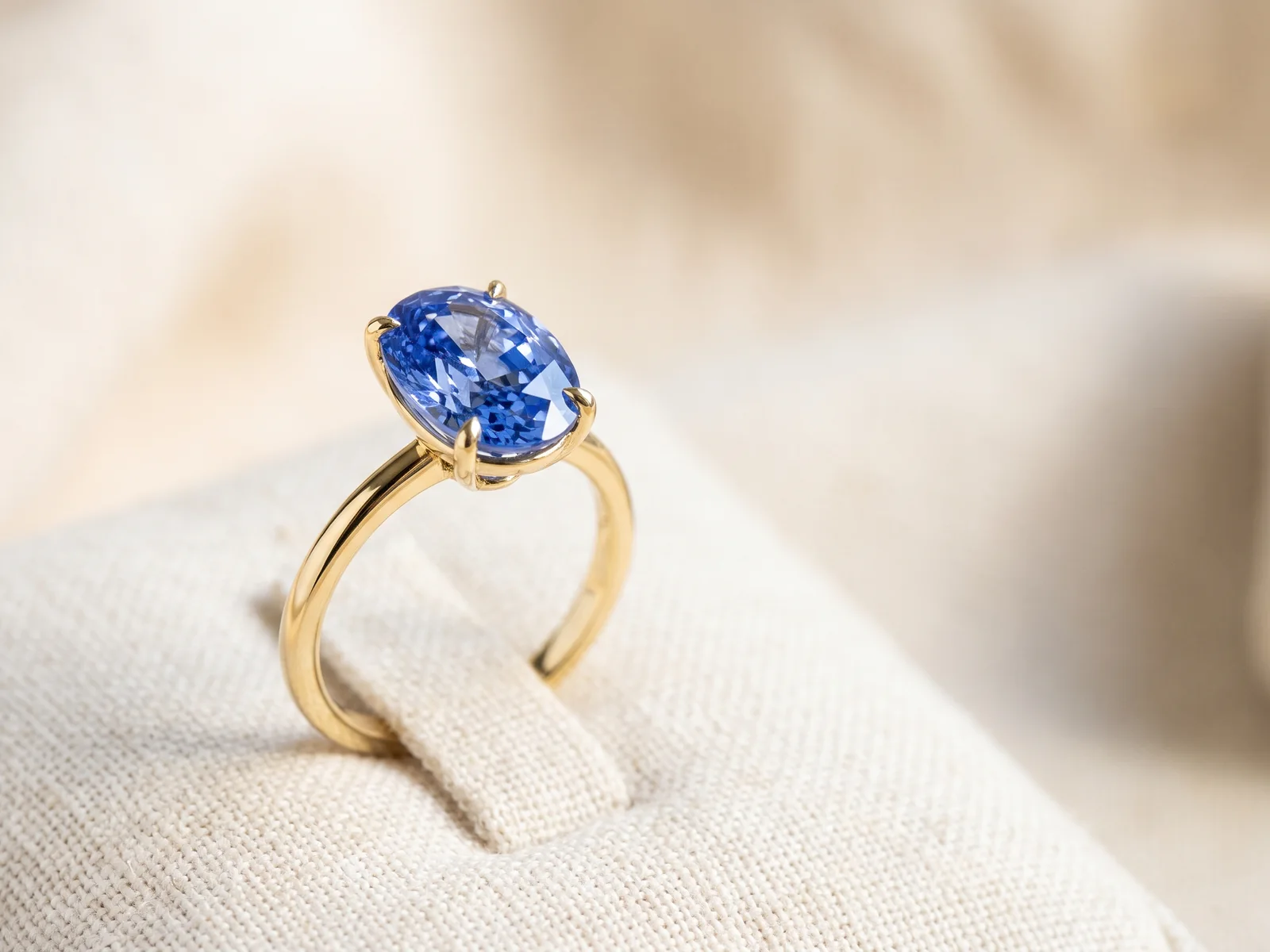
 Reviewed by Raj Sood, Graduate Gemologist (GIA), AJP (GIA)Master jeweller and Graduate Gemologist (GIA) · reviewed 4 November 2026
Quick answer
A right hand ring is any ring worn on the right hand that is not an engagement or wedding ring. It usually marks a personal milestone or is worn for style. There is no fixed finger or rule: most people choose the right ring finger or middle finger, with a gemstone or diamond set low enough for daily wear.
What is a right hand ring?
A right hand ring is simply a ring you wear on your right hand that is not your engagement ring or wedding band. In Australia, where engagement and wedding rings traditionally go on the left ring finger, the right hand is the free hand: the place for a ring you choose for yourself, inherit, or receive for a reason other than marriage.
That freedom covers a wide range of jewellery. A right hand ring might be a slim diamond band, a three-stone ring, a family signet, a coloured gemstone cluster or a large cocktail ring. What links them is intent rather than design. It is not a promise of marriage, which is where it differs from the rings in our guide on how a promise ring differs from other rings.
There is one important exception. In a number of countries the wedding ring itself is worn on the right hand, so for many migrant families in Australia a ring on the right ring finger does mean marriage. We cover this in the history section, and the full story sits in the long history of wedding rings. If a ring term below is new to you, our glossary of ring and setting terms explains it.
What does a right hand ring mean?
There is no official right hand ring meaning, and that is the point. People tend to buy or give them for a handful of reasons:
- A personal milestone: a big birthday, a graduation, a promotion, paying off a mortgage or finishing a hard year.
- Independence: a ring bought for yourself, with no one else's permission or proposal involved.
- Family and inheritance: a grandmother's ring that does not fit the engagement ring finger, or a remodelled heirloom.
- Faith or culture: a wedding ring on the right hand, or a ring worn for a religious or community reason.
- Pure style: a coloured stone or bold design you would not wear as an engagement ring.
The modern idea of the right hand diamond ring as a marketing category is fairly recent. In the early 2000s the diamond industry ran advertising aimed at women buying diamonds for themselves, built around the line "raise your right hand". The jewellery that campaign promoted was mostly floral, cluster and open-work designs, deliberately unlike a classic solitaire. The habit of wearing meaningful rings on the right hand, though, is centuries older.
Where did the right hand ring tradition come from?
The preference for the left hand in English-speaking weddings is often traced to the Roman belief in a vena amoris, a "vein of love" thought to run from the fourth finger of the left hand to the heart. It is not anatomically true, but it stuck. Many other traditions went the other way. Wedding rings are commonly worn on the right hand in countries including Germany, Norway, Denmark, Poland, Russia, Greece and India, and in a Jewish wedding the ring is traditionally placed on the bride's right index finger during the ceremony.
Rings that were not about marriage were also worn on the right hand. Signet rings, engraved with a family crest or initials and pressed into sealing wax, were often worn on the little finger. In the 1920s and 1930s, large statement rings worn at parties became known as cocktail rings, and they remained popular through the bold gold designs of the 1940s.
Because so many right hand rings are inherited, it helps to recognise the era a ring comes from. These are the details we look for when an antique ring comes in to be repaired or remade:
| Era (approximate) | Typical right-hand ring | Details to look for |
|---|---|---|
| Georgian, about 1714–1837 | Clusters, giardinetti (flower basket) rings | Closed-back settings, foil behind stones, rose cut and old mine cut diamonds, silver set on gold |
| Victorian, 1837–1901 | Serpent rings, half-hoops, mourning rings | Snakes, hearts and flowers; garnet, turquoise, seed pearl, black enamel and jet |
| Edwardian, about 1901–1915 | Lacy cluster and navette (marquise-shaped) rings | Platinum, fine milgrain beading, knife-edge shanks, old European cut diamonds |
| Art Deco, about 1920–1935 | Geometric plaques and cocktail rings | Calibré-cut sapphires and emeralds, step cuts, strong symmetry, pierced platinum |
| Retro, about 1935–1950 | Large cocktail rings | Rose and yellow gold scrolls and ribbons, big synthetic rubies and spinels, citrine and aquamarine |
You can read more about Victorian and Edwardian ring details, the clean geometry of Art Deco rings from the 1920s and 1930s and the pierced, lace-like metalwork in our guide to filigree galleries and hand-pierced metalwork. Many of these styles were made as dress rings first and only later adopted for engagements.
What are the parts of a right hand ring?
A right hand ring is built from the same parts as an engagement ring. Knowing the names makes it much easier to describe what you want, or what needs fixing on an old ring.
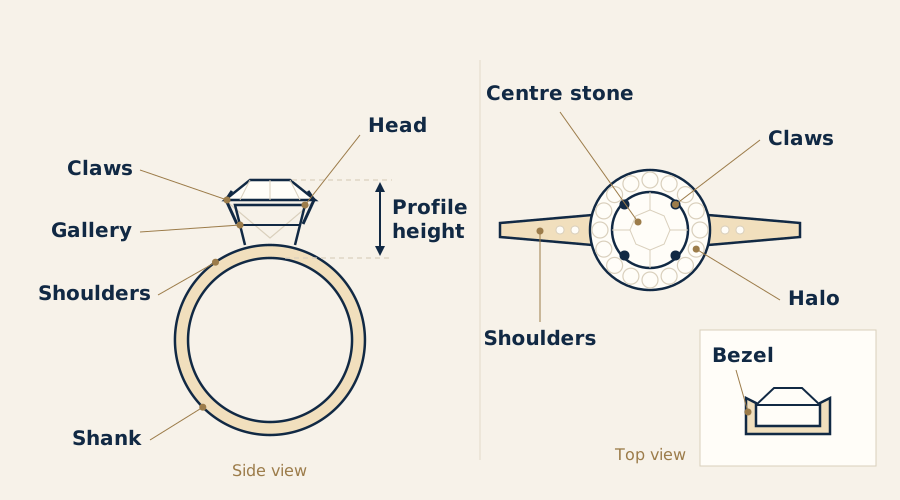
- Shank: the band that goes around the finger. Usually about 1.8–3 mm wide on a dress ring, wider on a signet or cocktail ring.
- Shoulders: where the shank rises to meet the top. They often carry small diamonds or carved detail.
- Head: the part that holds the centre stone or stones.
- Claws (prongs): small metal tips that grip the stone. Four or six claws are most common.
- Bezel: a rim of metal around the stone's edge instead of claws. Very secure.
- Gallery: the side view under the stone, from open wire to pierced filigree.
- Halo: a ring of small stones around the centre stone.
- Profile height: how far the top of the stone sits above the finger. Lower is more practical on a working hand.
The way a head is put together changes how a ring wears. Our guide to claw, bezel and other setting styles compares them in detail. How the metal is formed matters too: a ring can be cast from a wax or 3D-printed model, or built by hand from wire and sheet, and our page on cast and hand-fabricated construction explains the trade-offs. If you like a framed centre stone, see a halo versus a hidden halo for the side-on difference.
Not sure which one is right?
Send us the stones you are looking at and our gemologist will tell you which to choose and why.
Which finger should you wear a right hand ring on?
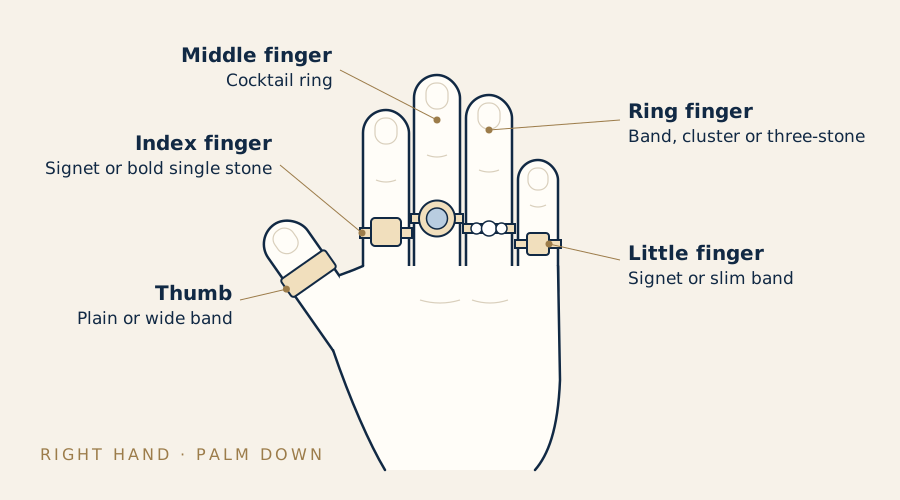
Any finger works. Each one changes how the ring looks and how much it gets knocked. Here is how most people decide:
| Finger | What it suits | Things to know |
|---|---|---|
| Ring finger | Bands, clusters, three-stone rings, heirlooms | The most common choice; in some cultures it signals marriage |
| Middle finger | Cocktail rings and wide statement tops | Longest finger, so larger designs look balanced; knocks doors and benches more |
| Index finger | Signets, bold single stones, stacked bands | Very visible and active; suits low, sturdy designs |
| Little finger | Signets and slim bands | Traditional signet finger; small sizes mean small tops |
| Thumb | Plain or wide bands | Needs a large size and a smooth inside edge to pass the knuckle |
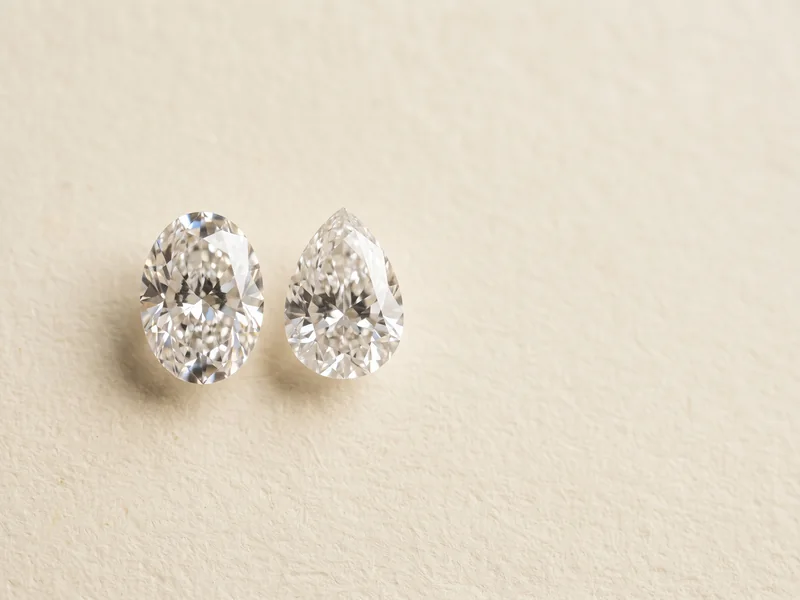
Hand shape matters as much as finger choice. A long oval or marquise can make a short finger look longer, while a wide cluster can overwhelm a slim hand. Our guide to diamond shapes that flatter small hands or long fingers shows the effect with measurements.
Size is the other practical issue. Australia uses letter sizes (roughly A to Z), and many right-handed people find their right hand is about half a size larger than the left. A ring sized from your engagement ring may be too tight on the other hand.
What are the most popular right hand ring styles?
Because a right hand ring does not have to look like an engagement ring, people tend to be more adventurous with shape, colour and height. The main styles compare like this:
| Style | What it looks like | Profile | Everyday wear |
|---|---|---|---|
| Diamond or gemstone band | A row of stones set in claws, channel or grain setting | Low | Very practical |
| Three-stone | Three stones in a row, often a larger centre | Medium | Good with a sturdy head |
| Cluster | Several stones grouped into one shape | Medium | Good; check every small claw yearly |
| Floral | Petal-shaped stones or metal around a centre | Medium to high | Moderate; petals can catch |
| Single or double halo | One or two rings of small stones around a centre | Medium | Good; halo shields the centre's edge |
| Toi et moi or asymmetric | Two stones side by side or an off-centre design | Medium | Good; depends on the stones |
| Cocktail | A large centre gem or dome, 15–25 mm across | High | Occasional wear |
| Signet | A flat engraved or plain top on a heavy shank | Low | Very practical |
Flowers are one of the oldest right hand ring motifs, and our page on floral and petal-shaped settings covers how they are built. For more sparkle around a smaller centre, compare single halo rings with two concentric rows in a double halo. Many people also choose a right hand ring precisely because they want something less symmetrical; see our guide to asymmetrical and toi et moi layouts.
Related guideFloral Engagement Ring SettingsWhich gemstones suit a right hand ring?
Your right hand is, for most people, the hand that opens jars, carries shopping and leans on benches, so stone durability matters. Hardness on the Mohs scale (1 to 10) measures scratch resistance; toughness, how well a stone resists chipping, matters just as much. As a rough guide, stones of Mohs 7 and above cope with daily wear, and softer stones are better in protective settings or for occasional rings.
| Gemstone | Mohs hardness | Daily wear on the right hand |
|---|---|---|
| Diamond (natural or lab-grown) | 10 | Excellent; can still chip on a hard knock |
| Sapphire and ruby (natural or lab-created) | 9 | Excellent |
| Spinel | 8 | Very good |
| Aquamarine and morganite | 7.5–8 | Good |
| Emerald | 7.5–8 | Careful; often included and treated, prone to chipping |
| Tourmaline | 7–7.5 | Good |
| Amethyst and citrine | 7 | Good; may fade over years in strong sun |
| Tanzanite | 6–7 | Careful; bezel or protected setting |
| Opal | 5.5–6.5 | Careful; occasional wear or a bezel |
| Pearl | 2.5–4.5 | Occasional wear only |
Diamonds are available as natural or lab-grown (laboratory-grown). Both are real diamond, with the same hardness and a refractive index of about 2.42; lab-grown diamonds cost much less, which makes larger clusters and cocktail tops more affordable. Coloured stones can also be natural or lab-created, for example lab-created sapphire, which has the same hardness as natural sapphire. A grading report or the jeweller's documentation should always say which you are buying.
Australian opal is a popular right hand choice. Solid opal is reasonably durable in a bezel, while doublets and triplets (thin opal layers backed or capped with other material) should be kept away from water.
Create your own right hand ring: settings and stones
How much does a right hand ring cost in Australia?
Price depends on the metal, the stones and how the ring is made. These broad ranges are a starting point only; prices move with metal and diamond markets.
| Type of right hand ring | Approximate price range (AUD) |
|---|---|
| Gemstone or small-diamond band, 9ct gold | about $500–$1,500 |
| Diamond cluster or halo, 18ct gold | about $2,000–$6,000 |
| Lab-grown diamond cocktail ring, 2–3 ct total, 18ct gold | about $2,500–$7,000 |
| Natural sapphire three-stone, 18ct gold | about $3,000–$10,000 |
| Natural diamond cocktail ring, 2 ct+ total | about $8,000–$25,000 or more |
Metal choice affects both price and wear. 18ct gold (75% gold) has a richer colour; 9ct gold (37.5% gold) is harder-wearing and costs less; platinum is dense and holds claws well. If your hands work hard, the advice in low-profile settings for busy hands applies equally to a right hand ring, and our guide to bands built for tradies and hands-on work covers widths and profiles that resist denting.
Custom-made right hand rings are common, especially when an heirloom stone is being reset. A CAD (computer-aided design) model lets you see the head height, shoulder shape and gallery from every angle before any metal is cast.
How do you choose a right hand ring? Step by step
- Decide what it is for. A milestone, an heirloom, faith, or style. This guides how bold or classic it should be.
- Choose the finger. Ring finger for a classic look, middle finger for larger tops, index or little finger for signets and bands.
- Get sized on the right hand. Measure late in the day and check the ring passes the knuckle; allow extra room for wide designs.
- Match the stone to your life. Mohs 7+ for daily wear; softer stones like opal or tanzanite in a bezel or for occasional wear.
- Check the profile height. Lower settings suit busy hands; high cocktail tops suit occasional wear.
- Confirm natural, lab-grown or lab-created. Ask for the grading report or written documentation for every main stone.
- Plan the maintenance. Have claws and small stones checked about once a year, especially on clusters and floral designs.
Free consultation
Talk to a gemologist
Compare stones in person or online with Raj Sood, Graduate Gemologist (GIA), AJP (GIA).
Book a consultationShop this shape
FAQ
Common questions
What does a ring on the right ring finger mean?
In Australia it usually means nothing more than personal choice, a milestone or style. In countries such as Germany, Norway, Poland, Russia and India, though, the wedding ring is traditionally worn on the right hand, so for some people it does signal marriage.
Can a man wear a right hand ring?
Yes. Signets, plain or textured bands and gemstone rings are commonly worn by men on the right hand, often on the little or index finger.
Is a right hand ring the same as a promise ring?
No. A promise ring signals a commitment between two people, while a right hand ring has no set meaning and is often bought for yourself. A promise ring can be worn on the right hand, which is where the two overlap.
Can I wear my engagement ring on my right hand?
Yes. Many people move it to the right hand after marriage, during pregnancy when fingers swell, or after a loss. You may need it resized, as the right hand is often about half a size larger.
What is a cocktail ring?
A cocktail ring is a large statement ring, usually with a big centre gem or cluster 15–25 mm across. The style became popular in the 1920s and 1930s and is usually worn on the middle or ring finger of the right hand.
Should a right hand ring match my engagement ring?
It does not have to. Many people match the metal colour so the hands look balanced, but the stones and style can be completely different.
Terms in this guide

Ask a gemologist
Not sure which diamond to choose?
Raj Sood is a Graduate Gemologist (GIA) and master jeweller. Bring the stones you are considering, or send the reports, and he will tell you honestly which one is better and why.
Keep learning
Related guides
 Engagement Rings & SettingsPromise Rings Explained
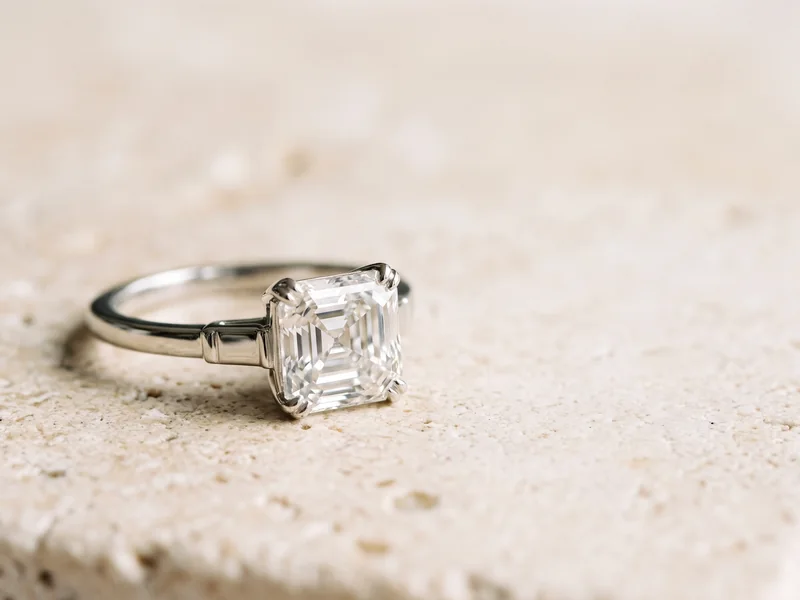 Engagement Rings & SettingsArt Deco Engagement RingsEngagement Rings & SettingsEngagement Ring Setting Styles Guide
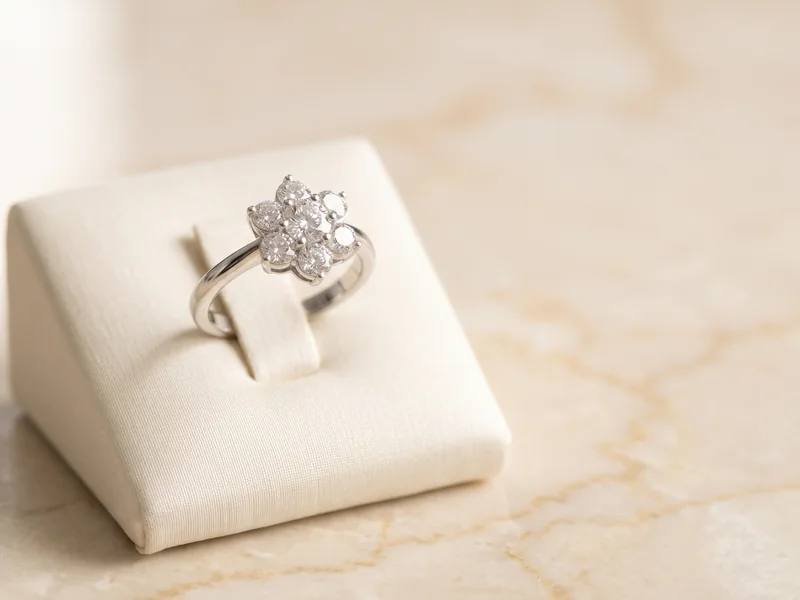 Engagement Rings & SettingsFloral Engagement Ring Settings
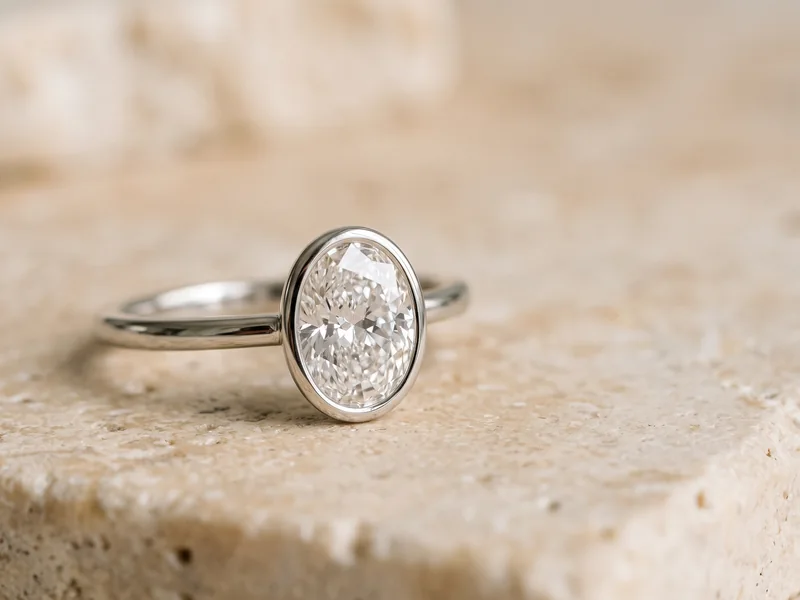 Engagement Rings & SettingsBest Engagement Ring Settings for Active Hands
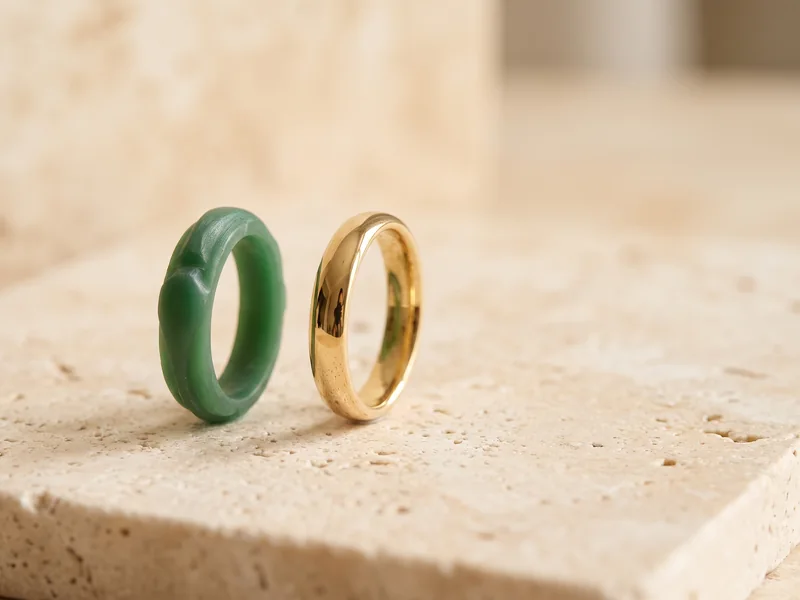 Buying Knowledge & Custom ProcessCast vs Hand-Fabricated Jewellery
 Diamond ShapesBest Diamond Shapes for Small Hands and Long Fingers
 Wedding Bands & EternityHow to Choose a Men’s Wedding Band for Hands-On Work
Explore more
More guides on this topic
Education