
- Education
- Care, Repairs & Remodelling
- Rhodium Replating Schedule: How Often to Replate White Gold
Care, Repairs & Remodelling
Rhodium Replating Schedule: How Often to Replate White Gold
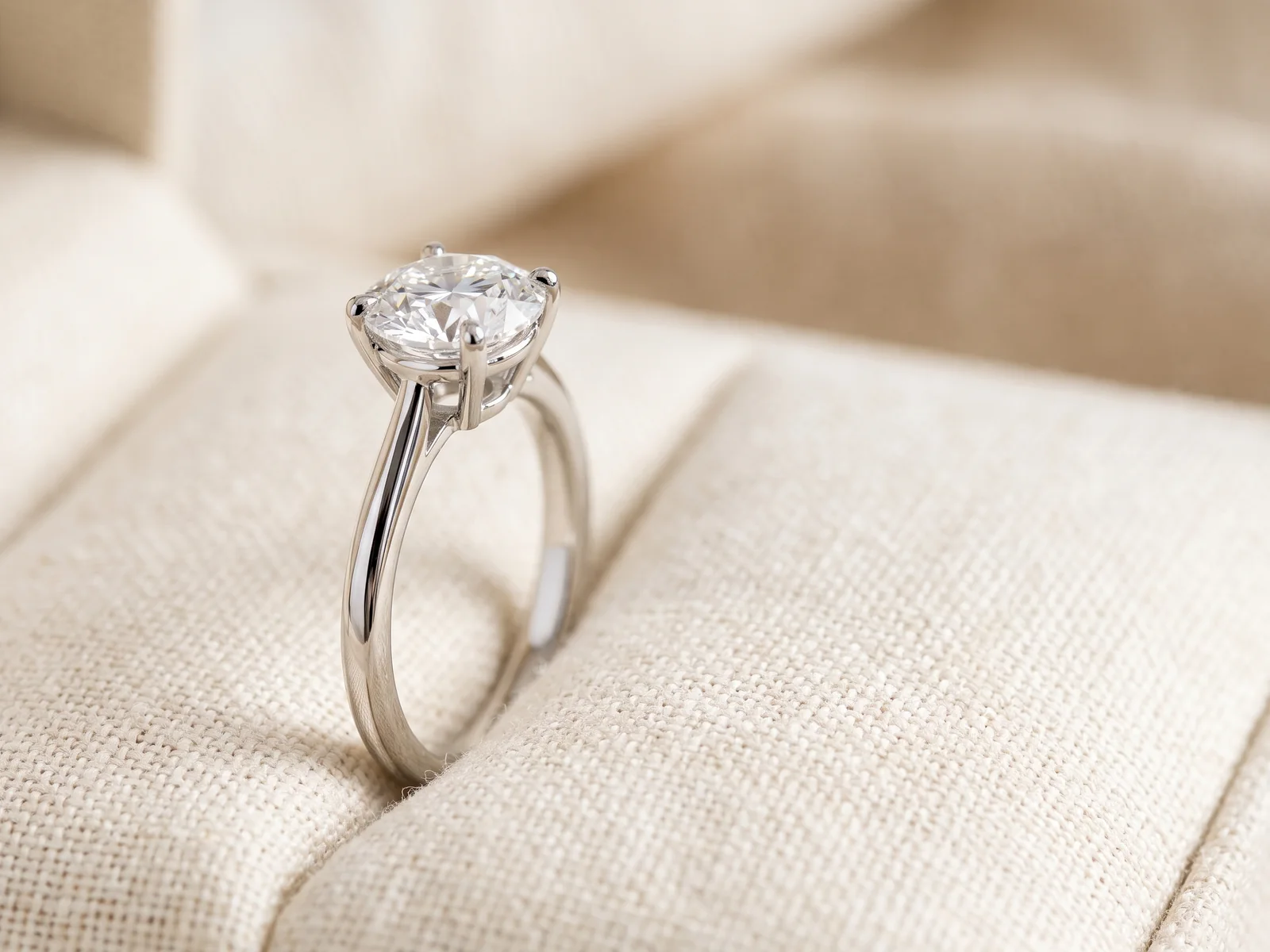
White gold gets its bright white finish from a very thin layer of rhodium that slowly wears away. A sensible rhodium replating schedule keeps your ring looking white without polishing away more metal than it needs to.
 Reviewed by Raj Sood, Graduate Gemologist (GIA), AJP (GIA)Master jeweller and Graduate Gemologist (GIA) · reviewed 4 November 2026
Quick answer
Most white gold rings need rhodium replating every 12–18 months if worn daily, and wedding bands every 6–12 months because they rub against everything. Pendants and earrings can go two to three years or more. Replate when you see a yellowish tint, usually on the palm side, and have the claws checked at the same visit.
What is a rhodium replating schedule?
A rhodium replating schedule is simply a plan for how often a piece of white jewellery goes back to the jeweller to have its rhodium layer renewed. Rhodium is a rare, hard, very white metal from the platinum family. Jewellers apply it by electroplating: the piece sits in a rhodium solution while a small electric current deposits a thin, even coat of metal over the surface. Our guide to how rhodium plating and replating work explains the chemistry in more depth.
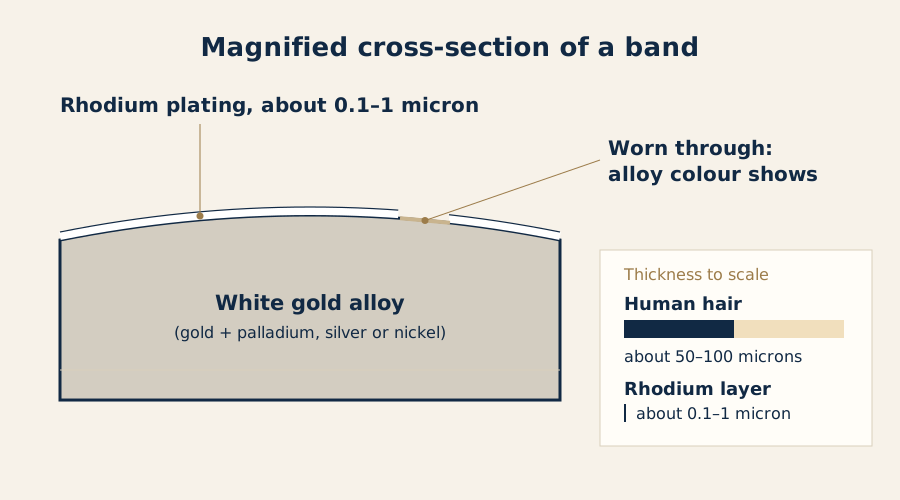
The coat is extremely thin, usually somewhere between about 0.1 and 1 micron (a micron is a thousandth of a millimetre), and most often around 0.25–0.5 micron on rings. For comparison, a human hair is roughly 50–100 microns thick. A layer that fine looks brilliant when new, but everyday contact with desks, steering wheels, keyboards and other rings gradually wears it through.
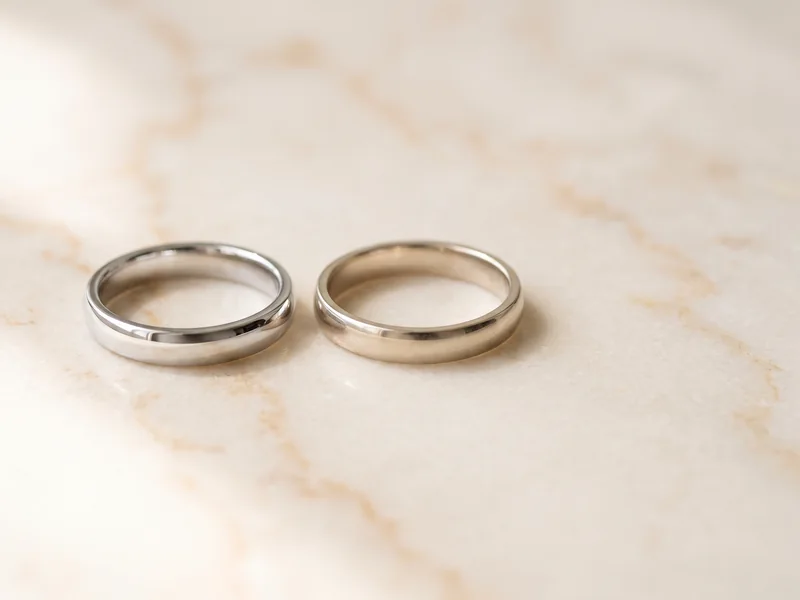
Underneath is the actual white gold alloy, which is gold mixed with whiter metals such as palladium, silver or nickel. That alloy is rarely pure white; it tends to be a soft grey or faintly warm, creamy colour. The reasons jewellers plate it in the first place are covered in why white gold is given a rhodium coat. If any of the trade words on this page are new to you, the jewellery terms glossary defines them in plain English.
How often should white gold be rhodium plated?
There is no single interval that suits everyone, because wear depends on the piece, where it sits on the body and how you use your hands. As a starting point, these are the intervals we see most often across the bench:
| Piece | Typical replate interval | Why |
|---|---|---|
| Wedding band worn daily | 6–12 months | Flat, exposed surface rubs against everything you touch and against the engagement ring |
| Engagement ring worn daily | 12–18 months | Raised setting takes less contact, but the palm side of the band wears quickly |
| Dress ring worn weekly | 2–3 years | Much less contact time |
| Pendant or necklace | 2–4 years | Little abrasion; the bail (the loop the chain runs through) wears first |
| Stud or drop earrings | 3–5 years or more | Rarely touched; mostly cleaned rather than replated |
| Bracelet | 12–24 months | Knocks against desks and keyboards constantly |
| Rhodium-plated silver | 6–18 months | Once worn through, the silver underneath starts to tarnish |
How you live matters as much as what you wear. Someone who works at a desk will get the long end of each range; a nurse, chef, tradesperson, gardener or regular gym-goer may need the short end, or sooner. Our page on wearing your ring while sleeping or training covers the habits that shorten the life of plating most.
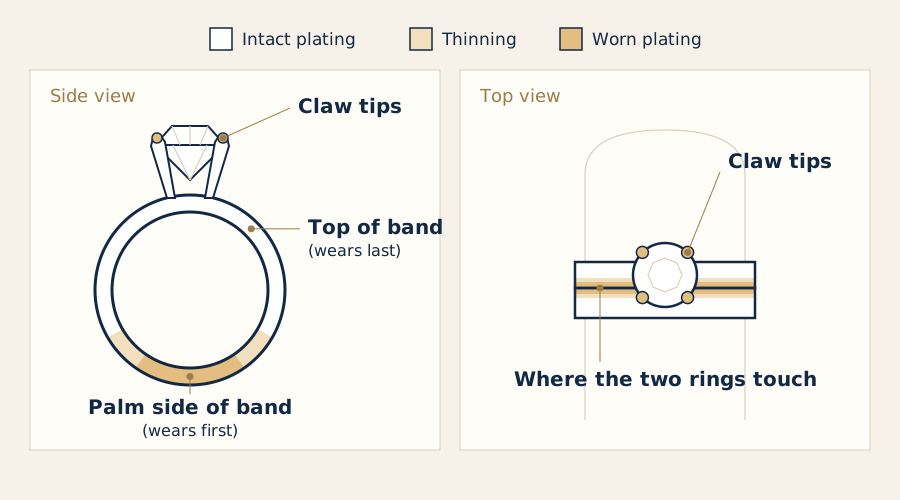
So how long does rhodium plating last in practice? On a daily-worn ring, the first visible change usually appears on the underside of the band within 6–12 months, and the whole ring looks noticeably warmer at 18–24 months. Replating is cosmetic, so there is no harm in waiting longer if the colour does not bother you. The full engagement ring care routine fits replating in alongside cleaning and claw checks.
Why does rhodium plating wear off?
Rhodium is actually harder than the gold underneath, at around 6 on the Mohs scale compared with roughly 2.5–4 for gold alloys. Rhodium plating wearing off is not a sign of a faulty job; it is simply a very thin layer meeting constant friction. The main causes:
- Abrasion: rubbing against hard surfaces, other rings, gym equipment, sand and soil.
- Ring-on-ring contact: an engagement ring and wedding band worn together polish each other where they touch.
- Chemicals: chlorine in pools and spas and bleach-based cleaners attack the gold alloy and can loosen or dull plating.
- Grit held in residue: lotions and sunscreen leave a film that traps fine dirt, which acts like sandpaper as you move.
- Abrasive cleaning: toothpaste, baking soda scrubs and polishing cloths remove plating quickly.
Water itself does not strip rhodium, but what is in it can be a problem. Our guides on what sunscreen and chlorine do to jewellery and wearing rings in the shower, pool or surf go through each situation, including salt water and sand at the beach.
What are the signs your ring needs replating?
Replating is due when the colour change bothers you, not on a fixed date. Look at the ring in natural daylight, against a sheet of white paper, and check for:
- A yellowish or greyish tint on the underside of the band, often the first place it shows.
- Patchy colour, where the top of the ring is bright white but the sides look warmer.
- A dull, slightly hazy surface that does not brighten after a proper clean.
- A colour mismatch between your engagement ring and wedding band.
- Itching or redness under the band, which can happen in people sensitive to nickel once the rhodium barrier wears through on a nickel white gold.
Skin reactions are worth a mention because they are often blamed on gold itself. Many white golds sold in Australia use palladium rather than nickel, but nickel white gold still exists, especially in older or imported pieces. If you react only when the plating is worn, ask your jeweller what alloy the ring is made from before deciding between more frequent replating and a different metal.
Related guideEngagement Ring Care GuideNot sure which one is right?
Send us the stones you are looking at and our gemologist will tell you which to choose and why.
Does platinum need rhodium plating? Which metals do?
Only some white metals rely on rhodium for their colour. Knowing which one you have tells you whether you need a rhodium replating schedule at all.
| Metal | Natural colour | Needs rhodium? | Typical replate need |
|---|---|---|---|
| Nickel white gold | Light grey to slightly warm | Usually yes | Regular, every 6–18 months for rings |
| Palladium white gold | Soft grey, cooler | Often yes, for a bright white finish | Regular, though wear is less obvious against the greyer metal |
| Platinum | Naturally white-grey | No; sometimes plated when new for extra brightness | None needed; polish restores the colour |
| Sterling silver | Bright white, tarnishes | Optional, to resist tarnish | Every 6–18 months if you want to keep it tarnish-resistant |
| Yellow or rose gold with white claws | Warm, with white heads | Only the white parts | Claws only, usually every 1–2 years |
| Black rhodium on gold or silver | Dark grey to black | Yes, the colour is entirely plating | Often more frequent, as wear shows clearly |
Platinum is the big exception. It is a naturally white metal, so there is no colour underneath to reveal. Over time it develops a soft satin look called a patina, which some people like and others have polished away. Either way, platinum does not need a replating schedule.
Rhodium-plated silver is different again. Once the plating wears through, the silver starts to tarnish in patches. Avoid silver dips on plated silver, because they act on the exposed silver unevenly; our guide on cleaning silver jewellery safely explains what to use instead.
What happens when a jeweller replates a ring?
A proper replate is more than a dip in a tank. Rhodium only bonds well to metal that is perfectly clean, so most of the work is preparation. At the bench the process usually runs like this:
- Inspection: the jeweller checks claws, settings and the band for wear before anything else, because plating can hide a problem.
- Polishing: scratches are removed and the surface brought to a high shine. Rhodium copies the surface underneath, so it will not hide scratches.
- Cleaning: an ultrasonic cleaner (a tank that uses high-frequency vibration to shake dirt loose) and a steam cleaner remove polishing compound.
- Electrocleaning and activation: a short electrical clean and acid dip remove the last traces of grease and oxide.
- Plating: the piece goes into a warm rhodium solution, often around 40–50°C, at a few volts for roughly 30 seconds to a couple of minutes.
- Rinse and dry: the ring is rinsed in clean water and dried, then checked under magnification for even coverage.
The inspection step is why replating is a good moment to get claws looked at. Worn claw tips can be rebuilt (called claw re-tipping) before the plating goes on, so the new metal matches. See tightening loose stones and worn claws for what the jeweller is checking. If you are also changing size, have that done first; sizing beads and sizing bars are fitted before the replate so everything ends up the same colour.
Some gemstones cannot go through the heat, acid and ultrasonic stages. Emerald, opal, pearl, turquoise, coral and fracture-filled or glass-filled stones are usually protected with a masking lacquer or plated with a pen-style applicator instead of a full bath. Diamonds, whether natural or lab-grown, and sapphires and rubies without fillings generally handle the process well. Our guide to which gemstones tolerate which cleaning methods lists the sensitive ones.
What should you not do with rhodium plated jewellery?
You cannot stop rhodium wearing, but you can slow it down a lot. Things to avoid:
- Do not swim in chlorinated pools or spas with the ring on, and keep it away from bleach and strong household cleaners.
- Do not clean with toothpaste, baking soda or abrasive powders; they scratch through the plating.
- Do not use a silver polishing cloth on plated white gold. Most contain a fine abrasive and will wear the rhodium.
- Do not wear it for heavy work: gym weights, gardening, renovating, rock climbing and moving furniture.
- Do not store pieces loose together; diamonds will scratch other jewellery, plating included.
- Do not ask for replating too often. Every replate starts with polishing, which removes a little metal. Done every few months for years, it thins claws and bands.
What you should do is simple: take rings off for messy or rough jobs, put lotion and sunscreen on first and let it soak in before your ring goes back on, and clean gently with warm water, a drop of mild detergent and a soft toothbrush. Our step-by-step on cleaning a diamond ring safely at home shows the method, and the wider jewellery care and maintenance guide covers storage and travel.
How much does rhodium replating cost in Australia?
Rhodium replating cost in Australia depends on the size of the piece, how much polishing it needs, whether stones must be masked and whether other repairs are done at the same time. These are approximate ranges only; prices vary between workshops and change with the price of rhodium, which moves sharply.
| Job | Approximate price range (AUD) |
|---|---|
| Replate a ring (clean, polish and plate) | about $60–$150 |
| Replate a wedding and engagement ring together | about $100–$250 |
| Replate a pendant or pair of earrings | about $50–$120 |
| Replate a bracelet or necklace | about $80–$200 |
| Claw re-tipping (per claw), added to a replate | about $40–$80 |
| Resize plus replate | about $80–$250+ |
Turnaround is often a few working days, longer if claws need rebuilding. If a band has worn thin at the base after years of polishing, replating will not fix that. Our guides on deciding whether to repair or replace a worn band and replacing the lower half of a ring shank explain the options. Some people use a worn-out setting as the moment to rethink the whole ring; upgrading to a new centre diamond covers how that works.
Book a replate: our jewellery repairs service
How do you set your own rhodium replating schedule? Step by step
- Identify the metal. Check the stamp inside the band (for example 750 or 18K for 18 carat gold, 585 or 14K, 375 or 9K, PT950 for platinum) or ask your jeweller whether it is nickel or palladium white gold.
- Note how often you wear it. Daily rings start at 6–12 months (bands) or 12–18 months (engagement rings); occasional pieces start at 2–3 years.
- Adjust for your work and hobbies. Shorten the interval for manual jobs, gym training or regular swimming; lengthen it for desk work.
- Clean before you judge. Wash the ring, dry it, then look at it in daylight against white paper.
- Check the palm side and contact points. A warm tint there is the first sign; decide whether it bothers you.
- Book claws and plating together. Ask the jeweller to inspect settings, re-tip if needed, then replate, so you only polish once.
- Ask for a light polish. Unless there are deep scratches, a gentle polish keeps more metal on the ring over the years.
- Write down the date. Note when each piece was replated and how long it took to look warm again; after one or two cycles you will know your own interval.
Free consultation
Talk to a gemologist
Compare stones in person or online with Raj Sood, Graduate Gemologist (GIA), AJP (GIA).
Book a consultationShop this shape
FAQ
Common questions
How often should I get my white gold engagement ring rhodium plated?
Every 12–18 months is typical for a ring worn every day. If you work with your hands or swim often, you may notice wear sooner; if the colour does not bother you, you can wait longer.
Does replating damage my ring?
The plating itself does not, but the polishing before each replate removes a tiny amount of metal. Replating at sensible intervals with a light polish keeps that loss small over a ring's life.
Can I stop rhodium plating from wearing off?
No, but you can slow it. Take rings off for gym, gardening and swimming in chlorinated pools, avoid abrasive cleaners, and put on lotion and sunscreen before your ring.
Is it safe to replate a ring with gemstones in it?
Diamonds, both natural and lab-grown, and sapphires and rubies without fillings are generally fine. Softer, porous or filled stones such as emerald, opal and pearl need masking or pen plating, so tell your jeweller what stones are in the piece.
Why does my white gold ring look yellow?
The rhodium layer has worn through and you are seeing the natural colour of the white gold alloy underneath, which is often slightly warm or grey. It may also just be dirty, so clean it first and check again.
Do I have to keep replating white gold?
No. Replating is cosmetic and does not affect the strength of the ring. Some people let the soft natural colour show; others choose platinum, which does not need plating.

Ask a gemologist
Not sure which diamond to choose?
Raj Sood is a Graduate Gemologist (GIA) and master jeweller. Bring the stones you are considering, or send the reports, and he will tell you honestly which one is better and why.
Keep learning
Related guides
 MetalsRhodium Plating and ReplatingMetalsWhy White Gold Is Rhodium PlatedCare, Repairs & RemodellingJewellery Care and Maintenance
 Care, Repairs & RemodellingEngagement Ring Care GuideCare, Repairs & RemodellingRe-Shanking a Ring
 Care, Repairs & RemodellingHow to Clean a Diamond Ring at Home
 Care, Repairs & RemodellingCleaning Gemstones by Type
 Care, Repairs & RemodellingWhen to Repair vs Replace a Band
Explore more
More guides on this topic
Education