
Gemstones
How to Design a Secure Coloured Gemstone Setting for a Ring
A coloured gemstone is only as safe as the metal holding it. Here is how a gemmologist designs a secure setting for a coloured gemstone, matched to the stone's hardness, toughness and the way you live.
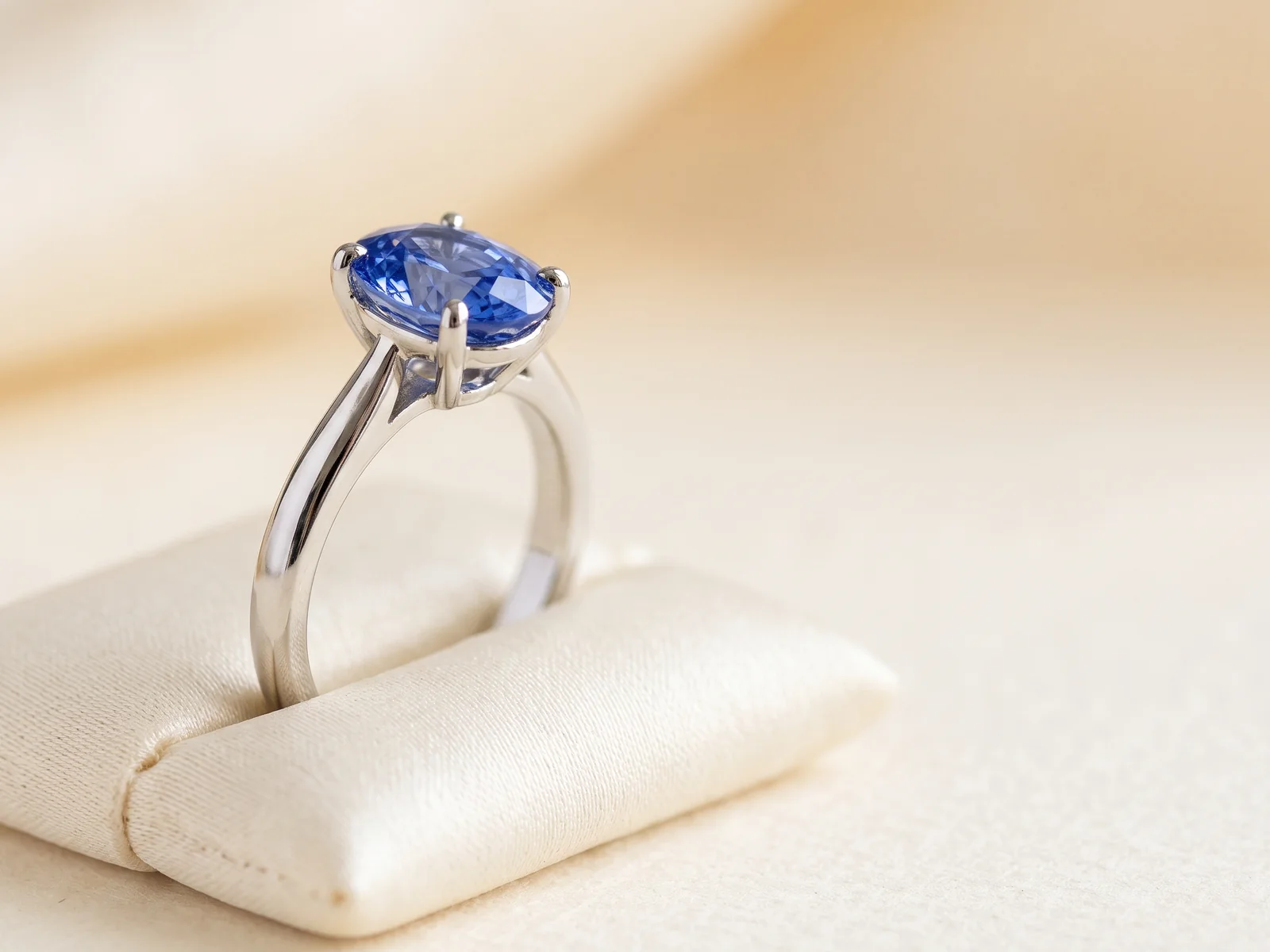
 Reviewed by Raj Sood, Graduate Gemologist (GIA), AJP (GIA)Master jeweller and Graduate Gemologist (GIA) · reviewed 4 November 2026
Quick answer
A secure coloured gemstone setting starts with the stone: check its hardness (around Mohs 8 or above for daily rings) and toughness. Then choose protection to match. Sapphire and ruby suit four or six claws; softer or brittle gems such as emerald, opal and tanzanite need a bezel, a low profile or a halo, in platinum or 18 ct gold.
What makes a coloured gemstone setting secure?
A secure setting does two jobs at once. It holds the stone so it cannot work loose, and it protects the stone from the knocks and scrapes of everyday life. With a diamond, most of the attention goes on the first job, because diamond is so hard. With coloured gemstones the second job matters just as much, because nearly every coloured gem is softer, less tough or both.
That is why a setting that suits a sapphire can be the wrong choice for an emerald of exactly the same size and shape. The design has to start with the gem: what it is, how it was cut, whether it has been treated, and how it will be worn. Only then do you choose claws or a bezel, the height of the stone, the metal and the finishing details. Our coloured gemstone guides cover each gem in depth, and our overview of every main setting style explains the basic setting types if you are new to them.
Three properties decide almost everything:
- Hardness: resistance to scratching, measured on the Mohs scale from 1 (talc) to 10 (diamond).
- Toughness: resistance to chipping, cracking and breaking when the stone is knocked. It is a separate property from hardness.
- Stability: how the gem reacts to heat, chemicals, light and sudden temperature changes, which matters at the jeweller's bench as well as in daily life.
Any term on this page you have not met before is explained in our plain-English jewellery glossary.
How do hardness and toughness affect a secure setting?
Household dust contains tiny grains of quartz, which sits at 7 on the Mohs scale. Any gem below 7 will slowly lose its polish from wiping, cleaning and ordinary contact, and facet edges will round off over the years. Gems at 8 and above resist that wear well. Hardness alone is not enough, though. Topaz is 8 on the Mohs scale, yet it has perfect cleavage (a direction along which the crystal splits cleanly), so one sharp knock in the wrong direction can split it.
Toughness is the property most people do not know to ask about. Emerald, for example, is 7.5–8 in hardness, but nearly every emerald has natural internal fractures, often filled with oil or resin, which makes it fragile under pressure. Sapphire and ruby (both the mineral corundum) combine 9 hardness with excellent toughness, which is why they are the most common coloured centre stones for engagement rings.
| Gem | Mohs hardness | Toughness | Cleavage | Setting advice for a daily ring |
|---|---|---|---|---|
| Sapphire / ruby | 9 | Excellent | None (parting possible) | Four or six claws, bezel or halo all work |
| Alexandrite (chrysoberyl) | 8.5 | Excellent | Weak | Claws or bezel |
| Spinel | 8 | Good | None | Claws or bezel; protect corners |
| Topaz | 8 | Poor | Perfect, one direction | Protective claws or bezel; avoid high, exposed settings |
| Aquamarine / morganite | 7.5–8 | Good | Indistinct | Claws suit; a halo adds protection |
| Emerald | 7.5–8 | Poor to fair | Indistinct, but often fractured | Bezel, half-bezel or V-claws on corners; low profile |
| Tourmaline | 7–7.5 | Fair | None | Claws with protected points, or bezel |
| Garnet | 6.5–7.5 | Fair to good | None | Bezel or protective claws |
| Peridot | 6.5–7 | Fair | Poor | Bezel or halo; better for occasional wear |
| Tanzanite | 6–7 | Poor | Perfect, one direction | Bezel or halo, low profile; occasional wear |
| Moonstone | 6–6.5 | Poor | Perfect, two directions | Bezel; occasional wear |
| Opal | 5.5–6.5 | Poor to fair | None (brittle, contains water) | Bezel or rubover, low profile |
Lab-created sapphire and lab-created ruby have the same chemistry, hardness and toughness as natural corundum, so they need exactly the same setting design. Our full Mohs hardness chart for gemstones lists many more gems, including organic materials such as pearl and coral, which need their own special care.
Claws or bezel: which is more secure for a coloured gemstone?
Both can be very secure when they are made well. The difference is how much of the stone they protect. Claws (also called prongs) are small posts of metal that fold over the edge of the stone. A bezel is a continuous wall of metal pushed over the whole edge, so the girdle (the thin outer rim of the stone) is never exposed.
| Setting | How secure | Edge protection | Light and visibility | Suits |
|---|---|---|---|---|
| Four claws | Good | Low; most of the girdle is exposed | Most light, most stone visible | Sapphire, ruby, spinel on lower-risk wearers |
| Six claws | Very good; one lost claw rarely frees the stone | Moderate | Slightly less open | Round and oval centre stones over about 1 ct |
| Double claws (eight) | Very good | Moderate | More metal on view | Larger stones and active wearers |
| V-claws on points | Very good for that point | High at the point | Little effect | Pear, marquise, heart, princess and emerald cut corners |
| Half-bezel | Very good | High on two sides | Open on two sides | Emerald, tourmaline, elongated shapes |
| Full bezel / rubover | Excellent | Complete | Less side light; stone looks a little smaller | Opal, tanzanite, emerald, moonstone, cabochons |
| Halo with claws | Very good | High; the halo takes knocks first | Makes the centre look larger | Softer gems where you still want claws |
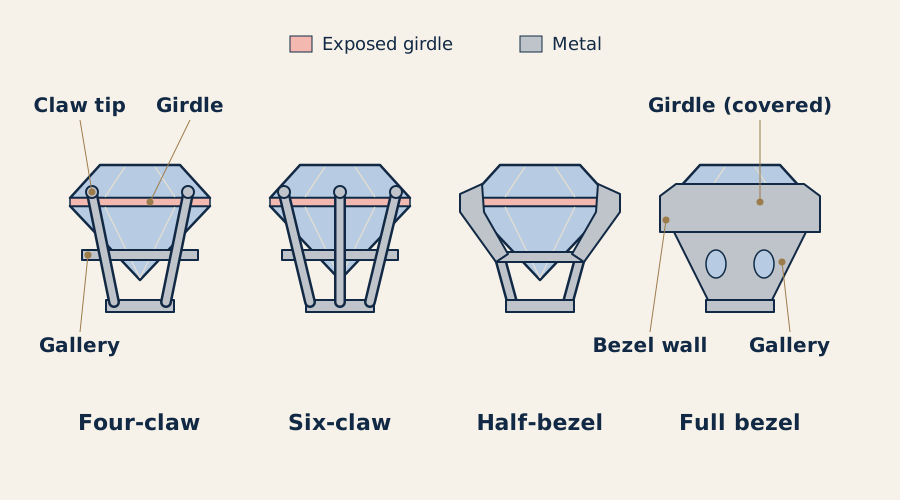
For a coloured stone, a bezel has one extra advantage: it spreads the setting pressure evenly around the girdle instead of concentrating it at four or six small points. That matters for brittle or fractured stones. The trade-off is that a bezel lets in less light from the side, which can make a dark stone such as a deep blue Australian sapphire look darker still. An open gallery under the stone, or a thinner bezel wall, helps.
Decorative claw styles can be secure too, if the claws are thick enough at the tip. Our page on floral claw and petal settings shows designs where the petals double as protection. For a deeper look at the mechanics, see how claw, bezel and halo settings compare.
How does the gemstone's shape change the setting design?
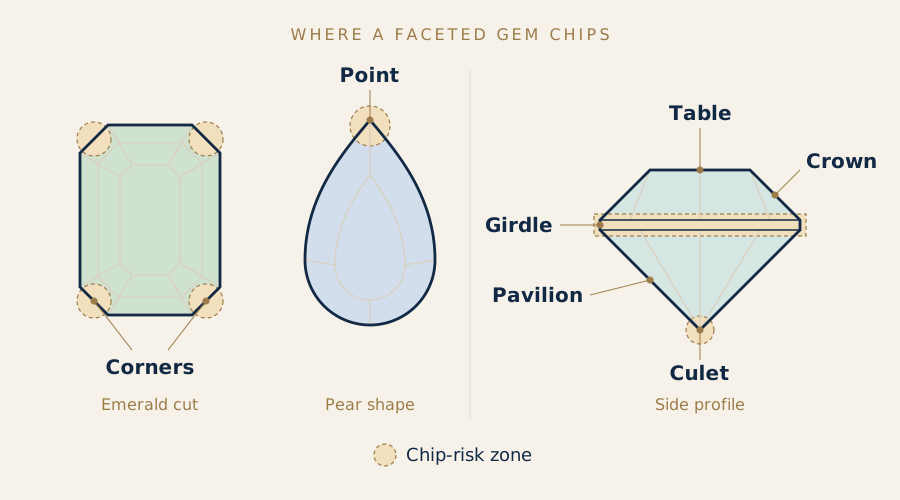
Anything with a corner or a point is a weak spot. The thin edge at the tip of a pear-shaped stone, the two ends of a marquise with its twin points and the corners of square and rectangular cuts are the first places a coloured gem chips. Each one should sit under a V-claw (a V-shaped claw that wraps the point) or inside a bezel. The same principle applies to diamonds; our guide to protecting square corners with V-claws shows how it is done, and the claw and bezel options for heart shapes show the same idea on a stone with both a point and a cleft.
Coloured gems are also cut differently from diamonds, and that changes the design in ways most people never see:
- Deeper pavilions: many coloured gems are cut deep underneath to keep weight and colour. A deep stone sits higher in a standard mount, so the setting often needs to be built around the stone instead of bought off the shelf.
- Uneven girdles: coloured gems are often cut by hand to save rough, so the girdle can be thick in one place and very thin in another. A thin section under a claw is a chipping risk when the claw is pushed over.
- Calibrated or not: calibrated stones are cut to standard sizes such as 7 × 5 mm or 8 × 6 mm and fit ready-made heads. Non-calibrated stones, which include most fine sapphires and emeralds, need the seat in each claw cut to fit.
- Cabochons: smooth domed stones such as opal, star sapphire and moonstone have no sharp girdle for claws to grip. They sit best in a bezel with a wall high enough to rise just above the widest point of the dome.
Not sure which one is right?
Send us the stones you are looking at and our gemologist will tell you which to choose and why.
How high should a coloured gemstone sit in a ring?
The higher a stone sits above the finger, the more often it gets knocked on doorframes, bench tops and car doors. A low profile setting, with the girdle around 4–6 mm above the finger instead of 7–9 mm, cuts that exposure noticeably. For soft or brittle gems it is one of the simplest ways to make a ring last.
Low is not always possible. A deep-cut stone needs space underneath, and a wedding band needs room to sit flush beside the engagement ring. Good design solutions include a cathedral shoulder that rises to meet the stone (so the metal shoulders take side knocks), a bezel set into the band itself, or an east-west setting that turns an elongated stone sideways so it sits lower and catches less.
How you live should drive this decision as much as the stone does. Nurses, chefs, gardeners, rock climbers and parents of small children all hit their hands more than an office worker. Our guide to matching ring design to your work and hobbies covers this in detail, with design changes for each kind of wearer.
Which metal makes the most secure setting for a coloured gemstone?
The metal affects both security and colour. For claws and bezels the usual choices are:
- Platinum (950): dense and tough. When a platinum claw wears, the metal tends to move rather than disappear, so claws last a long time and can be re-tipped. It is naturally white and does not need plating.
- 18 ct white gold: strong and widely used, usually rhodium plated for a bright white finish. Claws wear a little faster than platinum and plating needs renewing every year or two on a ring worn daily.
- 18 ct yellow or rose gold: similar strength to white gold and no plating needed. Warm metal suits rubies, emeralds and warm-toned sapphires.
- 9 ct and 14 ct gold: less gold, more alloy metals. Often a harder metal, but less dense, and lower carat gold can be more prone to tarnish.
A common and practical design is a yellow or rose gold band with a platinum or white gold head (the part that holds the stone), which gives durable claws and a warm band. Metal colour also changes how the stone looks: white metal keeps a blue sapphire cool and crisp, while yellow gold can make a pale yellow or green stone look richer. Our page on metal choices for coloured diamonds explains the same colour effects for pink, yellow and blue diamonds, and our fancy coloured diamond engagement rings guide shows them in finished rings.
Thickness matters more than the metal name. A thin claw in platinum is less secure than a well-proportioned claw in 18 ct gold. For a centre stone of about 1–2 carats, claws are commonly around 0.8–1.2 mm across, and a bezel wall around 0.5–1.0 mm, adjusted for the size and type of stone.
Which secure setting suits each coloured gemstone?
Here is how we approach the gems people most often ask about. If you are still choosing the stone, our guide to choosing a coloured engagement stone covers colour, meaning and durability together.
- Sapphire: the most forgiving coloured gem. Four or six claws, bezel, halo and three-stone designs all suit. Australian sapphires from central Queensland and the New England region of New South Wales are often deep blue, teal or parti-coloured (two colours in one stone), and some are cut deep, so allow for height.
- Ruby: same hardness and toughness as sapphire. Check for treatments first: lead-glass-filled rubies are damaged by heat and even mild acids, so they need a simple setting that never has to be torched near the stone.
- Emerald: protect the corners of an emerald cut with V-claws or a bezel, keep the profile low, and never put an oiled emerald in an ultrasonic cleaner. For daily wear a halo or bezel is the safer choice.
- Opal: Australia produces most of the world's precious opal, from black opal at Lightning Ridge to white and crystal opal at Coober Pedy and boulder opal in Queensland. Set opal in a bezel or rubover, low on the finger. Doublets and triplets (thin slices of opal glued to a backing, and in a triplet also a clear cap) must never be soaked, or water can lift the layers.
- Tanzanite: soft, with perfect cleavage and sensitivity to sudden temperature changes. A bezel or halo with a low profile, worn with care, is the sensible design.
- Aquamarine and morganite: good everyday options at 7.5–8. Claws work well; add a halo if the stone is large or sits high.
- Spinel and alexandrite: durable and suited to claws, with V-claws on any points.
For more on which gems resist scratches and which resist chips, see which gems scratch and which chip. You can also browse natural sapphires, opals and other gems by colour and type.
Browse natural gemstones
How does a jeweller set a coloured gemstone safely?
Security is decided at the bench as much as on the drawing. A careful setting job for a coloured stone usually involves these checks:
- Identify the stone and its treatments: heated sapphire, oiled emerald, glass-filled ruby, coated topaz and dyed stones all behave differently under heat, chemicals and pressure.
- Cut a matching seat: each claw gets a small notch, called a seat or bearing, cut to the exact angle of the stone's girdle so pressure is spread evenly.
- Check for rocking: the stone should sit level and tight with no movement before the claws are finished.
- Keep heat away: emerald, opal, tanzanite, peridot and treated stones should come out of the ring before any soldering or re-tipping with a torch. Laser welding allows some repairs close to a stone with much less heat.
- Finish the claw tips: rounded, smooth tips that do not catch on clothing, which is how many stones are pulled loose.
Computer-aided design (CAD) helps here too. A 3D model built around the stone's real measurements lets us check claw positions, bezel height and finger clearance before any metal is cast. Our definitions of treatments and setting terms explain each of these words in more detail.
How do you keep a coloured gemstone setting secure over time?
Even a well-made setting wears. Gold and platinum claws thin with every brush against a desk or a steering wheel. A few habits keep the stone where it belongs:
- Check claws every 6–12 months if you wear the ring daily. A jeweller can see wear long before you can.
- Listen and look: a stone that clicks or rattles when you tap the ring gently near your ear is loose. Stop wearing it until it is checked.
- Take it off for gardening, the gym, cleaning with chemicals, swimming in chlorinated pools and the beach. Our lifestyle guide covers when to take your ring off for each kind of activity.
- Clean gently: warm water, a drop of mild detergent and a soft brush suit most gems. Avoid ultrasonic and steam cleaners for emerald, opal, tanzanite, moonstone and any filled or coated stone.
- Store separately: sapphire and ruby will scratch softer gems, and diamond will scratch everything, if they are kept loose in the same pouch.
How do you design a secure coloured gemstone setting? Step by step
- Identify the gem. Confirm what it is, whether it is natural or lab-created, and any treatment, ideally with a gemmologist or a lab report.
- Check hardness and toughness. Use the table above. Below about 7, or with poor toughness, plan for a bezel, halo or occasional wear.
- Think about how it will be worn. Daily or occasional, and what your hands do at work and at home.
- Choose the holding style. Six claws or a bezel for daily centre stones; V-claws on every point and corner.
- Set the height. Keep the profile as low as the stone's depth and the wedding band allow.
- Pick the metal and thickness. Platinum or 18 ct gold for claws, with claws and bezel walls thick enough for the stone's size.
- Review the design in CAD. Check claw positions against the stone's girdle and any inclusions before the ring is made.
- Book regular checks. Every 6–12 months for daily rings, plus a check after any hard knock. For ideas on combining colour and meaning, see our guide to colour and meaning in engagement rings.
Free consultation
Talk to a gemologist
Compare stones in person or online with Raj Sood, Graduate Gemologist (GIA), AJP (GIA).
Book a consultationShop this shape
FAQ
Common questions
Is a bezel setting more secure than claws for a coloured gemstone?
A full bezel protects the whole edge of the stone and spreads pressure evenly, so it is the most protective choice for soft or brittle gems such as opal, emerald and tanzanite. Well-made six claws are also very secure for tough stones like sapphire and ruby.
How many claws should a sapphire engagement ring have?
Four claws show the most stone, while six claws add security because the stone is still held if one claw is damaged. For a daily ring with a centre sapphire over about 1 carat, many people choose six.
Can you wear an emerald ring every day?
You can, with the right design and some care. Choose a bezel, half-bezel or halo with protected corners and a low profile, and avoid ultrasonic cleaners, heat and harsh chemicals.
Can an opal be set in an engagement ring?
Yes, but it needs a bezel or rubover setting and a low profile, because opal is only 5.5–6.5 on the Mohs scale and can crack with knocks or sudden temperature changes. Doublets and triplets should never be soaked in water.
What is the most durable coloured gemstone for a ring?
Sapphire and ruby, at 9 on the Mohs scale with excellent toughness, are the most durable common coloured gems. Alexandrite and spinel are also good everyday choices.
Do lab-created sapphires need a different setting?
No. Lab-created sapphire has the same chemistry, hardness and toughness as natural sapphire, so the same setting design applies. It should always be disclosed as lab-created.

Ask a gemologist
Not sure which diamond to choose?
Raj Sood is a Graduate Gemologist (GIA) and master jeweller. Bring the stones you are considering, or send the reports, and he will tell you honestly which one is better and why.
Keep learning
Related guides
 GemstonesGemstone Hardness Guide
 Engagement Rings & SettingsDiamond & Gemstone Setting Guide
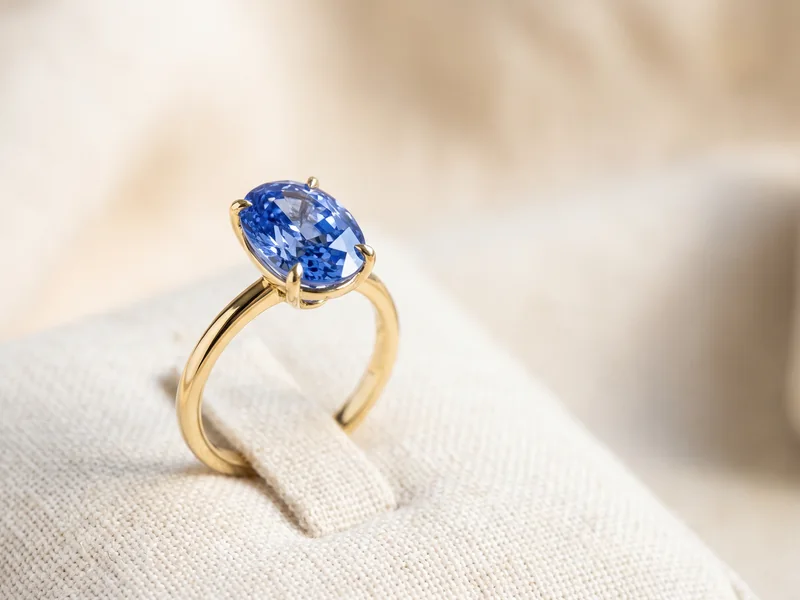 GemstonesEngagement Rings with Colour, Meaning and Personal Gemstone Choice
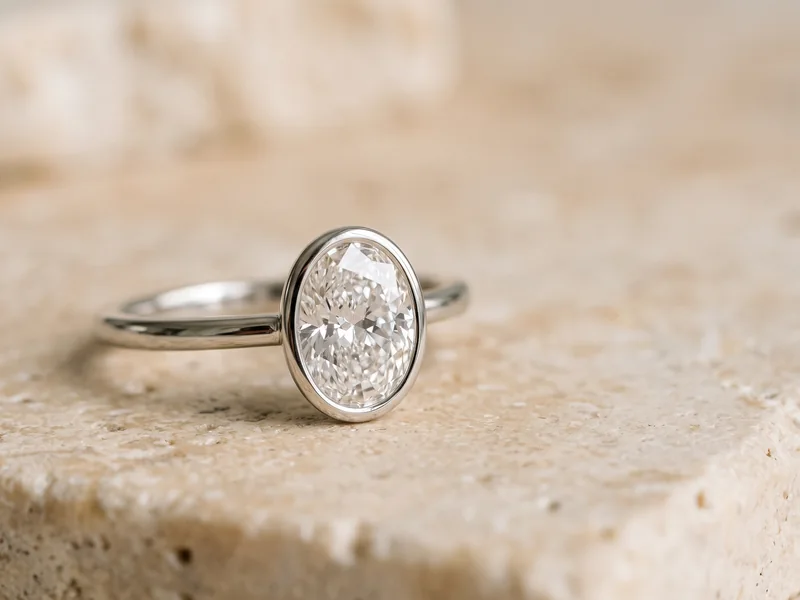 Engagement Rings & SettingsHow Lifestyle Should Influence Engagement Ring DesignGemstonesGemstones | Coloured Gemstones, Birthstones and Custom Jewellery
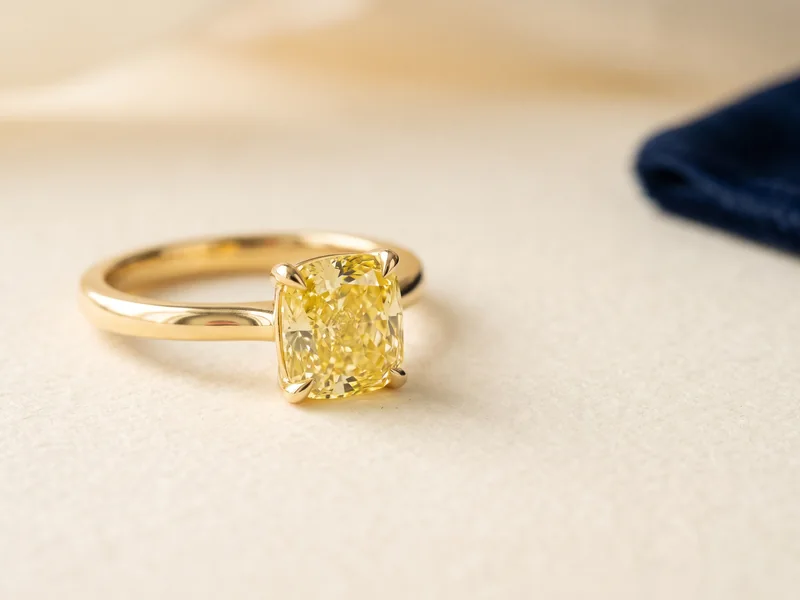 Fancy Colour DiamondsBest Settings and Metals for Coloured DiamondsFancy Colour DiamondsFancy Coloured Diamond Engagement Rings
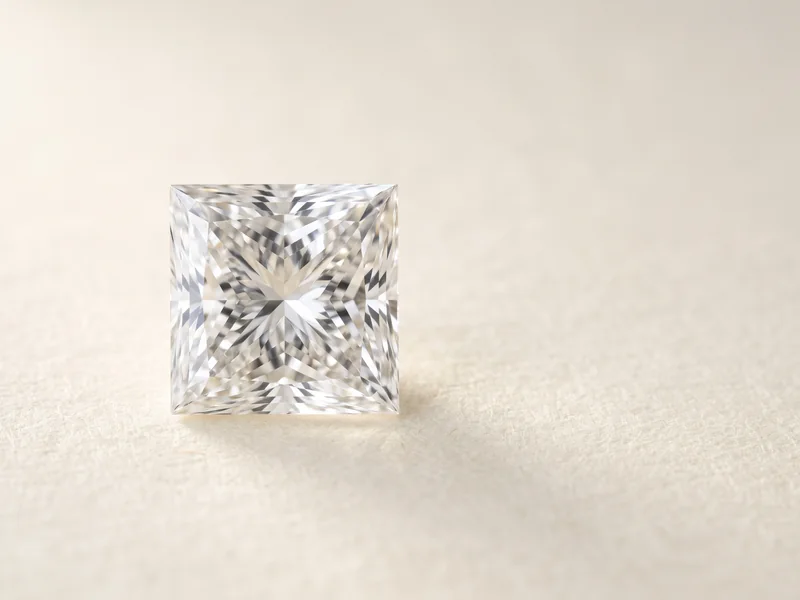 Engagement Rings & SettingsBest Settings for Princess Diamonds
Explore more
More guides on this topic
Education