
- Education
- Fancy Colour Diamonds
- Grey and Salt and Pepper Diamond Guide: Colour, Grades and Settings
Fancy Colour Diamonds
Grey and Salt and Pepper Diamond Guide: Colour, Grades and Settings
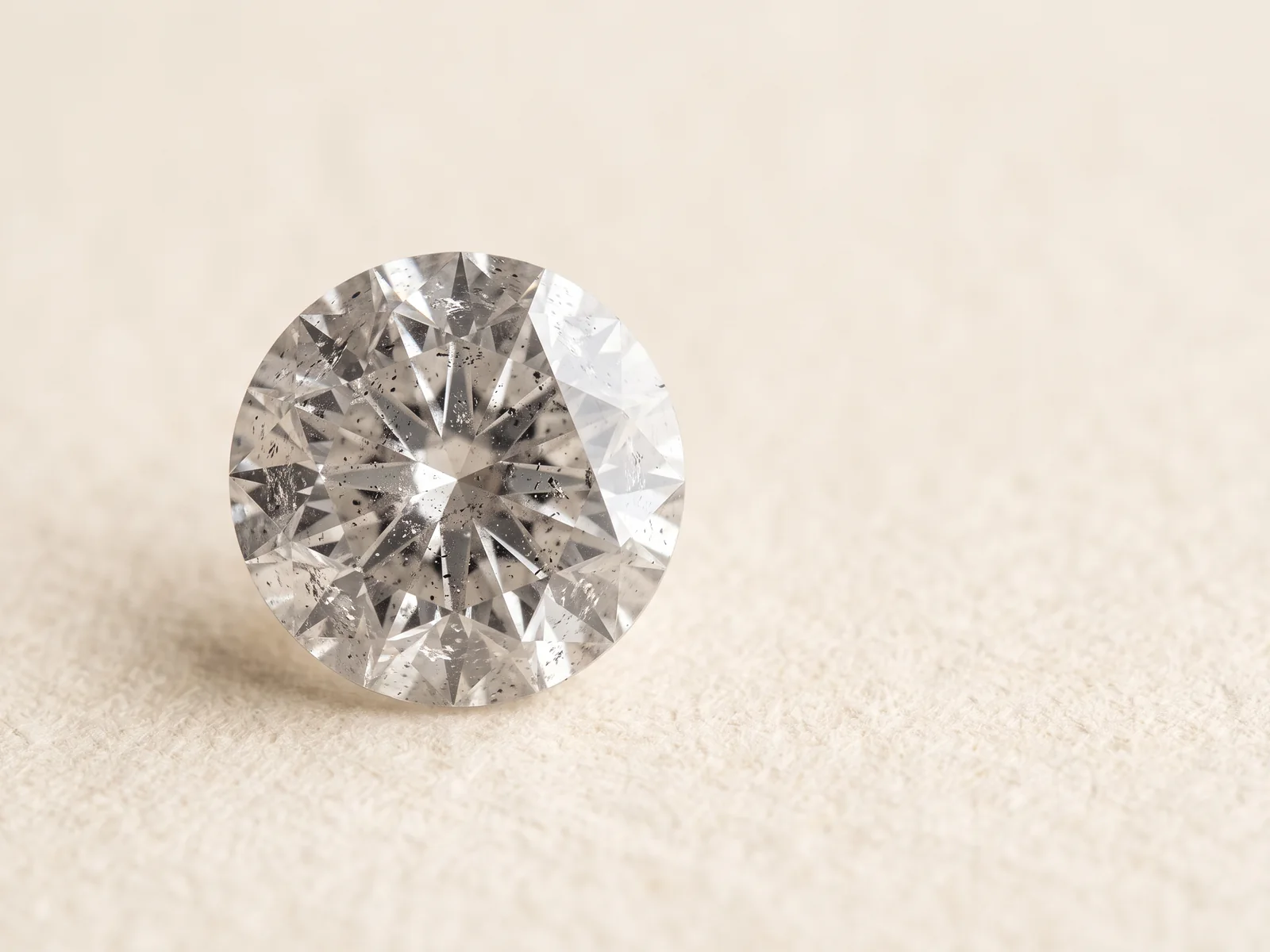
Grey and salt and pepper diamonds suit people who want a diamond with character rather than pure white sparkle. Here is what causes each look, how a salt and pepper diamond is judged, and how to tell natural, lab-grown and treated grey stones apart.
 Reviewed by Raj Sood, Graduate Gemologist (GIA), AJP (GIA)Master jeweller and Graduate Gemologist (GIA) · reviewed 4 November 2026
Quick answer
A grey diamond has a cool, steely body colour caused by hydrogen, boron or dense microscopic clouds, graded by GIA from Fancy Light to Fancy Dark Grey. A salt and pepper diamond is different: it is heavily included, with black and white inclusions scattered through it, usually I1–I3 clarity and much less costly. Choose a protective setting for both.
What is a grey diamond, and how is a salt and pepper diamond different?
In the diamond trade, grey diamonds and salt and pepper diamonds are often shown side by side, but they are not the same thing. A grey diamond is a fancy colour diamond: its body colour (the overall colour of the stone itself) is a cool, steely grey, and a lab grades it on the same system used for pinks, blues and yellows, which is explained in our guide to fancy colour diamonds. Many grey diamonds are reasonably clean inside and can be transparent and bright.
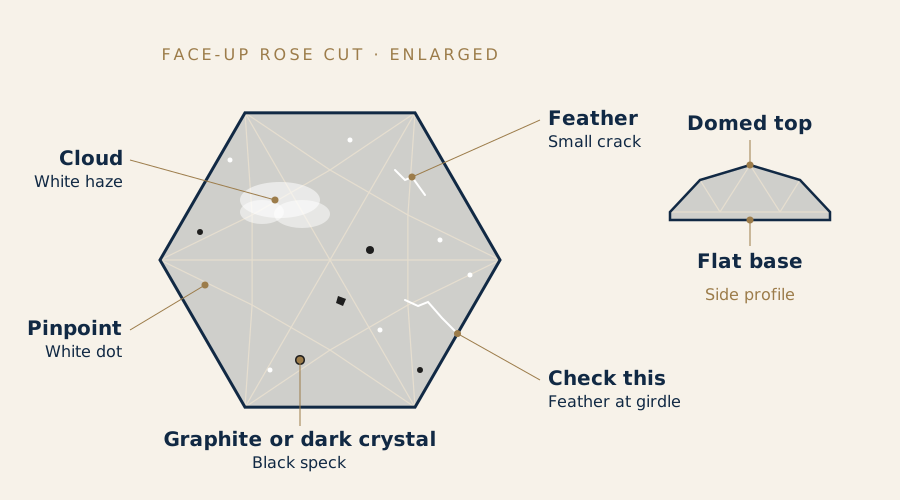
A salt and pepper diamond gets its look from inclusions rather than body colour. Inclusions are the internal features a natural diamond grows with. Here they are plentiful: black specks (the pepper) and white clouds, pinpoints and feathers (the salt) scattered through the stone. The result looks a little like granite or a night sky, and no two stones are alike. Most are graded I1 to I3 for clarity, the lowest end of the scale, which is why they cost much less than a clean diamond of the same size.
Grey also turns up as a faint nuance, a slight greyish cast, in diamonds sold as near-colourless. That is a separate question, covered in grey nuance in diamonds that look colourless. If any term on this page is new to you, our jewellery glossary explains it in plain words.
What causes grey diamonds?
Diamond is carbon arranged in a tight crystal, 10 on the Mohs hardness scale, with a refractive index of about 2.42. Perfectly pure diamond is colourless. Grey appears when something in the crystal absorbs light evenly across the spectrum, or when tiny particles block and scatter it. There are four main causes:
| Cause | What happens | Typical look | Often seen in |
|---|---|---|---|
| Hydrogen-related defects | Hydrogen trapped in the crystal absorbs parts of the spectrum | Grey, violet-grey or grey-blue | Argyle (Western Australia) and a few other sources |
| Boron (Type IIb) | Trace boron absorbs red light | Grey to bluish grey; more boron gives blue | Rare natural Type IIb diamonds; HPHT lab-grown |
| Dense clouds | Masses of microscopic particles scatter light | Hazy, smoky or silvery grey | Natural greys; the 'salt' in salt and pepper |
| Dark crystal inclusions | Graphite, sulphides or other dark minerals | Black specks against grey or white | Salt and pepper diamonds |
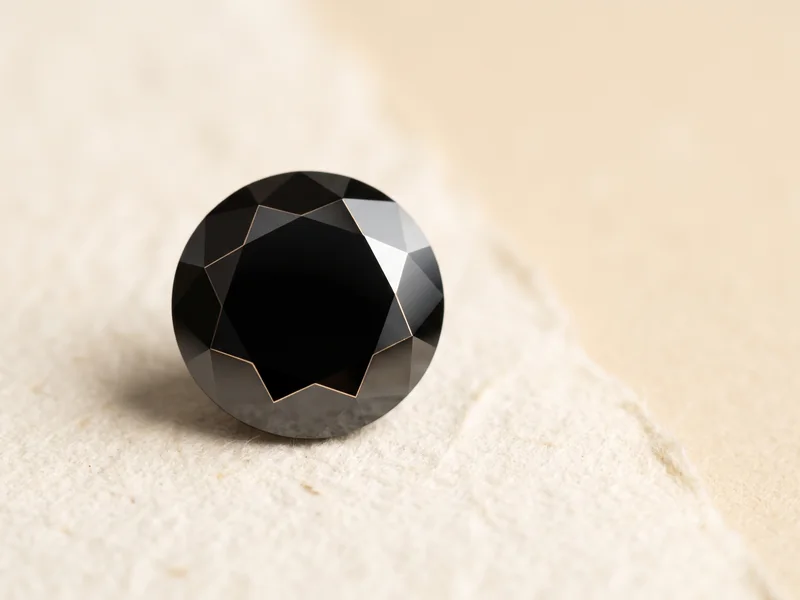
Boron is the same element that colours boron-coloured blue diamonds, which is why a grey diamond can carry a bluish modifier, and why Type IIb diamonds conduct electricity, something a gemmologist can test. Hydrogen is linked to the grey-violet stones that sit on the border with violet and purple diamonds. When dark inclusions become so dense that light cannot pass through at all, you have moved into opaque black diamonds, most of which are treated.
How are fancy grey diamonds graded for intensity?
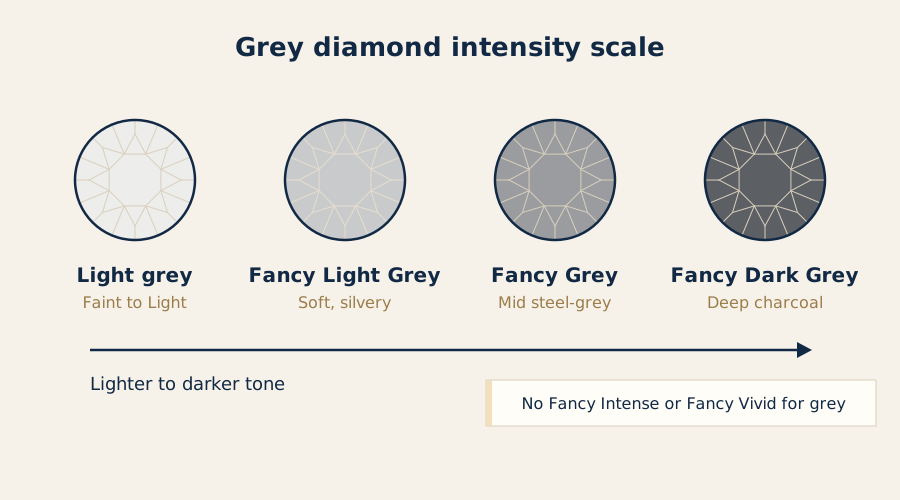
GIA and other labs grade fancy colour by hue (the colour itself, here grey), tone (how light or dark it is) and saturation (how strong it is). Grey is by nature a low-saturation colour, so its scale is shorter than for pink or yellow: there is no Fancy Intense or Fancy Vivid Grey. For grey, the grade words mostly describe how light or dark the stone is.
| Grade | Appearance | What to know |
|---|---|---|
| Light grey (Faint to Light) | Barely grey, reads almost white | Shows little character; often priced near a lower-colour white diamond |
| Fancy Light Grey | Soft, silvery grey | Keeps good brightness; popular in white metal |
| Fancy Grey | Clear mid steel-grey | The classic grey face-up colour |
| Fancy Dark Grey | Deep charcoal, can look smoky | Strong, moody look with less sparkle |
Many greys also carry a modifier, a secondary colour named before the main one: Fancy Bluish Grey, Fancy Greenish Grey, Fancy Violetish Grey or Fancy Yellowish Grey. The last word is always the dominant colour. A bluish or violetish modifier usually adds value; a yellowish or brownish one usually does not. Our pages on how modifiers and overtones are written on reports and the full intensity scale from Faint to Vivid show how grey fits in with every other fancy colour.
How do you judge a salt and pepper diamond?
Because the inclusions are the whole point, a salt and pepper diamond is judged differently from a white diamond. The clarity grade tells you very little on its own. What matters is how the pattern looks to your eye and whether the stone is structurally sound. Check these five things:
- Pattern balance: evenly spread speckling, or a deliberate feature such as a cluster to one side. A heavy dark mass right in the centre can read as a hole from a metre away.
- Overall tone: stones with mostly white 'salt' look light and silvery; mostly black 'pepper' looks charcoal. Decide which you prefer before comparing.
- Transparency: some are translucent with movement inside; others are close to opaque. A little light passing through usually looks livelier.
- Feathers: feathers are small internal cracks. Those that reach the surface, especially near the girdle (the outer edge) or a point, reduce toughness.
- Cut: rose cuts, hexagons, kites, shields and elongated shapes are common. A rose cut has a flat base and a domed top with a few large facets, so it shows the inclusions like a window. A brilliant cut breaks the pattern up into more sparkle.
Diamond's hardness means the surface will not scratch from everyday wear, but toughness, resistance to chipping and breaking, is lower in a heavily included stone. Many salt and pepper diamonds are also cut shallow to show off the pattern. A bezel or a setting with claws over any points makes a salt and pepper diamond engagement ring practical for daily wear. If a stone has surface-reaching feathers, ask your jeweller before using an ultrasonic cleaner, as the vibration can stress existing cracks.
Related guideBlack DiamondsNot sure which one is right?
Send us the stones you are looking at and our gemologist will tell you which to choose and why.
Did the Argyle mine produce grey diamonds?
The Argyle mine, in the east Kimberley of Western Australia, operated from the mid-1980s until it closed in November 2020. It is famous for Argyle pink diamonds and for a handful of the rarest red diamonds ever found. By volume, though, most of its output was brown, which Argyle marketed on its own scale; see champagne and cognac browns from Argyle.
Argyle also produced a small number of grey, grey-blue and violet-grey diamonds, coloured by hydrogen rather than boron. Argyle grey-violets and blues were offered in the mine's annual tender alongside the top pinks, and they are now very hard to find. An Argyle violet-grey with original documentation is priced stone by stone and sits far above an ordinary grey diamond. If a stone is sold as Argyle, ask for the Argyle certificate or a laser inscription that matches it.
For ordinary greys and salt and pepper diamonds, the mine of origin is rarely recorded. Treat any origin claim with care unless it comes with documentation you can verify.
Is a grey diamond natural, lab-grown or treated?
Grey colour can be natural, grown in a laboratory or produced by treatment, and you cannot tell which by eye. The grading report is the only reliable answer. GIA's coloured diamond reports include a colour origin line (printed in US spelling on the report itself). Here is how to read it, with examples of what you might see:
| What the report says | What it means |
|---|---|
| Fancy Grey; colour origin: Natural | A mined diamond whose grey formed naturally, with no colour treatment detected |
| Fancy Light Bluish Grey; colour origin: Natural | Natural colour, often from boron; the report may also note Type IIb |
| Fancy Dark Grey; colour origin: Treated | A natural diamond whose colour was changed after mining, for example by irradiation or HPHT |
| Laboratory-Grown Diamond Report; Fancy Grey | A lab-grown diamond; the report may note post-growth treatment |
| Colour origin: Undetermined | The lab could not reach a conclusion; ask why before you go further |
Lab-grown grey diamonds are real diamond with the same hardness and refractive index as natural, grown either by CVD (chemical vapour deposition, built up layer by layer from a carbon-rich gas) or HPHT (high pressure, high temperature). CVD crystals can grow with a grey or brown tint; see why some CVD lab-grown diamonds show a grey tint. HPHT growth with a little boron gives grey to grey-blue. A lab-grown stone should always be sold as lab-grown, and most are laser-inscribed on the girdle to say so. Lab-grown salt and pepper stones are uncommon, because the look depends on natural inclusions.
Treatment is less common in grey and salt and pepper diamonds than in black ones, but it exists. Heavily included stones can also be fracture-filled (cracks filled with a glass-like material) or coated; GIA does not issue a full grading report for a fracture-filled diamond. Any treatment must be disclosed, so ask directly and check the report.
How does a salt and pepper diamond compare with grey, black and champagne diamonds?
| Salt and pepper | Fancy grey | Black | Champagne / brown | Colourless | |
|---|---|---|---|---|---|
| Look | Speckled black and white | Even steel grey | Opaque black | Warm honey to cognac | White, bright |
| Main cause | Inclusions | Hydrogen, boron or clouds | Dense inclusions, usually treatment | Distortion in the crystal | Near-pure carbon |
| Typical clarity | I1–I3 | Varies, often VS–SI | Not graded (opaque) | Varies | IF–SI in jewellery |
| Sparkle | Soft and patterned | Moderate | Lustre only | Good | Strongest |
| Relative price per carat | Low | Low to moderate; much higher for Argyle violet-greys | Low | Low to moderate | Highest of these |
The choice usually comes down to transparency and pattern. A fancy grey looks like a cool, clean diamond; a salt and pepper looks like a natural material with a story in it; a black diamond gives a solid, polished surface with no sparkle at all. If you want stronger colour instead, compare yellow and canary diamonds, green diamonds coloured by natural radiation or warm orange diamonds.
Outside diamond, natural grey spinel (about 8 on the Mohs scale) gives a similar steely colour, though it is softer than diamond and scratches more easily in an everyday ring.
How much does a salt and pepper diamond cost in Australia?
Prices vary widely because these stones are valued on looks rather than strict grades. The ranges below are broad guides for about 1 carat only; the market moves and individual stones can fall well outside them.
| About 1 ct | Approximate price range (AUD) |
|---|---|
| Salt and pepper, natural, I1–I3 | about $800–$4,000 |
| Fancy grey, natural, cleaner clarity | about $3,000–$12,000 |
| Fancy grey, lab-grown | about $500–$2,500 |
| Argyle violet-grey, documented | priced individually, far higher |
For salt and pepper stones, what moves the price most is the look of the pattern, the cut quality and how much light passes through; a balanced, translucent stone costs more than a muddy one of the same weight. For fancy greys, the intensity grade, any modifier (bluish and violetish add value), clarity and colour origin matter most. Lab-grown greys cost much less than natural greys of similar appearance.
Browse grey diamonds: natural and lab-grown
What are the best settings and metals for grey and salt and pepper diamonds?
Metal changes how grey reads more than almost any other fancy colour, because grey has little colour of its own to push back.
- White gold or platinum: keeps the grey cool and steely. The most neutral choice for a fancy grey.
- Rose gold: warm metal against cool grey gives clear contrast and softens a dark stone.
- Yellow gold: a stronger, vintage-feeling contrast; it can warm the white 'salt' slightly.
- Black rhodium: a dark plating on white gold for a moody, monochrome look. It wears with time and needs replating.
- Bezel: a rim of metal around the edge. Very protective, ideal for shallow rose cuts and stones with feathers.
- Claws with V-claws on points: show more of the stone; good for hexagons and kites if every point is covered.
- Halo of white diamonds: frames a dark or speckled stone and makes it look larger.
- Salt and pepper or grey side stones: for a tonal, matched design.
Our guide to settings and metals for coloured diamonds has side-by-side examples across every colour, including how a matching wedding band sits beside an irregular shape.
How do you choose a grey or salt and pepper diamond? Step by step
- Decide on the look. Even grey colour (fancy grey) or a patterned stone (salt and pepper).
- Read the report. Check the colour grade and modifier, clarity, measurements and the colour origin line, and confirm natural or lab-grown.
- Look at arm's length. Judge pattern balance and transparency in daylight and under shop lighting.
- Check soundness. Under a loupe, look for feathers reaching the surface, especially at the girdle and any points.
- Ask about treatment. Confirm whether the stone is untreated, treated, filled or coated.
- Match the metal. Hold the stone against white, rose and yellow metal before deciding.
- Plan a protective setting. A bezel or covered points, especially for shallow or heavily included stones.
Free consultation
Talk to a gemologist
Compare stones in person or online with Raj Sood, Graduate Gemologist (GIA), AJP (GIA).
Book a consultationShop this shape
FAQ
Common questions
Are salt and pepper diamonds real diamonds?
Yes. They are real diamonds, almost always natural, with many visible black and white inclusions, usually graded I1 to I3 for clarity. They have the same hardness as any other diamond.
Are salt and pepper diamonds durable enough for an engagement ring?
Usually, yes, with the right setting. Heavy inclusions lower toughness, so choose a stone without large surface-reaching feathers and use a bezel or claws that cover any points.
What causes a diamond to be grey?
Grey comes from hydrogen-related defects, traces of boron or dense clouds of microscopic inclusions. Salt and pepper diamonds get their look from black and white inclusions rather than body colour.
Are grey diamonds rare?
Natural fancy grey diamonds are less common than browns and yellows, and Argyle violet-greys are very rare. Ordinary greys and salt and pepper diamonds are not expensive for their size, because demand is lower than for colourless or pink diamonds.
Can you get lab-grown grey diamonds?
Yes. Lab-grown grey diamonds are grown by CVD or HPHT and are real diamond. They must be sold as lab-grown and cost much less than natural greys.
Is a grey diamond worth it compared with a white diamond?
It depends on the look you want. A grey or salt and pepper diamond costs much less per carat than a colourless diamond of similar size and gives a distinctive, individual appearance.

Ask a gemologist
Not sure which diamond to choose?
Raj Sood is a Graduate Gemologist (GIA) and master jeweller. Bring the stones you are considering, or send the reports, and he will tell you honestly which one is better and why.
Keep learning
Related guides
 Fancy Colour DiamondsBlack Diamonds
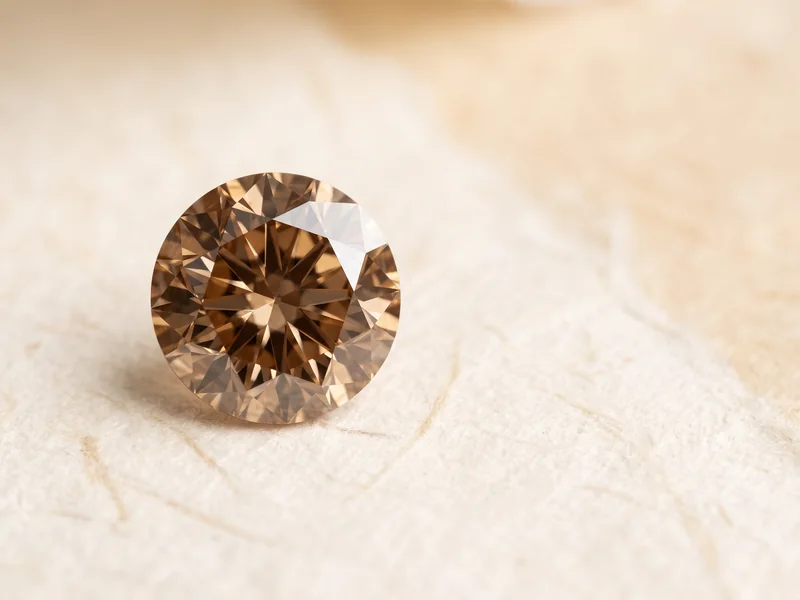 Fancy Colour DiamondsBrown, Champagne and Cognac Diamonds
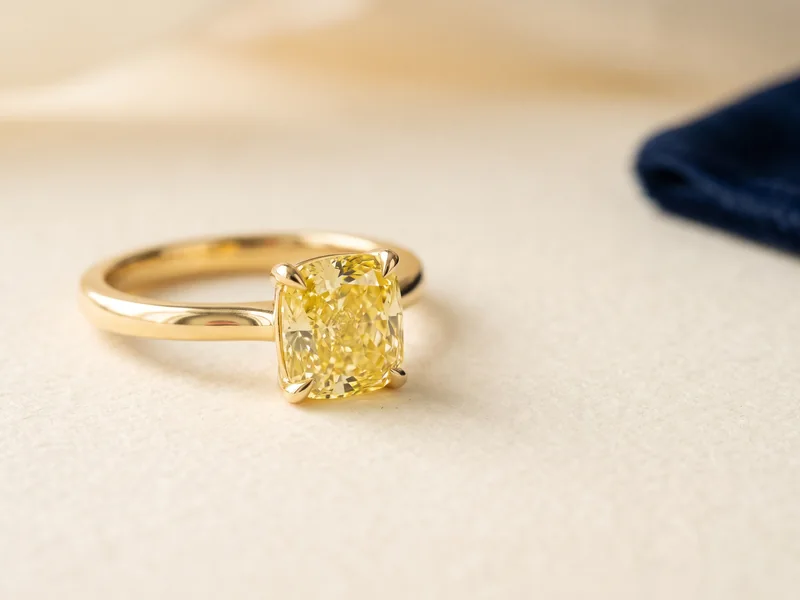 Fancy Colour DiamondsBest Settings and Metals for Coloured Diamonds
 Diamond 4Cs & GradingBrown, Grey and Blue Nuance in Colourless-Looking Diamonds
 Lab-Grown DiamondsBrown or Grey Tint in CVD Lab-Grown Diamonds
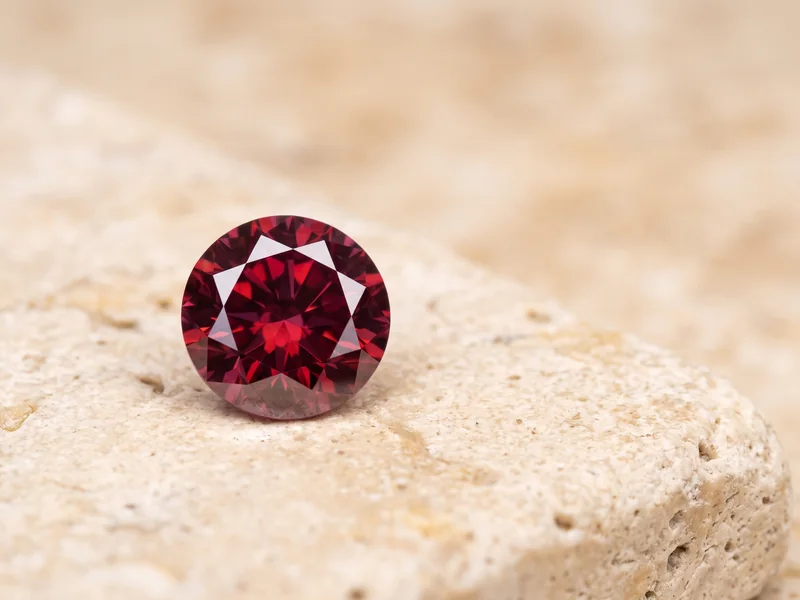 Fancy Colour DiamondsRed Diamonds
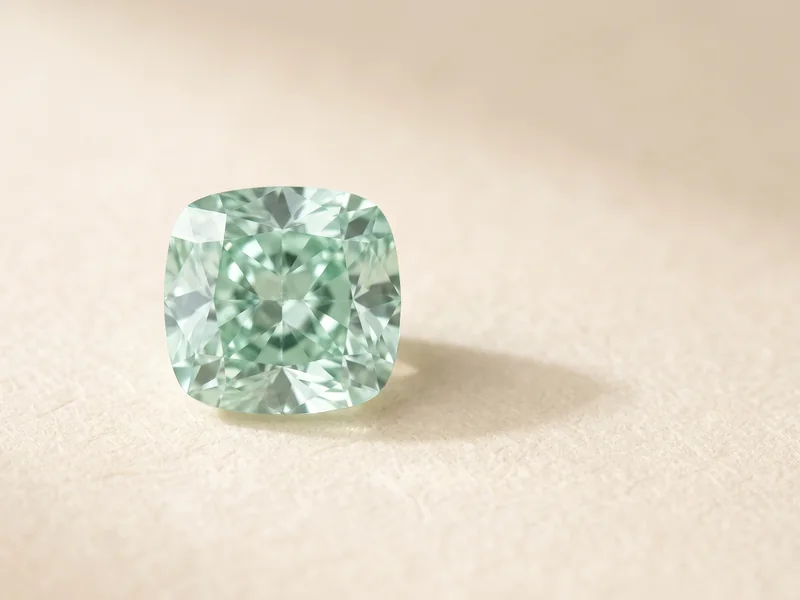 Fancy Colour DiamondsGreen Diamonds
Explore more
More guides on this topic
Education