
Gemstones
Ruby vs Sapphire Engagement Rings: Which Suits You?
Choosing between ruby vs sapphire engagement rings is really choosing a colour of the same gem mineral. Here is how the two compare on hardness, colour, clarity, treatments, Australian origins, settings and price.
 Reviewed by Raj Sood, Graduate Gemologist (GIA), AJP (GIA)Master jeweller and Graduate Gemologist (GIA) · reviewed 4 November 2026
Quick answer
Ruby and sapphire are the same mineral, corundum, so they are equally hard (9 on the Mohs scale) and equally suited to everyday engagement rings. Ruby is the red variety, coloured by chromium; sapphire is every other colour. Ruby is usually rarer and dearer in fine qualities and more often included, while sapphire offers more colours and Australian-mined options.
Ruby vs sapphire engagement rings: what is the difference?
Ruby and sapphire are not two different minerals. Both are corundum, which is crystallised aluminium oxide (Al2O3). Pure corundum is colourless. A trace of chromium in the crystal turns it red, and red corundum is called ruby. Every other colour, from blue to pink, yellow, green and purple, is sold as sapphire. Blue sapphire gets its colour from iron and titanium working together. Our overview of coloured gemstones places both within the wider family of ring stones.
Because they share a mineral, a ruby and a sapphire have the same hardness, the same toughness, the same refractive index (about 1.76–1.77, a measure of how strongly the stone bends light) and the same density. So the real differences in a ruby or sapphire engagement ring are colour, rarity, typical clarity, the treatments you are likely to meet, where the stones come from and what they cost. For the full background on each, see our complete ruby gemstone guide and the sapphire gemstone guide covering every colour. Any unfamiliar word below is also defined in our plain-English jewellery glossary.
| Ruby | Sapphire | |
|---|---|---|
| Mineral | Corundum | Corundum |
| Colouring element | Chromium | Iron and titanium (blue); other colours vary |
| Colour range | Red only, from purplish red to orangey red | Blue, pink, yellow, orange, green, purple, colourless and parti-colour |
| Hardness (Mohs) | 9 | 9 |
| Refractive index | about 1.76–1.77 | about 1.76–1.77 |
| Typical clarity | Usually visibly included; fine eye-clean stones are rare | Often eye-clean, especially in blue |
| Fluorescence under UV | Often strong red | Blue usually weak or none |
| Common treatments | Heat; lead-glass filling in low grades | Heat; beryllium diffusion in some colours |
| Australian supply | Very rare | Queensland and New South Wales |
| Birthstone month | July | September |
Is ruby or sapphire harder and tougher for everyday wear?
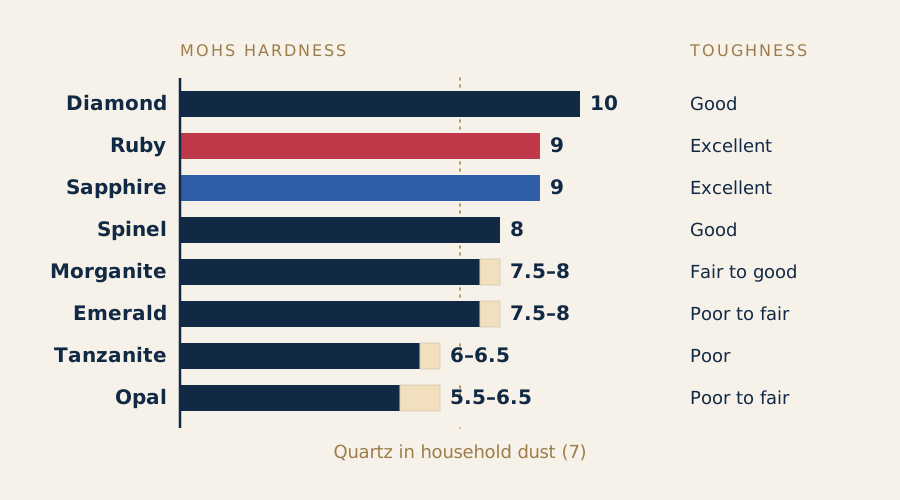
Neither is harder. Ruby and sapphire both sit at 9 on the Mohs scale, a ranking of scratch resistance where diamond is 10. Only diamond and a few lab-made materials will scratch them, which matters because everyday dust contains quartz at about 7 on the scale. Softer stones slowly lose their polish and their crisp facet edges from that dust; corundum does not.
Hardness is only half the story. Toughness is how well a stone resists chipping and breaking when it takes a knock. Corundum has no true cleavage (a plane along which a crystal splits cleanly), so it is rated excellent for toughness. Diamond is harder but can cleave if struck at the wrong angle. That is why, for ruby vs sapphire durability, the answer is a tie, and both are among the few coloured gems a gemmologist will happily recommend for a ring worn every day.
| Gem | Mohs hardness | Toughness | Everyday engagement ring? |
|---|---|---|---|
| Diamond | 10 | Good (can cleave) | Yes |
| Ruby | 9 | Excellent | Yes |
| Sapphire | 9 | Excellent | Yes |
| Spinel | 8 | Good | Yes, with reasonable care |
| Morganite | 7.5–8 | Fair to good | With care and a protective setting |
| Emerald | 7.5–8 | Poor to fair | Needs a protective setting and gentle wear |
| Tanzanite | 6–6.5 | Poor | Better for occasional wear |
| Opal | 5.5–6.5 | Poor to fair | Better for occasional wear or a bezel |
Excellent toughness is not invincibility. Stones with many surface-reaching fractures, heavily included rubies in particular, are weaker than clean ones, and star stones cut with a high dome can be knocked on corners. If you are weighing a coloured stone against a diamond, our comparisons of ruby against diamond for wear and sparkle and diamond vs sapphire engagement rings go through the trade-offs in detail.
What colours do rubies and sapphires come in?
Ruby is red, but red covers a range. The most valued rubies are a pure to slightly purplish red of medium to medium-dark tone with strong saturation. Pigeon's blood is an old trade name for this colour; a few labs use it on reports, but it is not a universal grade, so read what the report actually says. Orangey or brownish reds are usually valued lower.
Where ruby ends and pink sapphire begins is a genuine grey area, because both are coloured by chromium. Light or pastel stones are called pink sapphire; deep, saturated stones are called ruby. Different labs and markets draw the line in slightly different places, so in a pink sapphire vs ruby decision, the name on the report can change the price far more than the look. Choose the colour you love first, then check what the report calls it.
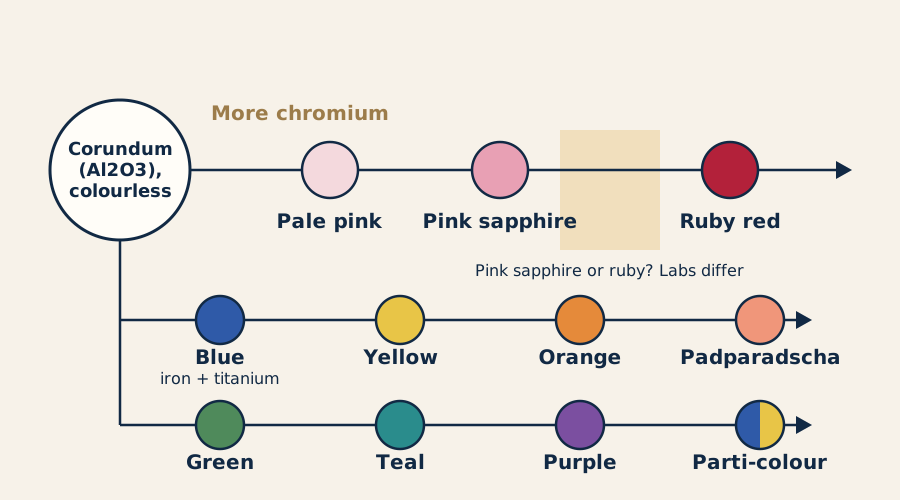
Sapphire gives you the widest palette of any ring stone with the same durability:
- Blue: the classic, from cornflower to deep royal blue. Very dark, inky blues are valued lower.
- Pink and purple: soft pinks to violet; see our purple sapphire colour guide.
- Yellow and orange: lemon to marigold; the orange sapphire guide covers the warm end, including the rare pinkish-orange padparadscha.
- Green: often olive to forest tones, common in Australian stones; read more about natural green sapphire.
- Teal: a blue-green blend that has become a popular modern choice, explained in teal sapphire engagement rings.
- Colourless (white) and parti-colour: white sapphire is a quieter alternative to diamond with less fire; parti sapphires show two or more colours in one stone.
How do you judge the quality of a ruby or a sapphire?
For both gems, colour drives most of the value. Gemmologists describe it in three parts: hue (the basic colour, such as red or blue), tone (how light or dark it is) and saturation (how strong or pure the colour is). The ideal for both is usually medium to medium-dark tone with vivid saturation. Too light looks washed out; too dark looks black in normal indoor light.
Clarity is where the two differ most. Chromium tends to come with growth stress, so rubies are usually more included than sapphires, and an eye-clean ruby over 1 carat is a genuine rarity. Fine needle-like inclusions called silk are common in both. A little silk softens and spreads the colour and can be a sign the stone has not been heated; heavy silk makes the stone look cloudy. When silk is dense and aligned, a domed cabochon can show a six-rayed star, covered in our guide to star sapphire and star ruby.
Both gems show pleochroism: different colours when viewed along different directions in the crystal. Ruby can look purplish red one way and orangey red another; blue sapphire can look violetish blue or greenish blue. A good cutter orients the rough so the best colour faces up through the table. Ruby has one extra advantage: chromium makes many rubies fluoresce red in daylight, which adds glow. Our step-by-step guide on judging ruby colour, clarity and cut goes deeper.
Not sure which one is right?
Send us the stones you are looking at and our gemologist will tell you which to choose and why.
Are rubies and sapphires treated, and does it matter?
Most rubies and sapphires on the market have been heated. Heat treatment at high temperature dissolves some silk and improves colour and clarity. It is stable, permanent and widely accepted, and heated stones are priced accordingly. Unheated stones of fine colour are rarer and sell at a clear premium. Every treatment should be disclosed, ideally on an independent lab report.
| Treatment | Used on | What it does | What it means for a ring |
|---|---|---|---|
| Heat only | Ruby and sapphire | Improves colour and clarity | Stable and durable; the market norm |
| Heat with flux | Mainly ruby | Heals fractures with a glassy residue | Durable; priced below heat-only stones |
| Lead-glass filling | Low-grade ruby | Fills many fractures with high-lead glass | Fragile: damaged by jeweller's torch heat and some chemicals; some labs call these composite rubies |
| Beryllium diffusion | Sapphire (and some ruby) | Adds or changes colour, often orange or yellow | Stable colour; priced well below untreated colour |
| None (unheated) | Ruby and sapphire | Natural as mined, then cut | Rarer; premium price; report should confirm |
Treated stones are still natural ruby and sapphire; treatment changes the appearance, not the mineral. A different category is the lab-created stone, grown in a laboratory. Lab-created ruby and lab-created sapphire (also called synthetic) have the same chemistry, hardness and refractive index as natural corundum, and have been made since the early 1900s, so a lab-created ruby engagement ring is genuinely durable. They cost a small fraction of natural stones and must always be sold under that name.
Where do rubies and sapphires come from, including Australia?
Today's rubies come mainly from Mozambique (around Montepuez), Myanmar (the Mogok valley is the historic source), Thailand, Sri Lanka, Madagascar and parts of East Africa. Blue sapphire comes from Sri Lanka, Madagascar, Myanmar, Thailand, Montana in the USA, the historic Kashmir deposits and Australia. Origin can affect price, especially for famous sources, but colour and clarity matter more than geography for how a stone looks.
Australia is sapphire country. The Central Queensland gemfields around Anakie, Sapphire and Rubyvale, and the New England region of New South Wales around Inverell and Glen Innes, have produced sapphires for well over a century, and Australia was one of the larger producers in the 1970s and 1980s. These sapphires formed in iron-rich basaltic ground, so Australian blues are often deep and strongly saturated, and the fields are known for green, yellow, teal and parti-colour stones. Despite the town name Rubyvale, gem-quality Australian ruby is very rare.
For anyone wanting a home-grown stone, an Australian sapphire engagement ring is a realistic choice in a way an Australian ruby is not. Strong pleochroism in many Australian blues means cut orientation matters, so look at the face-up colour, not just the rough's reputation.
Related guideAustralian Sapphire Engagement RingsHow much do ruby vs sapphire engagement rings cost in Australia?
In fine qualities, ruby usually costs more than blue sapphire of the same size, because large clean rubies are much rarer. At commercial qualities the gap narrows. Price climbs steeply with size for both: a 2 carat stone can cost considerably more per carat than a 1 carat stone of the same quality. The ranges below are for loose 1 carat stones of good colour and are broad guides only; the ruby vs sapphire price gap depends heavily on the exact stone.
| 1 ct loose stone, good colour | Approximate price range (AUD) |
|---|---|
| Lab-created ruby or sapphire | about $50–$500 |
| Lead-glass-filled ruby | about $20–$300 |
| Australian sapphire, heated | about $500–$3,000 |
| Blue sapphire, heated (Sri Lanka, Madagascar) | about $1,000–$6,000 |
| Blue sapphire, unheated | about $3,000–$15,000+ |
| Ruby, heated (Mozambique, Thailand) | about $2,000–$10,000 |
| Ruby, unheated, fine colour | about $8,000–$40,000+ |
Corundum is denser than diamond (about 4.00 against 3.52), so a 1 carat round sapphire or ruby measures roughly 6.0–6.3 mm across, a little smaller than a 1 carat round diamond at about 6.4–6.5 mm. Compare millimetre measurements as well as carat weight when you set a budget. The setting, metal and any diamond accents add to the total ring cost.
Browse natural gemstones: rubies and sapphires
What is the best setting for a ruby or sapphire engagement ring?
Because both gems are hard and tough, the full range of ring settings is open to them. Metal colour is the main design decision. Yellow and rose gold deepen the warmth of a ruby; white gold and platinum keep blue sapphire looking crisp and cool. Pastel sapphires such as pink or peach often suit rose gold, and green or teal stones sit well in yellow or white.
- Four or six claws: shows the most of the stone and lets light in; six claws add security for a centre over about 1 carat.
- Bezel: a thin rim of metal around the stone. Very secure and practical for active hands, and it protects the girdle (the outer edge).
- Diamond halo: a ring of small diamonds that frames the colour and makes the centre look larger.
- Three-stone: a ruby or sapphire centre with diamonds either side, or the reverse, with coloured stones as side accents.
- Ovals and cushions: the most common corundum cuts, because they keep weight from the rough and show colour evenly.
One practical point: if a stone has been glass-filled, the ring must be unset before any torch work, such as resizing, because heat damages the glass. Heated rubies and sapphires tolerate normal workshop care. For design ideas, see our ruby engagement ring designs and the sapphire engagement ring collection guide.
Should you choose a ruby or sapphire engagement ring? Step by step
Since durability is a tie, the choice comes down to colour, meaning and budget. Some couples choose by birthstone: ruby for July, sapphire for September, as explained in our July birthstone ruby guide. Others simply know whether they love red or blue. These steps keep the decision clear:
- Pick the colour first. Red points to ruby; blue, pink, teal, green, yellow or purple points to sapphire. If you are between deep pink and red, view both side by side.
- Set a budget by size. Compare millimetre measurements and decide whether a fine 1 carat stone or a larger commercial stone suits you better.
- Ask for the report. Confirm the stone is natural or lab-created, and check the treatment: heat only, unheated, diffusion or glass-filled.
- Judge colour in real light. Look in daylight and indoor light, and check that the colour faces up evenly without a pale window in the centre.
- Check clarity by eye. Expect some inclusions in ruby; avoid fractures that reach the surface near the edge.
- Match the metal and setting. Choose a metal colour that flatters the stone and a claw or bezel setting that suits how you live.
Free consultation
Talk to a gemologist
Compare stones in person or online with Raj Sood, Graduate Gemologist (GIA), AJP (GIA).
Book a consultationShop this shape
FAQ
Common questions
Is ruby harder than sapphire?
No. Ruby and sapphire are both corundum and both rate 9 on the Mohs scale, with excellent toughness. Either is suitable for an engagement ring worn every day.
Is a pink sapphire the same as a ruby?
They are the same mineral coloured by the same element, chromium. Lighter stones are called pink sapphire and deep, saturated red stones are called ruby, and labs draw the line in slightly different places.
Which is more expensive, ruby or sapphire?
In fine qualities ruby is usually more expensive than blue sapphire of the same size, because clean, well-coloured rubies over 1 carat are rarer. At commercial qualities the prices can overlap.
Are Australian sapphires good for engagement rings?
Yes. Australian sapphires from Queensland and New South Wales have the same hardness as any sapphire, and the fields are known for deep blues, greens, teals and parti-colour stones.
Are lab-created rubies real rubies?
A lab-created ruby has the same chemistry, hardness and optical properties as natural ruby, but it was grown in a laboratory. It must always be sold as lab-created or synthetic, and it costs far less than a natural ruby.
Do heated rubies and sapphires lose their colour?
No. Standard heat treatment is permanent and stable under normal wear. It should still be disclosed, and unheated stones of similar colour are priced higher.

Ask a gemologist
Not sure which diamond to choose?
Raj Sood is a Graduate Gemologist (GIA) and master jeweller. Bring the stones you are considering, or send the reports, and he will tell you honestly which one is better and why.
Keep learning
Related guides
 GemstonesRuby Engagement Rings
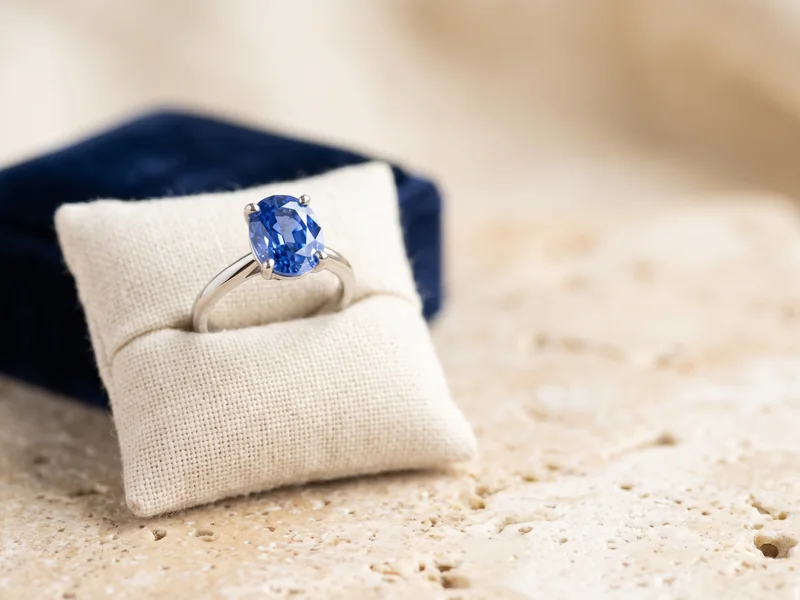 GemstonesSapphire Engagement Rings in Melbourne
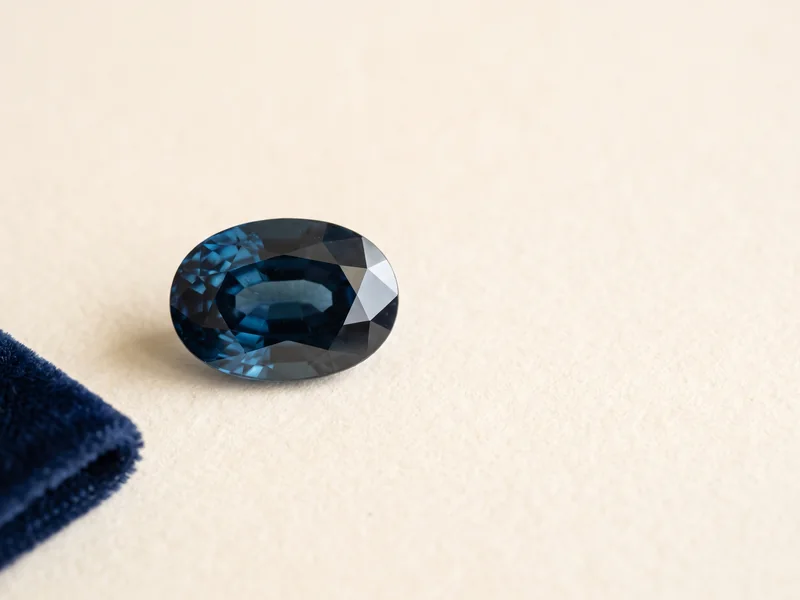 GemstonesAustralian Sapphire Engagement Rings
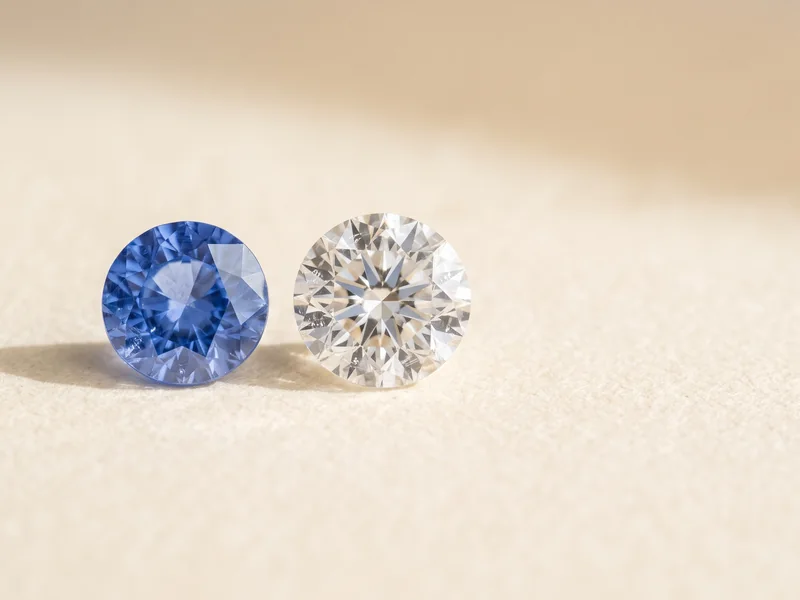 GemstonesRuby vs DiamondGemstonesGemstones | Coloured Gemstones, Birthstones and Custom JewelleryGemstonesRuby Gemstones Melbourne
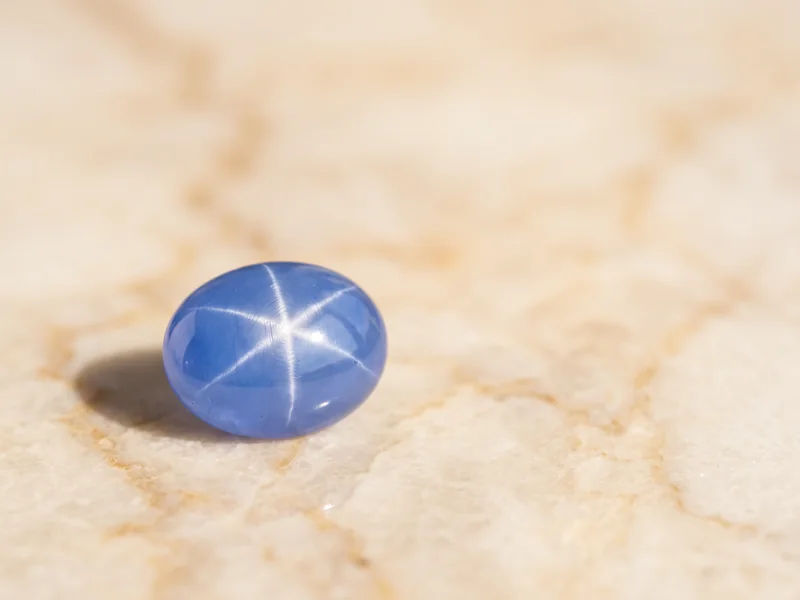 GemstonesStar Sapphire and Star RubyGemstonesHow to Judge Ruby Quality
Explore more
More guides on this topic
Education