
GemTrove
Sapphire Gemstones
Sapphire gemstone guide covering colours, quality factors, treatments, natural versus lab-grown options, setting choices and practical jewellery guidance.
Traditional strength with modern colour choice.
Sapphire has long been valued in fine jewellery because it offers colour, durability and classic
elegance.
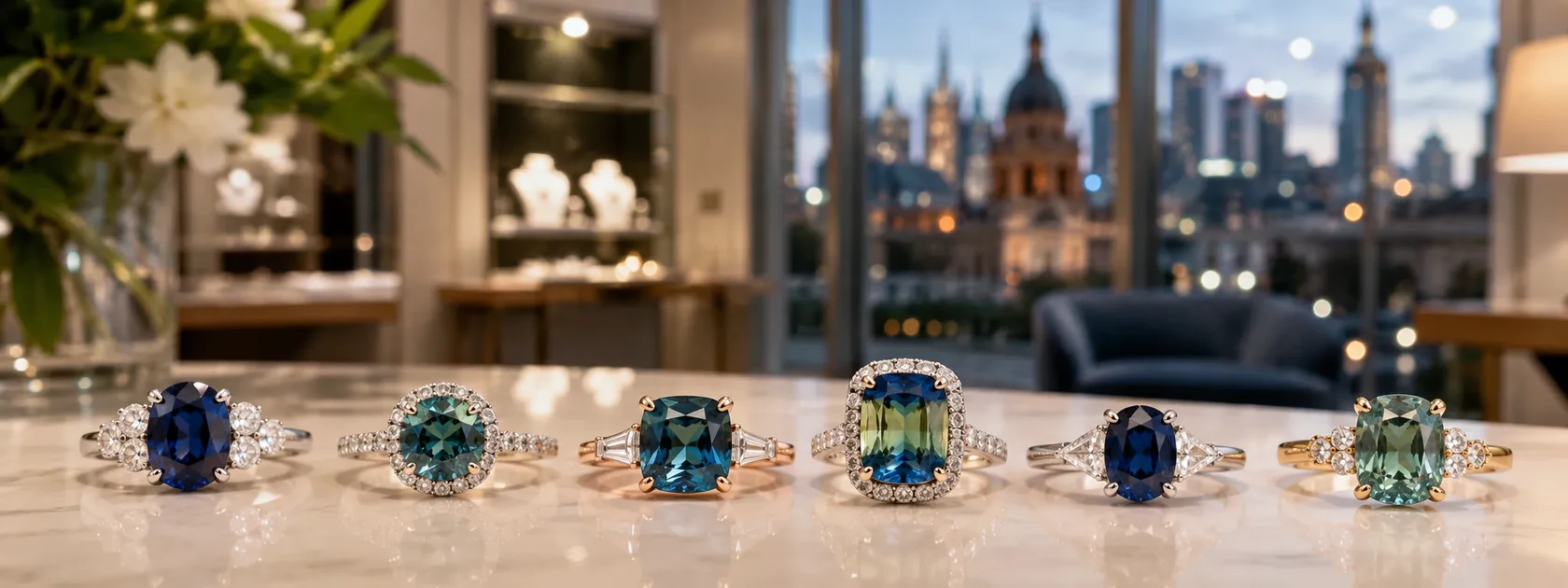
GEMSTONE GUIDE
Sapphire is a durable coloured gemstone from the corundum family, valued for
engagement rings, birthstone jewellery and custom fine jewellery. GemTrove helps clients
compare blue, teal, parti, pink, yellow, natural and lab-grown sapphires with
gemmologist-led guidance on colour, treatment, setting suitability and long-term wear.
This guide explains sapphire colours, quality factors, treatments, natural versus lab-grown options,
setting choices and practical buying guidance for rings, pendants, earrings and heirloom jewellery.
Book a Gemstone Consultation Create Birthstone Jewellery
Corundum
Sapphire belongs to the corundum mineral
family.
Hardness 9
A durable gemstone choice for rings and
daily-wear jewellery.
Many Colours
Blue, teal, pink, yellow, green, purple and
parti-colour options.
Custom Design
Suitable for engagement rings, pendants,
earrings and heirloom pieces.
Compare sapphire colours, quality factors, treatments and setting options before choosing a gemstone.
Sapphire at a glance
Sapphire is a hard, durable and colourful gemstone used in engagement rings,
birthstone jewellery, dress rings and heirloom pieces. The most important buying
factors are colour, cut, clarity, treatment status, natural or lab-grown origin, setting
suitability and how the stone looks in real light.
Feature Sapphire guidance Why it matters
Mineral
family
Corundum Ruby and sapphir
other gem colour
Hardness 9 on the Mohs scale Suitable for many
Colours Blue, teal, parti-colour, pink, yellow, green, purple,
white and more
Colour choice str
personal appeal.
Treatments Heat treatment is common; unheated stones may
need laboratory confirmation
Treatment disclos
Jewellery use Engagement rings, birthstone jewellery, pendants,
earrings and custom designs
Sapphire offers st
jewellery.
What is a sapphire gemstone?
A sapphire gemstone is gem-quality corundum in colours other than red. Blue is the
classic sapphire colour, but sapphires also occur in teal, pink, yellow, green, purple,
orange, white, grey and parti-colour combinations, making them versatile for
engagement rings and custom jewellery.
Sapphire belongs to the same mineral family as ruby. In simple jewellery language, red
corundum is ruby and other gem-quality colours are generally called sapphire. The colour
can be influenced by trace elements, crystal growth conditions and treatment history.
Blue sapphire colour is often associated with iron and titanium trace elements. Colour
should be judged in real viewing conditions, because tone, saturation, zoning and lighting
can change how a sapphire appears.
Sapphire is hard, tough and suitable
for many types of fine jewellery when
correctly set.
Clients may choose natural sapphires,
lab-grown sapphires or other
coloured gemstones depending on
preference and budget.
Classic or Modern
Sapphire can suit traditional
heirloom rings, modern engagement
rings and colourful custom jewellery.
Sapphire colours and styles
Sapphire colour is one of the strongest drivers of beauty, rarity and personal
preference. GemTrove can help compare classic blue sapphire, teal sapphire, parti
sapphire, pink sapphire, yellow sapphire and white sapphire by colour strength, tone,
saturation, cut, clarity and jewellery design suitability.
A fine sapphire should be judged by its overall beauty, not just its colour name. Tone,
saturation, colour zoning, transparency, cut and treatment status all influence how
attractive the stone looks once set.
Sapphire type General appearance Jewellery suitabi
Blue Sapphire Classic blue tones from light to deep royal blue. Engagement ring
jewellery.
Teal Sapphire A blend of blue and green tones, often with a
modern Australian feel.
Alternative enga
Parti
Sapphire
Two or more visible colour zones in one gemstone. One-of-a-kind je
Pink
Sapphire
Soft blush through to vivid pink tones. Romantic rings,
Yellow
Sapphire
Warm yellow to golden tones. Bright custom je
White
Sapphire
Colourless to near-colourless sapphire. May be used as a
the same fire as d
Star Sapphire Shows a star-like optical effect when cut as a
cabochon.
Collector pieces,
GemTrove tip: Do not choose sapphire colour from a name alone. View the actual
gemstone where possible, because tone, saturation, windowing, colour zoning and
lighting can change how the sapphire appears.
How to judge sapphire quality
Sapphire quality is judged by colour, cut, clarity, treatment status, carat weight, origin
information where available and overall visual beauty. Unlike diamonds, sapphires are
not sold through one simple universal retail grading scale, so expert inspection and
careful comparison are important before buying.
A gemmologist looks at several quality factors together. A sapphire with a strong colour
name is not automatically superior if it is too dark, heavily windowed, poorly cut or
affected by inclusions that reduce transparency or durability.
1 Colour
Look at hue, tone and saturation. A beautiful sapphire should have
attractive colour without being too dark, too grey or too washed out.
Sapphire cutting affects brightness, face-up size and colour return. Poor
cutting can create dark centres, windows or uneven brilliance.
3 Clarity
Natural sapphires commonly have inclusions. The key question is whether
inclusions affect beauty, transparency, durability or value.
4 Treatment status
Heat treatment is common in sapphire. Unheated sapphires can be rarer, but
beauty, certificate information and value should be considered together.
5 Setting suitability
The gemstone should suit the ring, pendant, earrings or jewellery design.
Shape, depth, size and edge protection all matter.
Natural sapphire vs lab-grown sapphire
Natural sapphire forms in the earth, while lab-grown sapphire is created in controlled
laboratory conditions. Both can be used in jewellery, but they differ in rarity, source,
value expectations, disclosure requirements and emotional preference. GemTrove can
explain both options clearly before custom design begins.
The right choice depends on the purpose of the jewellery, desired colour, budget, treatment
expectations, rarity preference and whether the client values natural geological origin or a
lab-grown alternative.
Natural
Sapphire
Chosen for natural origin, rarity, individuality, inclusions
and traditional gemstone appeal.
Colour, c
relevant
Lab-Grown
Sapphire
Chosen for colour, availability, value and design flexibility. Clear dis
and whet
Heated
Sapphire
Commonly chosen because heat treatment is widely
accepted and can improve colour or clarity.
Treatmen
price refl
Unheated
Sapphire
Chosen for rarity and natural untreated appeal. Independ
value unh
GemTrove can help compare natural and lab-grown sapphire options for custom
engagement rings, birthstone jewellery, dress rings, pendants and remodelling
projects.
Sapphire treatments and certificates
Many sapphires are heat treated to improve colour or clarity, and this is widely
accepted in the jewellery trade when properly disclosed. For higher-value sapphires,
especially stones sold as unheated, a trusted gemmological laboratory report can help
confirm treatment status and support buyer confidence.
Treatment should not automatically discourage a buyer, but it should be understood. A
beautiful heated sapphire can be an excellent choice, while a fine unheated sapphire may
command a premium because of rarity and documentation.
Heat Treatment
Common in sapphire and usually
accepted when disclosed clearly and
No-Heat Claims
For valuable unheated sapphires,
independent laboratory confirmation
Disclosure
Gemstone treatment, natural or lab-
grown origin and certificate details
should be explained before purchase.
Are sapphires suitable for engagement rings?
Sapphire is one of the best coloured gemstones for engagement rings because it
combines strong durability with rich colour choice. It suits classic blue solitaires, teal
sapphire designs, three-stone rings, halo rings, vintage-inspired rings and modern
custom engagement rings when the stone is properly selected and set.
The setting should still be chosen carefully. Protective claws, bezels, halos or well-designed
baskets can help protect the gemstone edges. Very shallow, heavily windowed or unusually
included sapphires may need extra caution.
Classic Blue Rings
Blue sapphire works beautifully with
white diamonds, yellow gold,
platinum and traditional heirloom-
inspired designs.
Teal & Parti Rings
Teal and parti sapphires are ideal for
clients wanting a more distinctive
colour story.
Coloured Accents
Sapphire side stones or hidden
accents can add colour while keeping
the centre stone diamond-focused.
Sapphire setting and care guidance
Sapphire is durable enough for many rings and daily-wear jewellery, but it still needs a
secure setting and sensible care. The best setting protects the gemstone edges, suits the
wearer’s lifestyle and allows the sapphire colour to show beautifully in the chosen
metal.
Sapphire is a strong gemstone, but all jewellery should be worn with care. The design should
protect the stone, suit the wearer’s lifestyle and allow sensible cleaning and maintenance
over time.
Ring Settings
Prong, bezel, halo, three-stone and
side-stone designs can all suit
sapphire when well proportioned.
Metal Choices
White gold, yellow gold, rose gold
and platinum can each change how
sapphire colour appears.
Cleaning
Use gentle cleaning and have settings
checked periodically, especially for
rings worn every day.
For more help, see GemTrove’s diamond and gemstone setting guide and jewellery
care and maintenance guide.
options. These guides support better decisions before choosing a loose sapphire,
gemstone ring, pendant, earrings or custom-made jewellery design.
Guidance for choosing sapphire as a
centre stone.
Teal Sapphire Engagement Rings
Explore blue-green sapphire options
for modern rings.
Parti Sapphire Engagement Rings
Learn about multi-colour sapphires for
unique designs.
Coloured Gemstone Consultation
Compare sapphire, ruby, emerald,
aquamarine and other gemstones.
Create gemstone jewellery with
personal birthstone meaning.
Ask about sapphire sourcing, custom
design and gemstone settings.
Client Confidence
GemTrove supports sapphire buyers with personalised gemstone guidance, custom
jewellery knowledge and clear explanations before a design is made. Clients can
discuss colour, treatment, natural or lab-grown origin, metal choice, setting style and
long-term wear with practical advice from a third-generation jewellery business.
Clients often value GemTrove’s personalised guidance, patience, communication, custom
design support, jewellery knowledge and attention to the brief. You can read or leave a
Google review for GemTrove here: GemTrove Google reviews.
General Case Study:
The brief: A client wants a sapphire engagement ring but is unsure between blue, teal
and parti sapphire.
GemTrove’s guidance: The gemstones are compared for colour, brightness, shape,
durability, personal style and design fit.
GemTrove Guidance in Melbourne
GemTrove welcomes clients by appointment at its Melbourne CBD showroom to
compare sapphire gemstones, natural diamonds, lab-grown diamonds, coloured
gemstones and custom jewellery design options. The consultation process helps clients
understand colour, treatment, certification, setting suitability and design choices
before making a final decision.
GemTrove is located at Suite 903/125 Swanston St, Melbourne VIC 3000. For sapphire
engagement rings, gemstone jewellery, birthstone jewellery, custom-made jewellery,
remodelling, repairs and valuations, contact GemTrove or book a private showroom
appointment.
Contact GemTrove View GemTrove on Google Maps
FAQ: Sapphire gemstones
These sapphire gemstone FAQs answer common customer questions about colour,
durability, engagement ring suitability, treatment, natural and lab-grown options,
metal choice and sourcing. They are designed to help buyers understand the practical
points before choosing a sapphire for fine jewellery.
What is sapphire?
Sapphire is the gem variety of corundum. Blue is the best-known colour, but sapphire can
also occur in many other colours including pink, yellow, green, purple, teal and parti-colour.
Yes. Sapphire is one of the most practical coloured gemstones for engagement rings because
it is hard, durable and suitable for many everyday-wear designs.
Is sapphire only blue?
No. Blue sapphire is the classic choice, but sapphires are available in many colours. Fancy
sapphires include pink, yellow, green, purple, orange, white, teal and parti-colour stones.
What is a parti sapphire?
A parti sapphire shows two or more colours within one gemstone. These stones are popular
for custom jewellery because each gem has its own colour pattern.
What is teal sapphire?
Teal sapphire shows a mix of blue and green tones. It is often chosen for modern, nature-
inspired and alternative engagement ring designs.
Are heated sapphires acceptable?
Yes. Heat treatment is common and widely accepted in sapphire. For higher-value sapphires,
treatment disclosure and independent laboratory reports are important.
Are unheated sapphires more valuable?
Unheated sapphires can be rarer, especially when they have fine colour and clarity. A
reliable laboratory report is important when a sapphire is sold as unheated.
Can I choose a lab-grown sapphire?
Yes. Lab-grown sapphire can be used in custom jewellery where the client prefers that
option. Clear disclosure is important so the gemstone type is understood before purchase.
What metal looks best with sapphire?
Blue sapphire often pairs beautifully with white gold, platinum and yellow gold. Teal, pink
and yellow sapphires can change character depending on whether they are set in white,
yellow or rose gold.