
Gemstones
Purple Sapphire Guide: Colour, Treatments, Origins and Value
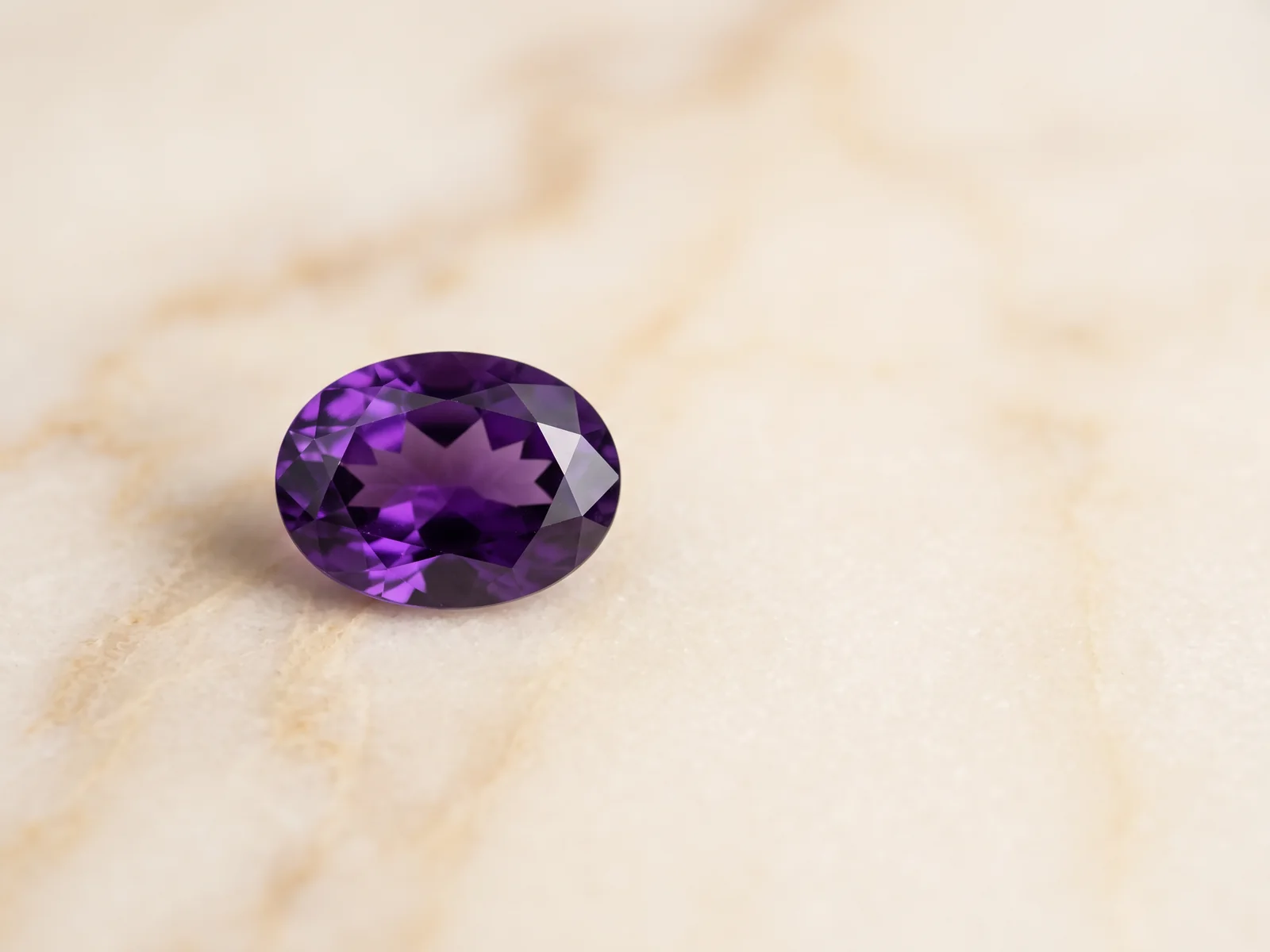
A purple sapphire gives you anything from soft lavender to deep plum in a stone hard enough for a ring you wear every day. Here is how a gemologist judges its colour, treatments, origin and value before you compare stones.
 Reviewed by Raj Sood, Graduate Gemologist (GIA), AJP (GIA)Master jeweller and Graduate Gemologist (GIA) · reviewed 4 November 2026
Quick answer
A purple sapphire is corundum coloured by a mix of chromium and iron-titanium, ranging from lavender and violet to plum. At 9 on the Mohs scale with no cleavage, it suits everyday rings. Value depends on a medium to medium-dark, strongly saturated purple, eye-clean clarity, a good cut, size, and whether it is unheated.
What is a purple sapphire?
A purple sapphire is a variety of corundum, the crystal form of aluminium oxide (Al2O3). Pure corundum is colourless; tiny amounts of other elements trapped in the crystal give it colour. Red corundum is called ruby, and every other colour is called sapphire, so a purple stone belongs to the same family as blue, pink, yellow and green sapphires. Our complete sapphire gemstone guide covers the whole family, and the wider world of coloured stones is on our coloured gemstones and birthstones page.
Purple comes from two colour causes working together. Chromium adds red to pink, and iron and titanium together add blue. Where the two overlap, you see purple: more blue pushes the stone towards violet, more chromium pushes it towards a reddish purple or magenta. Some purple sapphires also contain vanadium, which is linked to stones that look different in daylight and warm indoor light. If that idea appeals, read about sapphires that shift colour under different lights.
The physical properties are those of all corundum: 9 on the Mohs scale of scratch resistance, a refractive index (how strongly the stone bends light) of about 1.76–1.78, and a specific gravity (density compared with water) of about 4.00. Sapphire is also the September birthstone, and a purple sapphire counts just as much as a blue one. If any of these terms are new, our plain-English jewellery glossary explains them.
What colours do purple sapphires come in?
Gemologists describe colour with three words. Hue is the colour itself (violet, purple, reddish purple). Tone is how light or dark it is. Saturation is how strong or pure the colour is, from greyish to vivid. Purple sapphires cover a wide spread of all three, and the trade uses a handful of everyday names for the main styles.
| Colour name | What it looks like | What to know |
|---|---|---|
| Lavender | Light, soft purple, gentle saturation | Usually lower priced; looks pretty in rose gold |
| Violet sapphire | Bluish purple | Can lean noticeably bluer in daylight |
| Purple | Balanced, neither blue nor red | The core of the category |
| Reddish purple / magenta | Purple with strong pink-red | Borders pink sapphire, and ruby when red enough |
| Plum | Dark, rich purple | Too dark and it can look blackish in dim light |
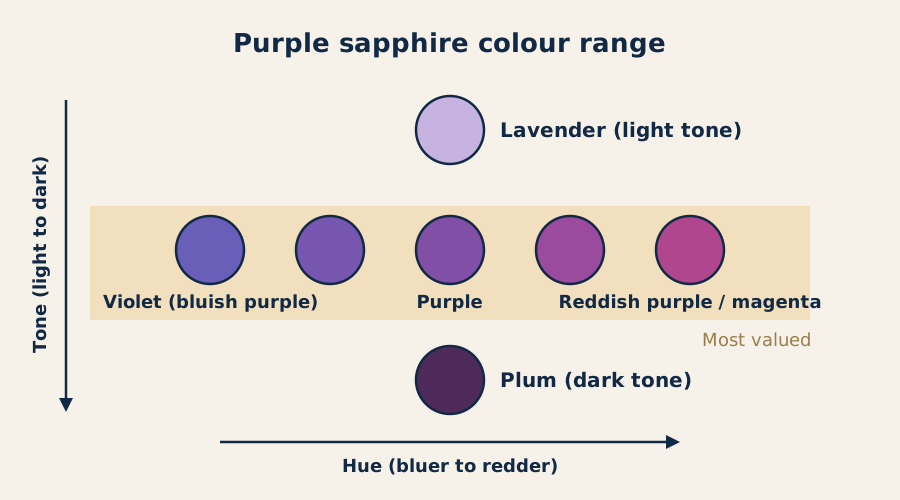
In most purples, the stones that command the highest prices sit at a medium to medium-dark tone with strong to vivid saturation and no grey or brown masking the colour. Very light lavenders and very dark plums cost less, though plenty of people prefer a soft lavender for its gentle look.
Sapphire is also pleochroic, meaning it shows slightly different colours when viewed along different directions through the crystal. In a purple sapphire you often see a bluer violet one way and a pinker purple the other. A skilled cutter orients the rough so the more attractive colour shows through the top of the stone. Where purple ends and pink begins is partly a judgement call, and sapphire's warmer colours run on through the pinkish-orange padparadscha to orange sapphire's sunset tones.
Related guideColour-Change SapphireHow hard and tough is a purple sapphire for everyday wear?
Two different properties decide whether a gem survives daily life. Hardness is resistance to scratching; toughness is resistance to chipping and breaking. Purple sapphire scores well on both. At 9 on the Mohs scale it resists the quartz dust in everyday grit (quartz is 7), so its facet edges stay crisp for decades. It has no true cleavage (a flat plane along which a crystal splits easily), which is why its toughness is usually rated good to excellent.
| Purple gem | Mohs hardness | Toughness | Everyday ring? |
|---|---|---|---|
| Diamond (purple) | 10 | Good (has cleavage) | Yes |
| Purple sapphire | 9 | Good to excellent (no cleavage) | Yes |
| Purple spinel | 8 | Good | Yes, with some care |
| Rhodolite garnet | 7–7.5 | Fair to good | Occasional wear or protective setting |
| Amethyst (quartz) | 7 | Good | Occasional wear; scratches over time |
| Iolite | 7–7.5 | Fair (has cleavage) | Occasional wear |
| Tanzanite | 6–6.5 | Fair (has cleavage) | Pendants and earrings; rings with care |
Corundum can show parting, a weakness along planes created by internal twinning, and natural stones may contain small fractures. Neither is common in a well-chosen stone, but a hard knock on a thin edge can still chip a sapphire. Choosing a stone without surface-reaching fractures and a setting that guards the edges takes care of most risk.
How do you tell purple sapphire vs amethyst, spinel and other purple gems?
Several gems look purple, and some sellers blur the names. A gemologist separates them with a refractometer (which measures refractive index), a polariscope (which shows whether a stone is singly or doubly refractive), specific gravity and a microscope. These are the readings that settle it:
| Gem | Mohs | Refractive index | Optic character | Quick clue |
|---|---|---|---|---|
| Purple sapphire | 9 | 1.76–1.78 | Doubly refractive | Silk, straight colour zoning, SG about 4.00 |
| Amethyst | 7 | 1.54–1.55 | Doubly refractive | Much lower RI; lighter in the hand (SG 2.65) |
| Purple spinel | 8 | about 1.72 | Singly refractive | Stays dark in the polariscope as you turn it |
| Rhodolite garnet | 7–7.5 | about 1.76 | Singly refractive | RI overlaps sapphire; polariscope separates them |
| Tanzanite | 6–6.5 | 1.69–1.70 | Doubly refractive | Strong blue, violet and brownish colours from different angles |
| Lab-created sapphire | 9 | 1.76–1.78 | Doubly refractive | Curved growth lines and gas bubbles (flame-fusion type) |
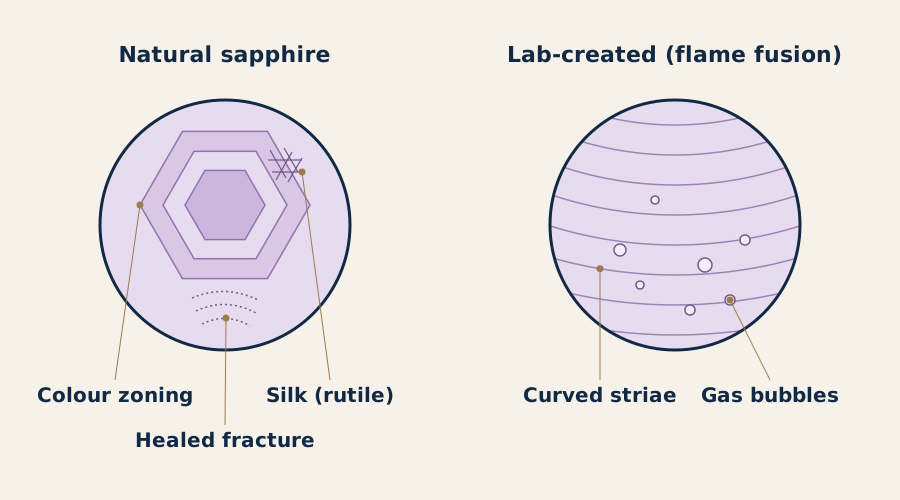
Lab-created purple sapphire is real corundum with the same hardness and refractive index, grown in a laboratory rather than mined. The cheapest kind, made by flame fusion, often shows curved growth lines and round gas bubbles under magnification. Natural stones show straight, angular colour bands, fine needles of rutile called silk, and healed fractures that look like fingerprints. Flux-grown and hydrothermal lab-created sapphires are harder to spot and may need a gem laboratory. A lab-created sapphire is a sound choice at a low price; it simply must be sold as lab-created or synthetic.
Purple diamond is a separate gem again, far rarer and more costly per carat; our guide to naturally purple diamonds explains why.
Not sure which one is right?
Send us the stones you are looking at and our gemologist will tell you which to choose and why.
Are purple sapphires heat treated?
Most sapphires on the market, purple included, have been heated. Heating is a long-standing, stable treatment that can dissolve silk, even out colour and remove unwanted blue or brown. It is accepted in the trade, but it must be disclosed, and an unheated purple sapphire of the same quality costs noticeably more. These are the treatments you may see on a report:
- Heat only: the most common. Stable and permanent; normal care applies.
- Beryllium (lattice) diffusion: heating with beryllium to add or shift colour, more often used for orange and pink but possible in purples. Must be disclosed and lowers value.
- Fracture or glass filling: lead glass or similar filler hides cracks in low-grade material. Less durable and damaged by heat, acids and some cleaning methods.
- Dyeing or coating: uncommon in sapphire but seen in cheap material; colour can wear or wash off.
- No indications of heating: the report wording for an unheated stone.
Heating also changes other sapphire colours, for example clearing faint tints in colourless white sapphire. For any purple sapphire above about 1 carat, or any stone sold as unheated, a report from an independent laboratory is worth asking for, because heat can be hard to detect without lab equipment.
Where do purple sapphires come from, and is there Australian purple sapphire?
Purple sapphires are mined in several countries, and each source tends to produce a slightly different look. Origin can influence price, though quality matters far more than geography.
- Sri Lanka: known for bright, lighter to medium violet and purple stones with good clarity.
- Madagascar: a major source of pink-purple and purple sapphire since the late 1990s.
- Tanzania and East Africa: purples from areas such as Umba and Songea, often with reddish or brownish secondary tones.
- Myanmar (Burma): rare, richly saturated purples from the Mogok area.
- Montana, USA: pastel sapphires, including lavender, from alluvial deposits.
Australia is one of the world's historic sapphire producers, with fields in Central Queensland (around Anakie, Rubyvale and Sapphire) and the New England region of New South Wales (around Inverell and Glen Innes). These fields mostly yield deep blue, green, yellow and two-tone stones, and purple is uncommon. Australian purple sapphire does turn up, but in small quantities. Learn more about local stones in our guide to engagement rings set with Australian sapphires, and see the two-tone stones the fields are famous for in parti sapphire rings.
Australian material also supplies plenty of natural green sapphire and blue-green stones, which are popular as teal sapphire engagement rings.
What affects purple sapphire price in Australia?
Coloured gems have no single grading scale like the diamond 4Cs, so value comes from judging several factors together. In rough order of importance:
- Colour: a pure, medium to medium-dark purple with strong saturation is valued most. Grey or brown overtones lower the price.
- Treatment: unheated stones cost more than heated ones; diffused or glass-filled stones cost much less.
- Clarity: purple sapphire is normally expected to be eye-clean (no inclusions visible without magnification). Fine silk is acceptable; surface-reaching fractures are not.
- Cut: a well-cut stone has even colour and no window, a washed-out, see-through patch in the centre caused by a shallow pavilion (the lower half of the stone).
- Size: price per carat rises steeply above about 2 carats, where fine purples become scarce.
- Origin: some origins, such as Myanmar, can add a premium when documented by a lab.
| Type (eye-clean, about 1–2 ct) | Approximate price (AUD) |
|---|---|
| Lab-created purple sapphire | about $30–$200 per stone |
| Natural, light lavender, heated | about $300–$800 per carat |
| Natural, medium purple, heated | about $800–$2,000 per carat |
| Natural, fine vivid purple, unheated | about $2,000–$5,000+ per carat |
These are broad ranges only and move with the market and the individual stone. As a general pattern, purple sapphire usually costs less than a blue or pink sapphire of similar quality, which makes it a good way to get a large, well-coloured natural sapphire for the money. Keep in mind that sapphire is denser than diamond (SG about 4.00 against 3.52), so a 1 carat round sapphire measures only about 6.0 mm across, compared with about 6.4 mm for a 1 carat round diamond. Compare millimetre sizes, not just carat weights.
Browse natural gemstones
Is a purple sapphire good for an engagement ring?
Yes. A purple sapphire engagement ring is one of the few coloured-stone choices that handles daily wear almost as well as diamond, thanks to its 9 hardness and lack of cleavage. Our guide to sapphire engagement rings in Melbourne covers styles across every colour, and if you are weighing your options, see how diamond and sapphire compare for an engagement ring or why sapphire is more durable than emerald. For the classic alternative, there is also our comparison of teal versus traditional blue sapphire.
- Claws: four or six claws show the most colour. Six claws give extra security for stones over about 1.5 carats.
- Bezel: a rim of metal around the edge fully protects the girdle (the outer edge) and suits active hands.
- Halo: a ring of small diamonds brightens a darker plum and makes the centre look larger.
- Metal: white gold and platinum keep violet tones cool and crisp; rose gold warms reddish purples and lavenders; yellow gold gives a strong, vintage contrast.
Oval and cushion cuts are common for purple sapphire because they keep more weight from the rough crystal and show colour evenly. Rounds give the most sparkle but cost more per carat for the same colour.
How do you clean and care for a purple sapphire?
- Routine cleaning: warm water, a few drops of mild dishwashing liquid and a soft toothbrush, then rinse and dry with a lint-free cloth.
- Ultrasonic and steam: usually safe for unheated and heat-only stones without fractures. Avoid both for glass-filled, dyed or fractured stones.
- Chemicals: keep filled stones away from acids, including some jewellery dips and lemon juice.
- Storage: store separately. Sapphire will scratch softer gems and gold, and diamond can scratch sapphire.
- Checks: have the claws or bezel checked every 6–12 months; a loose claw is the usual cause of a lost stone.
How do you choose a purple sapphire? Step by step
- Confirm what it is. Check the report or invoice says natural or lab-created sapphire, and lists any treatment.
- Ask about heat. If a stone is sold as unheated, ask for an independent lab report that states no indications of heating.
- Judge the colour in two lights. View it in daylight and warm indoor light; aim for medium to medium-dark tone with no grey or brown.
- Check clarity and cut. Look for an eye-clean stone, even colour and no washed-out window in the centre.
- Compare millimetres. Use the measurements, not just carat weight, because sapphire is denser than diamond.
- Plan the setting. Choose claws, a bezel or a halo that protect the edges and suit the purple you have chosen.
Free consultation
Talk to a gemologist
Compare stones in person or online with Raj Sood, Graduate Gemologist (GIA), AJP (GIA).
Book a consultationShop this shape
FAQ
Common questions
Is purple sapphire rare?
Purple sapphire is less common than blue, but it is readily available from Sri Lanka, Madagascar and East Africa. Fine, vivid, unheated purples above about 2 carats are genuinely scarce.
Is purple sapphire more expensive than blue sapphire?
Usually not. A purple sapphire typically costs less than a blue or pink sapphire of similar colour quality, clarity and size, though fine unheated purples can still be costly.
What is the difference between purple sapphire and amethyst?
Purple sapphire is corundum, 9 on the Mohs scale with a refractive index of about 1.76–1.78. Amethyst is quartz, 7 on the Mohs scale with a refractive index of about 1.54–1.55, so it scratches more easily and costs far less.
Can you wear a purple sapphire ring every day?
Yes. Its hardness and lack of cleavage make purple sapphire one of the most durable coloured gems for daily wear, especially in a setting that protects the edges.
Are there Australian purple sapphires?
Yes, but they are uncommon. Australian fields in Queensland and New South Wales mainly produce blue, green, yellow and parti sapphires, with purple turning up in small quantities.
Is a lab-created purple sapphire a real sapphire?
Yes. A lab-created purple sapphire is real corundum with the same hardness and optical properties, grown in a laboratory rather than mined, and it must be sold as lab-created or synthetic.

Ask a gemologist
Not sure which diamond to choose?
Raj Sood is a Graduate Gemologist (GIA) and master jeweller. Bring the stones you are considering, or send the reports, and he will tell you honestly which one is better and why.
Keep learning
Related guides
 GemstonesSapphire Gemstones
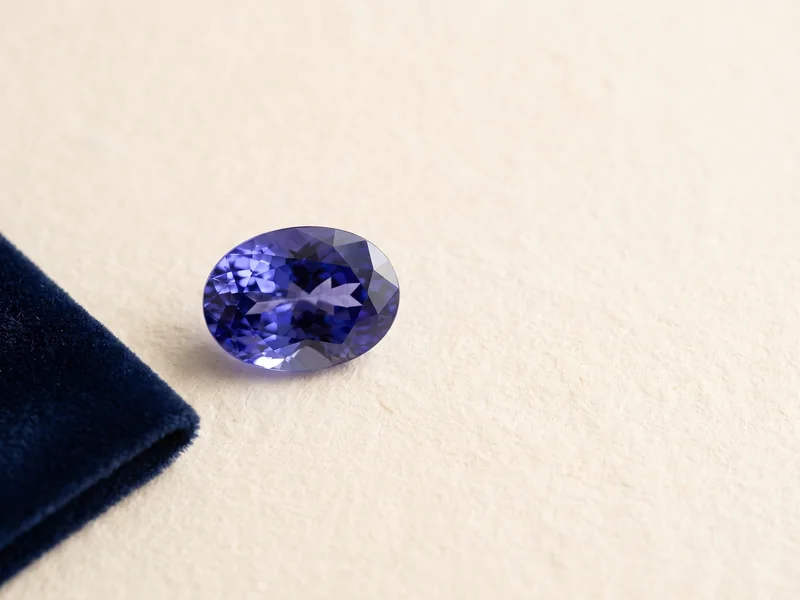 GemstonesColour-Change Sapphire
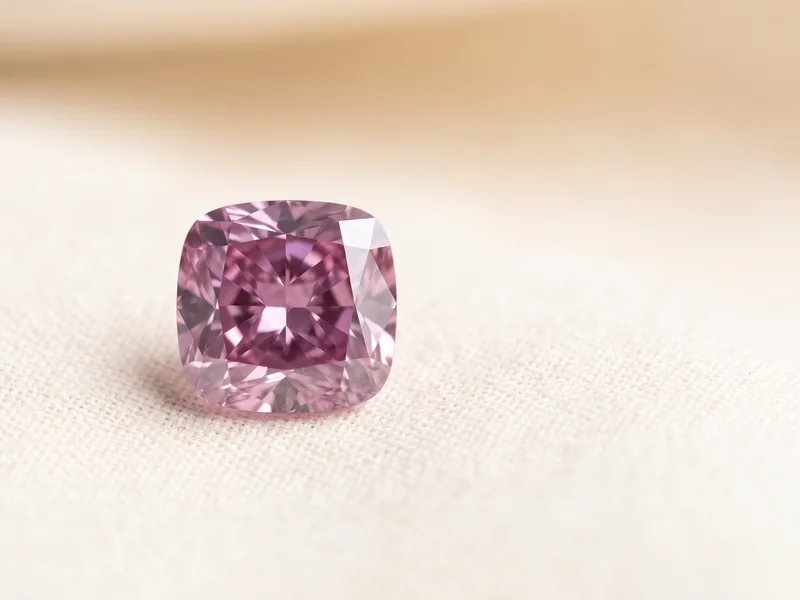 Fancy Colour DiamondsPurple Diamonds
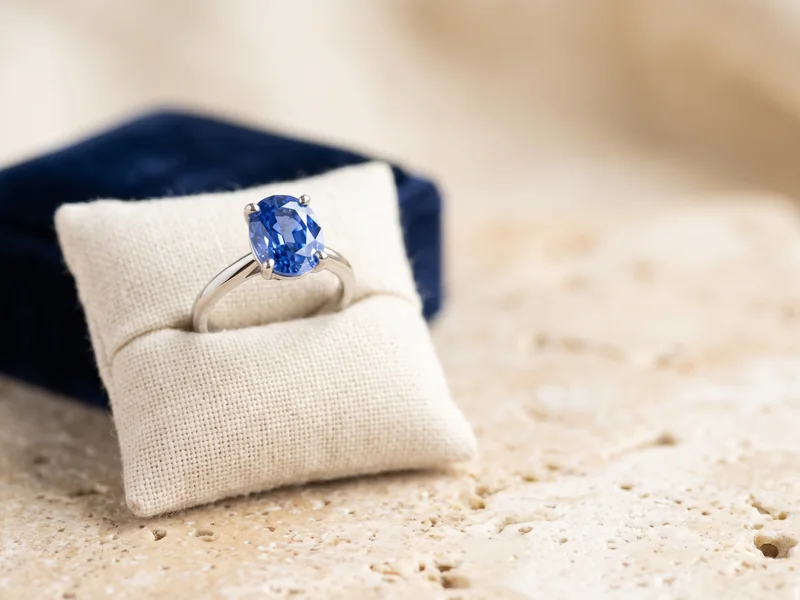 GemstonesSapphire Engagement Rings in MelbourneGemstonesGemstones | Coloured Gemstones, Birthstones and Custom Jewellery
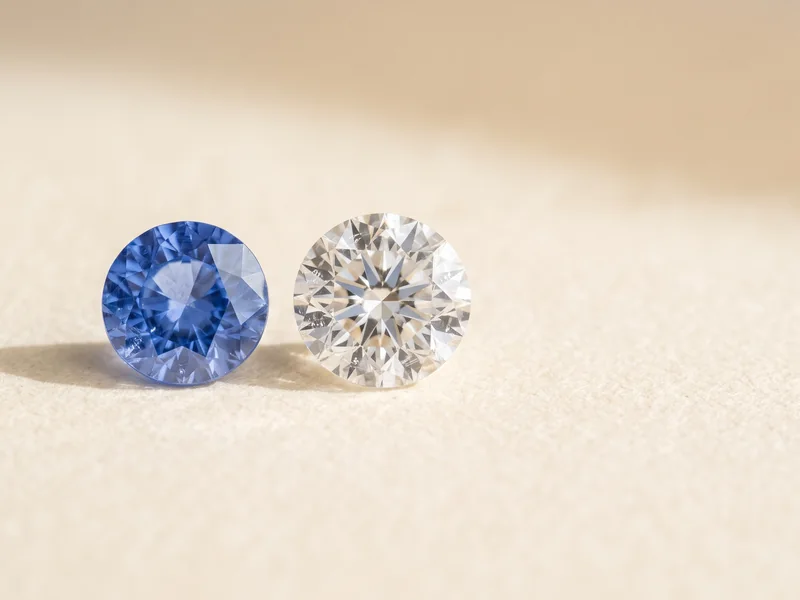 GemstonesDiamond vs Sapphire Engagement Rings
 GemstonesAustralian Sapphire Engagement Rings
 GemstonesGreen Sapphire
Explore more
More guides on this topic
Education