
- Education
- Wedding Bands & Eternity
- Choosing a Wedding Band for an Asscher Engagement Ring: Flush, Gap, Width and Stacking
Wedding Bands & Eternity
Choosing a Wedding Band for an Asscher Engagement Ring: Flush, Gap, Width and Stacking
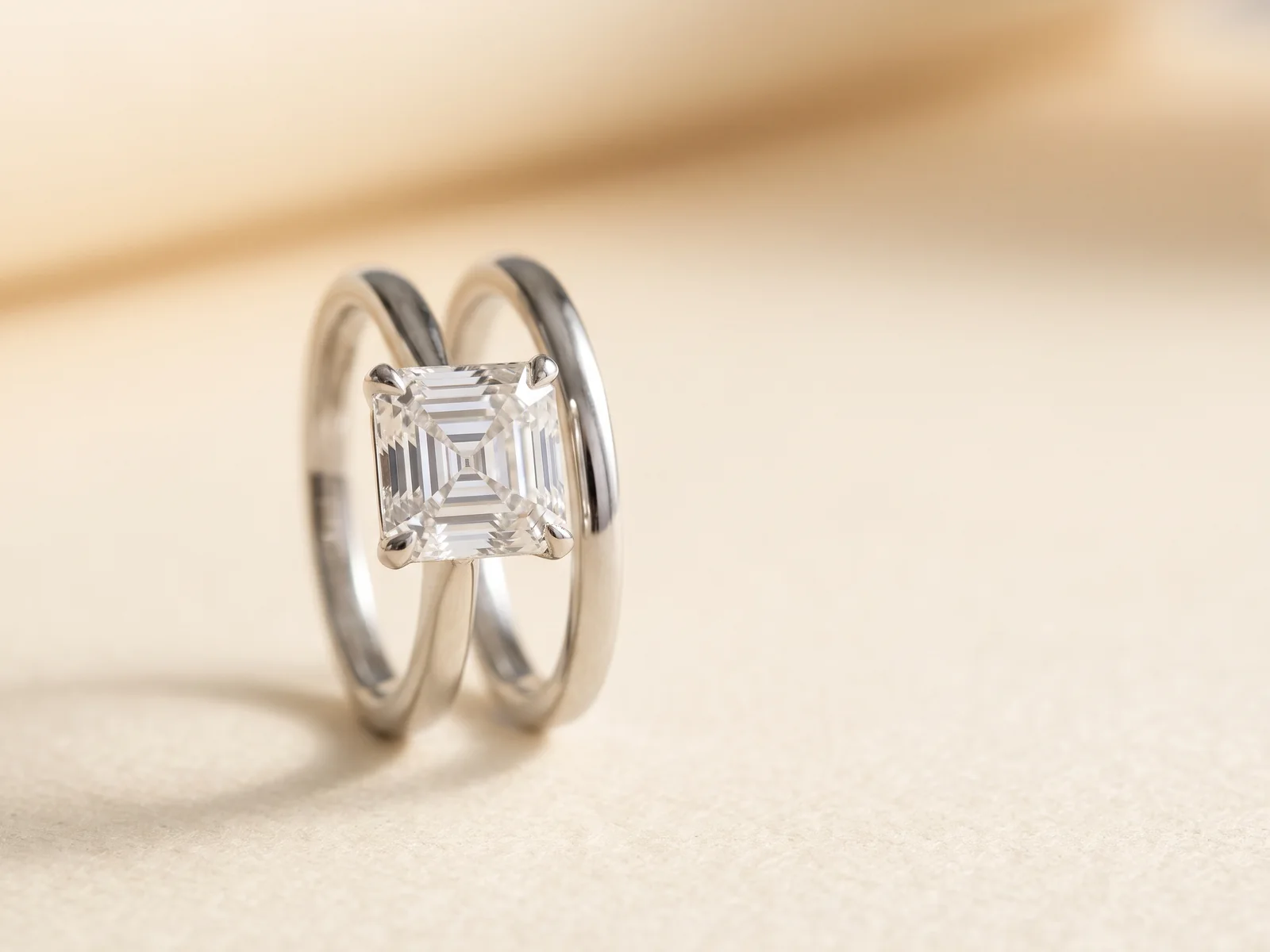
An Asscher cut is a square step cut with clipped corners, and it often sits high on the finger. The wedding band for an Asscher engagement ring has to suit those straight lines and that height, or the pair will never sit comfortably together.
 Reviewed by Raj Sood, Graduate Gemologist (GIA), AJP (GIA)Master jeweller and Graduate Gemologist (GIA) · reviewed 4 November 2026
Quick answer
The easiest wedding band for an Asscher engagement ring is a straight band 1.8–2.5 mm wide that sits flush against the setting, which suits the square outline. If the claws or basket sit low and the band can't touch, choose a slight gap, notched band or custom contour band shaped around the corners, in the same metal.
What makes an Asscher engagement ring different to pair with a band?
An Asscher is a square step cut with clipped corners, so face-up it reads almost as an octagon. A step cut uses long, flat facets that run parallel to the edge of the stone like stairs, instead of the triangles and kites of a brilliant cut. Most Asschers have about 58 facets and a length-to-width ratio of 1.00–1.05. The cut was developed by Joseph Asscher in Amsterdam in 1902, and its high crown and deep pavilion create the concentric squares people call the hall of mirrors. If any of these words are new, our plain-English jewellery glossary defines them.
Three features of an Asscher decide which wedding band will work beside it:
- Straight sides: the flat edge of the stone runs parallel to the band, so a straight band can sit right against it with no awkward curve to fill.
- Depth: Asschers are cut deep to create that mirrored effect, so the head (the part of the setting holding the stone) usually sits higher than it would for a round of the same weight.
- Corner claws: most Asschers are held by four claws, one on each clipped corner, or by eight claws in pairs. Those claw tips sit outside the outline of the stone and are often the part that stops a band sitting flush.
The clipped corners are also good news for durability. Diamond is 10 on the Mohs hardness scale, but a sharp corner can still chip if it takes a knock. An Asscher's clipped corners remove the sharp points, so it is less likely to chip in everyday wear than a princess cut. Its closest relative is the emerald cut, which shares the step faceting in a rectangle, so much of this advice overlaps with our guide to pairing bands with its rectangular cousin, the emerald cut. And if you are still sorting out the terms, here is the difference between a wedding ring and a wedding band.
Should a wedding band sit flush or with a gap beside an Asscher engagement ring?
Flush means the wedding band touches the engagement ring along its length, with no daylight between them. A gap means the two rings touch only at the base of the shank (the band of the ring that goes around the finger), leaving a small space under the stone. A contour band is shaped to follow the setting, so it can sit close even when a straight band can't.
| Flush (straight band) | Small gap | Contour or notched band | |
|---|---|---|---|
| How it looks | One clean, continuous line | Two separate rings | Bands wrap around the setting |
| Suits an Asscher because | Straight edge of the stone meets a straight band | Lets a low basket or wide claws stay as they are | Fills the space around corner claws or a low head |
| Setting needed | Head and gallery high enough to clear the band | Any setting | Any; band made or adjusted to fit |
| Rubbing and twisting | Little, rings lock together | Rings can spin and knock | Little, if fitted well |
| Future flexibility | Easy to swap or add bands | Easy to swap | Band usually only fits that one ring |
| Typical cost | Lowest | Lowest | Higher, as it is often custom made |
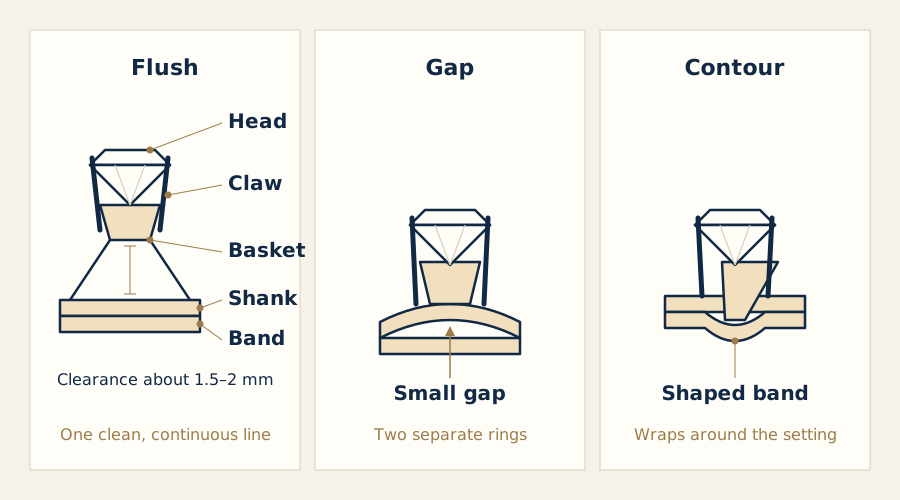
For an Asscher, flush is usually the look people want, because the square stone and a straight band line up so neatly. Whether it is possible depends on clearance: the underside of the head and the claws need to sit above the top of the band. As a rough guide, a band is about 1.5–2 mm tall from the finger, so the lowest point of the setting needs to clear that height. Many cathedral settings, where the shoulders rise up to the head, give plenty of room. Low, close-set baskets often do not.
A gap is not a flaw. Some people like seeing the two rings as separate pieces, and a gap leaves the engagement ring free to be worn alone. The trade-off is movement: rings with a gap tend to twist and tap against each other, which can wear metal and loosen claws over years of wear.
Which wedding band styles work for an Asscher engagement ring?
Because an Asscher is built from straight lines, bands with clean, geometric details usually look most at home. The common choices:
- Plain straight band: the simplest pairing. A flat or slightly rounded profile echoes the flat step facets.
- Pavé or claw-set diamond band: small round brilliants along the top add sparkle that contrasts with the Asscher's broad flashes of light.
- Channel-set band: stones held between two walls of metal, giving a smooth edge that sits neatly against the setting and suits a step cut's tailored look.
- Step-cut eternity band: baguettes, carré (small square step cuts) or small Asschers repeat the faceting of the centre stone. This is the most coordinated look.
- East-west eternity band: small elongated stones set sideways along the band, a modern option for a geometric stack.
- Notched band: a straight band with a small cut-out where the claws or head meet it, so it sits flush without the full curve of a contour.
- Contour or chevron band: a curved or V-shaped band that follows the setting. A gentle contour suits an Asscher; a sharp V tends to look more natural under a pear or marquise than under a square.
Profile matters as much as style. A flat profile has square edges that mirror the Asscher's straight sides, while a court (rounded) profile is softer and often more comfortable. Our guide to court, flat and knife-edge band profiles shows how each one looks and feels. The princess and radiant cuts share the Asscher's square or rectangular outline, so it is worth comparing our advice on bands that sit flat against a princess cut and band pairings for brilliant-faceted radiant cuts.
Related guideBest Wedding Band for Princess Engagement RingsHow wide should a wedding band for an Asscher engagement ring be?
A good starting point is to match the wedding band to the width of the engagement ring's shank, within about 0.5 mm. Most engagement shanks are 1.8–2.5 mm wide. A band much wider than the shank makes the pair look bottom-heavy; a much thinner band can look lost beside a large square stone.
| Asscher carat | Approximate face-up size | Band width that usually balances it |
|---|---|---|
| 0.50 ct | about 4.6 × 4.6 mm | 1.5–2.0 mm |
| 0.75 ct | about 5.2 × 5.2 mm | 1.8–2.2 mm |
| 1.00 ct | about 5.5 × 5.5 mm | 1.8–2.5 mm |
| 1.50 ct | about 6.3 × 6.3 mm | 2.0–2.5 mm |
| 2.00 ct | about 6.9 × 6.9 mm | 2.0–3.0 mm |
| 3.00 ct | about 7.9 × 7.9 mm | 2.5–3.5 mm |
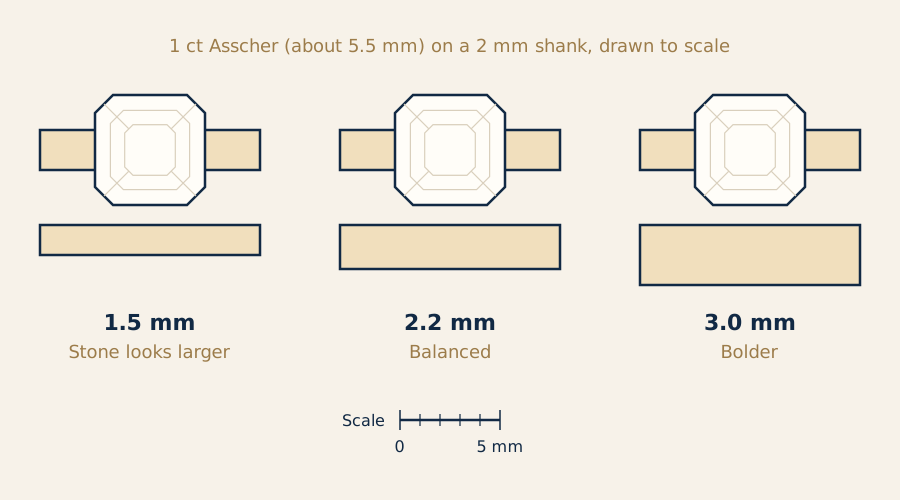
Asschers are cut deep, so they face up smaller for their weight than many shapes. A 1 ct Asscher is about 5.5 mm across, while a 1 ct round is about 6.4 mm. That is one reason many people choose a slimmer band, around 1.8–2 mm, which makes the square look a little larger by contrast. If you want the band to hold its own in a stack or you have longer, wider fingers, 2.5–3 mm works well with stones from about 1.5 ct.
Think about thickness too. A band about 1.5–1.8 mm deep is sturdy enough to wear daily for decades; very fine bands under about 1.3 mm can bend out of shape. A comfort fit (a band rounded on the inside) slides over the knuckle more easily, which helps when you wear two rings together.
Not sure which one is right?
Send us the stones you are looking at and our gemologist will tell you which to choose and why.
Should your wedding band match the metal of your Asscher ring?
Matching the metal is the safe choice, for looks and for wear. When two rings sit side by side for years, the harder alloy slowly wears the softer one where they rub. Matching also keeps the colour even, which matters with a step cut, because its broad, flat facets reflect the metal around them more clearly than a brilliant does.
- Platinum (usually 950, meaning 95% platinum): naturally white and dense. It does not lose much metal when scratched; it moves aside and develops a soft satin look called patina, which can be polished back.
- 18ct white gold (75% gold): usually plated with rhodium for a bright white finish. The plating wears with time and is typically redone every year or two, depending on how hard you are on your hands.
- 18ct yellow or rose gold: warm colours that make a slightly warmer diamond look whiter. Yellow gold with a white diamond is a classic Art Deco pairing for an Asscher.
- 9ct gold (37.5% gold): harder and less costly, but a paler colour that may not match an 18ct engagement ring exactly.
Mixing metals is a style choice, not a mistake. A yellow gold band beside a platinum Asscher can look deliberate, especially in a stack. If you mix, it is wise to have both rings checked when you have them cleaned, as the softer one will show wear first. Our complete wedding ring buying guide covers metals, sizing and care in more detail, and if you are choosing a partner's ring at the same time, our guide to men's wedding bands explains widths and finishes that wear well on larger hands.
How does the setting change the band your Asscher ring needs?
Two Asscher rings with the same diamond can need completely different bands, because the setting decides what touches the band first. Here is how the common settings usually behave:
| Setting | Will a straight band sit flush? | What usually works |
|---|---|---|
| Four corner claws, low basket | Often not; the basket or claw tips touch first | Notched band, gentle contour, or accept a small gap |
| Four corner claws, cathedral shoulders | Usually yes | Straight plain, pavé or channel-set band |
| Double claws (eight) | Sometimes; check the claw tips | Slim straight band, or notched to clear the claws |
| Bezel (metal rim around the stone) | Only if the bezel sits above the band | Straight band if lifted; otherwise contour |
| Hidden halo (diamonds under the stone) | Usually yes, if the head is raised | Straight band, often pavé to match |
| Halo (diamonds around the stone) | Depends whether the halo overhangs the shank | Straight band if the halo sits high; otherwise contour |
| Three-stone with side baguettes or trapezoids | Usually yes, but the line is wider | Straight band; a step-cut eternity band continues the geometry |
Halos are the setting most likely to surprise people. A halo around an Asscher makes the top of the ring wider, and if it sits low it overhangs the band. Our guide to choosing a band for a halo setting shows how to check clearance. If your Asscher is one of two centre stones in a two-stone design, the rules change again; see bands for toi et moi rings with two centre stones.
If you are still choosing the engagement ring, this is the moment to think about the band. Asking for the head to be lifted slightly, or for a straight gallery underneath, is a small change at the design stage that lets almost any straight band sit flush later.
What are good stacking ideas for an Asscher engagement ring?
A stack is any combination of rings worn together on one finger. Because an Asscher is square and symmetrical, it works well as the centre of a balanced stack. Some combinations that suit the shape:
- Classic pair: one straight plain band in the same metal and width as the shank, sitting flush below the engagement ring.
- Sandwich: a band either side of the engagement ring, which frames the Asscher and stops it tilting. Two slim bands of 1.5–1.8 mm keep the finger from feeling crowded.
- Geometric set: a plain wedding band, then later a baguette or carré eternity band added as an anniversary ring.
- Contrast stack: a pavé band of round brilliants beside the step-cut Asscher, mixing broad flashes with fine sparkle.
- Two-tone: a yellow gold band beside a platinum or white gold Asscher for a vintage Art Deco feel.
Each shape asks something different of a band, which is why we have written a guide for each one. Compare the soft outline of the cushion cut pairing guide, the curved sides in wedding bands that suit an oval, the classic options in bands for round brilliant engagement rings, and the pointed shapes in pear engagement ring band ideas, curved bands for marquise rings and bands that sit beside a heart. The Asscher is one of the easiest shapes to stack, because its straight sides need no curve to fill.
Should you choose a custom band or a ready-made one?
If a straight band sits flush against your Asscher, a ready-made band in the right metal and width is usually all you need. A custom band makes sense when the setting is low, the claws stick out, or you want the band to match the exact width, profile and diamond size of the engagement ring. Custom work is usually drawn in CAD (computer-aided design) first, so you can see how the band will meet the setting before any metal is cast.
Diamonds in a wedding band can be natural or laboratory-grown. Lab-grown diamonds are real diamond, with the same hardness and brilliance, grown in a laboratory rather than mined, and they cost much less. Natural diamonds are rarer. It is common to match the band to the centre stone, so a lab-grown Asscher sits beside lab-grown band stones, but either will look the same once set.
| Band type (2 mm, size N) | Approximate price range (AUD) |
|---|---|
| Plain 18ct gold | about $700–$1,600 |
| Plain platinum | about $1,000–$2,200 |
| Half-eternity, lab-grown diamonds about 0.30–0.50 ct total | about $1,000–$2,500 |
| Half-eternity, natural diamonds about 0.30–0.50 ct total | about $2,000–$4,500 |
| Custom contour or notched band, plain metal | about $1,500–$4,000 |
These are broad ranges only. Prices move with metal prices, diamond quality and the amount of hand work. A band made to fit your ring costs more than a standard one because the jeweller is shaping it around a specific setting.
Browse Asscher diamonds: natural and lab-grown
How to choose a wedding band for an Asscher engagement ring: step by step
- Look at the setting from the side. Note whether the head, basket or claws sit above the shank or reach down towards the finger.
- Test a straight band. Place a plain band against the engagement ring. If it touches along its length, a flush straight band will work.
- Decide on flush, gap or contour. If the band can't touch, choose whether you are happy with a small gap or want a notched or contour band.
- Match the width. Aim within about 0.5 mm of the engagement shank; 1.8–2.5 mm suits most Asscher solitaires.
- Match the metal. Use the same metal and carat of gold where you can, so colour and wear stay even.
- Choose the style. Plain, pavé, channel-set or step-cut eternity, depending on whether you want contrast or a coordinated look.
- Wear them together before you commit. Check comfort over the knuckle, how the rings move when you bend your finger, and how the pair looks from your own point of view.
Free consultation
Talk to a gemologist
Compare stones in person or online with Raj Sood, Graduate Gemologist (GIA), AJP (GIA).
Book a consultationFAQ
Common questions
Will a straight wedding band sit flush with an Asscher engagement ring?
Often, yes, because the Asscher's straight sides line up with a straight band. It depends on the setting: if the basket or corner claws sit low, they touch the band first and leave a gap.
What width wedding band suits a 1 carat Asscher?
Most people choose 1.8–2.5 mm, ideally within about 0.5 mm of the engagement ring's shank. A slimmer band makes the Asscher, about 5.5 mm across at 1 carat, look a little larger.
Is a gap between an engagement ring and wedding band a problem?
No, it is a style choice. The only drawback is that rings with a gap can twist and tap together, which slowly wears metal and can loosen claws, so have them checked when they are cleaned.
Do I need a contour band for an Asscher engagement ring?
Usually not, because the square shape suits a straight band. A gentle contour or notched band is useful when the setting is low or a halo overhangs the shank.
Does an Asscher eternity band suit an Asscher engagement ring?
Yes. A band of small Asschers, carré or baguettes repeats the step faceting of the centre stone and gives the most coordinated look. It is also a popular choice as an anniversary ring added later.
Can I mix platinum and gold in an Asscher bridal set?
You can, and two-tone sets suit the Art Deco character of the Asscher. The harder metal will slowly wear the softer one where they rub, so both rings benefit from regular checks.

Ask a gemologist
Not sure which diamond to choose?
Raj Sood is a Graduate Gemologist (GIA) and master jeweller. Bring the stones you are considering, or send the reports, and he will tell you honestly which one is better and why.
Keep learning
Related guides
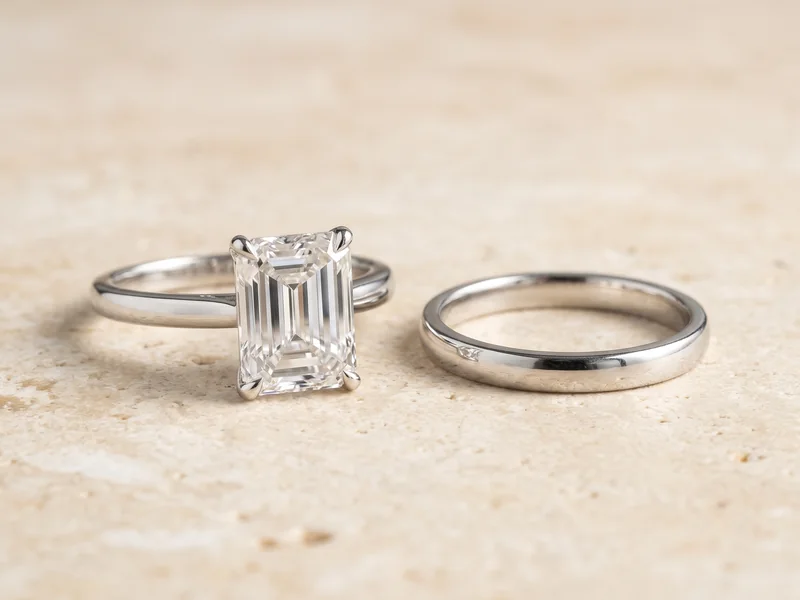 Wedding Bands & EternityBest Wedding Band for Emerald Cut Engagement Rings
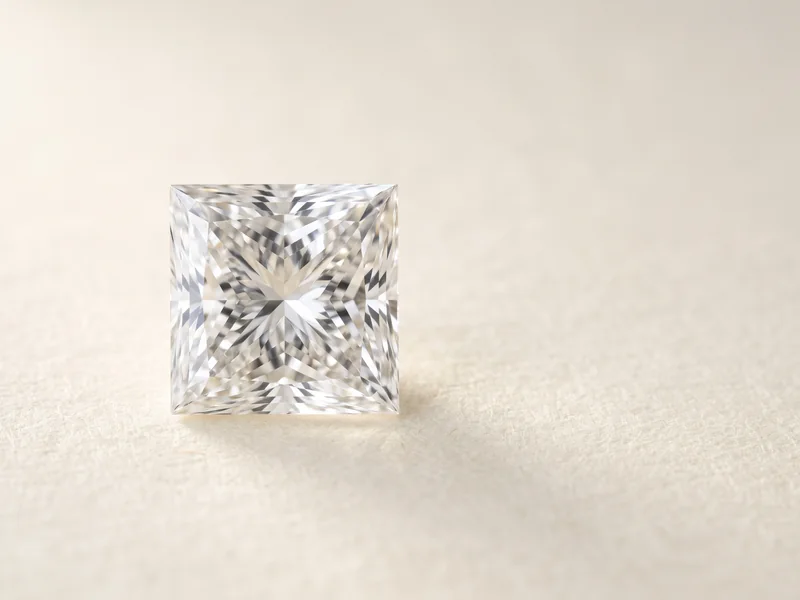 Wedding Bands & EternityBest Wedding Band for Princess Engagement Rings
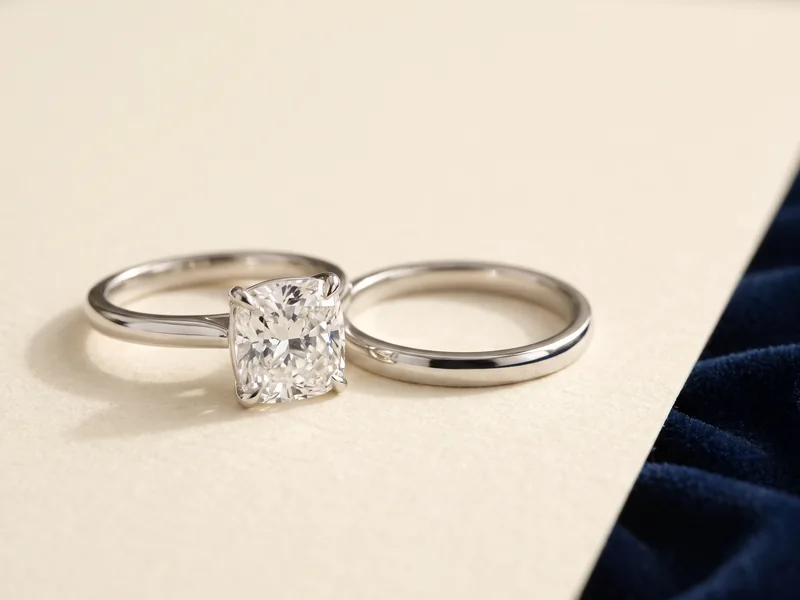
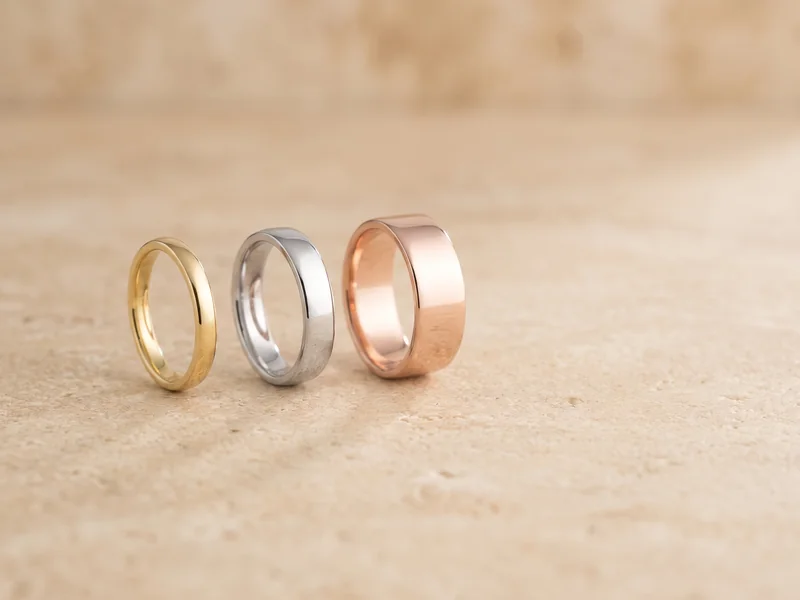 Wedding Bands & EternityWedding Band Profiles ExplainedWedding Bands & EternityWedding Ring Buying Guide
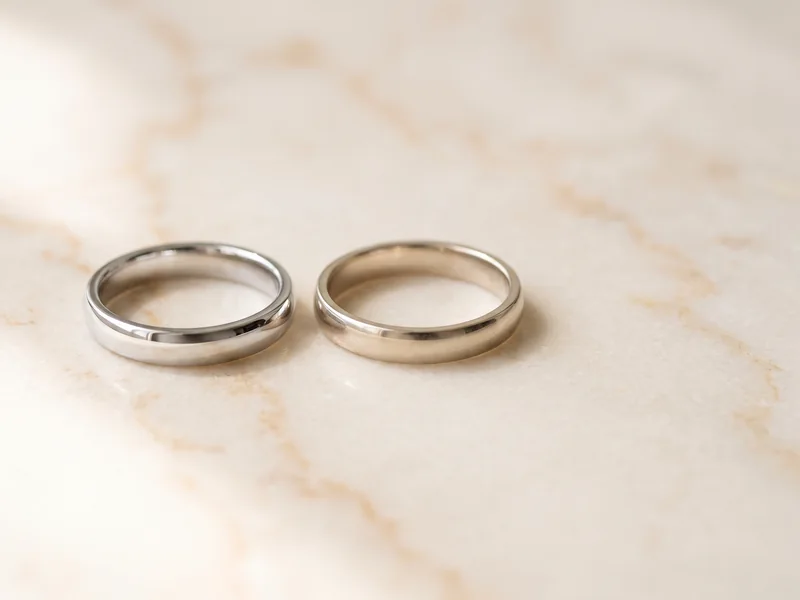
 Wedding Bands & EternityWedding Ring vs Wedding Band
 Wedding Bands & EternityMen’s Wedding Band Guide
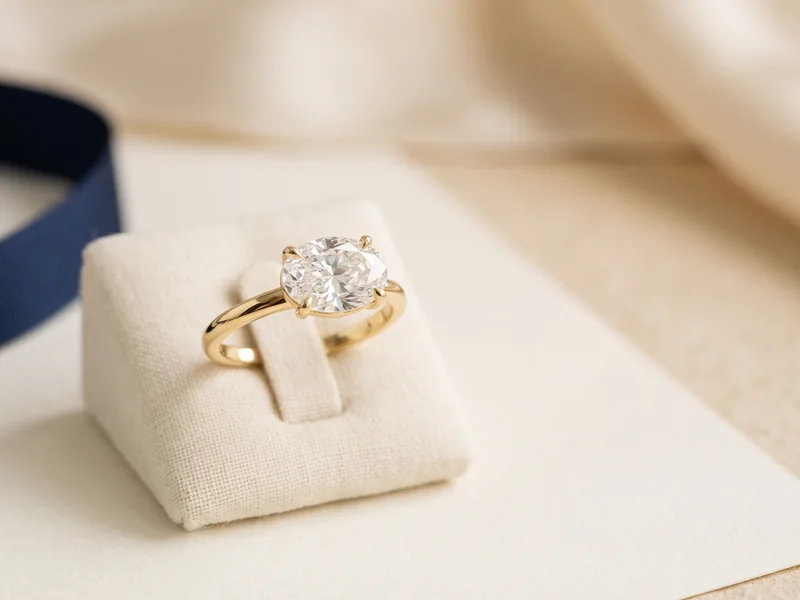 Wedding Bands & EternityBest Wedding Band for Oval Engagement RingsWedding Bands & EternityBest Wedding Band for Cushion Engagement Rings
Explore more
More guides on this topic
Education