
Gemstones
Emerald vs Sapphire Engagement Rings: Which Gem Suits Everyday Wear?
Choosing between emerald vs sapphire engagement rings comes down to more than green or blue. The two gems behave very differently on a hand that is worn every day for decades, and that difference should shape the stone, the cut and the setting you choose.
 Reviewed by Raj Sood, Graduate Gemologist (GIA), AJP (GIA)Master jeweller and Graduate Gemologist (GIA) · reviewed 4 November 2026
Quick answer
For daily wear, sapphire is the more practical engagement stone: it is 9 on the Mohs scale with excellent toughness, and rarely needs special care. Emerald is 7.5–8 and usually included and oil- or resin-treated, so it chips and scratches more easily. An emerald suits careful wearers and a protective bezel setting; sapphire suits almost anyone.
What is the difference between an emerald and a sapphire?
Emerald and sapphire belong to two completely different mineral families. Emerald is the green variety of beryl, a beryllium aluminium silicate (Be3Al2Si6O18). Its colour comes from traces of chromium and vanadium. Sapphire is corundum, crystallised aluminium oxide (Al2O3). Blue sapphire gets its colour from iron and titanium, and corundum in every colour except red is called sapphire. Red corundum is ruby.
That chemistry explains almost everything that follows. Corundum is very hard and, just as importantly, very tough. Beryl is reasonably hard but grows with many internal features, and emerald in particular is almost always included. Our pages on emerald as a gemstone and the full sapphire gemstone profile go deeper into each mineral.
| Property | Emerald | Sapphire |
|---|---|---|
| Mineral | Beryl | Corundum |
| Chemistry | Be3Al2Si6O18 | Al2O3 |
| Colour cause | Chromium, vanadium | Iron and titanium (blue); other trace elements for other colours |
| Refractive index | about 1.57–1.58 | about 1.76–1.77 |
| Specific gravity | about 2.67–2.78 | about 4.00 |
| Typical clarity | Included (GIA Type III) | Usually eye-clean (GIA Type II) |
The refractive index (how strongly a gem bends light) is higher in sapphire, so a well-cut sapphire returns more brightness. Emerald's appeal is different: a deep, soft, velvety green rather than sparkle. Specific gravity (density) matters too. Sapphire is about 1.5 times denser, so a 1 carat emerald looks noticeably larger face-up than a 1 carat sapphire. A 6 mm round sapphire weighs roughly 1 carat, while a 6 mm round emerald weighs closer to 0.75 carat.
Both sit among the classic precious stones, alongside ruby and diamond, in our guide to the wider range of coloured gemstones. If any term here is new, the glossary of jewellery terms explains it in plain English.
Emerald vs sapphire engagement rings: which is more durable?
Durability has two parts, and people often mix them up. Hardness is resistance to scratching, measured on the Mohs scale from 1 (talc) to 10 (diamond). Toughness is resistance to chipping and breaking when the stone takes a knock. A ring that is worn every day needs both, because it meets door frames, benchtops, gym equipment and car keys.
| Gem | Mohs hardness | Toughness | Everyday ring wear |
|---|---|---|---|
| Diamond | 10 | Good (can cleave) | Excellent |
| Sapphire and ruby | 9 | Excellent | Excellent |
| Spinel | 8 | Good | Very good |
| Aquamarine and morganite (beryl) | 7.5–8 | Good | Good, with some care |
| Emerald (beryl) | 7.5–8 | Poor to fair | Needs care and a protective setting |
| Tanzanite | 6–7 | Poor | Occasional wear |
| Opal | 5.5–6.5 | Poor | Occasional wear |
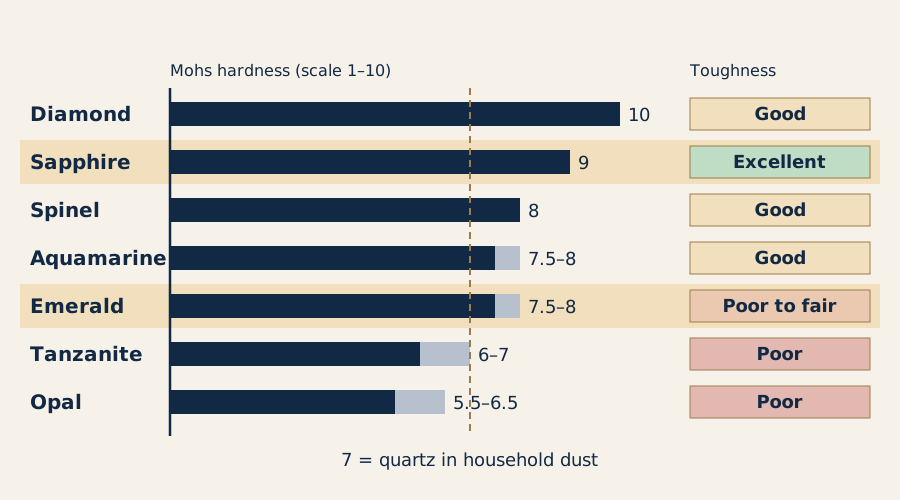
Household dust contains quartz, which is 7 on the Mohs scale. Anything softer than about 7 slowly dulls; anything harder resists it. Emerald, at 7.5–8, just clears that line, so its facets stay sharp for years, but the edges can still wear where a ring is knocked. Sapphire at 9 keeps its polish for decades and is second only to diamond among natural ring stones.
Toughness is where the two really part ways. Emerald's inclusions, which can include small fractures that reach the surface, act as weak points. A sharp knock on a corner or a sudden temperature change can extend them. Sapphire has no easy cleavage and very few fractures in most stones, which is why we often see sapphire rings decades old with nothing worse than light surface wear. For how sapphire compares with the hardest stone of all, see how sapphire stacks up against diamond, and for emerald, read emerald compared with diamond for daily wear.
What colours do emeralds and sapphires come in?
Emerald is green by definition. The most valued colour is a pure to slightly bluish green of medium to medium-dark tone with strong saturation. Paler green beryl is usually called green beryl rather than emerald, and the line between the two is a judgement that labs do not all draw in the same place.
Sapphire is far more varied. Blue is the classic, ranging from light cornflower to deep royal and inky navy, but corundum also comes in green, yellow, orange, pink, purple, white (colourless) and colour-change stones. That range is one of the strongest arguments for sapphire in an engagement ring: you can choose a colour and still get the toughness of corundum.
- Green sapphire vs emerald: a green sapphire is usually a more olive, yellowish or bluish green than emerald, with more brilliance and far more durability. It will rarely match the velvety glow of a fine emerald.
- Teal: blue-green stones sit between the two. See teal sapphire engagement rings and our guide to teal versus classic blue sapphire.
- Purple and violet: purple sapphires range from lavender to deep plum.
- Warm tones: orange sapphire and the rare pinkish-orange padparadscha give a sunset look no emerald can.
One practical point on colour: emerald shows its colour best in yellow gold or in a bezel, which deepens the green. Blue sapphire reads crisp in platinum or white gold, while warmer sapphires often suit yellow or rose gold.
Are emeralds and sapphires treated?
Most gems on the market are treated in some way, and both of these are no exception. What matters is the type of treatment, how stable it is and whether it has been disclosed.
Emerald. Most emeralds are clarity-enhanced: the surface-reaching fractures are filled with colourless oil (traditionally cedarwood oil) or a polymer resin, which makes them far less visible. Labs usually describe the amount as none, minor, moderate or significant. Oil can slowly dry out or be drawn out by heat, solvents and ultrasonic cleaners, so an emerald can look more included over time and may need re-oiling. Untreated emeralds with good colour are rare and cost much more.
Sapphire. Most sapphires are heat-treated, which improves colour and clarity. Heating is permanent and stable, and does not need special care. Less common treatments include beryllium diffusion, which diffuses beryllium into the stone, often deeply, to change its colour, and lead-glass or flux filling of fractures. These lower the value, glass-filled stones are fragile, and all must be disclosed. Unheated sapphires carry a premium.
Inside an emerald you will usually see a jardin (French for garden): the mossy pattern of inclusions that most natural emeralds show. Sapphires typically show fine needles called silk, colour zoning in straight bands, or small crystals. These features help a gemmologist separate natural stones from lab-created ones and identify where treatment has been used.
Not sure which one is right?
Send us the stones you are looking at and our gemologist will tell you which to choose and why.
Can you get Australian sapphires and emeralds?
Australia is one of the world's historic sapphire producers. The two main fields are the New England region of New South Wales, around Inverell and Glen Innes, and the Central Queensland gemfields around Anakie, Rubyvale and Sapphire. Australian sapphires are typically deep blue to inky blue, green, yellow and the distinctive blue-green-yellow mixes known as parti sapphires.
Many Australian blues are dark, so cutters often keep them a little shallower to let light through. The greens, teals and parti stones have become popular for engagement rings because each one looks individual. See our guides to sapphire rings set with Australian stones and parti sapphires that show two or more colours.
Australian emeralds exist but are rare in jewellery. Small historic deposits were worked near Emmaville in New South Wales and Poona in Western Australia, but almost all emeralds sold today come from Colombia, Zambia, Brazil, Afghanistan and Ethiopia. Colombian stones are known for a pure, warm green; Zambian stones often lean slightly bluer and can be cleaner. Neither origin is automatically better: colour, clarity and treatment level matter more.
Which setting suits an emerald or sapphire engagement ring?
Sapphire's toughness gives you the freedom of almost any setting: four or six claws, a halo, a three-stone design or a low cathedral setting. Emerald asks for more protection, because its corners and edges are its weak points.
- Bezel or half-bezel: a thin rim of metal around the stone. The most protective option for emerald, and it deepens the green.
- Claws with protected corners: for an emerald cut or octagon, use V-claws or double claws that cover each corner.
- Low profile: a stone that sits closer to the finger takes fewer knocks. Ideal for emerald, comfortable for both.
- Halo: small diamonds around the centre act as a bumper for the girdle (the outer edge) of an emerald, and make a sapphire look larger.
- Cut choice: the emerald cut, a step cut with cropped corners, was developed partly to protect emerald's fragile corners. Ovals, cushions and rounds also suit both gems.
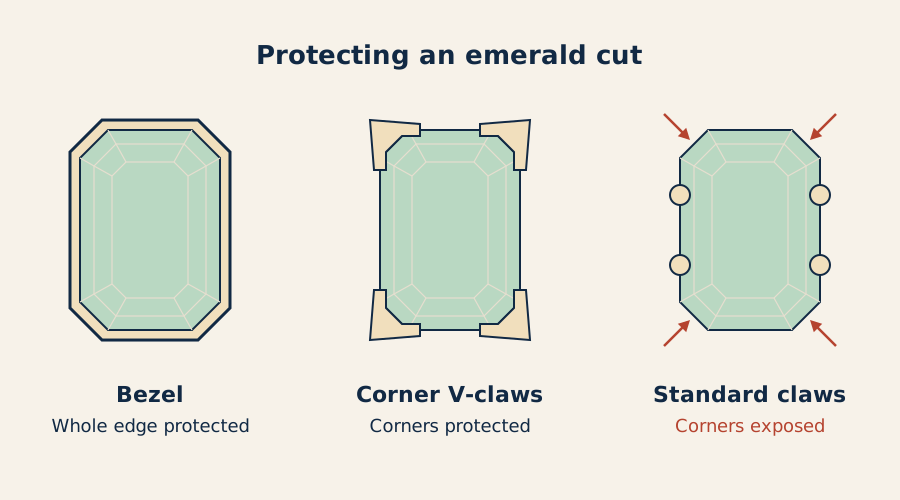
For design ideas specific to each gem, look at our emerald engagement ring designs and sapphire engagement rings made in Melbourne. With emerald in particular, plan the setting before you choose the stone, so the claws or bezel cover any fracture near the edge.
How do emerald vs sapphire engagement rings compare side by side?
| Emerald | Sapphire | |
|---|---|---|
| Hardness (Mohs) | 7.5–8 | 9 |
| Toughness | Poor to fair | Excellent |
| Usual treatment | Oil or resin clarity enhancement | Heat (stable) |
| Clarity | Visible inclusions are normal | Often eye-clean |
| Colours | Green only | Blue, plus almost every other colour |
| Look | Soft, velvety glow | Bright, crisp sparkle |
| Size per carat | Larger (lower density) | Smaller (denser) |
| Ultrasonic or steam cleaning | Avoid | Usually fine if untreated or heated only |
| Suggested setting | Bezel, protected corners, low profile | Almost any |
| Australian origin | Very rare | Widely available |
If your heart is set on green and the wearer is gentle with their hands, an emerald is a lovely and meaningful choice; many people wear one for life with sensible care. If the ring will be worn through gardening, sport, trade work or with young children, sapphire is the more forgiving stone, and a green or teal sapphire can come close to the emerald look.
Related guideDiamond vs Sapphire Engagement RingsHow much does an emerald or sapphire engagement ring cost?
Both gems span a very wide price range. For emerald, colour is by far the biggest factor, followed by clarity and treatment level. For sapphire, colour and whether the stone is heated or unheated drive most of the price. Origin can add a premium to both.
| About 1 ct loose stone | Approximate price range (AUD) |
|---|---|
| Natural emerald, commercial quality, moderate enhancement | about $800–$4,000 |
| Natural emerald, fine colour, minor oil | about $5,000–$20,000+ |
| Natural blue sapphire, heated, good colour | about $1,000–$5,000 |
| Natural blue sapphire, unheated, fine colour | about $4,000–$15,000+ |
| Natural Australian sapphire (blue, green, teal or parti) | about $600–$3,000 |
| Lab-created emerald or lab-created sapphire | about $100–$600 |
These are broad guides only; prices change with the market and the exact stone, and the setting is extra. Lab-created emerald and lab-created sapphire are synthetic gems with the same chemistry and physical properties as natural ones, grown in a laboratory. Lab-created sapphire has been made by the flame-fusion method for more than a century; lab-created emeralds are grown by flux or hydrothermal methods. They cost far less than natural stones and must always be sold as lab-created or synthetic. Lab-created emerald is often cleaner than natural, but it is still beryl and still needs the same gentle care.
Browse natural gemstones
How do you care for an emerald vs a sapphire ring?
Sapphire needs little special care. Warm water, a drop of mild dishwashing liquid and a soft toothbrush will clean it, and a heated-only sapphire can usually go in an ultrasonic cleaner. Take it off for heavy work mainly to protect the metal and claws.
- Emerald: clean only with lukewarm water, mild soap and a soft brush. Never use ultrasonic, steam or harsh chemicals, which can remove oil or damage resin.
- Emerald: take the ring off for the gym, gardening, cleaning and anything with sudden heat such as cooking over a stove.
- Both: have the claws checked by a jeweller about once a year.
- Emerald: if it starts to look more included over the years, a jeweller can have it professionally re-oiled.
How do you choose between an emerald or sapphire engagement ring? Step by step
- Be honest about wear. Think about the wearer's job, hobbies and habits. Active hands point towards sapphire.
- Decide on colour. If only a true emerald green will do, choose emerald; if you are open to green, teal or blue, compare sapphires too.
- Ask for the report. Confirm natural or lab-created, origin if stated, and the treatment type and level.
- Look through a loupe. For emerald, check for fractures reaching the surface near corners and the girdle. For sapphire, check colour zoning and evenness.
- Compare size, not just carat. Check the millimetre measurements, as an emerald faces up larger than a sapphire of the same weight.
- Choose a protective setting. Bezel or protected corners for emerald; any well-made setting for sapphire.
- Plan the care. Agree on how you will clean and check the ring, especially for emerald.
Free consultation
Talk to a gemologist
Compare stones in person or online with Raj Sood, Graduate Gemologist (GIA), AJP (GIA).
Book a consultationShop this shape
FAQ
Common questions
Is emerald good for an engagement ring?
Yes, with care. Emerald is 7.5–8 on the Mohs scale but has poor to fair toughness, so it suits a gentle wearer and a protective setting such as a bezel.
Which is harder, emerald or sapphire?
Sapphire. It is 9 on the Mohs scale with excellent toughness, while emerald is 7.5–8 and chips more easily because of its inclusions.
Is green sapphire the same as emerald?
No. Green sapphire is corundum and emerald is beryl. Green sapphire is more durable and brighter, but usually a more olive or bluish green than a fine emerald.
Are emeralds more expensive than sapphires?
It depends on quality. Commercial emeralds and heated sapphires overlap in price, while fine-coloured, lightly treated emeralds and unheated sapphires can both cost many thousands of dollars per carat.
Can you wear an emerald ring every day?
Many people do, but expect some care: remove it for heavy work, avoid ultrasonic cleaners and have the setting checked yearly.
Are lab-created emeralds and sapphires real?
They have the same chemistry and properties as natural stones, but are grown in a laboratory and must be sold as lab-created or synthetic. They cost far less than natural gems.

Ask a gemologist
Not sure which diamond to choose?
Raj Sood is a Graduate Gemologist (GIA) and master jeweller. Bring the stones you are considering, or send the reports, and he will tell you honestly which one is better and why.
Keep learning
Related guides
 GemstonesEmerald Engagement Rings
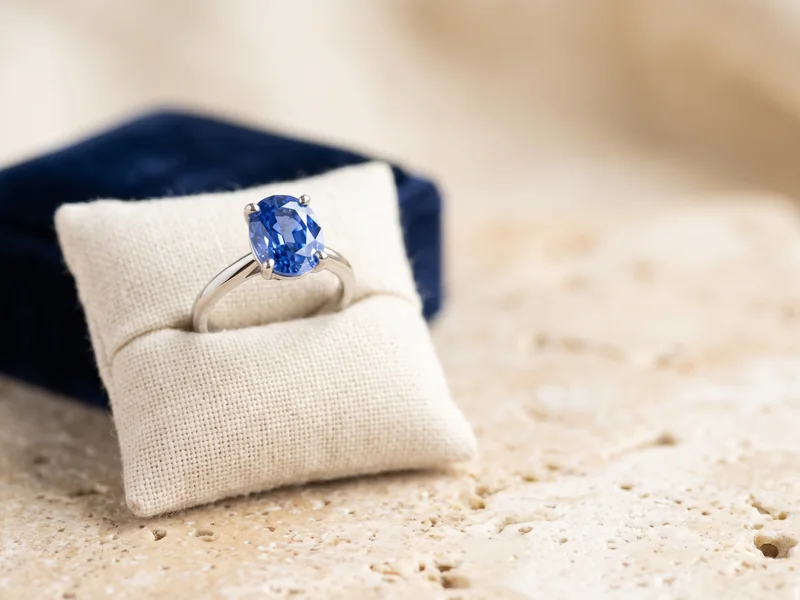 GemstonesSapphire Engagement Rings in Melbourne
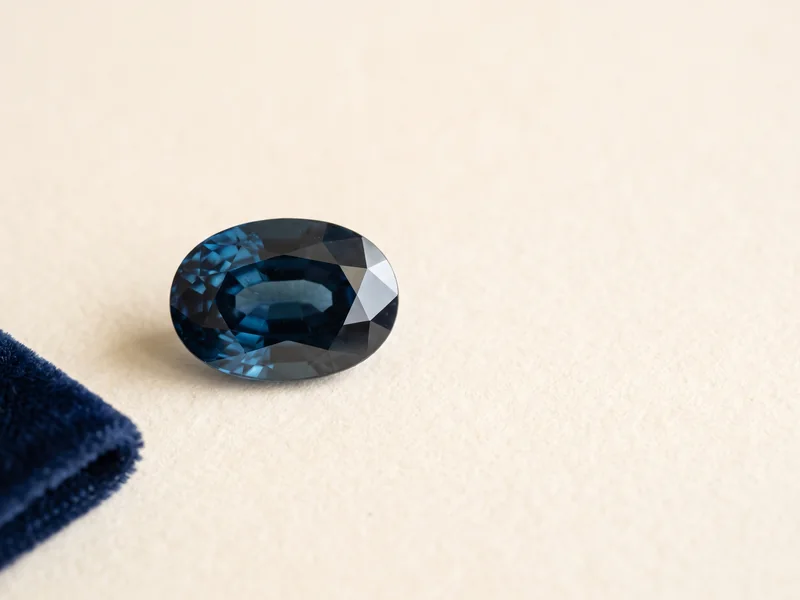 GemstonesAustralian Sapphire Engagement Rings
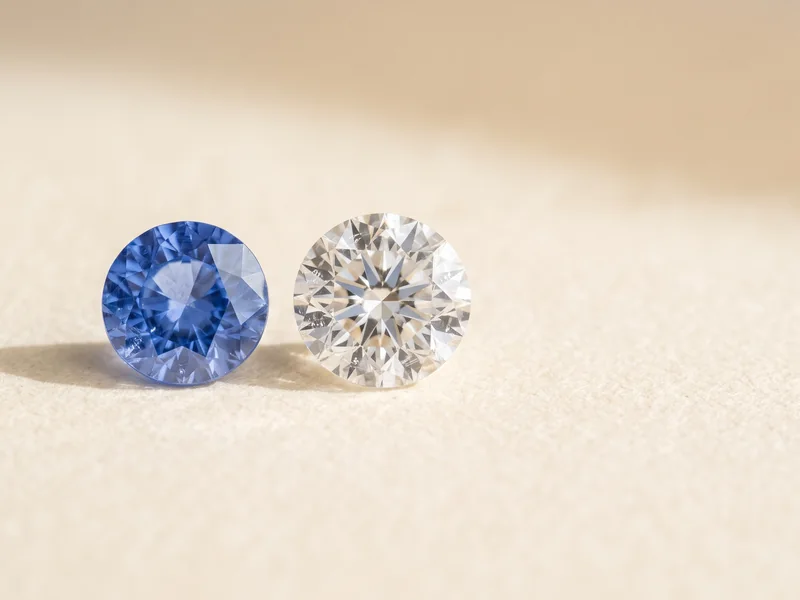 GemstonesDiamond vs Sapphire Engagement RingsGemstonesGemstones | Coloured Gemstones, Birthstones and Custom Jewellery
 GemstonesEmerald vs Diamond
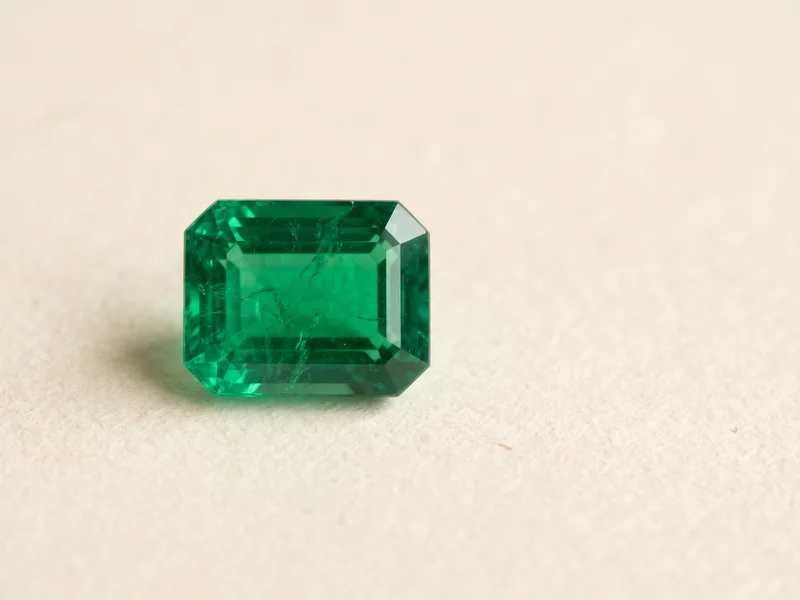 GemstonesEmerald Gemstone
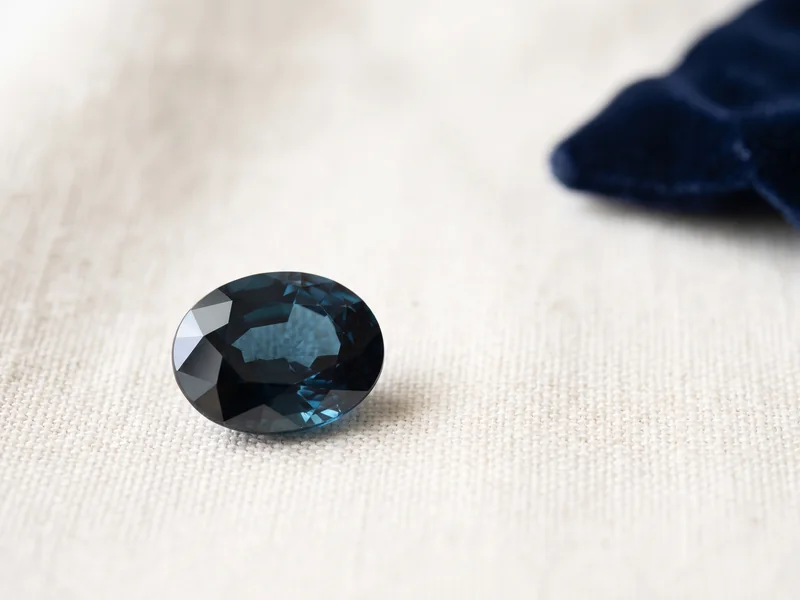 GemstonesSapphire Gemstones
Explore more
More guides on this topic
Education