
Gemstones
Morganite vs Pink Sapphire: Which Pink Gemstone Suits You?
Morganite vs pink sapphire is one of the most common questions from people planning a pink engagement ring. They can look alike in a photo, but they are different minerals that wear, age and cost very differently.
 Reviewed by Raj Sood, Graduate Gemologist (GIA), AJP (GIA)Master jeweller and Graduate Gemologist (GIA) · reviewed 4 November 2026
Quick answer
Morganite is pale pink to peach beryl, 7.5–8 on the Mohs scale and affordable in large sizes. Pink sapphire is corundum, 9 on the Mohs scale, with stronger pink colour and better resistance to scratches and wear. For an everyday engagement ring, pink sapphire is the tougher choice; morganite suits soft pastel colour and bigger stones on a budget.
Morganite vs pink sapphire: what is the difference?
The short version: they are two completely different minerals that happen to share a colour. Morganite is the pink to peach variety of beryl, the same mineral family as emerald and aquamarine. Pink sapphire is a variety of corundum, the same mineral as blue sapphire and ruby. That difference in mineral decides almost everything you will notice in a ring: how hard the stone is, how bright it looks, how strong the colour is and what it costs.
In the hand, a gemmologist can usually tell them apart quickly. Pink sapphire has a higher refractive index (how strongly a gem bends light, which drives brightness and sparkle) of about 1.76–1.77, against about 1.57–1.60 for morganite. Sapphire also feels heavier for its size, because corundum is much denser. Morganite tends to look soft and glowing; pink sapphire looks crisper and more saturated. If you want an overview of the wider family before going deeper, our guide to coloured gemstones and birthstones is a good starting point.
| Morganite | Pink sapphire | |
|---|---|---|
| Mineral | Beryl (Be3Al2Si6O18) | Corundum (Al2O3) |
| Colour cause | Manganese | Chromium (iron can add purple or orange tones) |
| Typical colour | Pale pink, peach, salmon | Pale pink to hot pink, sometimes purplish |
| Mohs hardness | 7.5–8 | 9 |
| Toughness | Fair to good; indistinct cleavage | Excellent; no cleavage |
| Refractive index | About 1.57–1.60 | About 1.76–1.77 |
| Specific gravity | About 2.7–2.9 | About 4.0 |
| Clarity | Often eye-clean | Usually small inclusions, often eye-clean |
| Common treatment | Heating to remove yellow | Heating to improve colour and clarity |
| Lab-created version | Rarely seen in jewellery | Widely available and inexpensive |
| Price per carat | Lower | Higher |
What is morganite?
Morganite was named in 1911 by the gemmologist George Frederick Kunz of Tiffany & Co., after the banker and gem collector J.P. Morgan. It is coloured by small amounts of manganese in the beryl crystal. Most of the morganite in Australian jewellery comes from Brazil and Madagascar, with smaller amounts from Mozambique, Afghanistan and the United States. There is no commercial morganite mining in Australia.
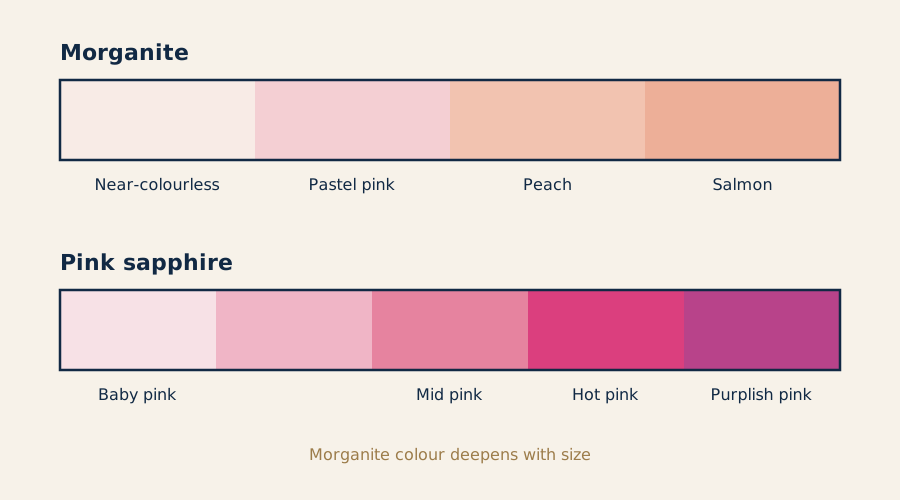
Beryl grows in large, clean crystals, so morganite is usually eye-clean (no inclusions visible without magnification at normal viewing distance). That is one reason it is often cut in generous sizes: ovals of 8 × 6 mm up to 12 × 10 mm are common in engagement rings. The colour is naturally gentle. Even good morganite is a pastel, and the pink becomes noticeably stronger only as the stone gets bigger, because light travels further through it.
Morganite also shows pleochroism, meaning it shows slightly different colours when viewed from different directions, usually a pale pink and a more bluish or salmon pink. A good cutter orients the stone so the more attractive colour faces up. Our full morganite guide covers origins, colour grades and care in more detail.
What is pink sapphire?
Pink sapphire is corundum coloured by chromium, the same element that turns corundum red in ruby. Where pale ruby ends and pink sapphire begins is a judgement call, and labs and markets draw that line slightly differently. Iron and titanium can add purple or orange tones, which is why pink sapphires range from a pale baby pink to a vivid hot pink or magenta.
Most pink sapphire comes from Sri Lanka, Madagascar, Myanmar, Tanzania and Mozambique. Because corundum crystals often contain fine needles, fingerprints or colour zoning, a fine pink sapphire above 2 carats with strong, even colour is genuinely scarce and priced accordingly. Our pink sapphire guide goes through colour grades, origins and what to look for on a report, and the broader guide to sapphire as a gemstone explains how one mineral produces so many colours.
Pink also sits beside other fancy sapphire colours. A pink with a strong purple tone moves towards purple sapphire, one with an orange tone moves towards orange sapphire, and a delicate balance of pink and orange is the rare padparadscha, the lotus-coloured sapphire. If you like the peachy side of morganite but want sapphire durability, it is worth looking at these pink-orange stones.
Is morganite or pink sapphire more durable for an engagement ring?
Pink sapphire is clearly more durable. On the Mohs scale, which ranks resistance to scratching from 1 (talc) to 10 (diamond), sapphire sits at 9 and morganite at 7.5–8. That gap matters more than it looks, because the scale is not even: diamond is far harder than sapphire, and sapphire is far harder than beryl.
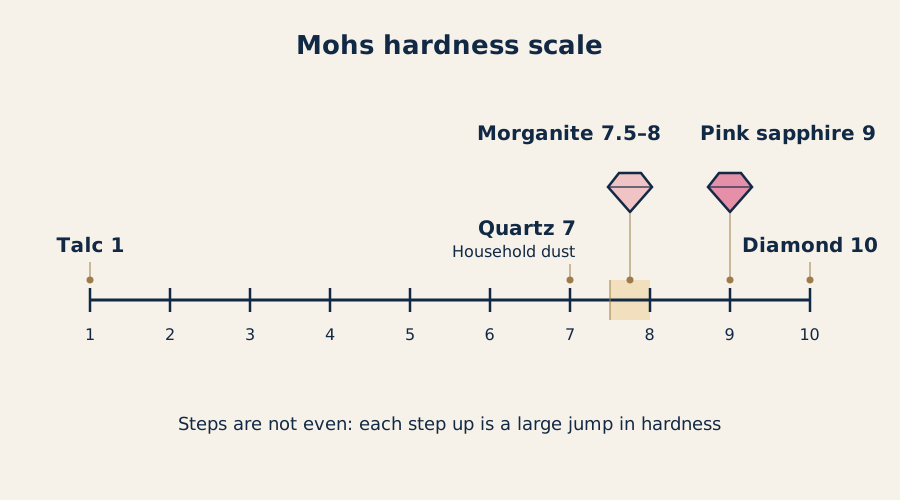
The everyday enemy is quartz dust, which is about 7 on the Mohs scale and is in ordinary household dust, dirt and sand. Morganite is only slightly harder, so over years of daily wear its facet edges can soften and the surface can pick up fine abrasions. Pink sapphire resists quartz easily and keeps a crisp polish for decades. Toughness, meaning resistance to chipping and breaking, also favours sapphire: corundum has no cleavage (a natural plane along which a crystal can split), while beryl has an indistinct one and can chip if a thin edge takes a knock.
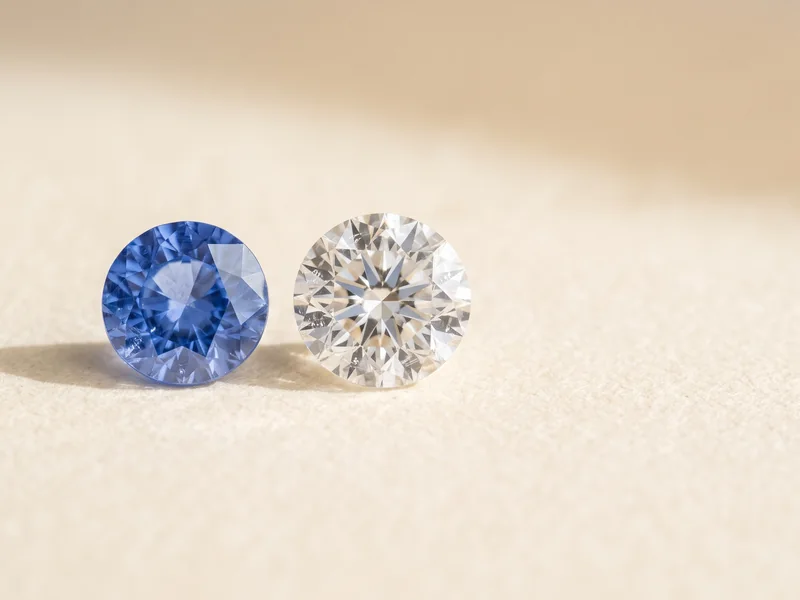
There is a second, less obvious issue with morganite. Its pale colour means that any film of skin oil, soap or hand cream dulls it quickly, and the stone can look washed out between cleans. Pink sapphire's stronger colour and higher brilliance hide grime better. For a ring worn every day, that difference shows up more often than scratching does. If you are weighing coloured stones against a diamond as well, see our comparison of diamond and sapphire engagement rings.
Related guideMorganite for Engagement Rings: Pros and ConsNot sure which one is right?
Send us the stones you are looking at and our gemologist will tell you which to choose and why.
How do morganite and pink sapphire colours compare?
Morganite's colour is soft: a pastel pink, a peach or a salmon pink. Many people love exactly that, especially paired with rose gold. Some morganite is sold as "peach", which is often unheated stone that keeps a yellow component; heating usually shifts it to a purer pink. Neither is right or wrong, but it is worth seeing both in daylight before choosing.
Pink sapphire covers a much wider range, from a whisper of pink to an intense, almost neon hot pink. Its higher refractive index also means more brilliance (white light returned) and sharper facet flashes. A pale pink sapphire and a strong morganite can look surprisingly similar from a distance, but side by side the sapphire usually looks brighter and the morganite more glowing and diffused.
- Rose gold: flatters morganite's peach tones and warms pale pink sapphire.
- Yellow gold: suits peachy morganite and orange-pink sapphire; can make pale pinks look slightly salmon.
- White gold or platinum: keeps pink sapphire looking cool and clean; can make very pale morganite look almost colourless.
- Size: morganite needs size for colour, so stones under about 1 carat can look nearly colourless; pink sapphire shows strong colour even in small stones.
Are pink sapphires found in Australia?
Australia is one of the world's historic sapphire producers, but pink is rare from Australian fields. The two main areas are the Central Queensland Gemfields around Anakie, Rubyvale and Sapphire, and the New England region of New South Wales around Inverell and Glen Innes. These sapphires formed deep underground and were carried up in volcanic basalt, and they are known for dark blue, teal (blue-green), green, yellow and parti (multi-coloured) stones rather than pinks.
So if you want an Australian sapphire, the honest advice is to look at the colours our fields do produce. Our guides to engagement rings set with Australian sapphire, teal sapphire engagement rings, parti-coloured sapphire rings and green sapphire show the range. Most pink sapphire sold in Australia is imported, usually from Sri Lanka or Madagascar.
Australia's famous pink gem is in fact a diamond. The Argyle mine in Western Australia was the world's main source of natural pink diamonds until it closed in 2020. Natural pink diamonds cost many times more than either stone on this page; our page on natural and lab-grown pink diamonds explains why, and where lab-grown pink diamond fits in.
Are morganite and pink sapphire treated, and are there lab-created versions?
Both are commonly treated, and both treatments are usually stable and accepted, as long as they are disclosed. Most morganite is heat treated at fairly low temperatures, roughly 300–450 °C, to remove a yellow or orange tint and leave a cleaner pink. Most pink sapphire is also heated, at much higher temperatures, to improve colour and clarity. Unheated pink sapphire with good colour exists and sells for a clear premium; a report from an independent laboratory should state whether the stone shows evidence of heating.
Some pink to orange sapphires have been treated by beryllium diffusion, a higher-temperature process that adds colour from outside the crystal. It must be disclosed and generally lowers value considerably. If a pink-orange sapphire seems unusually cheap for its colour, ask about it.
Lab-created pink sapphire (also called synthetic pink sapphire) has the same chemistry, hardness and refractive index as natural corundum, but is grown in a laboratory, often by the flame-fusion method developed in the early 1900s. It costs a small fraction of natural stone and is a durable choice, but it must always be sold as lab-created. Lab-created morganite is rarely seen in jewellery. The more common issue is simulants: pink glass, pink cubic zirconia or other materials sold loosely as "morganite-coloured". A gemmologist can separate these quickly by refractive index and magnification.
Morganite vs pink sapphire price: which costs more?
Pink sapphire costs considerably more per carat than morganite, and the gap widens as size and colour intensity increase. Morganite's appeal is that you can have a large, clean centre stone for a modest budget.
| Stone (approx. 1–2 ct, good colour, eye-clean) | Approximate price per carat (AUD) |
|---|---|
| Morganite, heated pink | about $100–$600 |
| Pink sapphire, natural, heated | about $800–$3,000 |
| Pink sapphire, natural, unheated | about $2,000–$6,000+ |
| Pink sapphire, lab-created | about $20–$150 |
These are broad ranges only; prices move with the market, origin, treatment and exact colour. Carat weight is also misleading when comparing the two, because beryl is much lighter than corundum. The same carat weight of morganite gives a noticeably bigger stone, so compare millimetre sizes, not carats.
| Oval size | Pink sapphire (approx.) | Morganite (approx.) |
|---|---|---|
| 7 × 5 mm | about 1.0 ct | about 0.7 ct |
| 8 × 6 mm | about 1.5 ct | about 1.0 ct |
| 9 × 7 mm | about 2.2 ct | about 1.5 ct |
| 10 × 8 mm | about 3.0 ct | about 2.1 ct |
Browse natural gemstones
What setting suits a morganite or pink sapphire ring?
Pink sapphire can go in almost any setting, including fine claws and delicate halos, because it is hard and tough enough for daily wear. Morganite benefits from a little more protection. Good options for a morganite engagement ring include a bezel or half-bezel (a rim of metal around the edge), four or six slightly heavier claws, or a halo of small diamonds that shields the girdle (the thin outer edge) from knocks. Open settings that let light and a cleaning brush reach the back of the stone help morganite keep its colour.
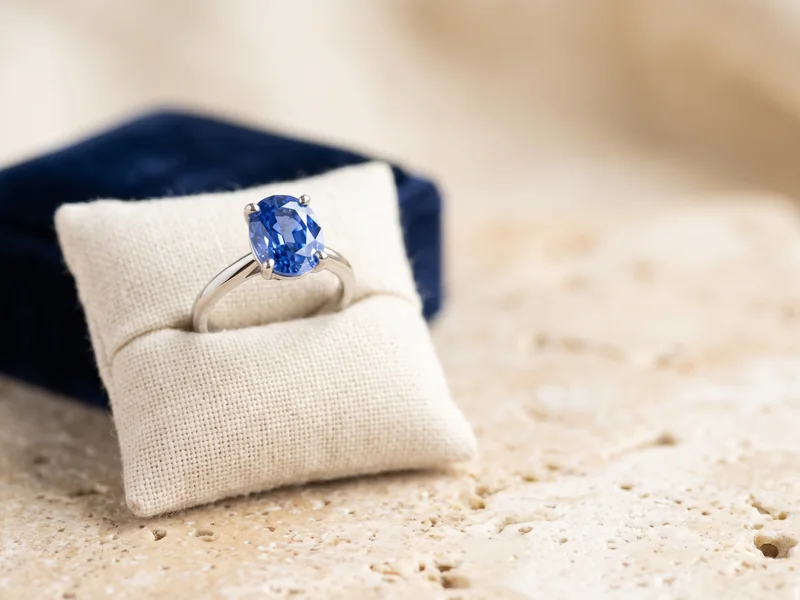
For more ideas across cuts and metals, our page on sapphire engagement rings made in Melbourne shows how different settings handle coloured stones. Terms like girdle, pavilion and bezel are also defined in our plain-English jewellery glossary.
How do you choose between morganite and pink sapphire? Step by step
- Decide how it will be worn. An everyday engagement ring points towards pink sapphire; an occasional dress ring or pendant suits morganite well.
- Pick your colour. Pastel pink or peach favours morganite; anything from mid to vivid pink favours sapphire.
- Compare by millimetres. Set your face-up size first, then compare prices, since morganite gives more size per carat.
- Ask about treatment. Confirm heating for both, and rule out beryllium diffusion on pink-orange sapphire.
- Confirm natural or lab-created. The report or invoice should state it clearly for sapphire, and identify morganite as beryl.
- View in different light. Check daylight and warm indoor light, especially for pale stones.
- Match the setting to the stone. Choose a protective bezel, halo or sturdy claws for morganite, and a metal colour that flatters the pink.
Free consultation
Talk to a gemologist
Compare stones in person or online with Raj Sood, Graduate Gemologist (GIA), AJP (GIA).
Book a consultationShop this shape
FAQ
Common questions
Is morganite or pink sapphire better for an engagement ring?
For a ring worn every day, pink sapphire is the more durable choice at 9 on the Mohs scale. Morganite (7.5–8) can work well with a protective setting and regular cleaning, but its facet edges may wear over many years.
Which is more expensive, morganite or pink sapphire?
Pink sapphire costs considerably more per carat. Morganite is one of the more affordable pink gemstones, especially in larger sizes.
Does morganite get cloudy?
Morganite itself does not turn cloudy, but its pale colour shows skin oil and soap film quickly, which makes it look dull. A gentle clean in warm soapy water restores it.
How can you tell morganite from pink sapphire?
A gemmologist checks refractive index (about 1.57–1.60 for morganite, 1.76–1.77 for sapphire) and specific gravity. By eye, pink sapphire usually looks brighter and more saturated, while morganite looks softer and more peachy.
Are pink sapphires mined in Australia?
Pink is rare from Australian sapphire fields in Queensland and New South Wales, which mostly produce blue, teal, green, yellow and parti stones. Most pink sapphire sold in Australia is imported.
Is lab-created pink sapphire real sapphire?
Yes. Lab-created pink sapphire is corundum with the same hardness and optical properties as natural sapphire, grown in a laboratory. It costs much less and must always be disclosed as lab-created or synthetic.

Ask a gemologist
Not sure which diamond to choose?
Raj Sood is a Graduate Gemologist (GIA) and master jeweller. Bring the stones you are considering, or send the reports, and he will tell you honestly which one is better and why.
Keep learning
Related guides
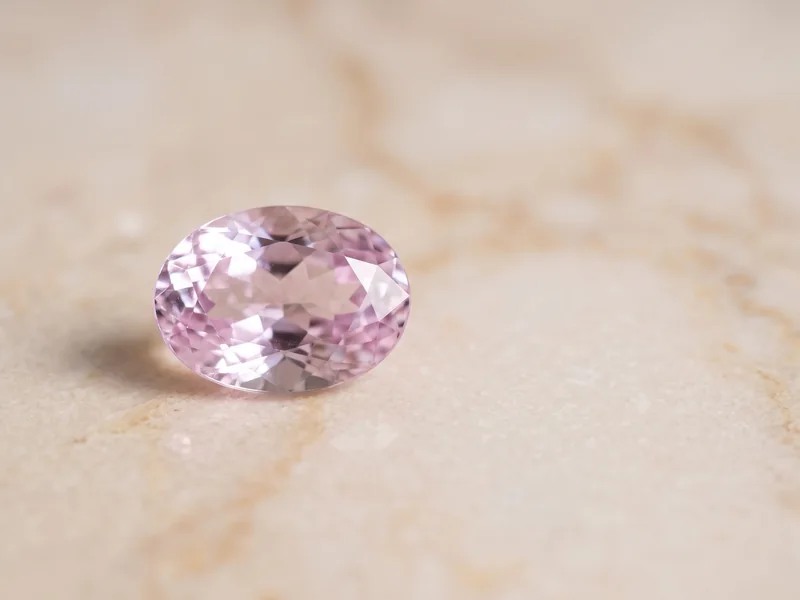
 GemstonesPink Sapphire
 GemstonesMorganite
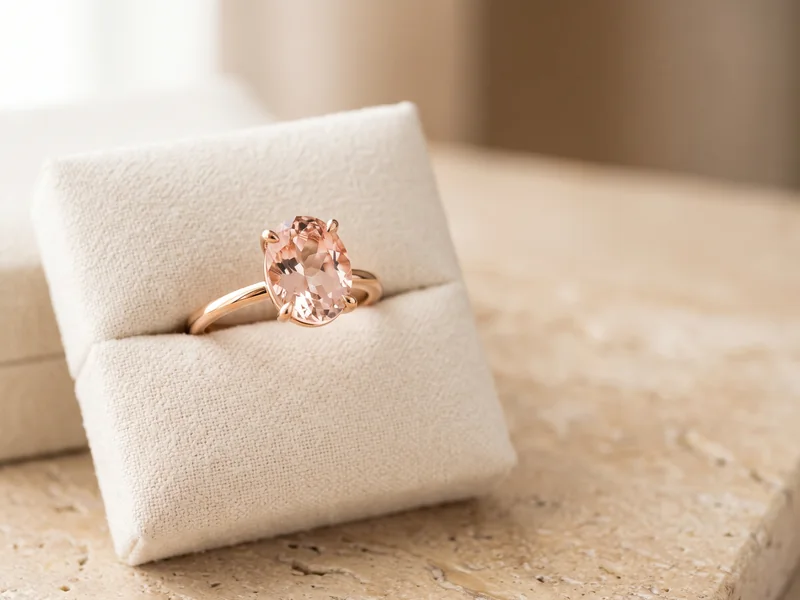 GemstonesMorganite for Engagement Rings: Pros and Cons
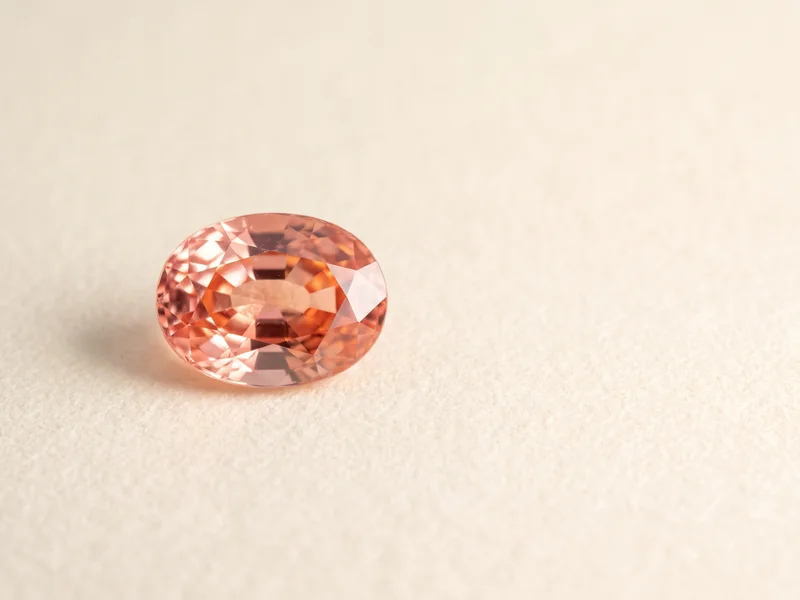 GemstonesPadparadscha SapphireGemstonesGemstones | Coloured Gemstones, Birthstones and Custom Jewellery
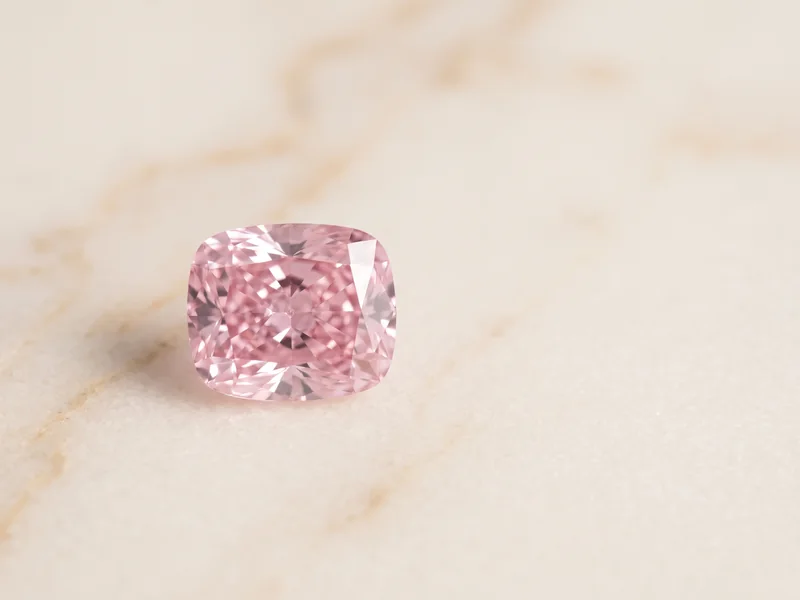 Fancy Colour DiamondsPink Diamonds
 GemstonesDiamond vs Sapphire Engagement Rings
 GemstonesSapphire Engagement Rings in Melbourne
Explore more
More guides on this topic
Education