
- Education
- Diamond Shapes
- Fancy Shape Diamond Proportions: Why There Is No Single Perfect Chart
Diamond shapes
Fancy Shape Diamond Proportions: Why There Is No Single Perfect Chart
Round diamonds have a well-known ideal proportion chart, but fancy shape diamond proportions do not. Here is why, what the numbers on a grading report can and cannot tell you, and how to judge an oval, pear, emerald or cushion by eye.
 Reviewed by Raj Sood, Graduate Gemologist (GIA), AJP (GIA)Master jeweller and Graduate Gemologist (GIA) · reviewed 4 November 2026
Quick answer
There is no single perfect proportion chart for fancy shape diamonds because each shape has a different outline, facet pattern and length-to-width ratio, and GIA gives no overall cut grade outside the round brilliant. Published charts are ranges, not targets. Use depth and table to rule out extremes, then judge brightness, bow-tie and symmetry by eye.
What is a fancy shape diamond?
In the trade, a fancy shape is any diamond that is not a round brilliant. That covers the oval, pear, marquise, heart, cushion, princess, radiant, emerald, Asscher and dozens of rarer cuts, from trilliants to old-style rose cuts, all listed in our guide to every one of the 34 diamond cuts. If you want to see the main ones side by side first, our page on how the main diamond shapes compare is a good starting point.
The word fancy causes confusion because it is also used for colour. A fancy colour diamond is one with a strong natural or lab-grown body colour, such as pink, yellow or blue. A fancy shape can be colourless, and a fancy colour diamond can be round. This guide is mainly about shape and cut proportions, with a section on how coloured stones change the rules.
Proportions are the measurements that describe how a diamond is cut in three dimensions: how deep it is, how large the top facet is, the angles of the upper (crown) and lower (pavilion) halves, and how thick the edge (girdle) is. Any term you have not met before is explained in our plain-English jewellery glossary.
Why is there no perfect proportion chart for fancy shapes?
The round brilliant has a long history of mathematical study. Marcel Tolkowsky published a model of round brilliant proportions in 1919, and since the mid-2000s GIA has graded the cut of round brilliants on a five-step scale from Excellent to Poor, based on years of light-performance research. Because a round is the same in every direction, one set of angles works all the way around the stone, and a chart can describe it well.
Fancy shapes break that model in several ways:
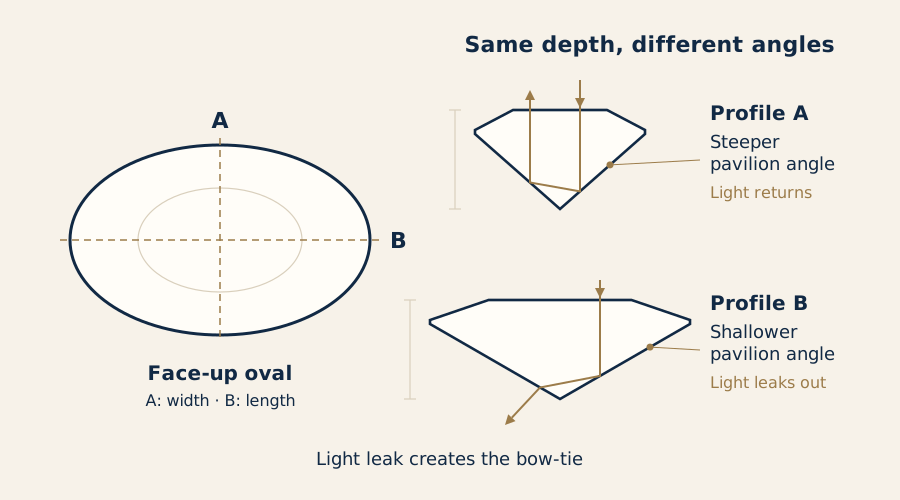
- The outline changes the light paths. In an oval, the pavilion is longer at the ends than across the middle. The same depth percentage gives steep angles across the width and shallow angles along the length, which is why many ovals show a dark bow-tie.
- The facet pattern differs. A brilliant-cut pear, a step-cut emerald and a mixed-cut cushion handle light in completely different ways, so their sensible depth ranges barely overlap.
- Ratio moves the target. A pear at 1.45 and a pear at 1.75 need different proportions to look evenly bright, even though both are well-cut pears.
- Rough shape and weight. Cutters choose fancy shapes partly to keep more weight from an awkward crystal, so proportions often reflect the rough, not an ideal.
- Taste. Some people like the broad flashes of an older-style cushion; others prefer finely broken sparkle. Neither is wrong.
So GIA reports for fancy shapes list polish and symmetry grades, but no overall cut grade. That is not an oversight; there is simply no single standard that would fairly rank every oval or every cushion. Our guide to why GIA gives no cut grade to fancy shapes goes into the grading history in more detail.
What do the numbers on a fancy shape diamond report mean?
A grading report for a fancy shape gives you a handful of measurements. They are useful, but each one has limits:
- Measurements: length × width × depth in millimetres, for example 8.10 × 5.80 × 3.55 mm. These are the most honest numbers on the report, because they tell you the face-up size you will actually see.
- Length-to-width ratio: length divided by width. It describes the outline (a slim or chubby oval), not the cut quality.
- Depth percentage: total depth divided by the width. For an oval measuring 8.10 × 5.80 × 3.55 mm, depth is 3.55 ÷ 5.80 = about 61%.
- Table percentage: the width of the large flat top facet as a percentage of the stone's width.
- Girdle: the thickness of the edge, described from Extremely Thin to Extremely Thick. In fancy shapes it usually varies around the outline and is often thicker at points and corners for strength.
- Culet: the tiny facet, if any, at the bottom tip. None or Very Small is normal.
- Polish and symmetry: graded Excellent to Poor. Symmetry grades mainly describe facet alignment and placement, and are not a reliable guide to whether the outline looks balanced.
What the report does not give you for most fancy shapes is the crown and pavilion angles, the facet count or a picture of how light behaves. Those are the things that decide whether the stone looks bright or dull, which is why the depth and table figures are only a first filter. Our glossary entry for definitions of girdle, culet and pavilion has diagrams of each part.
What are typical fancy shape diamond proportions by shape?
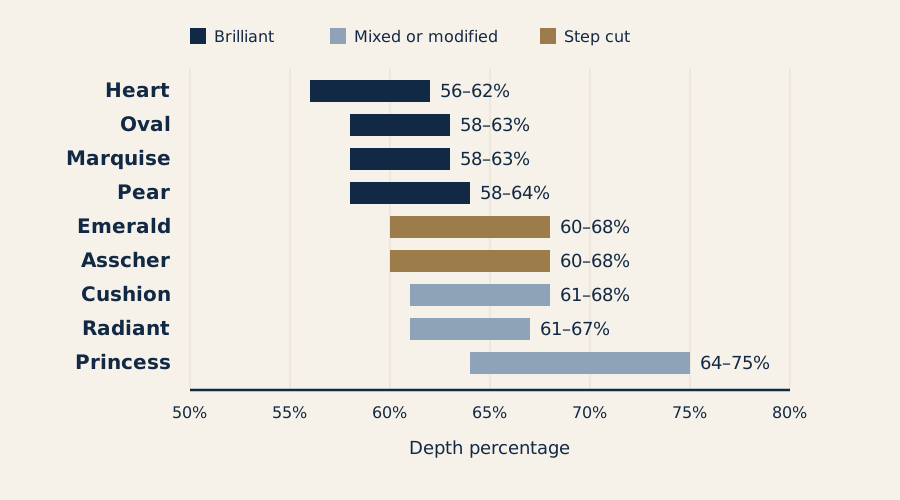
The table below shows the ranges that many gemmologists and cutters use as a sensible starting point. Treat them as a net to catch obvious problems, not a target to hit. A stone just outside a range can look excellent, and a stone in the middle can still look lifeless.
| Shape | Facet style | Common ratio | Typical depth % | Typical table % |
|---|---|---|---|---|
| Oval | Brilliant | 1.30–1.50 | 58–63 | 53–63 |
| Pear | Brilliant | 1.45–1.75 | 58–64 | 53–63 |
| Marquise | Brilliant | 1.85–2.10 | 58–63 | 53–63 |
| Heart | Brilliant | 0.90–1.10 | 56–62 | 53–63 |
| Cushion | Brilliant or mixed | 1.00–1.10 square; 1.15–1.25 elongated | 61–68 | 58–68 |
| Princess | Modified brilliant | 1.00–1.05 | 64–75 | 63–72 |
| Radiant | Mixed | 1.00–1.05 square; 1.20–1.50 rectangular | 61–67 | 61–69 |
| Emerald | Step | 1.30–1.50 | 60–68 | 60–70 |
| Asscher | Step | 1.00–1.05 | 60–68 | 60–70 |
Notice how far apart the families sit. A princess at 70% depth is ordinary; an oval at 70% would be very deep, carry a lot of hidden weight and look small for its carat. Our oval diamond guide and pear cut diamond guide go further into the ratios and outlines of those two shapes. Step cuts such as emeralds and Asschers have larger tables than brilliants because their broad, flat facets are meant to act like mirrors rather than scatter light into small sparks.
Cushions vary more than any other shape, because the name covers chunky older-style patterns and modern crushed-ice patterns with extra facets. That is why we give them their own page: see our detailed cushion proportions chart.
Not sure which one is right?
Send us the stones you are looking at and our gemologist will tell you which to choose and why.
Why can two diamonds with the same numbers look different?
Two ovals can both measure 61% depth and 58% table and still look nothing alike. Depth and table are single averages across the whole stone, and they say nothing about how the angles change from the centre to the ends, or how the facets are arranged. These are the effects to watch for:
- Bow-tie effect: a dark band across the middle of ovals, pears, marquises and hearts where light leaks out instead of returning to your eye. A faint bow-tie that shifts as the stone moves is normal; a solid black one is not.
- Windowing: a washed-out, see-through area in the centre, caused by a pavilion that is too shallow. You can often read print through it.
- Dark centre: the opposite problem, from a pavilion that is too steep or deep. The middle looks grey or black.
- Bulging pavilion: extra weight hidden below the girdle, so the stone faces up smaller than its carat suggests.
- Uneven shoulders or wings: an outline that looks lopsided, even with an Excellent symmetry grade.
Face-up size shows the cost of extra depth. As a rough guide, a 1 ct oval at about 59% depth might measure around 8.0 × 5.8 mm, while a 1 ct oval at about 67% depth might measure closer to 7.5 × 5.5 mm. You pay for the same weight but see a smaller diamond. Compare millimetres, not just carats; our comparison of which shapes look biggest for their weight sets out the pattern across the main cuts.
This is the heart of judging cut quality without a lab grade: the numbers help you shortlist, and your eyes, or a good 360° video, make the decision.
Related guideIdeal Proportions Chart: Cushion DiamondsHow does facet style change the ideal proportions?
Facet style matters as much as outline. There are three broad families, and each has its own logic. If you want to see which shapes belong to which family, our overview of brilliant, step and mixed cut shapes side by side groups them clearly.
| Round brilliant | Brilliant fancy shapes | Step cuts | Mixed cuts | |
|---|---|---|---|---|
| Examples | Round | Oval, pear, marquise, heart | Emerald, Asscher, baguette | Radiant, many cushions; princess (a modified brilliant with a similar deep, squarish pavilion) |
| GIA overall cut grade | Yes, Excellent to Poor | No | No | No |
| Single ideal chart? | Widely used | No; ranges only | No; ranges only | No; ranges only |
| Typical table % | about 53–60 | 53–63 | 60–70 | 58–72 |
| Light pattern | Fine, even sparkle | Sparkle with possible bow-tie | Broad flashes, hall-of-mirrors look | Lively sparkle, often crushed-ice |
| Shows inclusions and colour | Least | Moderately | Most | Moderately |
| What to judge by eye | Usually not needed | Bow-tie, windowing, outline | Clarity, even steps, corners | Brightness, facet pattern, outline |
Step cuts are a good example of why charts mislead. An emerald cut does not sparkle like a brilliant, so judging it by sparkle makes little sense. What matters is that the steps are evenly spaced, the corners are cut back to protect them, and the open table lets you see into the stone clearly. Because that table acts like a window, step cuts show inclusions and body colour more than brilliants, which is a bigger factor in choosing one than any depth percentage.
Mixed cuts combine a step-cut crown with a brilliant-style pavilion, or the reverse. The radiant and many cushions use this approach to add sparkle to a squarer outline. Their pavilions tend to be deeper, so a 65% radiant can look perfectly bright.
Do fancy coloured diamonds follow different proportions?
Yes, and this is where the fancy shape vs fancy colour confusion becomes practical. For a colourless diamond, the cutter's aim is brightness: return as much white light as possible. For a coloured diamond, the aim is usually colour. Light that travels further through the stone picks up more colour, so cutters often choose deeper pavilions and shapes such as radiants and cushions that bounce light around inside the diamond.
That can lift a diamond by a full step on the colour scale. GIA grades coloured diamonds by hue, tone and saturation, and our guide to how coloured diamonds are graded by GIA explains the process. The intensity grades run from Faint up to Fancy Vivid, with Fancy Deep and Fancy Dark for darker tones, set out in our walk through the Faint to Vivid intensity scale, and a well-chosen cut can move a stone from Fancy Intense towards the richest Fancy Vivid grade.
The shape also affects secondary colours. A yellow diamond cut as a radiant might show a stronger orange or green tint than the same rough cut as an oval, because the facets mix the colours differently. Our page on secondary hues, modifiers and overtones covers how those tints appear on a report.
Because colour carries most of the value in these stones, a cutter will happily accept a deeper, less bright diamond if the colour grade goes up. That is a big reason what moves the price of a coloured diamond is so different from the 4Cs logic of colourless stones. If you are choosing one for a ring, our guide to coloured diamond engagement rings covers settings and metals that flatter each colour.
Are lab-grown fancy shape diamonds cut differently from natural?
Lab-grown diamonds are real diamond, with the same hardness (10 on the Mohs scale) and refractive index (about 2.42) as natural diamond, so the same proportion rules apply to both. The difference is the rough. Natural crystals come in irregular shapes, and with natural rough so valuable, a cutter will often keep extra depth or a thicker girdle to save weight. Laboratory-grown rough tends to be more regular, and because each carat costs much less, there is less pressure to keep weight at the expense of brightness.
In practice that means many lab-grown fancy shapes sit comfortably inside the typical ranges, but not all of them. Some are still cut deep to reach a round-number weight such as 1.00 or 2.00 carats, so check them the same way you would check a natural stone.
| 1 ct oval, G–H, VS | Approximate price range (AUD) |
|---|---|
| Lab-grown | about $1,000–$3,000 |
| Natural | about $7,000–$15,000 |
These are broad ranges only; prices change with the market and the exact grades. Within each range, a well-proportioned stone that faces up larger can cost more than a deep one of the same weight, and often it is worth it, because you are paying for the size you see.
Browse natural and lab-grown fancy shape diamonds
How do you judge fancy shape diamond proportions? Step by step
- Choose the shape and ratio first. Decide on the outline you like, for example an oval at about 1.35–1.45, before comparing proportions.
- Read the report. Confirm the shape, measurements, depth, table, girdle, polish, symmetry, and whether the diamond is natural or lab-grown.
- Filter with the ranges. Use the table above to set aside stones that are far outside the typical depth and table for that shape.
- Compare millimetres. Among stones of similar weight, note which ones face up larger; very deep stones will measure smaller.
- Watch a 360° video. Look for a bow-tie that stays dark, a washed-out window or a grey centre as the stone turns.
- Check the outline and girdle. Look for even shoulders, wings or corners, and avoid Extremely Thin girdles at points.
- Judge side by side. Compare two or three shortlisted stones together; use our fancy shape cut-quality checklist to keep notes consistent.
Free consultation
Talk to a gemologist
Compare stones in person or online with Raj Sood, Graduate Gemologist (GIA), AJP (GIA).
Book a consultationShop this shape
FAQ
Common questions
Is there an ideal depth percentage for an oval diamond?
There is no single ideal, but many well-cut ovals sit around 58–63% depth with a 53–63% table. Within that range, judge the stone by its brightness and bow-tie in a video rather than chasing one exact number.
Why doesn't GIA give fancy shapes a cut grade?
GIA's overall cut grade is built on research into the round brilliant, which is the same in every direction. Fancy shapes vary too much in outline, ratio and facet pattern for one standard to rank them fairly, so reports give polish and symmetry grades instead.
Is a deep fancy shape diamond a bad choice?
Not always. Princess, radiant and some cushion cuts are naturally deep, and coloured diamonds are often cut deep to strengthen colour. A brilliant-cut oval or pear that is very deep, though, will usually face up smaller and can show a dark centre.
What is the difference between a fancy shape and a fancy colour diamond?
A fancy shape is any cut other than a round brilliant. A fancy colour diamond has a strong body colour such as pink, yellow or blue. A diamond can be one, both or neither.
Do lab-grown fancy shapes have better proportions than natural ones?
They often sit within typical ranges because there is less pressure to keep weight, but not every lab-grown stone does. Check a lab-grown stone's measurements and video in exactly the same way as a natural one.
Can a fancy shape with Excellent symmetry still look uneven?
Yes. The symmetry grade mainly describes how precisely the facets line up, not whether the outline looks balanced. Check shoulders, wings and corners by eye.

Ask a gemologist
Not sure which diamond to choose?
Raj Sood is a Graduate Gemologist (GIA) and master jeweller. Bring the stones you are considering, or send the reports, and he will tell you honestly which one is better and why.
Keep learning
Related guides
 Diamond 4Cs & GradingCut Quality in Fancy Shapes (No GIA Cut Grade)
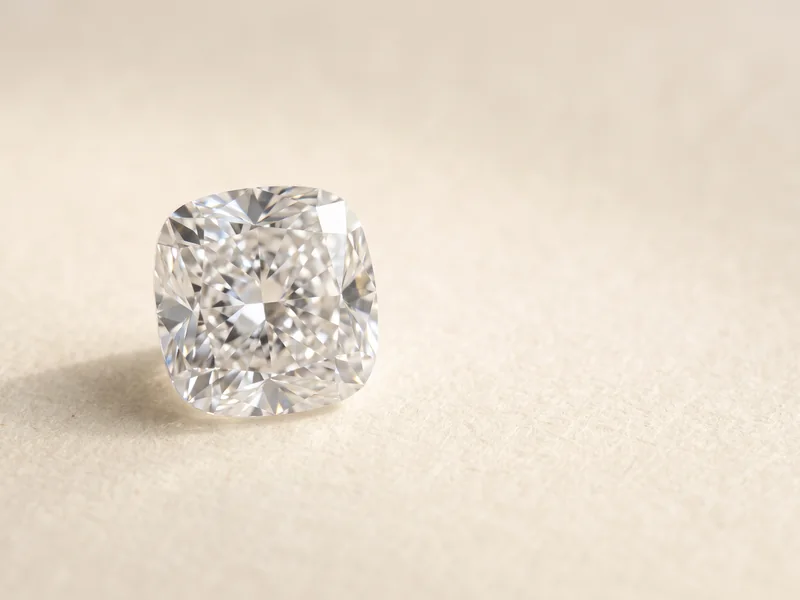 Diamond Anatomy & LightIdeal Proportions Chart: Cushion DiamondsDiamond ShapesUnderstanding Diamond Shapes
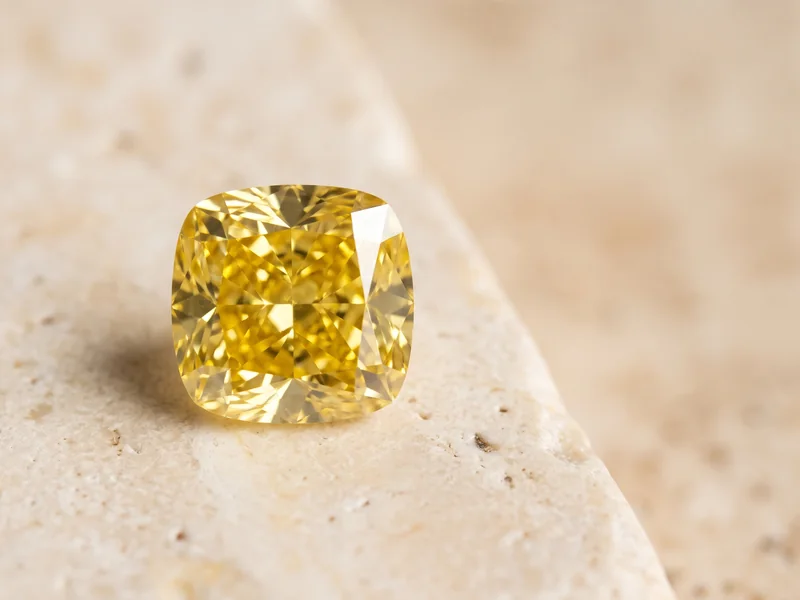 Fancy Colour DiamondsHow Fancy Colour Diamonds Are Graded
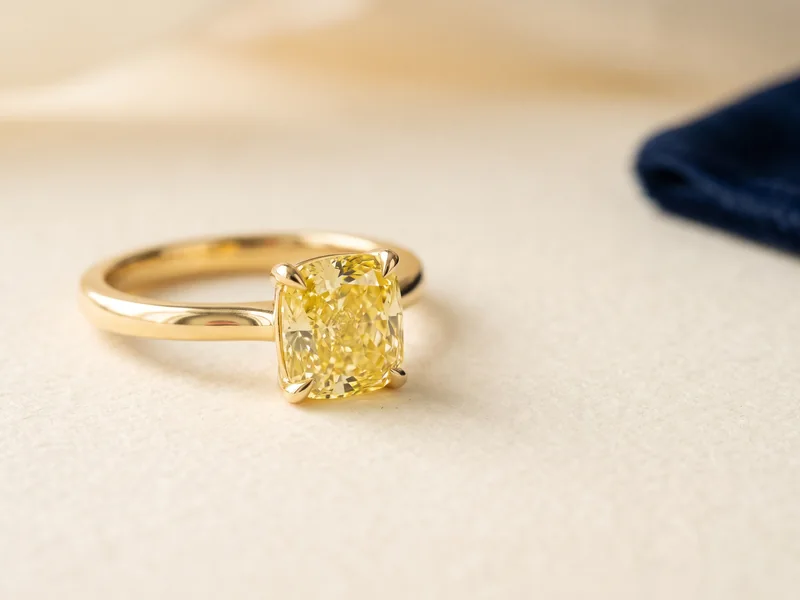 Fancy Colour DiamondsFancy Coloured Diamond Engagement Rings
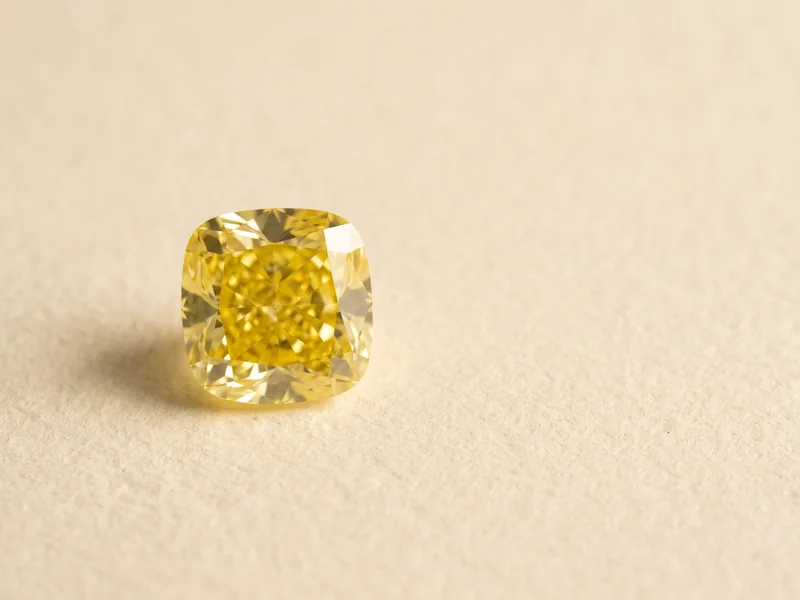 Fancy Colour DiamondsWhat Is a Fancy Vivid Diamond?
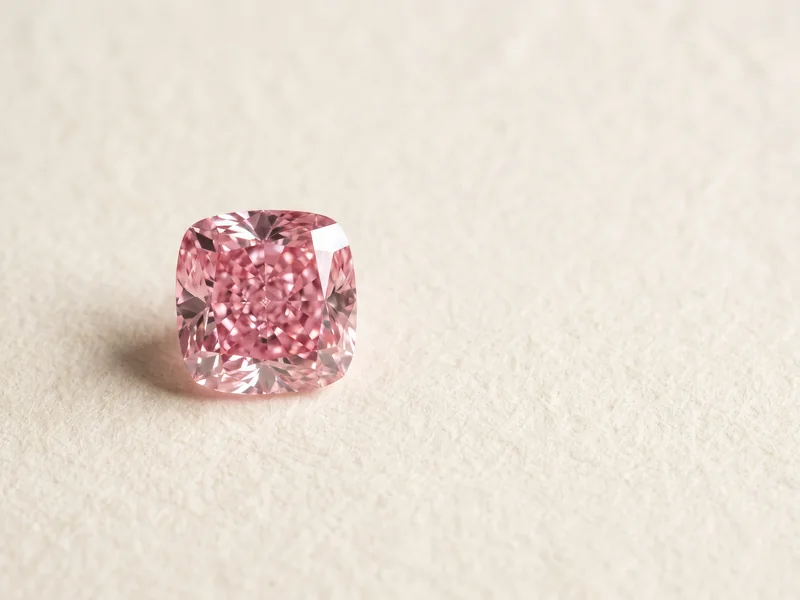 Fancy Colour DiamondsWhat Drives Fancy Colour Diamond Prices
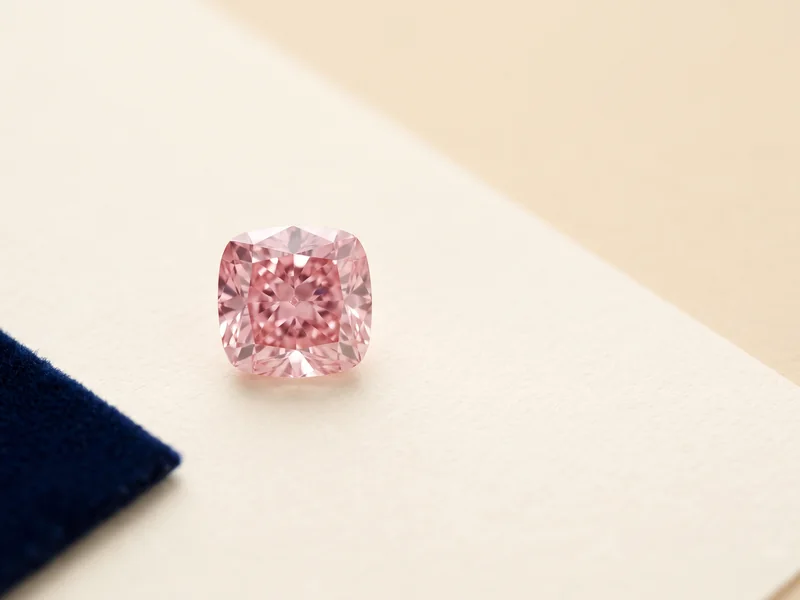 Fancy Colour DiamondsFancy Colour Modifiers and Overtones
Explore more
More guides on this topic
Education