
Gemstones
Tourmaline Gemstone Guide: Colours, Durability, Treatments, Value and Care
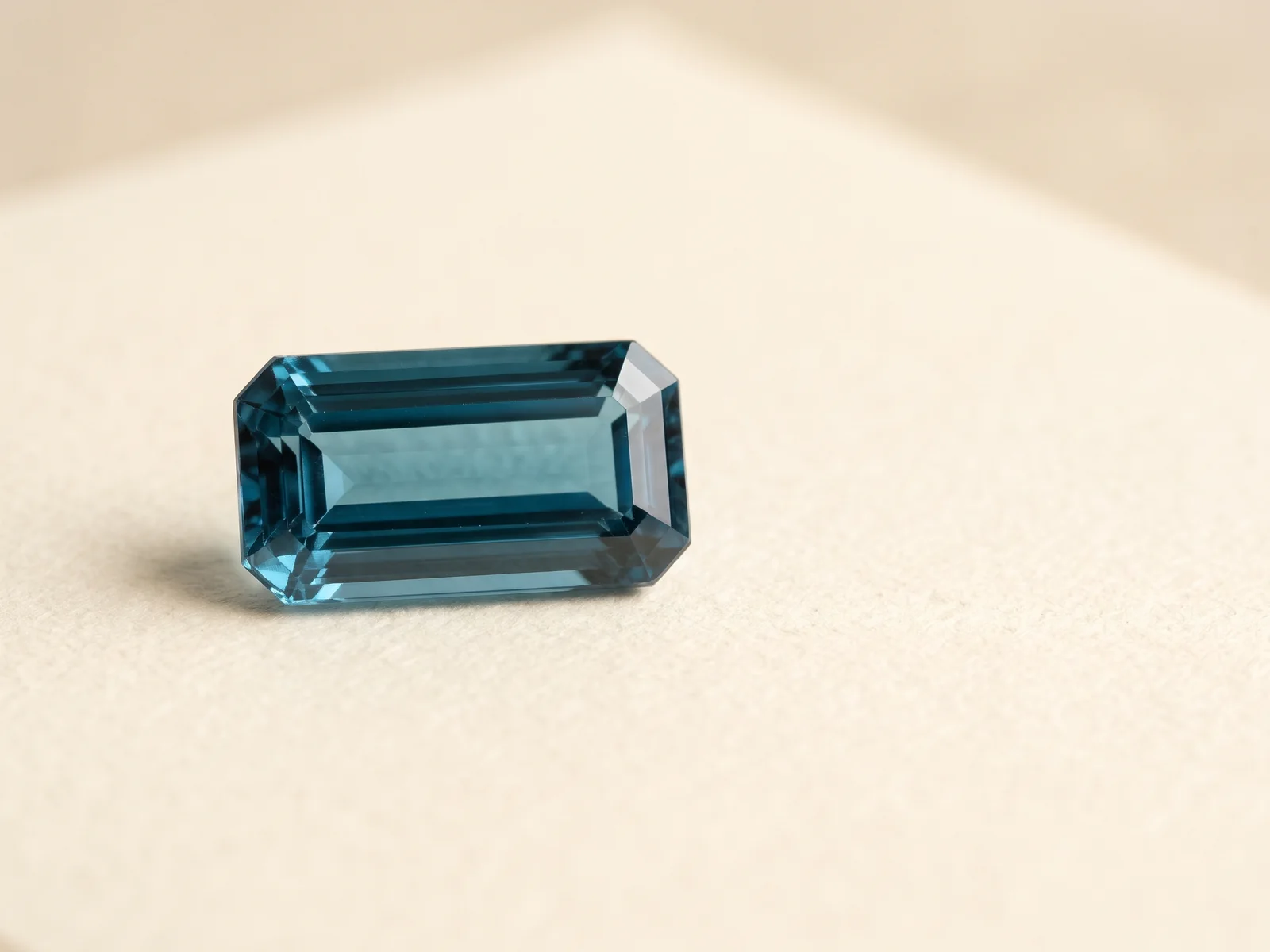
Tourmaline comes in more colours than almost any other gem, which makes it one of the most rewarding stones to choose and one of the easiest to misjudge. Here is what a gemologist checks, from colour and clarity to treatments, toughness and care.
 Reviewed by Raj Sood, Graduate Gemologist (GIA), AJP (GIA)Master jeweller and Graduate Gemologist (GIA) · reviewed 4 November 2026
Quick answer
Tourmaline is a natural boron silicate gemstone found in more colours than almost any other gem, from pink and green to blue, red and bicolour. It rates 7–7.5 on the Mohs scale with fair toughness, so it suits pendants, earrings and carefully set rings. Value depends on colour, clarity, size and origin, with Paraíba types highest.
What is tourmaline?
Tourmaline is not one mineral but a group of closely related boron silicate minerals that share the same crystal structure. Boron, aluminium, silicon and oxygen form the framework, and a long list of other elements, including iron, magnesium, lithium, manganese, chromium, vanadium and copper, can swap in and out. Those swaps are why tourmaline shows more colours than almost any other gem. It sits among the coloured stones in our coloured gemstones overview, alongside sapphire, spinel and opal.
Gem dealers rarely name the species, but gemologists do. Most faceted tourmaline is elbaite, the lithium-rich species behind the pinks, reds, blues, greens and bicolours. Dravite and uvite are magnesium-rich and run from brown and yellow to the chromium- or vanadium-coloured greens sold as chrome tourmaline. Liddicoatite, named after GIA's Richard Liddicoat, gives some of the colour-zoned slices from Madagascar. Schorl, the iron-rich black species, is the most common tourmaline of all.
Tourmaline grows as long prisms with a rounded triangular cross-section and fine parallel grooves (striations) along their length. It is also pyroelectric and piezoelectric: warm the crystal, or squeeze it, and it develops an electrical charge at each end. A warm tourmaline in a shop window can attract a thin film of dust for exactly this reason. Any unfamiliar term in this guide is defined in our jewellery glossary.
What colours does tourmaline come in?
Colour is the reason most people choose tourmaline, and the trade uses names for the main colour varieties. These are trade names, not separate minerals, and the line between them is partly a matter of judgement.
| Trade name | Colour | Main cause | Gemologist's note |
|---|---|---|---|
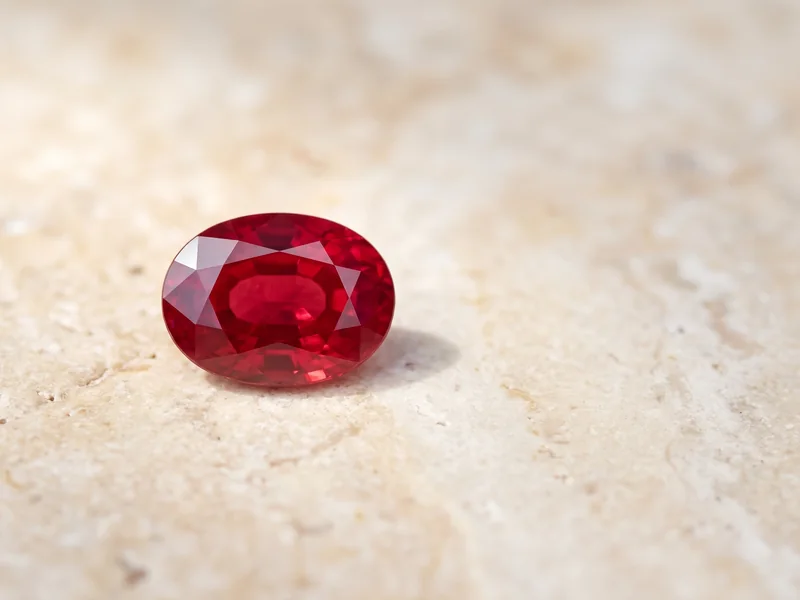
| Rubellite | Red to deep pink that holds its colour in all lighting | Manganese | Almost always included |
| Pink tourmaline | Light to medium pink | Manganese | Often irradiated to deepen the colour |
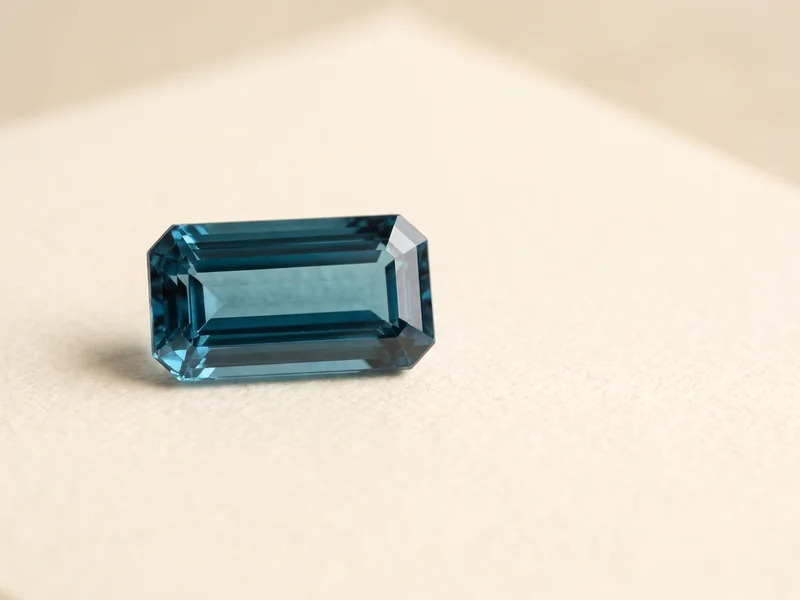
| Indicolite | Blue to greenish blue | Iron | A clean, bright blue is rare |
| Green tourmaline (verdelite) | Yellowish to bluish green | Iron, sometimes titanium | The most common gem colour |
| Chrome tourmaline | Intense pure green | Chromium or vanadium | Mostly from East Africa |
| Paraíba type (cuprian) | Neon blue to green | Copper and manganese | The most valuable tourmaline |
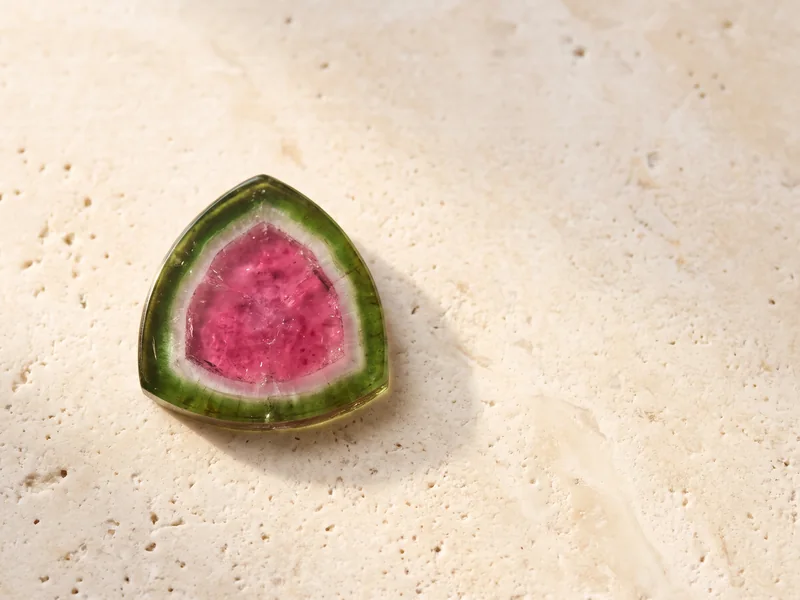
| Watermelon | Pink centre, green rim | Changing chemistry as the crystal grew | Often sold as polished slices |
| Bicolour and parti-colour | Two or more colours along the length | Colour zoning during growth | Popular as elongated step cuts |
| Achroite | Colourless | Very few trace elements | Rare, mainly a collector stone |
| Schorl | Black | Iron | Opaque; used in beads and older mourning jewellery |
Each of the named varieties has its own guide: rubellite, the red to deep pink variety, indicolite, tourmaline's true blue, the neon copper-bearing Paraíba tourmaline and the pink-and-green watermelon tourmaline.
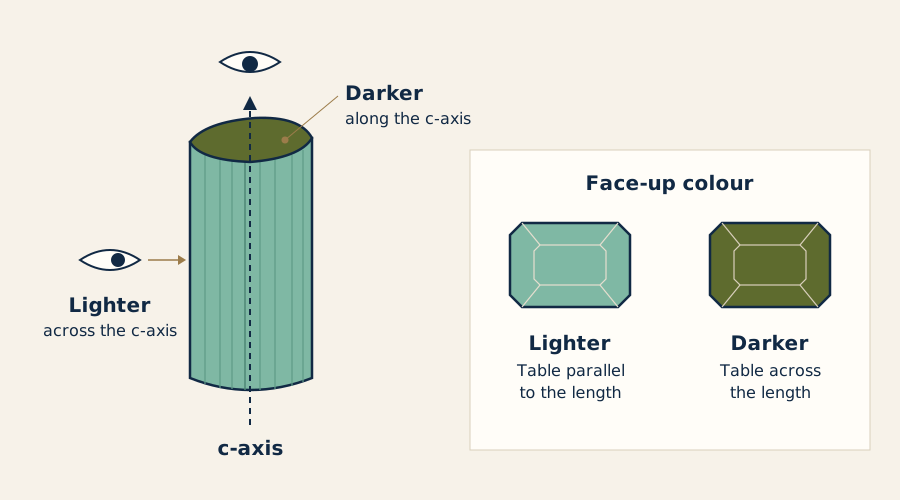
Tourmaline is strongly pleochroic (dichroic, to be exact), meaning it shows two different colours depending on the direction you look through the crystal. Looking down the length of the crystal, along what gemologists call the c-axis, the colour is usually much darker. A green crystal can look olive or almost black end-on and a lighter bluish or yellowish green from the side. Cutters use this deliberately: dark green and blue rough is often cut with the table (the large top facet) parallel to the length to lighten it, while pale pink rough is cut with the table across the length to deepen it.
How hard and tough is tourmaline for everyday wear?
Two separate properties decide how a gem copes with daily life. Hardness, measured on the Mohs scale, is resistance to scratching. Toughness is resistance to chipping and breaking. Tourmaline rates 7–7.5 for hardness, so it is at least as hard as quartz, the main scratching mineral in household dust, and keeps its polish well. Its toughness is rated fair: it has no easy cleavage plane, but it is brittle, and many stones carry internal fractures that a sharp knock can extend.
| Gem | Mohs hardness | Toughness | Ring wear |
|---|---|---|---|
| Diamond | 10 | Good | Every day |
| Sapphire and ruby | 9 | Excellent | Every day |
| Spinel | 8 | Good | Every day |
| Aquamarine | 7.5–8 | Good | Every day, with some care |
| Emerald | 7.5–8 | Poor to good (usually fractured) | Protective setting, careful wear |
| Tourmaline | 7–7.5 | Fair | Protective setting, careful wear |
| Smoky quartz | 7 | Good | Regular wear, with care |
| Chrysoprase | 6.5–7 | Good | Occasional wear, usually as cabochons |
| Opal | 5.5–6.5 | Poor to fair | Occasional wear, protective setting |
| Amber | 2–2.5 | Poor | Pendants and earrings |
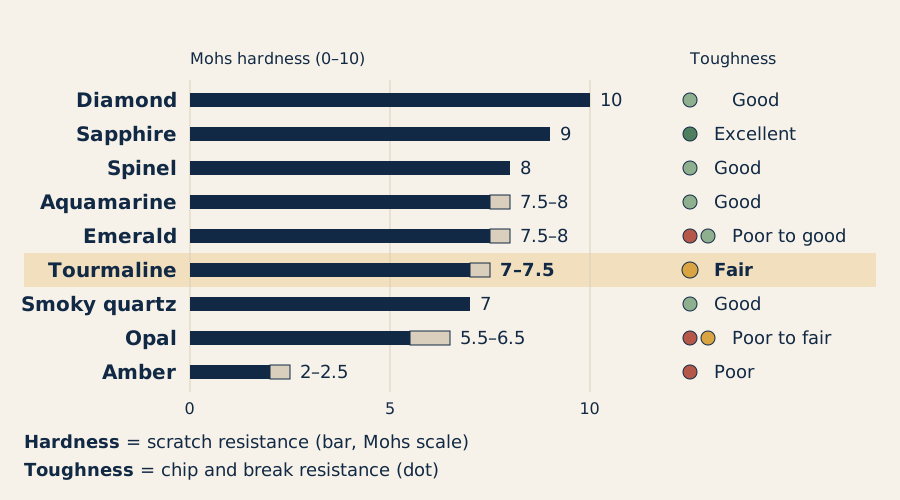
In practice tourmaline sits in the same careful-wear group as emerald, though a clean tourmaline is often less fragile than a typical emerald because most emeralds are fractured. Our page on how emerald compares with diamond for daily wear applies the same reasoning to another green gem. Further down the table, smoky quartz scratches a little more easily, Australian chrysoprase is usually cut as smooth cabochons, and amber, an organic gem is soft enough that it suits pendants and earrings rather than rings.
What clarity should you expect in tourmaline?
GIA groups coloured gems into three clarity types according to how included they usually are when they come out of the ground. Green tourmaline is usually Type I, often eye-clean, while blue tourmaline is Type II: it normally contains some inclusions, but eye-clean stones are available. Rubellite, pink and watermelon tourmaline are Type III: they are almost always included, and some visible inclusions are accepted even in fine stones. Our guide to GIA's Type I, II and III clarity system explains how this changes what you should expect.
The inclusions you are most likely to see under a 10× loupe:
- Trichites: fine, thread-like networks of liquid-filled channels, very typical of pink and red tourmaline.
- Growth tubes: long, parallel hollow tubes. When dense and cut as a cabochon, they create a cat's-eye effect (chatoyancy).
- Healed fractures: flat, lacy patterns of tiny liquid droplets, sometimes called fingerprints.
- Open fractures: cracks that reach the surface. These matter most for durability and are where fillers are found.
For green and blue stones, look for an eye-clean gem, meaning no inclusions visible without magnification at normal viewing distance. For rubellite, judge the colour first and accept some inclusions, as long as none reach the surface near the girdle (the outer edge) or the corners of the stone, where a setting puts pressure.
Not sure which one is right?
Send us the stones you are looking at and our gemologist will tell you which to choose and why.
Is tourmaline treated?
Many tourmalines are sold untreated, but several treatments are common. None makes a stone worthless, but each affects value and care, and all should be disclosed by the seller.
- Heating: lightens dark green and blue stones and removes brownish or purplish tints. It is used on many copper-bearing Paraíba-type stones. The result is stable and usually cannot be proven by a lab.
- Irradiation: deepens pink and red colour, sometimes followed by gentle heating. It is stable in normal wear but can fade if the stone is later heated, and it is usually not detectable.
- Fracture filling: oils or resins are pushed into surface-reaching cracks to make them less visible. Filling can be seen under magnification, and fillers can be damaged by heat, solvents and ultrasonic cleaners.
- Coatings: rare, but thin surface coatings are occasionally used to change colour and can wear off.
Synthetic tourmaline has been grown in research laboratories, but lab-created tourmaline is not produced commercially for jewellery, so virtually every tourmaline you will see is natural. The practical risk is imitation, usually glass, or another natural gem of similar colour sold under the wrong name. For a high-value stone, especially a Paraíba type, ask for an independent laboratory report that states the species, any detectable treatments and, where relevant, copper content.
How do gemologists identify tourmaline?
At the bench, a gemologist can usually confirm tourmaline with standard instruments in a few minutes. These are the checks I make, and the readings that separate it from lookalikes:
- Refractive index: about 1.624–1.644 on a refractometer, with two shadow edges because the stone is doubly refractive.
- Birefringence: the gap between those two readings, typically about 0.018–0.020. Peridot is higher (about 0.036) and spinel and glass show none.
- Doubling: under a 10× loupe, the back facet edges often look doubled when viewed at an angle to the c-axis. Glass never shows this.
- Dichroscope: a small hand tool that shows the two pleochroic colours side by side. Tourmaline's two colours are usually distinct.
- Specific gravity: about 3.06 by hydrostatic weighing, compared with about 2.72 for emerald and 3.52 for diamond.
- Laboratory analysis: copper in Paraíba-type stones, and in some cases their likely origin, can only be confirmed with advanced chemical testing at a lab.
Common lookalikes include emerald (lower refractive index of about 1.57–1.59), peridot, pink topaz, spinel, apatite (much softer, about 5 on the Mohs scale) and andalusite. Strong dichroism plus visible doubling is the quickest pointer towards tourmaline.
Where does tourmaline come from, and is there Australian tourmaline?
Gem tourmaline forms mainly in granite pegmatites, coarse-grained igneous rocks rich in boron and lithium that crystallise slowly enough for large crystals to grow in open pockets. The main sources:
- Brazil: Minas Gerais produces every colour. Copper-bearing tourmaline was found in the state of Paraíba in the late 1980s, and later in neighbouring Rio Grande do Norte.
- Nigeria and Mozambique: copper-bearing tourmaline since the early 2000s, plus rubellite and other colours.
- Afghanistan and Pakistan: blues, greens and pinks from high-altitude pegmatites.
- Madagascar: strongly colour-zoned crystals, including many slices.
- Tanzania and Kenya: chrome tourmaline; Malawi is known for bright yellow tourmaline.
- United States: historic pink mines in San Diego County, California, and green tourmaline in Maine.
- Sri Lanka: water-worn pebbles in gem gravels. The name tourmaline is thought to come from the Sinhalese word 'turamali'.
Australia is not a significant source of gem tourmaline. Black schorl is widespread in granites and pegmatites in several states, and small amounts of green and pink elbaite have been found in lithium-bearing pegmatites in Western Australia, but very little reaches the jewellery trade. If you want a gem with a genuinely Australian story, look at Australia's sapphire fields at Inverell and Anakie or the opal fields of Lightning Ridge, Coober Pedy and Queensland.
For most tourmaline, origin has little effect on price; colour matters far more. The exception is copper-bearing tourmaline, where Brazilian stones from Paraíba usually command more than African stones of similar appearance.
What affects tourmaline price in Australia?
Value follows the same logic as other coloured gems, in roughly this order of importance:
- Colour: a bright, saturated, medium-toned colour is worth most. Stones that are too dark, or that show a brownish or greyish tint, are worth less.
- Clarity relative to type: an eye-clean green earns a premium; a rubellite is judged more generously.
- Cut: good cutting avoids a window (a washed-out centre where light passes straight through) and limits dark ends in long step cuts.
- Size: fine colours above about 5 carats are scarcer, so the price per carat rises with size.
- Treatment and origin: untreated, copper-bearing and Brazilian Paraíba stones sit at the top.
| Tourmaline type (good to fine, about 1–5 ct) | Approximate price per carat (AUD) |
|---|---|
| Green tourmaline | about $60–$400 |
| Pink tourmaline | about $100–$700 |
| Bicolour and faceted watermelon | about $100–$800 |
| Chrome tourmaline | about $200–$1,000 |
| Rubellite, fine red | about $300–$1,500 |
| Indicolite, bright blue | about $300–$1,500 |
| Copper-bearing (Paraíba type), African | about $1,500–$10,000 |
| Copper-bearing from Paraíba, Brazil, fine neon | about $5,000–$30,000 or more |
These are broad ranges only and move with the market and the exact quality. Size also behaves differently from diamond. Tourmaline's specific gravity of about 3.06 is lower than diamond's 3.52, so a tourmaline of the same cut and dimensions weighs only about 0.87 times as much, and a 1 carat tourmaline looks a little larger than a 1 carat diamond. Our page on why carat weight and size differ between gems gives the millimetre comparisons, and the guide to what drives Paraíba prices explains the top of the range.
Browse natural gemstones, including tourmaline
Is tourmaline good for an engagement ring?
Tourmaline can work well in an engagement ring if the setting protects it and the wearer is prepared to take it off for rough work. Its hardness means it keeps its polish for years; its fair toughness means a hard knock on a corner or girdle can chip it. Choices that help:
- Bezel or half-bezel: a rim of metal around the edge, the most protective option for an everyday ring.
- Halo: small diamonds or gems around the centre stone frame the colour and shield the girdle.
- Six claws or corner claws: for ovals and rounds, six claws spread the load; for emerald cuts and long bicolours, V-shaped claws guard the corners.
- A lower profile: a stone set closer to the finger takes fewer knocks than a tall setting.
- Cleaner stones for rings: keep heavily included rubellite and watermelon stones for pendants and earrings.
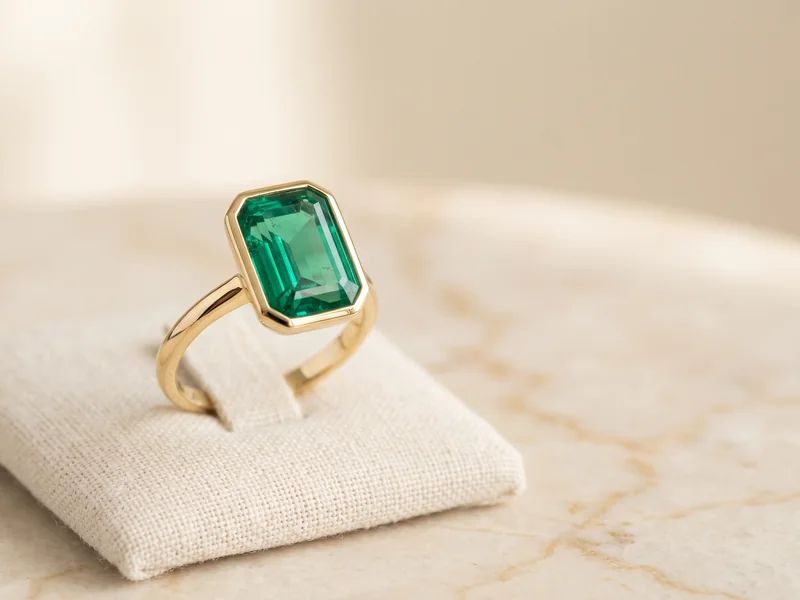
Our guide to choosing a tourmaline engagement ring goes deeper into colour choices and settings. Tourmaline is also a traditional October birthstone, shared with opal; see October's two birthstones, opal and tourmaline for how the two compare.
How do you clean and care for tourmaline?
Tourmaline is easy to look after if you avoid heat, vibration and hard knocks. Pink and red colours are stable in normal light, but the stone can attract dust, so it needs a clean more often than you might expect.
- Soak it. Place the piece in warm, not hot, water with a few drops of mild dishwashing liquid for a few minutes.
- Brush gently. Use a soft toothbrush, especially underneath the stone where soap and lotion build up.
- Rinse safely. Rinse in a bowl of clean water rather than over an open drain, then pat dry with a lint-free cloth.
- Skip the machines. Do not use ultrasonic or steam cleaners; vibration and heat can extend fractures and damage fillers.
- Avoid shocks. Keep it away from sudden temperature changes, chlorine and household chemicals, and take rings off for the gym, gardening and cleaning.
- Store it separately. Keep it in a soft pouch away from diamonds and sapphires, which will scratch it.
- Check it yearly. Have a jeweller check the claws and the stone about once a year, and ask for the stone to be removed before any torch work.
Free consultation
Talk to a gemologist
Compare stones in person or online with Raj Sood, Graduate Gemologist (GIA), AJP (GIA).
Book a consultationShop this shape
FAQ
Common questions
Is tourmaline a precious or semi-precious stone?
Tourmaline is traditionally called semi-precious, but the label says little about value. Fine rubellite, indicolite and Paraíba tourmaline can cost more per carat than many sapphires.
Can you wear tourmaline every day?
Yes, in earrings and pendants with no special care, and in rings with a protective setting such as a bezel or halo. At 7–7.5 on the Mohs scale it resists scratching well, but its fair toughness means you should take it off for heavy work.
Is pink tourmaline treated?
Many pink and red tourmalines are irradiated to deepen their colour, and the result is stable in normal wear. The treatment usually cannot be detected, so ask the seller to state in writing what they know about it.
What is the most valuable colour of tourmaline?
Copper-bearing Paraíba-type tourmaline in a neon blue or green is the most valuable. Among the other colours, a saturated red rubellite and a bright pure blue indicolite command the highest prices.
Is there lab-created tourmaline?
Tourmaline has been synthesised in research labs, but lab-created tourmaline is not sold commercially for jewellery. The main thing to watch for is glass imitations or other gems sold under the tourmaline name.
What birthstone is tourmaline?
Tourmaline is one of the two October birthstones, alongside opal. Pink tourmaline is the colour most often linked with October.

Ask a gemologist
Not sure which diamond to choose?
Raj Sood is a Graduate Gemologist (GIA) and master jeweller. Bring the stones you are considering, or send the reports, and he will tell you honestly which one is better and why.
Keep learning
Related guides
 GemstonesParaíba Tourmaline
 GemstonesRubellite Tourmaline
 GemstonesWatermelon Tourmaline
 GemstonesTourmaline Engagement Rings: Colour and DurabilityGemstonesGemstones | Coloured Gemstones, Birthstones and Custom Jewellery
 GemstonesIndicolite Tourmaline
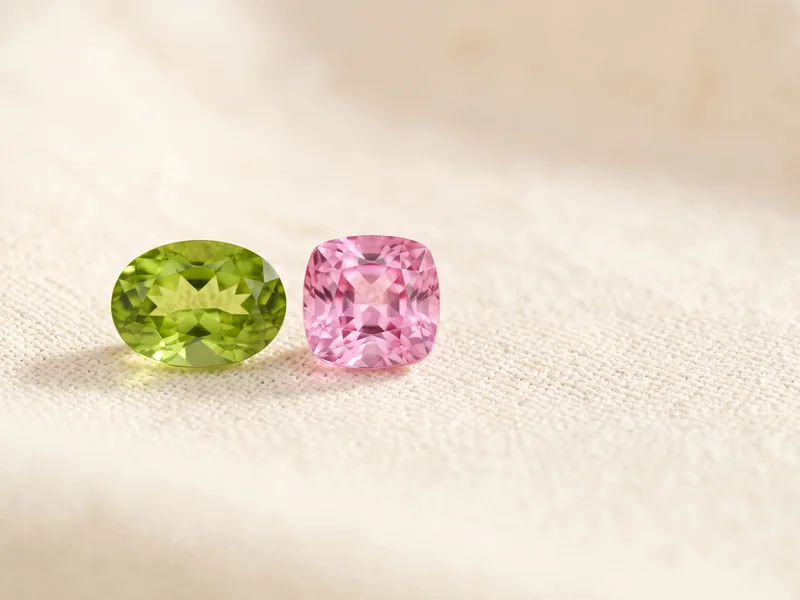 GemstonesOctober Birthstone: Opal and Tourmaline
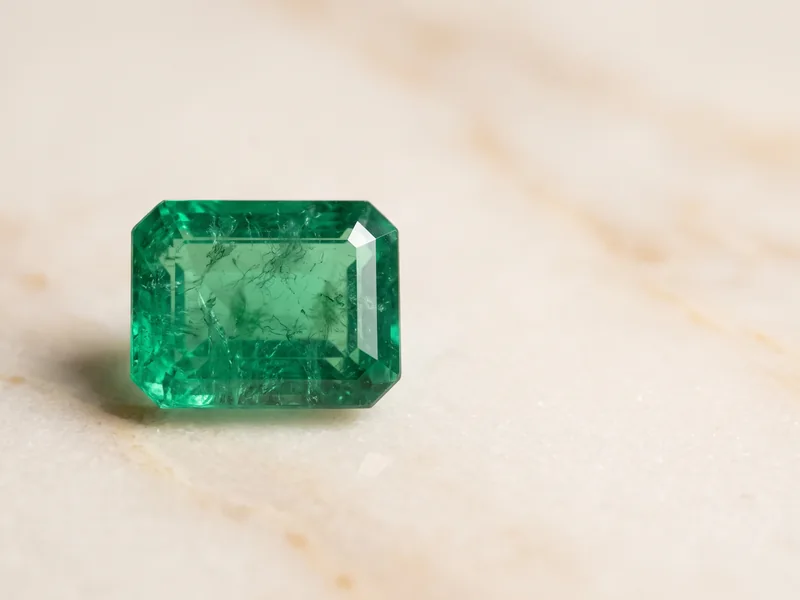 GemstonesGemstone Clarity Types I, II and III
Explore more
More guides on this topic
Education