
Gemstones
Zircon Gemstone Guide: Colours, Hardness, Treatments and Value
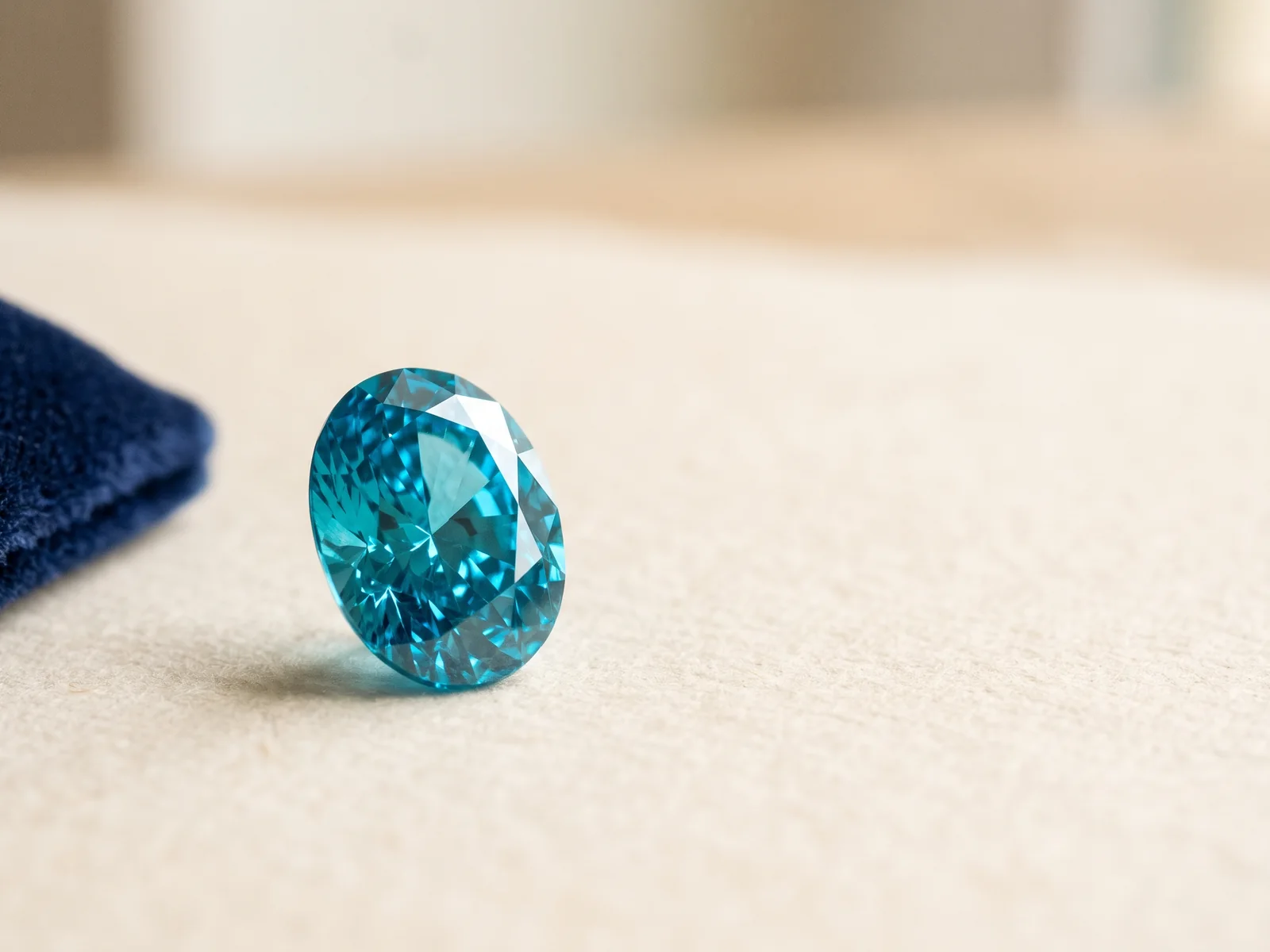
Zircon is a natural gemstone with fire close to diamond's, a December birthstone and one of the most misunderstood stones in jewellery. Here is what to check before you choose one, and how to set it so it lasts.
 Reviewed by Raj Sood, Graduate Gemologist (GIA), AJP (GIA)Master jeweller and Graduate Gemologist (GIA) · reviewed 4 November 2026
Quick answer
Zircon is a natural gemstone (zirconium silicate), not cubic zirconia. A zircon gemstone has diamond-like fire, strong double refraction and a hardness of about 6–7.5 on the Mohs scale, but its facet edges chip easily. Most blue and colourless zircon is heat-treated brown rough. It suits earrings, pendants and protected ring settings worn with care.
What is a zircon gemstone?
Zircon is a natural mineral, zirconium silicate (ZrSiO4), and one of the oldest gemstones in the jewellery trade. A zircon gemstone has a high refractive index (how strongly it bends light) and strong fire, the flashes of spectral colour you see as it moves. That is why colourless zircon was used for centuries as a diamond alternative. It sits with the coloured stones in our guide to coloured gemstones and birthstones, and apart from the element zirconium it has nothing in common with cubic zirconia.
Gemmologists split zircon into high, intermediate and low types. Many zircons carry traces of uranium and thorium, and over millions of years their radiation slowly breaks down the crystal structure. A stone damaged this way is called metamict. High zircon keeps an intact crystal, with a refractive index of about 1.92–1.98, a specific gravity (density compared with water) of 4.6–4.8 and a hardness of about 7–7.5. Low zircon is partly glassy inside, with a refractive index nearer 1.78–1.85, a specific gravity of about 3.9–4.1 and a hardness of about 6–6.5. Almost all faceted zircon in jewellery is high type; low zircon is usually green, brown or grey-green and bought mainly by collectors.
The name is usually traced to the Persian word zargun, meaning gold-coloured. Older trade names still appear in antique pieces: hyacinth or jacinth for reddish-orange zircon, jargon for pale yellow to colourless stones, and Matara diamond for colourless zircon from Sri Lanka. Any unfamiliar term on this page is also defined in our A to Z of jewellery terms.
What colours does zircon come in?
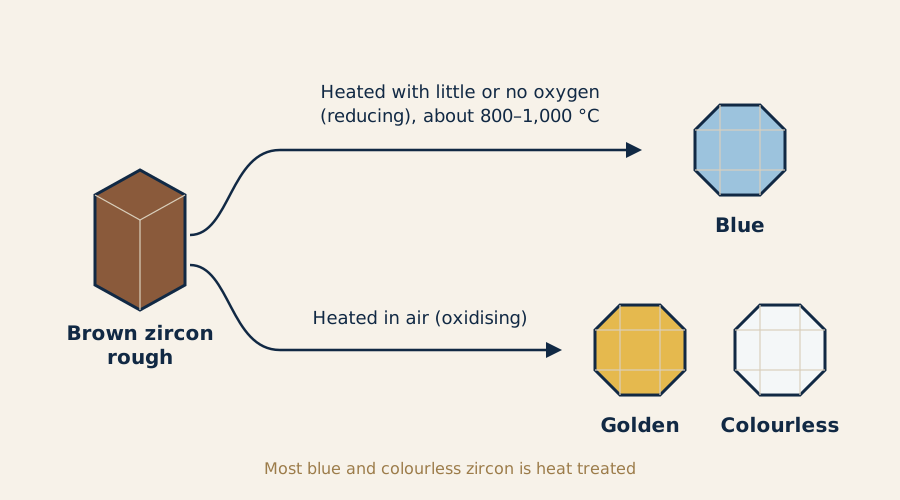
Straight from the ground, most zircon is brown, reddish-brown, orange or yellow. Green, red and purple stones occur but are less common, and natural colourless zircon is uncommon in clean, large sizes. The colours you see most in jewellery today, blue and colourless, are nearly always produced by heating brown rough.
- Blue: the most popular colour, ranging from pale pastel to a vivid electric blue, sometimes with a slight green tint. Almost always heat-treated.
- Colourless: bright and fiery, historically used in place of diamond. Usually heat-treated.
- Golden, yellow and orange: warm colours that can be natural or produced by heating in air.
- Red and reddish-brown: the classic hyacinth colours; deep, saturated reds are scarce.
- Green: often low or intermediate zircon, softer and more subdued, mostly a collector's stone.
- Purple and pink: natural colours found in some deposits, including in central Australia.
Blue zircon is one of the December birthstones, alongside tanzanite and turquoise; our December birthstone comparison puts the three side by side. When you judge a blue zircon, look at the three parts of colour explained in our page on hue, tone and saturation in coloured stones. A pure, medium-toned, strongly saturated blue is the most sought after; a very pale or greyish blue is worth far less, even in a larger size.
Is zircon the same as cubic zirconia?
No. This is the single most common mix-up. Zircon is a natural mineral that has formed in the Earth's crust for billions of years. Cubic zirconia (CZ) is a synthetic material, zirconium oxide, first made commercially in the 1970s as a low-cost diamond simulant (something that looks like diamond but is a different material). They differ in almost every measurable way.
| Zircon | Cubic zirconia | Diamond | Moissanite | |
|---|---|---|---|---|
| What it is | Natural zirconium silicate, ZrSiO4 | Synthetic zirconium oxide, ZrO2 | Carbon (natural or lab-grown) | Silicon carbide (almost all lab-created) |
| Mohs hardness | 6–7.5 | 8–8.5 | 10 | 9.25 |
| Refractive index | about 1.92–1.98 (high type) | about 2.15–2.18 | 2.42 | about 2.65–2.69 |
| Dispersion (fire) | 0.039 | about 0.060 | 0.044 | 0.104 |
| Refraction | Double, strong | Single | Single | Double |
| Specific gravity | 4.6–4.8 | 5.6–6.0 | 3.52 | 3.22 |
Zircon's fire is close to diamond's, but its lower hardness means facet edges wear over time, which diamond's do not. If you are comparing colourless stones as diamond alternatives, our guide to CZ, YAG, GGG and glass simulants explains how each is identified, and the page on moissanite and how it differs from diamond covers the most durable option. Colourless zircon is a genuine natural gemstone in its own right, not an imitation, as long as it is sold under its own name.
How hard is zircon, and is it good for an engagement ring?
Hardness is resistance to scratching; toughness is resistance to chipping and breaking. Zircon is reasonably hard at 6–7.5; high zircon, at about 7–7.5, resists most household dust (quartz, at 7, is the main scratcher). Its weakness is toughness. High zircon is brittle, and the sharp junctions between facets chip and abrade easily. When loose zircons are stored together in paper parcels they rub against each other and wear their edges, a problem the trade calls paper wear. In a ring, the same wear happens against benchtops, door handles and other rings.
| Gemstone | Mohs hardness | Toughness | Daily-wear ring? |
|---|---|---|---|
| Diamond | 10 | Good (can cleave) | Yes |
| Moissanite | 9.25 | Excellent | Yes |
| Sapphire and ruby | 9 | Excellent | Yes |
| Chrysoberyl | 8.5 | Excellent | Yes |
| Spinel | 8 | Good | Yes |
| Jadeite and nephrite | 6–7 | Exceptional | Yes, with care |
| Iolite | 7–7.5 | Fair (cleavage) | Occasional wear |
| Zircon | 6–7.5 | Poor (brittle edges) | Occasional wear, protected setting |
| Kunzite | 6.5–7 | Poor (perfect cleavage) | Occasional wear |
| Turquoise | 5–6 | Fair; porous | Protected setting, occasional wear |
| Lapis lazuli | 5–5.5 | Fair | Pendants and occasional rings |
So is zircon good for an engagement ring? For a ring worn every day for decades, most gemmologists would steer you elsewhere. For a cocktail ring, a dress ring or an occasional-wear piece, zircon works well if the setting protects its edges. Notice that toughness, not hardness, decides much of this table. Jade is softer than zircon but far tougher, as our guide to jadeite and nephrite jade explains. Other stones with similar care needs include iolite, the violet-blue water sapphire, pink kunzite and its cleavage, porous natural and stabilised turquoise and the softer deep blue lapis lazuli. If you want a December-blue look in a much tougher stone, sapphire is the better candidate for daily wear; chrysoberyl, the tough cat's-eye gem is another durable choice in yellow and green.
Not sure which one is right?
Send us the stones you are looking at and our gemologist will tell you which to choose and why.
Is zircon heat treated?
Yes, very often. Heating is the standard treatment for zircon and has been used for well over a century. Brown rough is heated to roughly 800–1,000 °C. Heated in a reducing atmosphere (with little or no oxygen), many stones turn blue; heated in an oxidising atmosphere (in air), they turn golden, yellow or colourless. Some stones go through more than one heating to fine-tune the colour. Almost all blue zircon on the market is heat treated, and you should assume so unless a laboratory report says otherwise.
Heat treated zircon is generally stable in normal wear, but some stones can shift slightly in colour after long exposure to strong sunlight or ultraviolet light, and a few can partly revert towards their original brown. A jeweller can often restore the colour by gently reheating. Heat also matters at the workbench: a zircon should be removed or carefully protected before any torch work on the ring, such as resizing or retipping claws, because jeweller's heat can change its colour.
Other treatments are rare in zircon. It is not normally oiled, fracture-filled or coated, but any treatment should be disclosed when the stone is sold. For the full picture of how gems are heated, irradiated, filled and diffused, and what each means for value and care, see our A to Z of gemstone treatments.
Related guideGemstone Treatments A to ZWhere does zircon come from, and is there Australian zircon?
Gem zircon usually forms in igneous and metamorphic rocks, then weathers out and collects in river gravels alongside sapphire and spinel. The main commercial sources include Cambodia (the Ratanakiri province, the classic source of rough that heats to blue), Sri Lanka, Myanmar, Thailand, Vietnam, Tanzania, Madagascar and Mozambique. Origin rarely changes zircon's price the way it can for sapphire or ruby, but a Cambodian blue has a long trade reputation. Our guide to Ceylon, Burma, Madagascar and other gem origins explains how the main localities differ.
Australian zircon has a story of its own:
- Northern Territory: the Harts Range and the Mud Tank zircon field north-east of Alice Springs are known for zircon in orange, brown, pink, purple and colourless crystals, and the area is popular with fossickers.
- Queensland and New South Wales: zircon turns up in the sapphire fields of central Queensland and the New England region of New South Wales, often as a by-product of sapphire mining.
- Mineral sands: Australia is one of the world's largest producers of industrial zircon from coastal mineral sands, used in ceramics and refractories rather than jewellery.
- Jack Hills, Western Australia: tiny zircon grains from here have been dated to about 4.4 billion years old, among the oldest known pieces of the Earth's crust. They are far too small to cut, but they make zircon a remarkable stone to wear.
How does a gemmologist identify zircon?
Zircon has a few features that make it one of the easier gems to identify once you know what to look for. The first is its strong double refraction, also called birefringence: light splits into two rays as it passes through the stone. In high zircon the birefringence reaches about 0.059, enough that a 10× loupe shows the back facet edges doubled, like a slightly out-of-focus photograph.
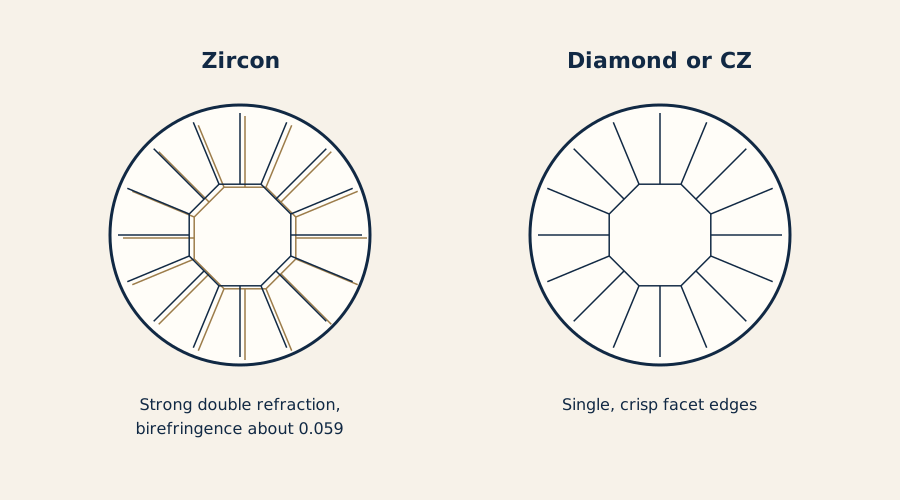
- Refractometer: high zircon reads above the limit of a standard gem refractometer (about 1.81), while low zircon may give a readable figure near the bottom of its 1.78–1.85 range.
- Spectroscope: many zircons show a distinctive absorption line at about 653.5 nm, especially brown, green and low-type stones.
- Density: zircon feels heavy for its size, with a specific gravity well above most gems.
- Wear: abraded facet edges on an older stone are a strong practical clue.
Cutters often use the zircon cut, a round brilliant with an extra row of eight facets near the culet (the bottom point), and try to orient the stone so the doubling is less visible face-up. Zircon is also cut as ovals, cushions, emerald cuts and occasionally cabochons for low zircon; our page on faceted, cabochon and carved gemstone cuts explains each style. Synthetic zircon has been grown in laboratories but is not commercially significant in jewellery, so the main identification job is separating zircon from CZ, glass, topaz and aquamarine.
How much is a zircon gemstone worth?
Zircon is affordable compared with sapphire, but a fine one is not cheap. Colour drives value most: a vivid, even blue with no grey or green cast commands the highest prices. Then come cut (sharp, well-polished facets with good brightness and no paper wear), clarity (blue and colourless stones should be eye-clean, meaning no inclusions visible without magnification) and size, since clean blue zircon over about 5 carats is less common.
| Type | Approximate price per carat (AUD) |
|---|---|
| Brown or reddish-brown, commercial quality | about $20–$100 |
| Colourless, well cut | about $30–$150 |
| Golden, yellow or orange | about $50–$250 |
| Green (often low zircon) | about $50–$300 |
| Fine blue, 1–3 ct | about $150–$600 |
| Fine blue, 5 ct and over | about $300–$1,000 |
These are broad ranges only; prices vary with the exact colour, cut and supply. One thing that surprises buyers is size. Zircon is heavy, with a specific gravity of about 4.7 compared with 3.52 for diamond and about 4.0 for sapphire, so a 1 carat round zircon measures only about 5.5–6.0 mm across, smaller than a 1 carat diamond at about 6.5 mm. Compare millimetre measurements rather than carat weight; our guide to how density changes gemstone size per carat explains the maths.
Shop natural gemstones
What is the best setting for a zircon ring, and how do you care for it?
Because zircon's weakness is its edges, the setting's job is to cover and protect them. Earrings and pendants are the easiest choice, since they rarely take knocks. For rings, these options give the stone the most protection:
- Bezel or half-bezel: a rim of metal around the girdle (the outer edge) shields the most exposed part of the stone. The safest option for a zircon ring.
- Halo: small diamonds or other stones around the centre take the knocks before the zircon does.
- Six claws: more claws spread the load and cover more of the girdle than four.
- Lower profile: a stone that sits closer to the finger is less likely to hit doorframes and benchtops.
- Protected corners: on emerald, cushion or princess shapes, use V-claws or corner bezels.
Plan any future work too. Resizing and retipping involve heat, and a heat treated zircon should come out of the setting before a torch goes anywhere near it. A bench jeweller who knows zircon will check this before quoting a repair. Day to day, zircon is easy to clean but needs a gentle approach:
- Clean with warm, soapy water and a soft toothbrush, then rinse and pat dry with a lint-free cloth.
- Avoid ultrasonic and steam cleaners. Vibration and heat can stress a brittle stone or affect a heat treated colour.
- Keep it away from heat, including hot water baths and the jeweller's torch.
- Store it separately in a soft pouch or lined compartment, so harder stones such as diamond and sapphire cannot scratch or chip it.
- Take rings off for the gym, gardening, cleaning and moving furniture.
- Limit long sun exposure for blue stones, such as leaving a ring on a sunny windowsill.
- Have claws and bezels checked about once a year, and ask for the facet edges to be inspected at the same time.
How to choose a zircon gemstone: step by step
- Confirm what it is. Make sure the stone is described as natural zircon, not cubic zirconia, and that any heat treatment is disclosed.
- Judge the colour in daylight. Look for an even, saturated colour without grey, brown or unwanted green.
- Check the edges with a loupe. Look for chips, nicks or fuzzy, worn facet junctions.
- Look for doubling. Some doubling is normal; a well-oriented cut keeps it from blurring the stone face-up.
- Check clarity. Blue and colourless zircon should be eye-clean at normal viewing distance.
- Compare millimetres, not carats. Zircon's density makes it smaller than you expect for its weight.
- Choose the setting before the stone. Decide on a bezel, halo or six-claw design so the edges are protected from day one.
Free consultation
Talk to a gemologist
Compare stones in person or online with Raj Sood, Graduate Gemologist (GIA), AJP (GIA).
Book a consultationShop this shape
FAQ
Common questions
Is zircon a real gemstone?
Yes. Zircon is a natural mineral, zirconium silicate, mined in countries including Cambodia, Sri Lanka and Australia. It is often confused with cubic zirconia, which is a synthetic material.
Is zircon the same as cubic zirconia?
No. Zircon is natural and doubly refractive, with a hardness of about 6–7.5, while cubic zirconia is a laboratory-made zirconium oxide with a hardness of about 8–8.5 and single refraction.
Is blue zircon natural?
Blue zircon is a natural stone, but its colour is almost always produced by heating brown rough. Naturally blue, untreated zircon is rare, and a laboratory report is needed to confirm it.
Is zircon good for an engagement ring?
It is not ideal for a ring worn every day for decades, because its facet edges chip and wear easily. It works well in a protective bezel or halo setting for occasional wear, or in earrings and pendants.
Is zircon radioactive?
Some zircon contains traces of uranium and thorium, which is how low zircon becomes metamict. The zircon sold for jewellery generally has very low levels, and ordinary gem zircon is worn widely without concern.
Why is zircon a December birthstone?
Blue zircon was added to modern birthstone lists for December alongside turquoise and tanzanite. Its cool blue colour suits the month, and it offers a lower-cost alternative to blue sapphire.

Ask a gemologist
Not sure which diamond to choose?
Raj Sood is a Graduate Gemologist (GIA) and master jeweller. Bring the stones you are considering, or send the reports, and he will tell you honestly which one is better and why.
Keep learning
Related guides
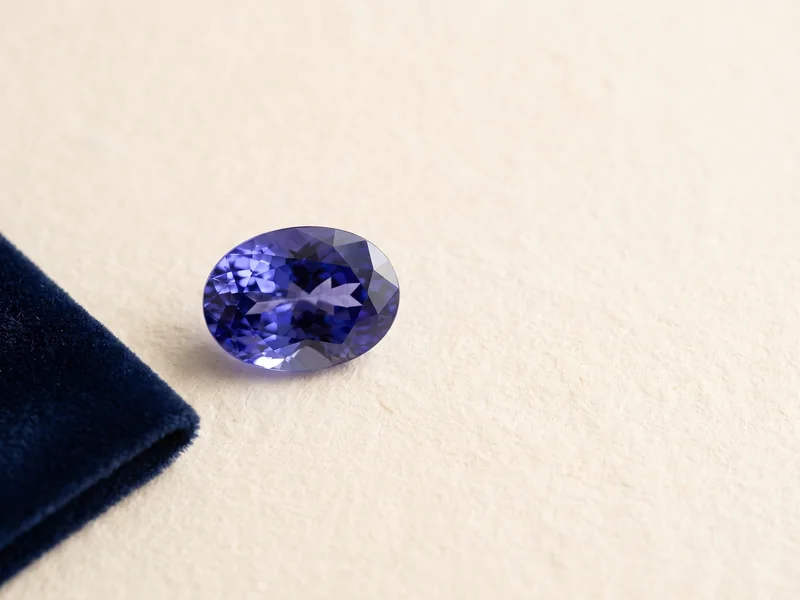 GemstonesDecember Birthstone: Tanzanite, Zircon and Turquoise
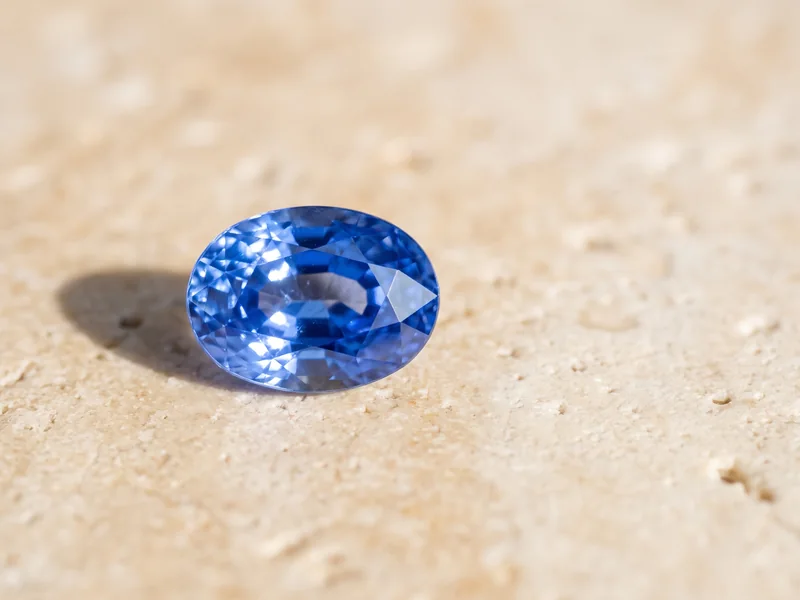 GemstonesGemstone Treatments A to Z
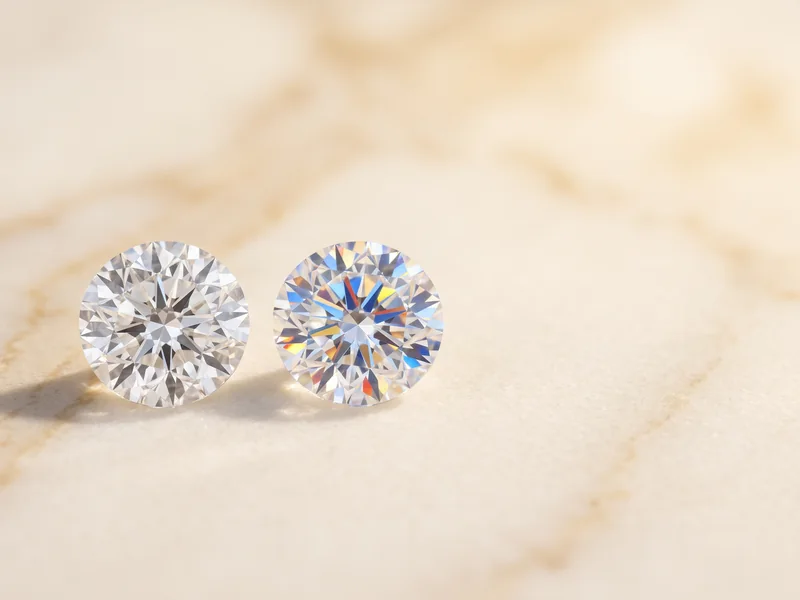 GemstonesDiamond Simulants: CZ, YAG, GGG and Glass
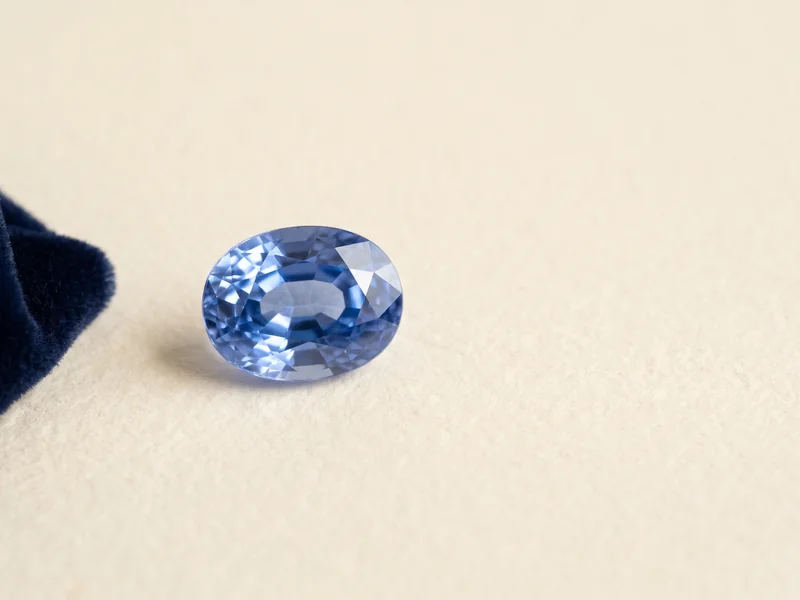 GemstonesGemstone Origins: Ceylon, Burma, Kashmir, Madagascar, MozambiqueGemstonesGemstones | Coloured Gemstones, Birthstones and Custom Jewellery
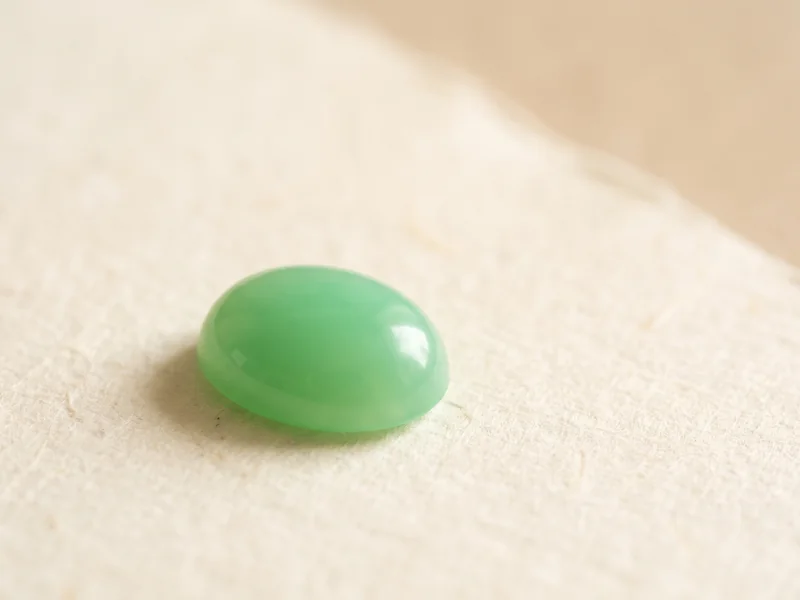 GemstonesJade: Jadeite vs Nephrite
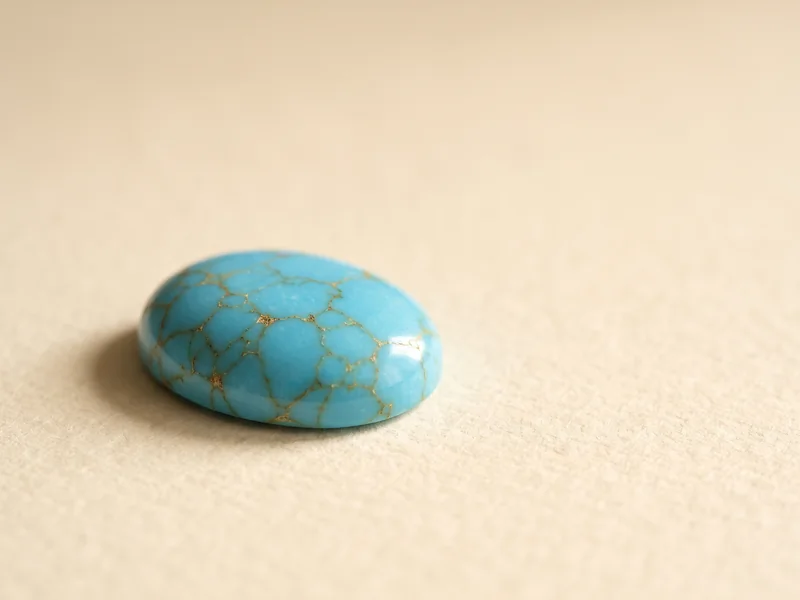 GemstonesTurquoise
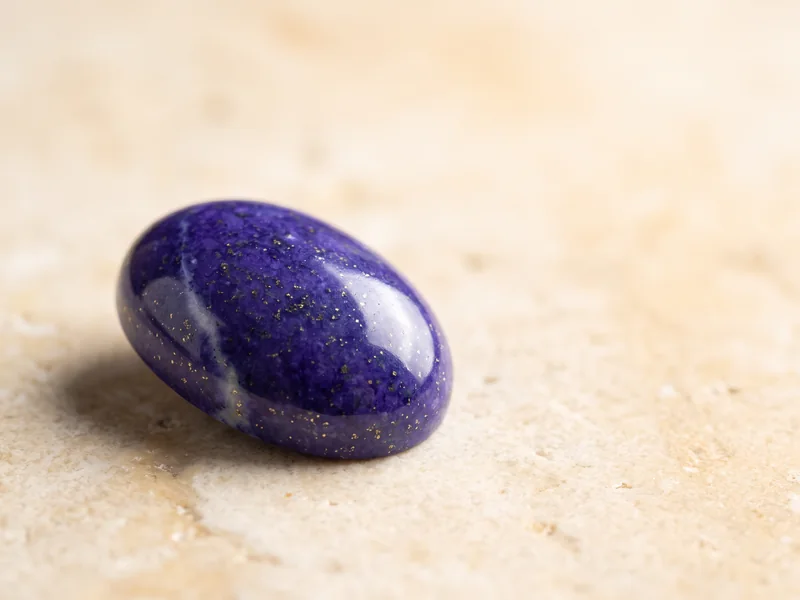 GemstonesLapis Lazuli
Explore more
More guides on this topic
Education